Sloot en hek tussen de weilanden — History & Facts
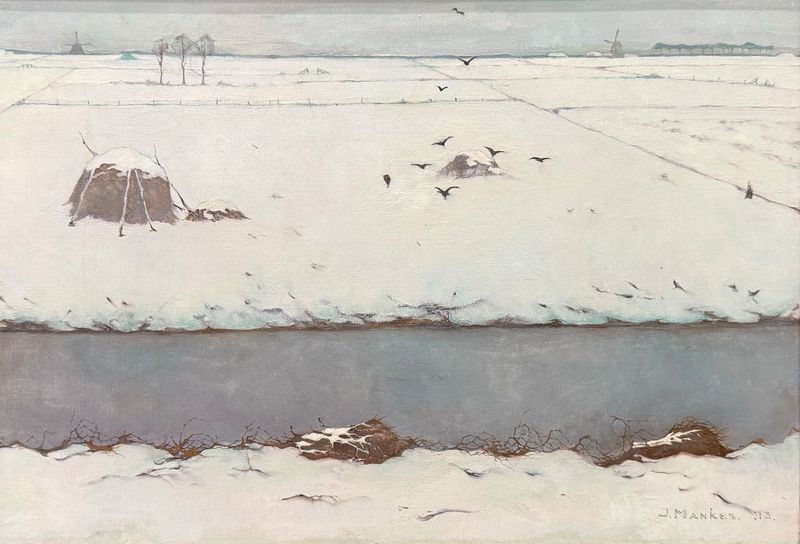
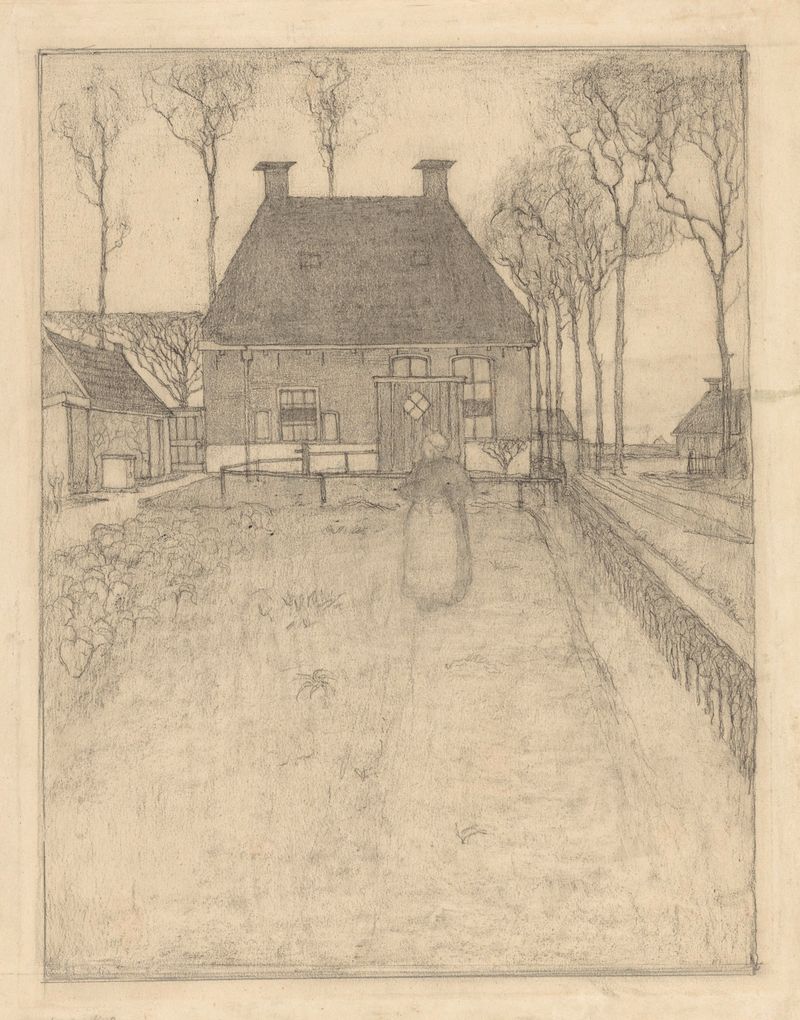
In a world where fleeting moments slip through our fingers, the act of capturing them becomes an act of faith itself. Focus on the gentle lines of the landscape that stretch across the canvas, guiding your eyes toward the tranquil horizon. Notice how the soft greens of the meadows contrast beautifully with the muted browns of the fence, each brushstroke a deliberate choice that conveys both calmness and restraint. The delicate interplay of light and shadow further imbues the scene with a sense of serenity, inviting contemplation as the viewer’s gaze meanders through the pastoral expanse. Within this quiet composition lies a deep emotional undercurrent.
The fence, a barrier yet a passage, symbolizes the complex boundaries of faith and uncertainty, while the open fields suggest the vast, untamed possibilities of life. The stillness captured here speaks to a moment of introspection, where nature’s simplicity becomes a backdrop for deeper reflections on existence and belief. In the early 20th century, Jan Mankes created Sloot en hek tussen de weilanden, a period marked by a movement towards modernist expression in art. Working in the Netherlands, he sought to convey the tranquility and beauty of rural life, often drawing inspiration from his surroundings.
This piece represents a pivotal moment as he explored themes of solitude and faith, capturing the essence of a world that was rapidly changing around him.