
Sluice Gate, Netley Abbey, Hampshire — History & Facts
In the delicate interplay between water and light, innocence dances on the surface of Turner’s brushstrokes, echoing the fleeting nature of beauty. Look to the center where the sluice gate stands resolute, its weathered wood juxtaposed against the shimmering water that flows beneath. The ethereal light spills gently across the scene, illuminating the soft greens and blues, while delicate hints of ochre and gray weave through the foliage. Turner’s characteristic brushwork creates a sense of fluidity, drawing the viewer's eye toward the convergence of nature and structure. Beneath this tranquil surface lies a tension between permanence and transience.
The gate, a man-made structure, serves as a boundary, yet it is softened by the encroaching landscape, suggesting a dialogue between the natural world and human intervention. The reflections in the water echo this duality, as they distort and blur the edges of reality, inviting contemplation of memory and time. Each element silently whispers a story of innocence lost to the passage of days, yet cherished in the beauty of stillness. Created during a period of artistic transition in the early 19th century, this work embodies Turner’s exploration of light and atmosphere as he evolved from the historical and romantic scenes of his earlier career.
This was a time when the artist, working primarily in England, began to embrace a more impressionistic approach, influenced by both the changing landscape of the British countryside and his own personal journeys.
More Artworks by Joseph Mallord William Turner
Browse all →
Dort or Dordrecht- The Dort Packet-Boat from Rotterdam Becalmed
Joseph Mallord William Turner
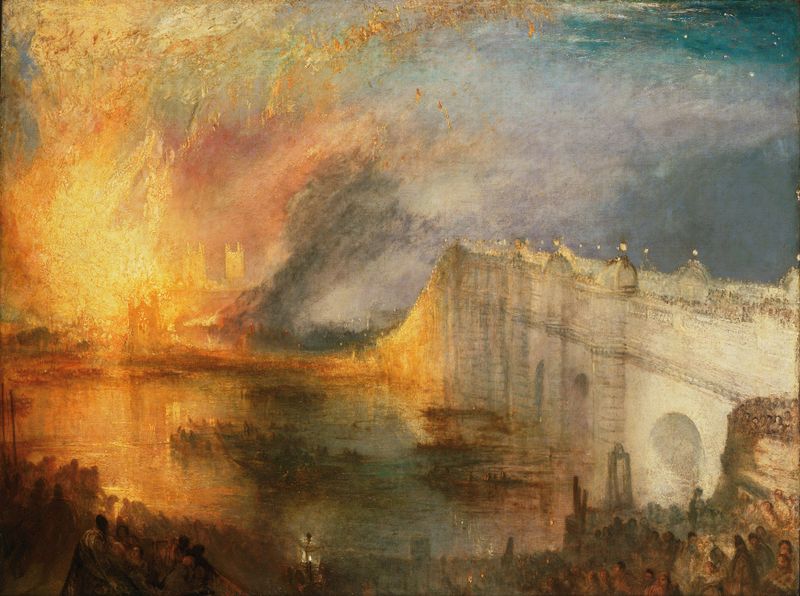
The Burning of the Houses of Lords and Commons, October 16, 1834
Joseph Mallord William Turner
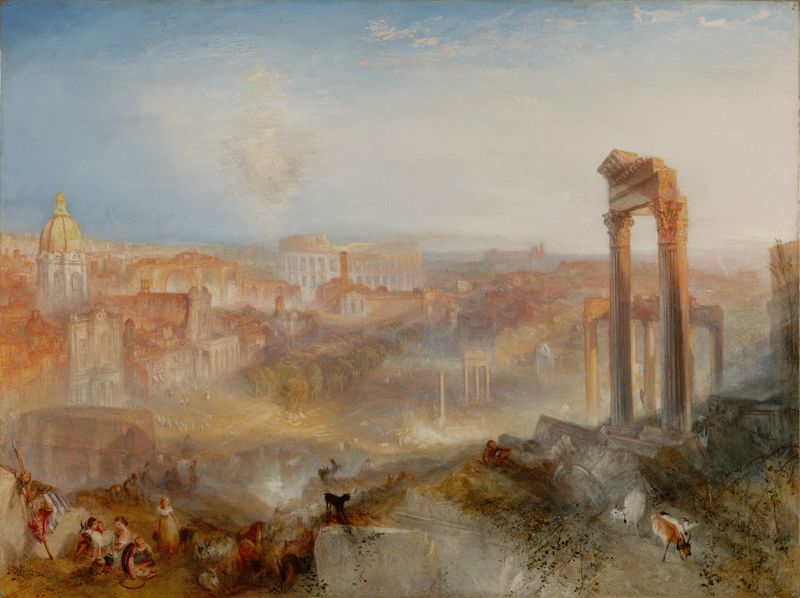
Modern Rome – Campo Vaccino
Joseph Mallord William Turner
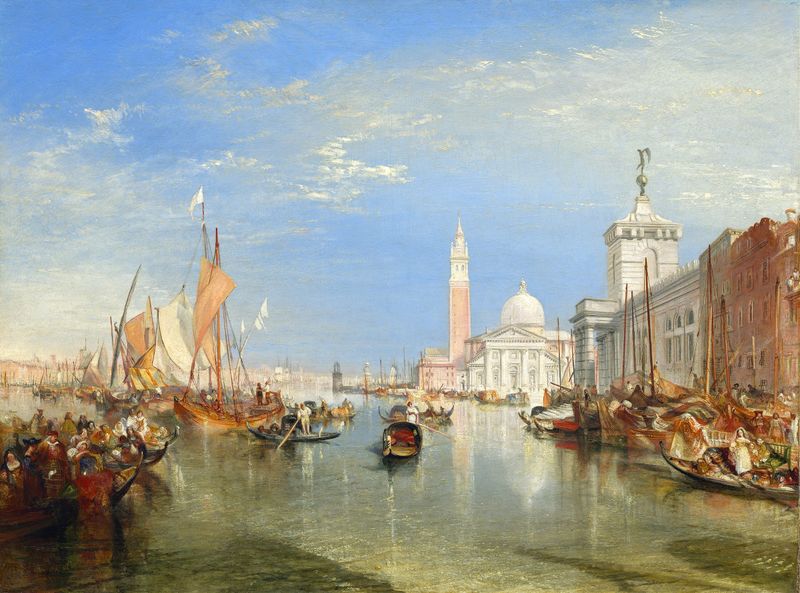
Venice – The Dogana and San Giorgio Maggiore
Joseph Mallord William Turner

The Burning of the Houses of Lords and Commons, 16 October 1834
Joseph Mallord William Turner
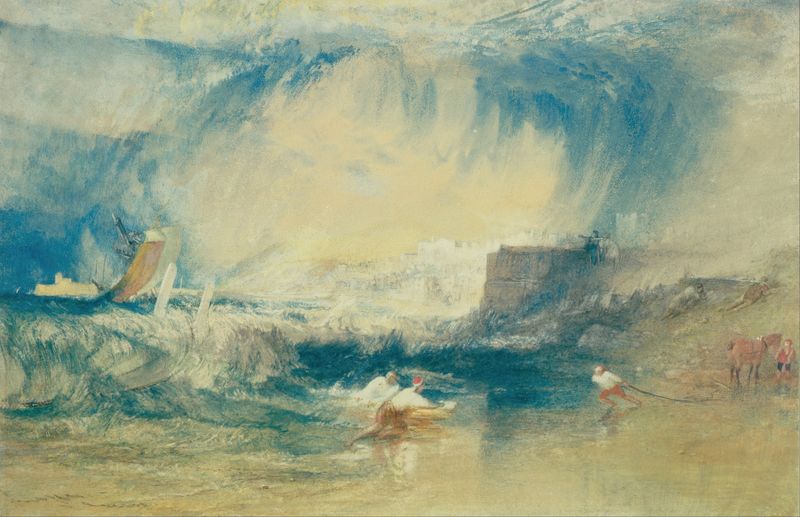
Lyme Regis, Dorsetshire, England
Joseph Mallord William Turner
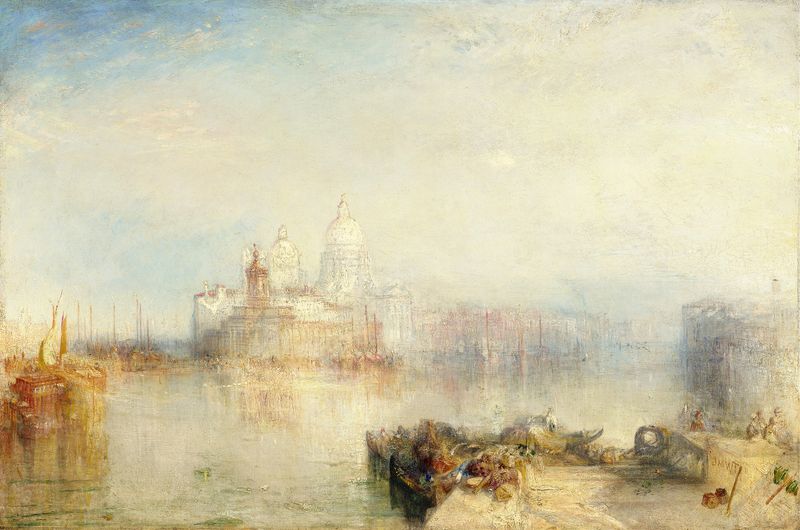
The Dogana and Santa Maria della Salute, Venice
Joseph Mallord William Turner
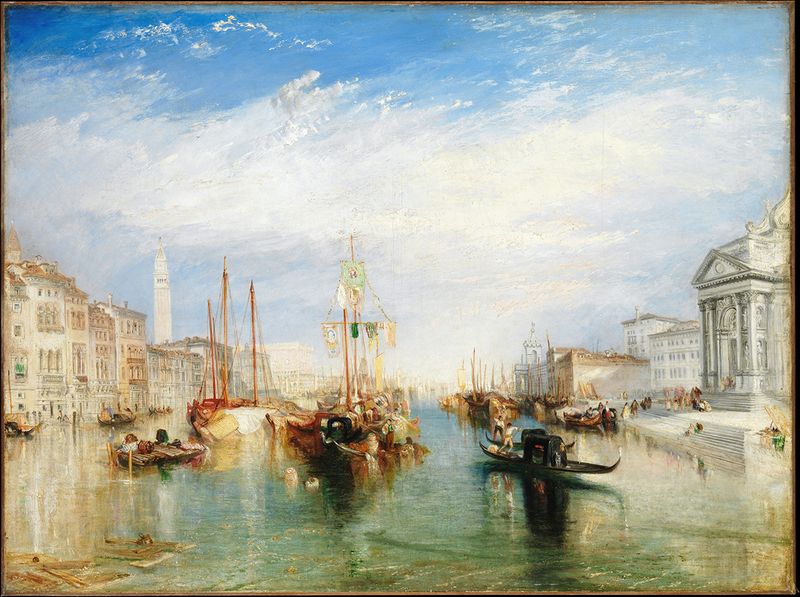
Venice, from the Porch of Madonna della Salute
Joseph Mallord William Turner
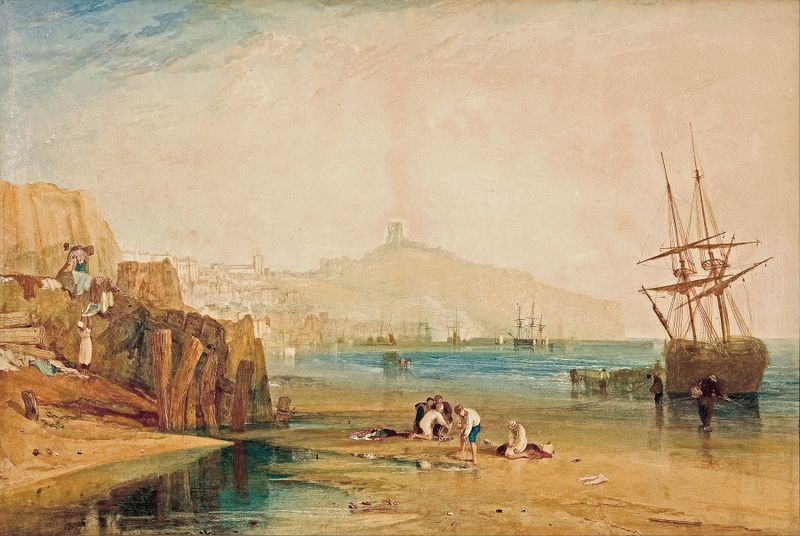
Scarborough town and castle; morning; boys catching crabs
Joseph Mallord William Turner
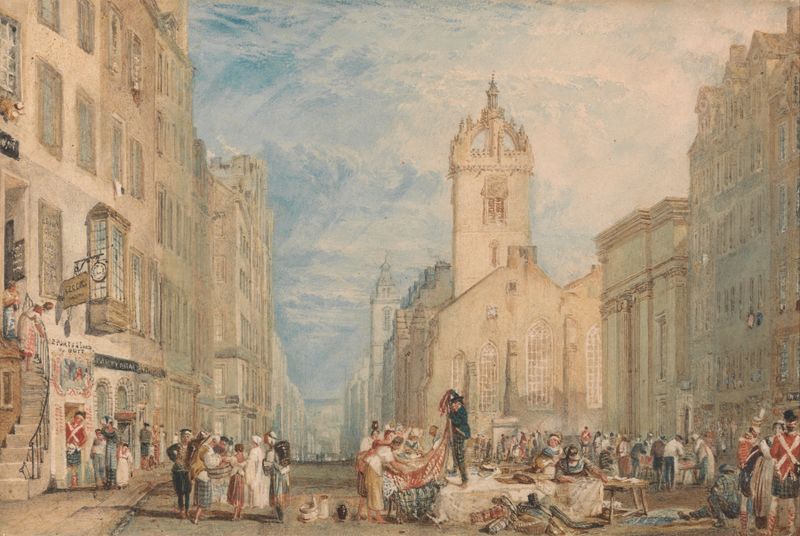
High Street, Edinburgh
Joseph Mallord William Turner





