
Small Boats — History & Facts
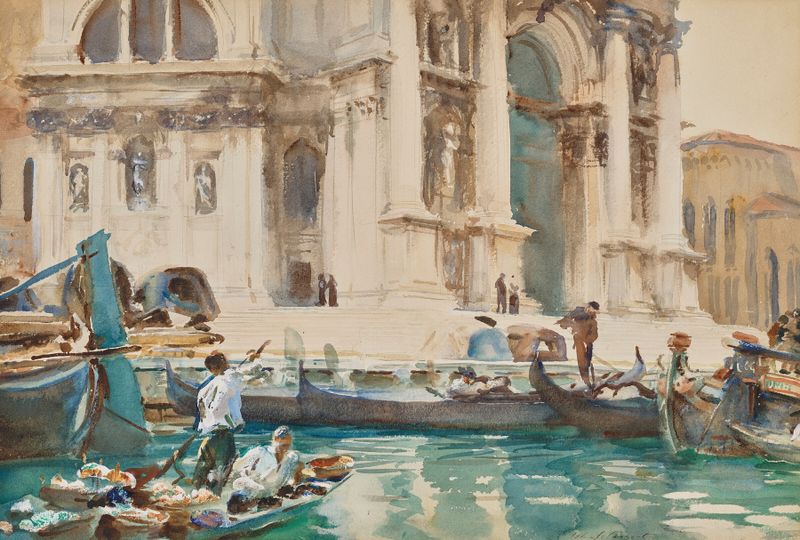
In this dreamlike tableau, the essence of tranquility resonates with the viewer, inviting reflection on the depths of solitude and intimacy found in still waters. Look to the left at the gentle curve of the shoreline, where the soft hues of greens and browns blend seamlessly into the cerulean of the water. The small boats, poised delicately upon the surface, capture the eye with their subtle contrasts of shadow and light. Notice how the light falls upon the sails, which flutter gently in a whisper of wind, and the deft brushstrokes that suggest movement while preserving a captivating stillness. The juxtaposition of the boats against the expansive water implies a tension between confinement and freedom.
Each vessel, though anchored in place, carries the weight of uncharted dreams, hinting at journeys yet to unfold. The soft, muted palette evokes a sense of nostalgia and longing, capturing fleeting moments that are both personal and universal in their emotional depth. In 1913, the artist painted this work during a period of personal exploration and heightened experimentation. Living in England and embracing the Impressionist movement, he sought to capture not just the visual beauty of the world but the intangible feelings borne from its quiet moments.
This piece reflects Sargent's ongoing quest to balance realism with impressionistic techniques, revealing the emotional landscape behind a seemingly simple scene.
More Artworks by John Singer Sargent
Browse all →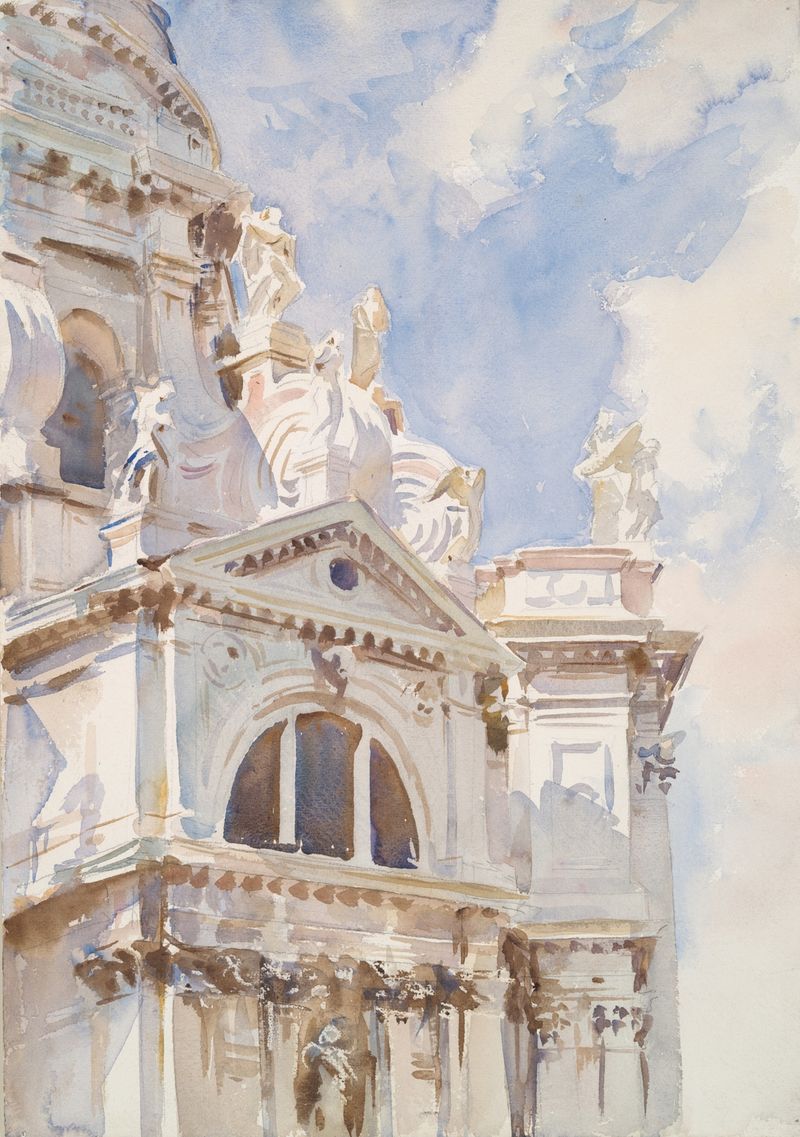
The Salute, Venice
John Singer Sargent

Mrs. Charles Deering (Marion Denison Whipple)
John Singer Sargent
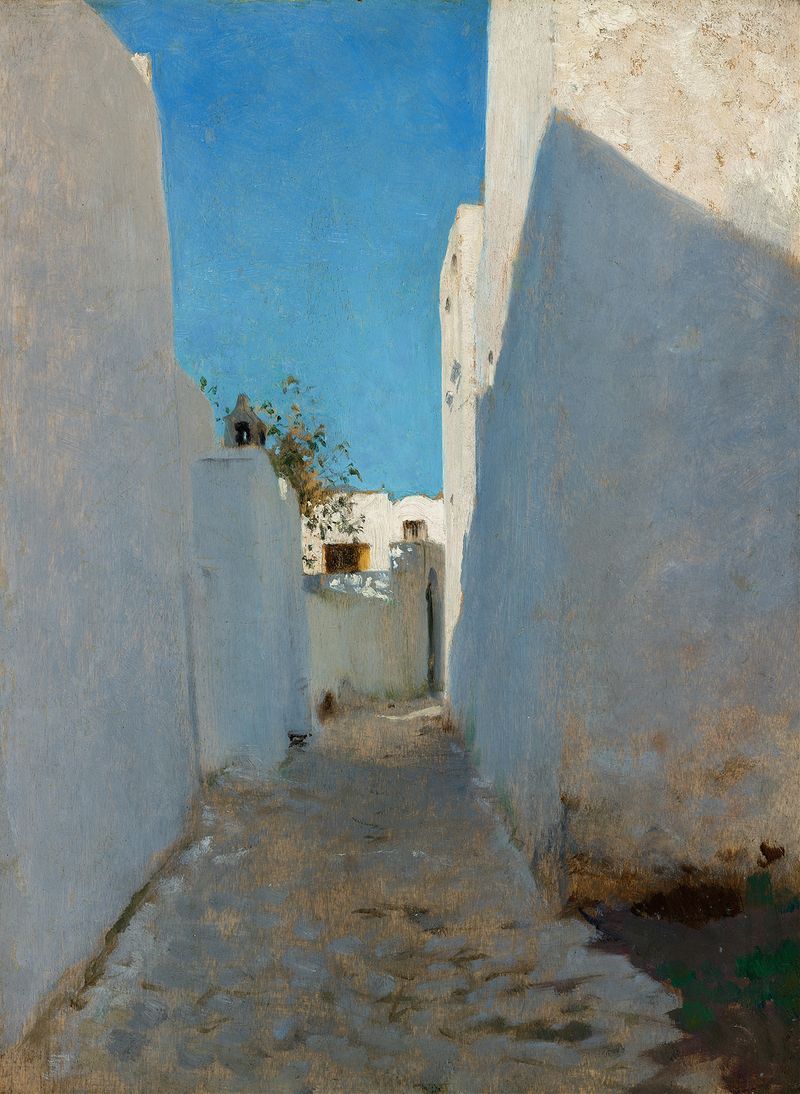
A Moroccan Street Scene
John Singer Sargent
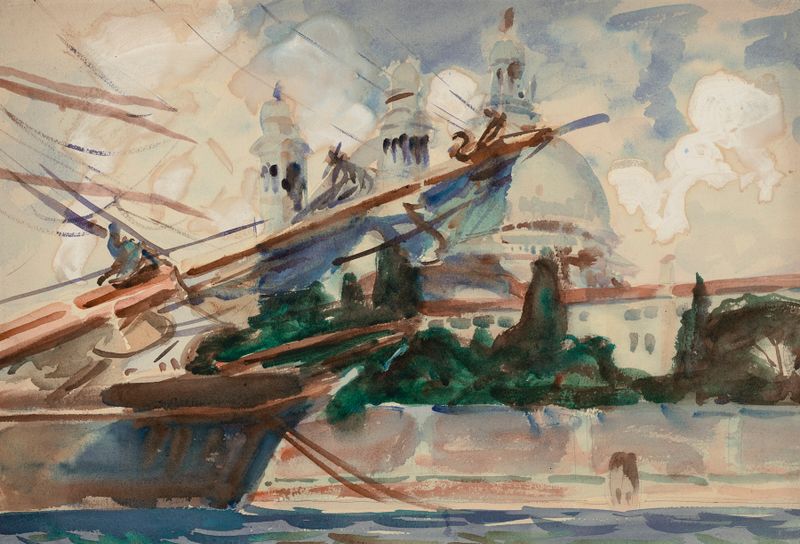
The Salute, Venice
John Singer Sargent
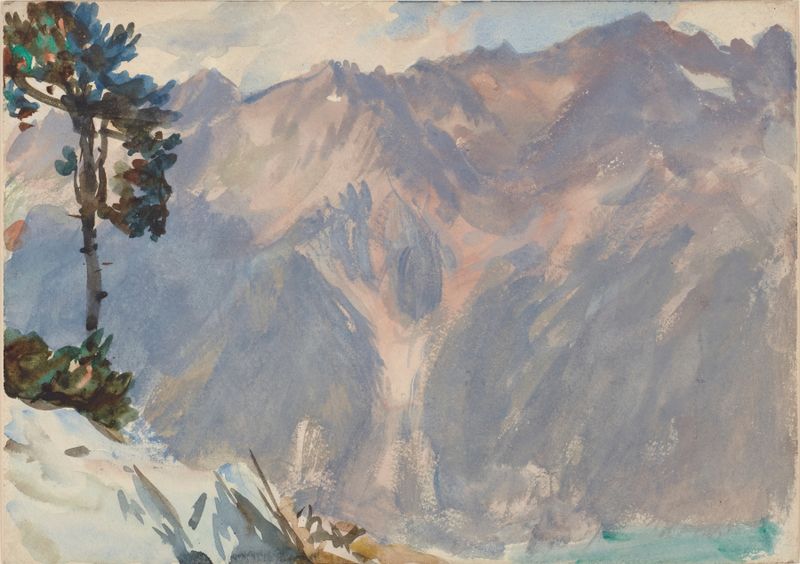
Tyrol
John Singer Sargent
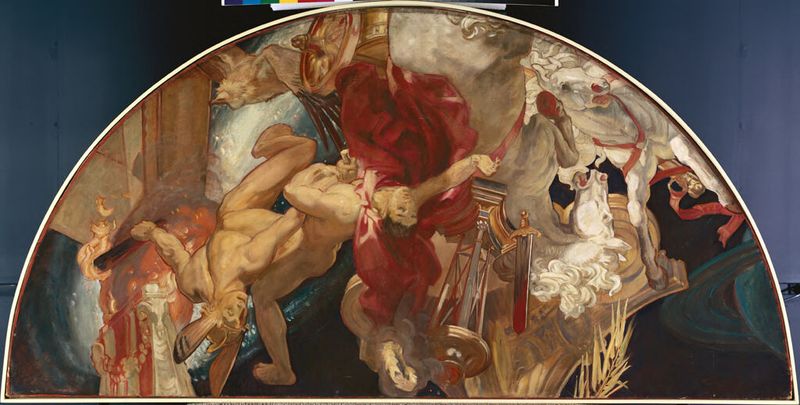
Study for "Gog and Magog," for the Boston Public Library
John Singer Sargent
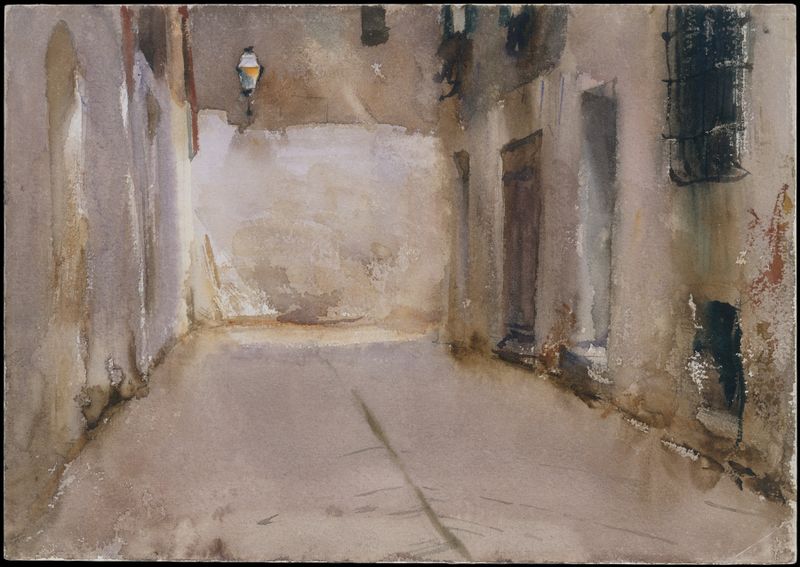
Venice
John Singer Sargent
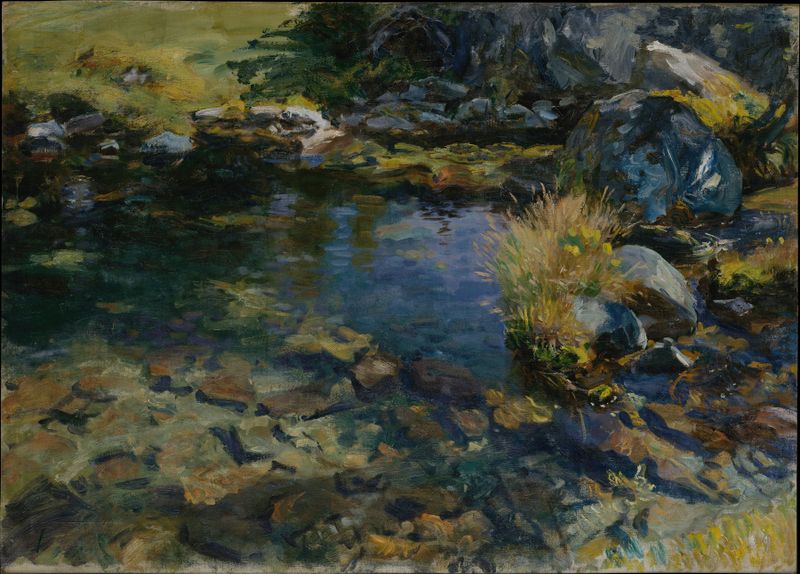
Alpine Pool
John Singer Sargent
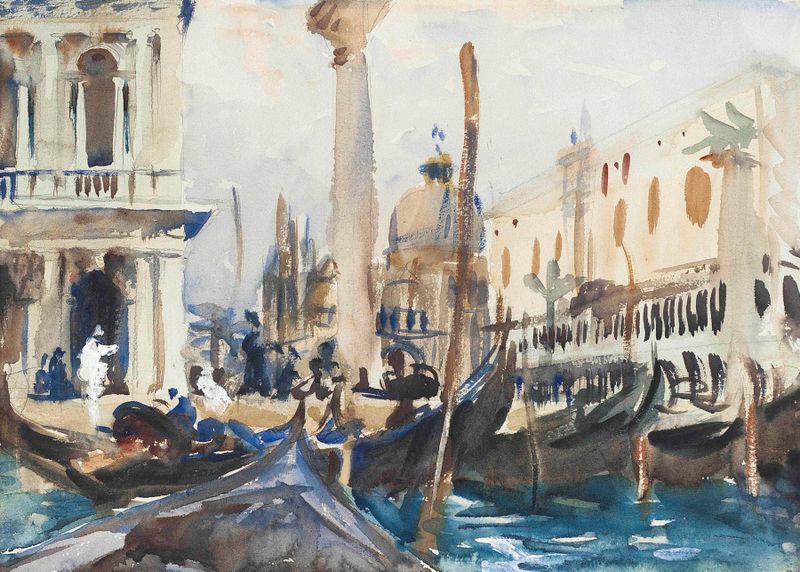
The Piazzetta with Gondolas
John Singer Sargent
The Façade of La Salute, Venice
John Singer Sargent





