
Snow bound — History & Facts
Could beauty survive in a century of chaos? In a world laden with uncertainty, where fear lurks beneath the surface, one is compelled to seek solace in the serene allure of nature, as depicted in this work. Focus on the soft palette of whites and grays that envelops the landscape, drawing you into the delicate stillness of a snowbound scene. Notice how the brushstrokes create a gentle texture, each stroke conveying the chill of winter air while simultaneously suggesting warmth hidden within. The trees, heavy with snow, arch protectively, their dark forms striking against the pale backdrop, invoking a sense of both vulnerability and resilience. Beneath the surface of this tranquil beauty lies a tension between isolation and connection.
The expanse of untouched snow reflects a pristine purity, yet it also signifies the solitude that can accompany such silence. The contrast between the light and dark hues allows for an exploration of fear—fear of the harshness of winter and the starkness of nature, balanced by the beauty that can emerge from it. This duality invites contemplation on the fragility of existence amid life's chaos. In 1888, Louis Kinney Harlow painted this piece during a period of artistic transition, marked by the rise of American Impressionism.
Living in the Northeast, where the rugged landscapes often experienced heavy snowfall, Harlow was influenced by both the Romantic movement's celebration of nature and the emerging Impressionist focus on capturing fleeting moments of light and atmosphere. This artwork reflects not only his personal interpretation of winter's beauty but also the broader artistic shift toward exploring emotional depths through landscape painting.
More Artworks by Louis Kinney Harlow
Browse all →
West Chop Light, Vineyard Sound, Mass.
Louis Kinney Harlow
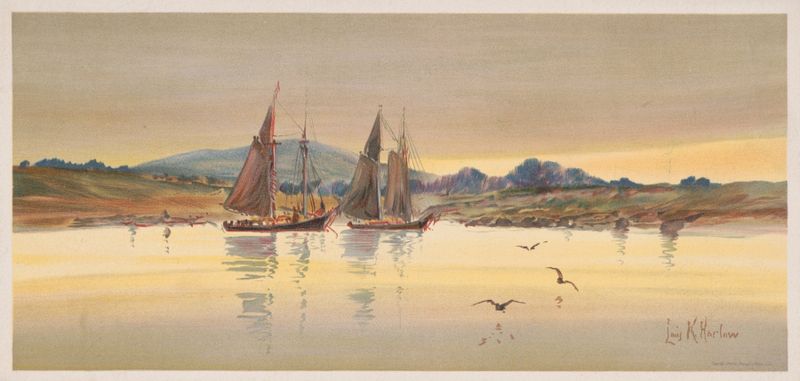
Sunset in Rockland Harbor
Louis Kinney Harlow
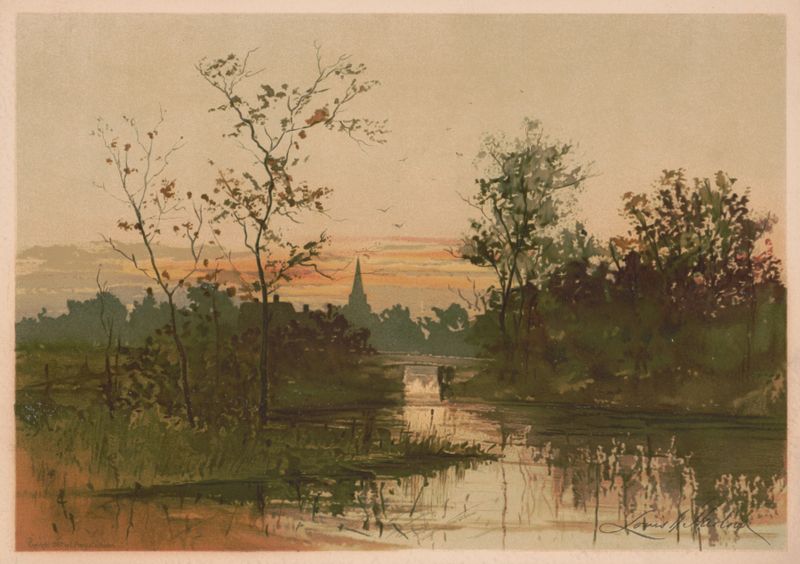
Nemasket River, Maine
Louis Kinney Harlow
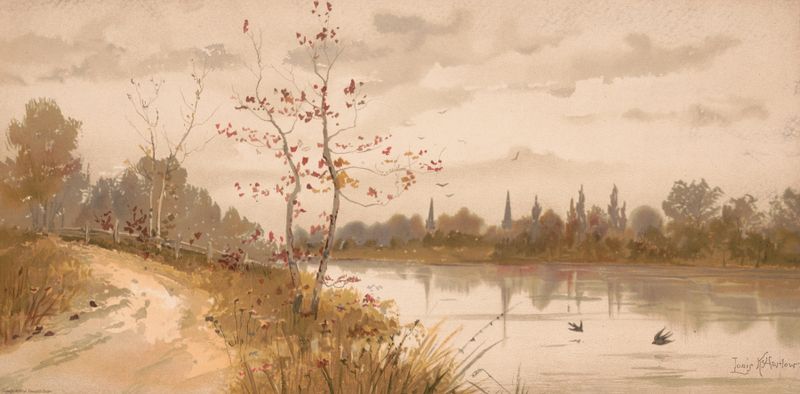
A river path
Louis Kinney Harlow

Castine, Maine
Louis Kinney Harlow

A bit of Monhegan, Maine
Louis Kinney Harlow
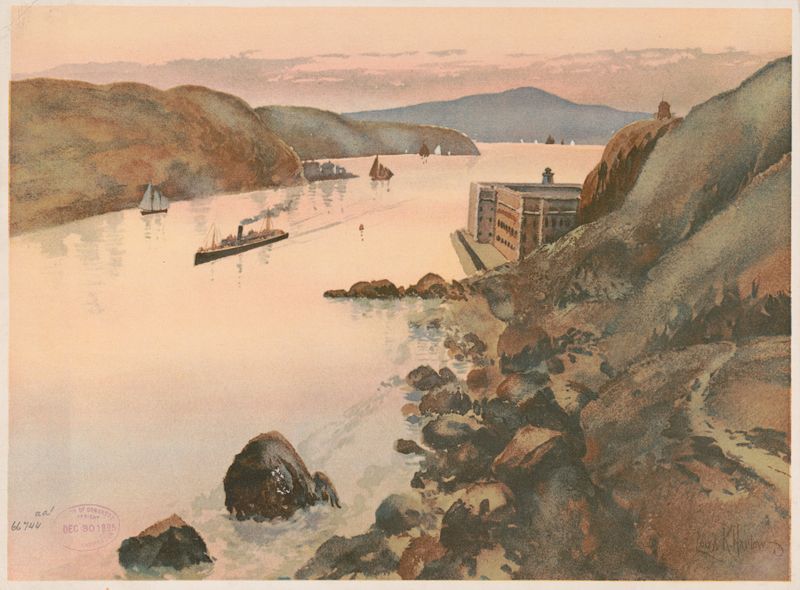
Fortifications and Golden Gate
Louis Kinney Harlow

Blue Hills, Camden, Me.
Louis Kinney Harlow

Near Boothbay Harbor, Maine coast
Louis Kinney Harlow

Evening rest
Louis Kinney Harlow





