
Snow Weather — History & Facts
Is this a mirror — or a memory? In Snow Weather, the ethereal quality of a winter landscape invites contemplation, blurring the line between what is seen and what is felt. Look closely at the painting's center, where a veil of soft, white snow falls gently over a quiet scene. The muted grays and whites create a tranquil atmosphere, while the delicate brushwork evokes the tenderness of a snow-laden morning. Notice how the trees, cloaked in frost, seem to bow under the weight of winter’s embrace, their dark trunks stark against the pale backdrop.
The subtle interplay of light and shadow enhances the feeling of stillness, allowing the viewer to linger in the serenity of the moment. Yet, beneath this serene surface, there lies a tension between silence and memory. The gentle snowfall can be interpreted as a metaphor for the passage of time, each flake a moment quietly settling into the past. The absence of figures prompts introspection; one feels the echoes of lives once lived in this frozen expanse.
The composition speaks of isolation, yet also of beauty in the quietude, revealing the paradox of winter — where both solitude and peace coexist. In 1869, John La Farge was in the midst of exploring the interplay of light and color, shifting away from traditional realism toward a more impressionistic approach. Painted during a time when the art world was beginning to embrace innovation and experimentation, this work reflects not only La Farge's personal evolution as an artist but also the broader currents of change in American art. As the country faced social and political turbulence, his quiet landscapes served as a refuge, inviting viewers to pause and reflect.
More Artworks by John La Farge
Browse all →
Red Pagoda, Nikko
John La Farge
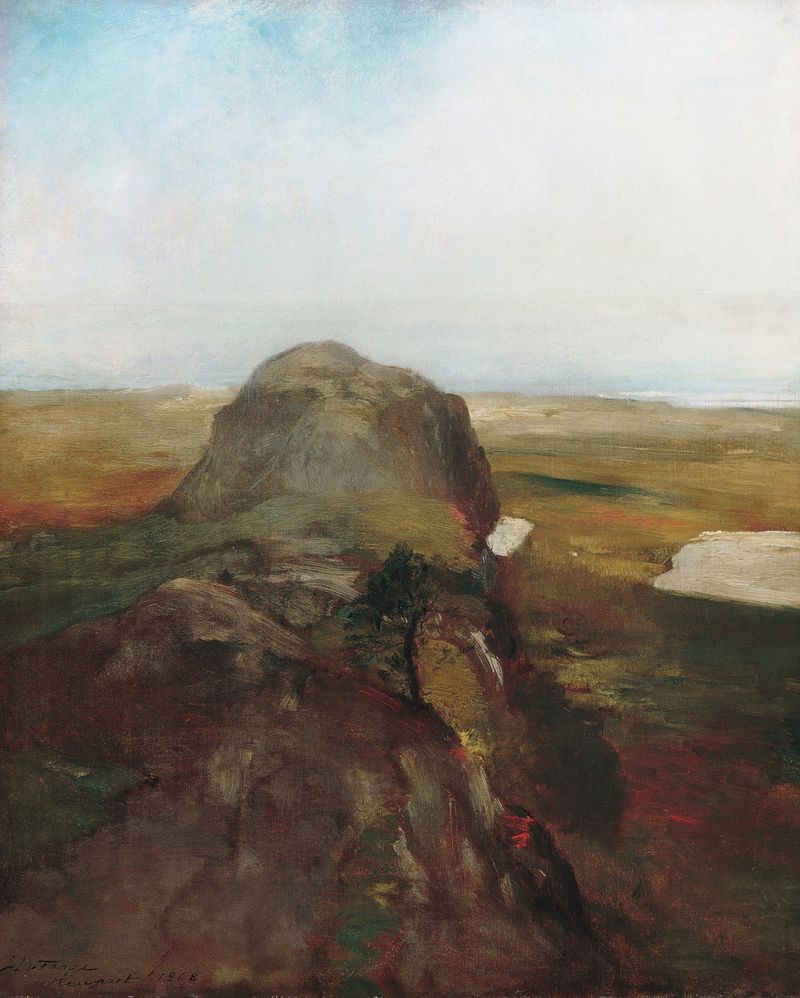
Autumn Study, View over Hanging Rock, Newport, R.I.
John La Farge
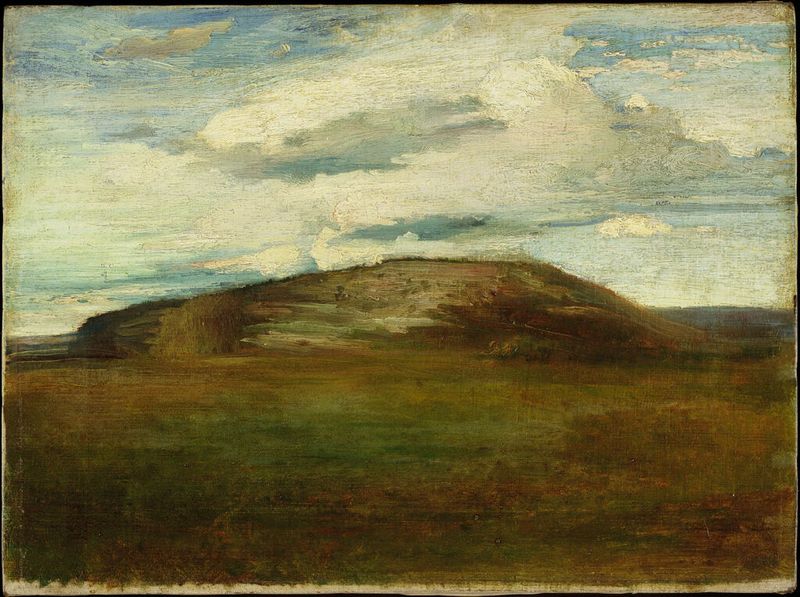
Autumn: Mid-Day, Looking North, Table-Rock Hill, Peekskill, New York
John La Farge
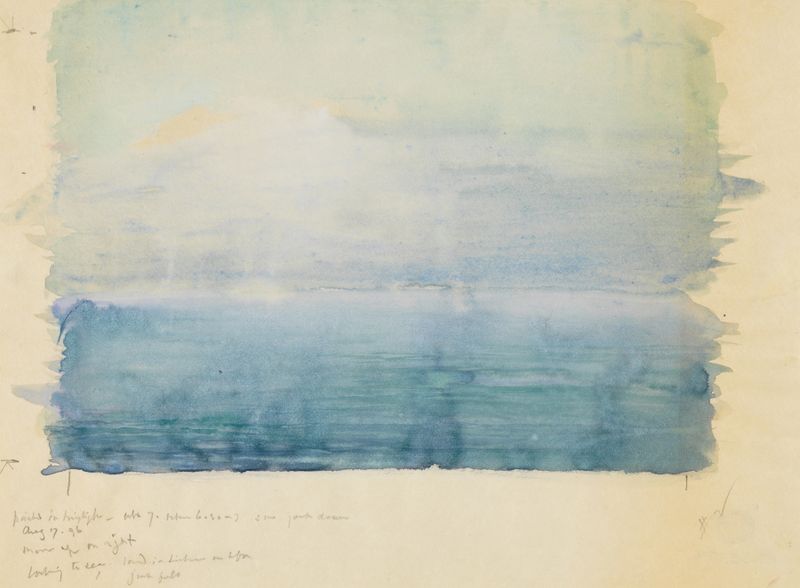
Bar Harbor, Twilight
John La Farge
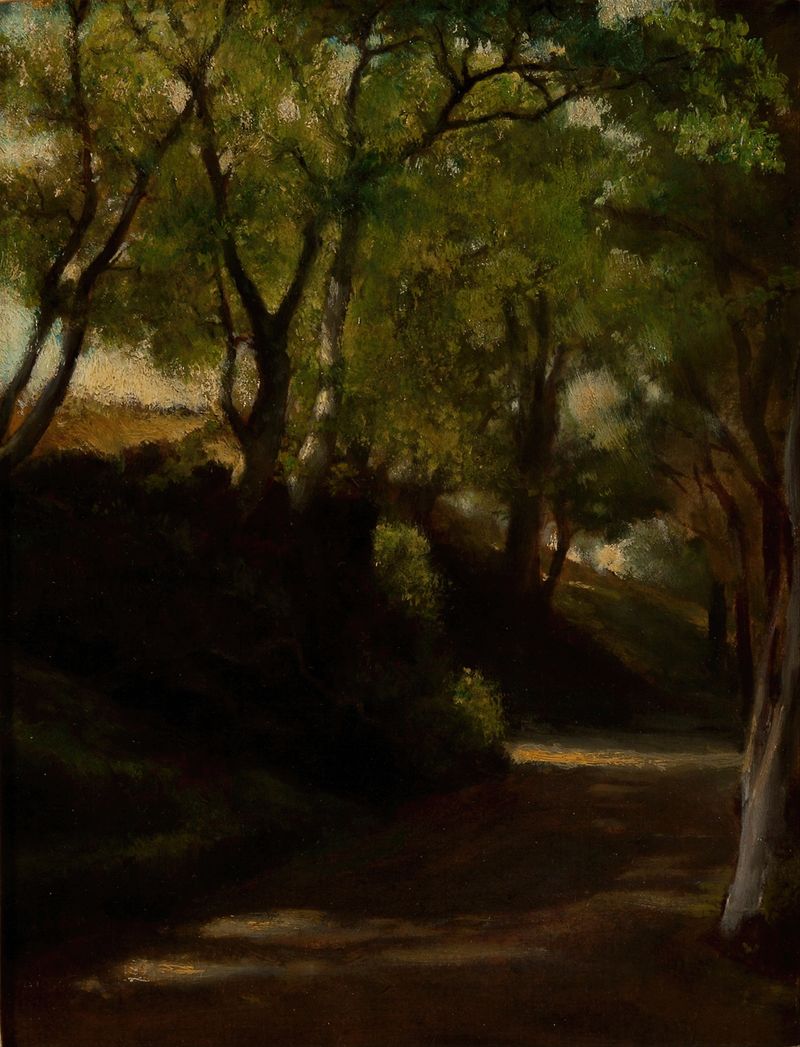
In ‘The Glen,’ Portsmouth, Rhode Island
John La Farge

The Island of Moorea Looking across the Strait from Tahiti, January 1891
John La Farge
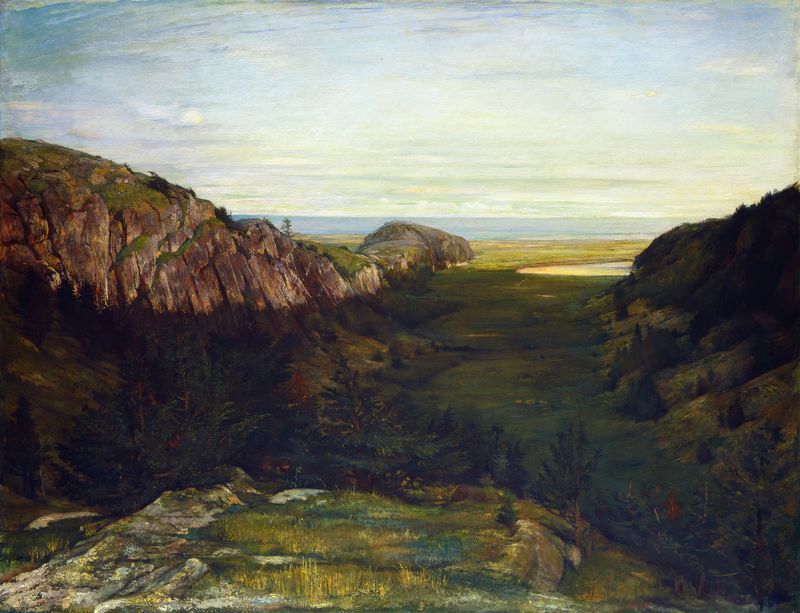
The Last Valley – Paradise Rocks
John La Farge
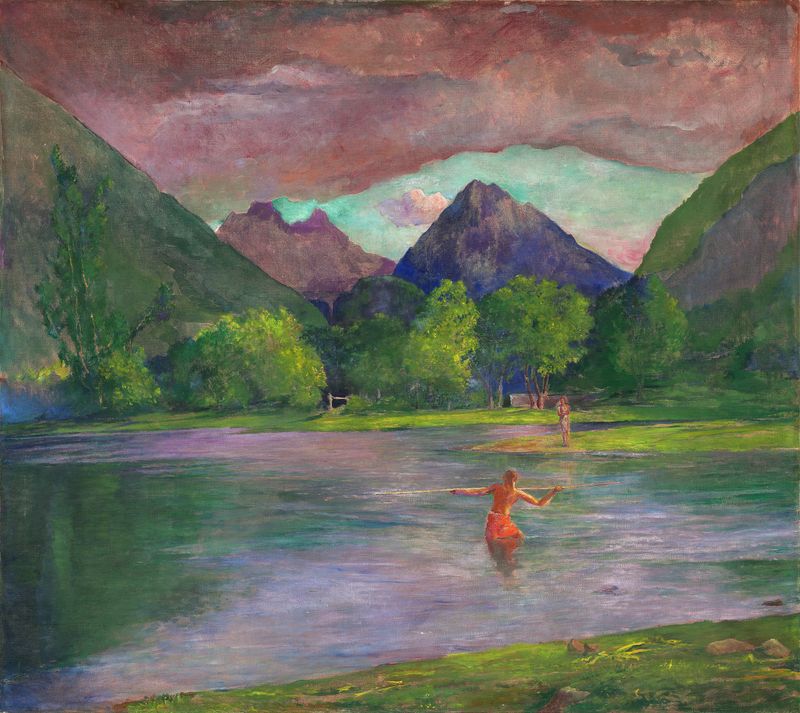
The Entrance to the Tautira River,Tahiti. Fisherman Spearing a Fish
John La Farge

Snow Field, Morning, Roxbury
John La Farge
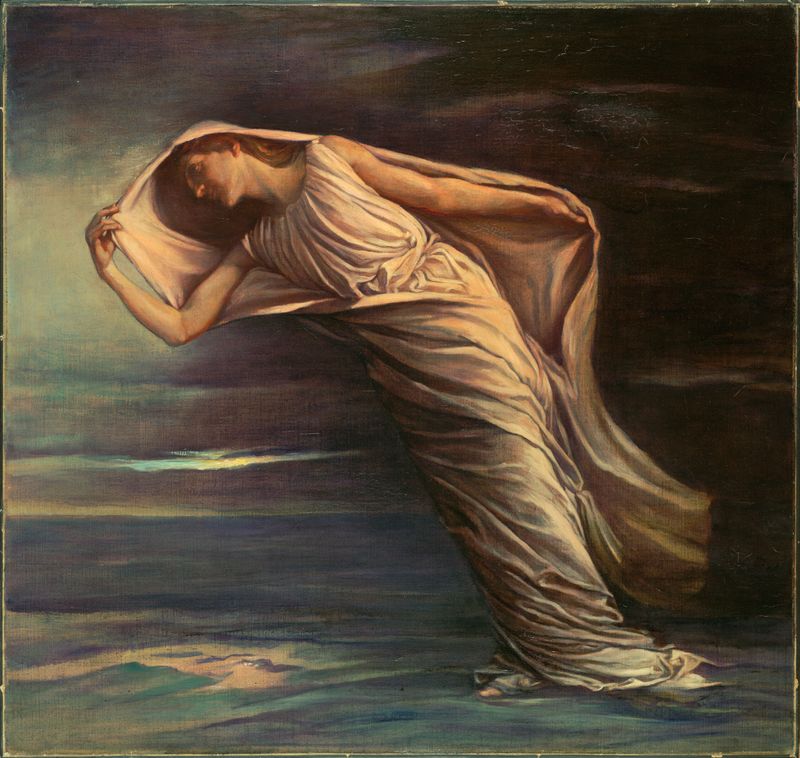
The Dawn
John La Farge





