
Snow White — History & Facts
In Snow White, Walter Crane uses a vibrant palette dominated by whites, blues, and reds. The central figure, Snow White, is depicted with flowing black hair and a bright red dress, surrounded by whimsical forest creatures. The setting is a lush, enchanted forest filled with colorful flowers and greenery.
The overall composition creates a sense of magic and wonder. The painting showcases Crane's signature style, characterized by intricate details and a playful approach to storytelling. The use of oil on canvas allows for rich color saturation and texture, enhancing the fairy tale atmosphere. Viewers can appreciate the delicate brushwork that brings the characters and setting to life.
The whimsical elements, such as the animals and flowers, add to the narrative quality of the piece. Walter Crane was a prominent figure in the Victorian art scene, known for his illustrations of children's literature. This work, created in the 1890s, reflects the era's fascination with fairy tales and storytelling. An interesting fact about Snow White is that it was originally created for a children's book, showcasing Crane's ability to blend art with literature.
His illustrations often aimed to inspire imagination and wonder in young readers.
More Artworks by Walter Crane

Oranges and Lemons
Walter Crane
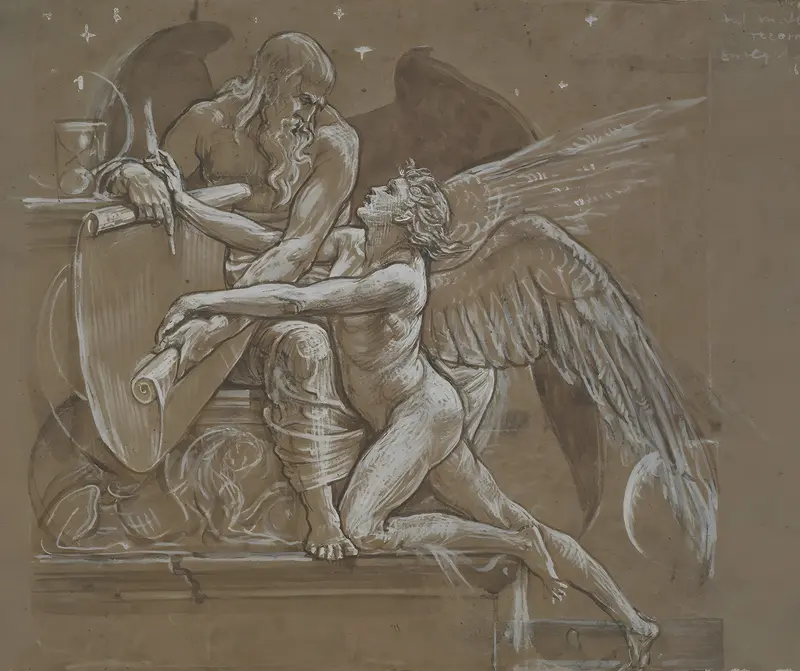
The Roll of Fate, England
Walter Crane
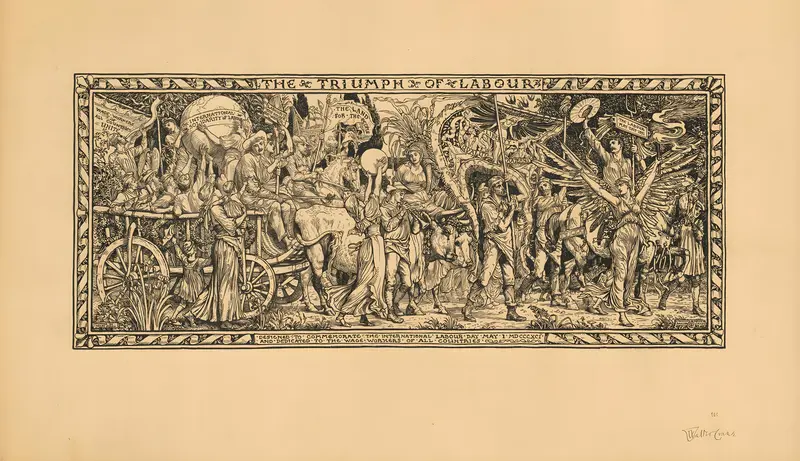
The Triumph of Labour. Designed to commemorate The International Labour Day
Walter Crane
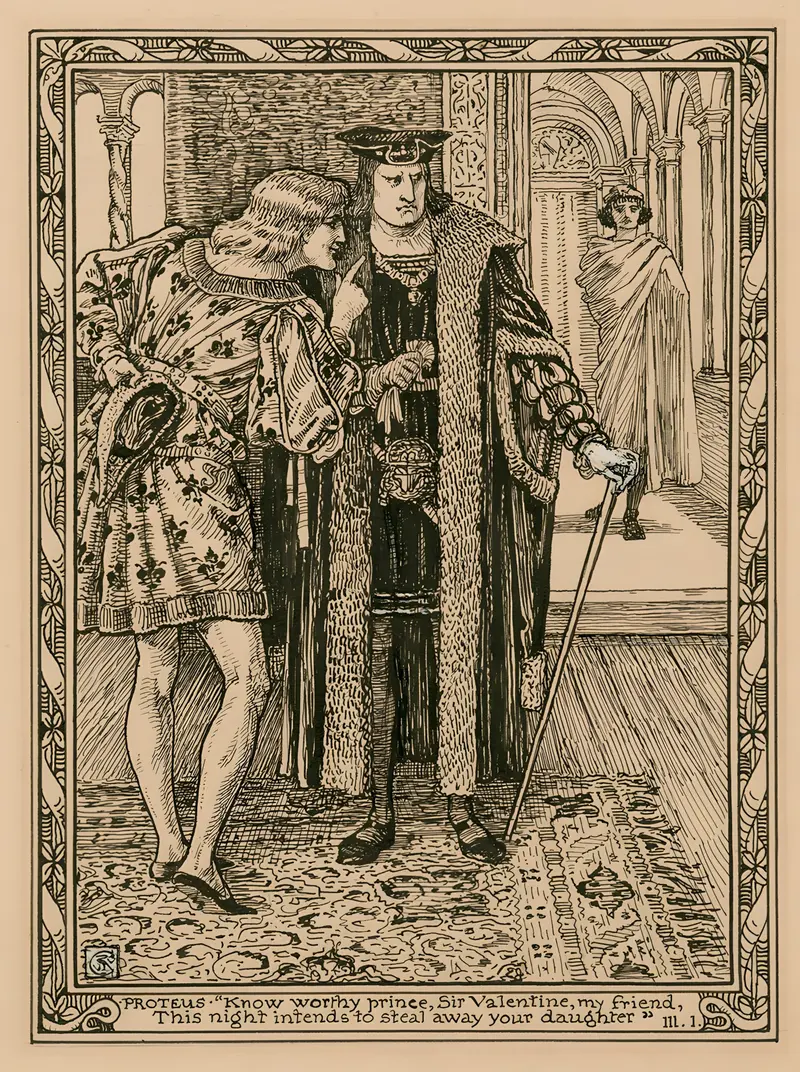
Proteus; ‘Know worthy prince, Sir Valentine, my friend, this night intends to steal away your daughter’, III, 1
Walter Crane
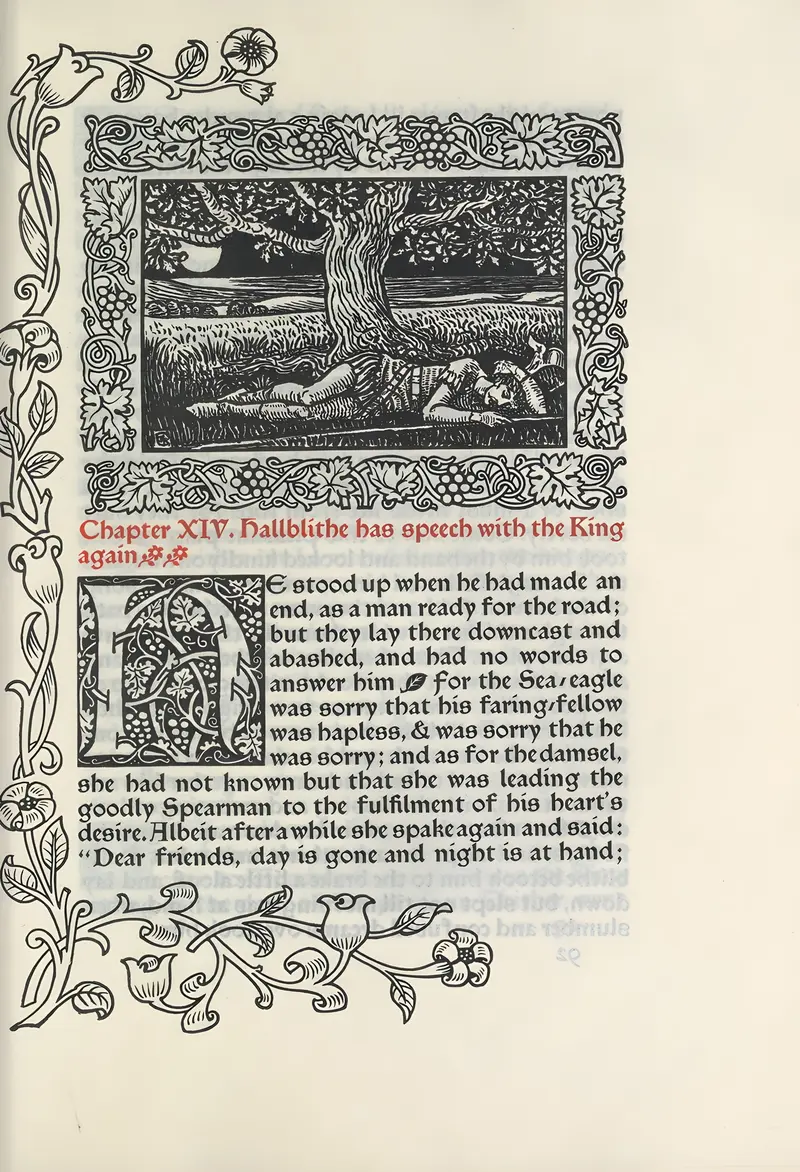
Chapter XIV. Hallblithe has speech with the King again
Walter Crane
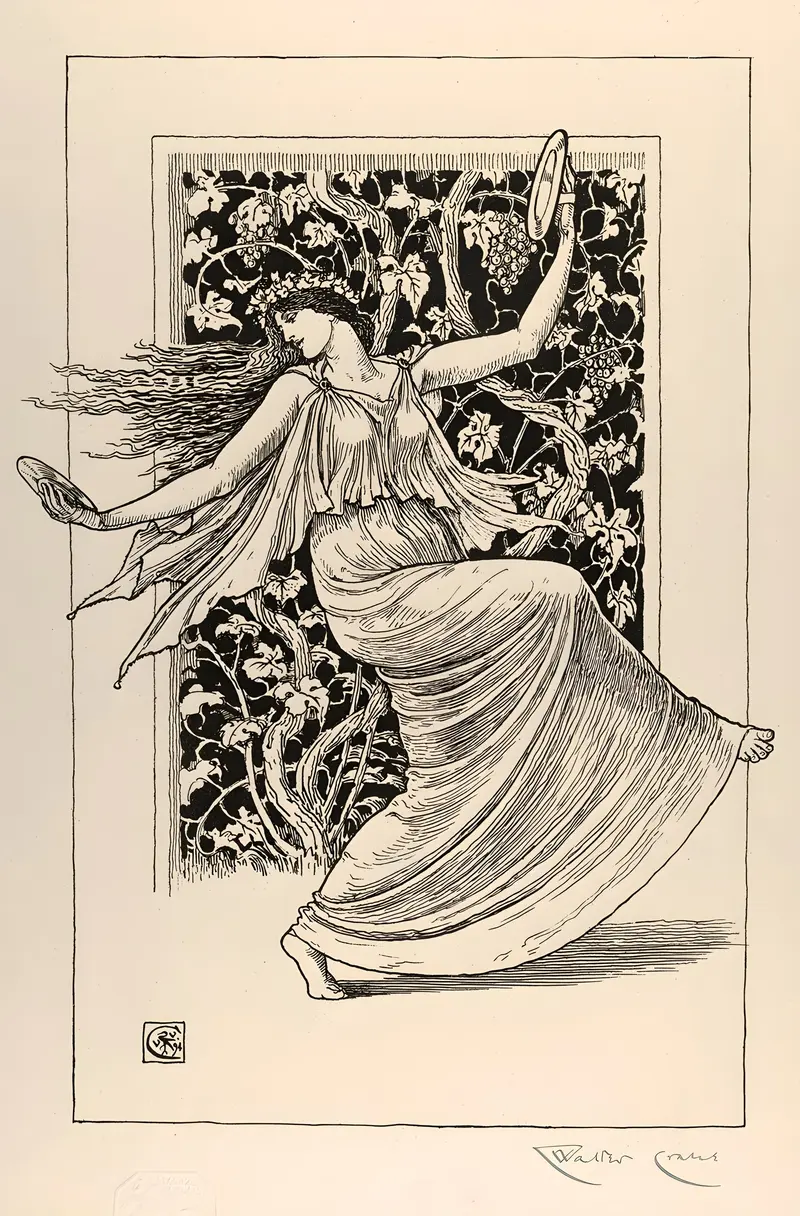
Dancing Nymph
Walter Crane
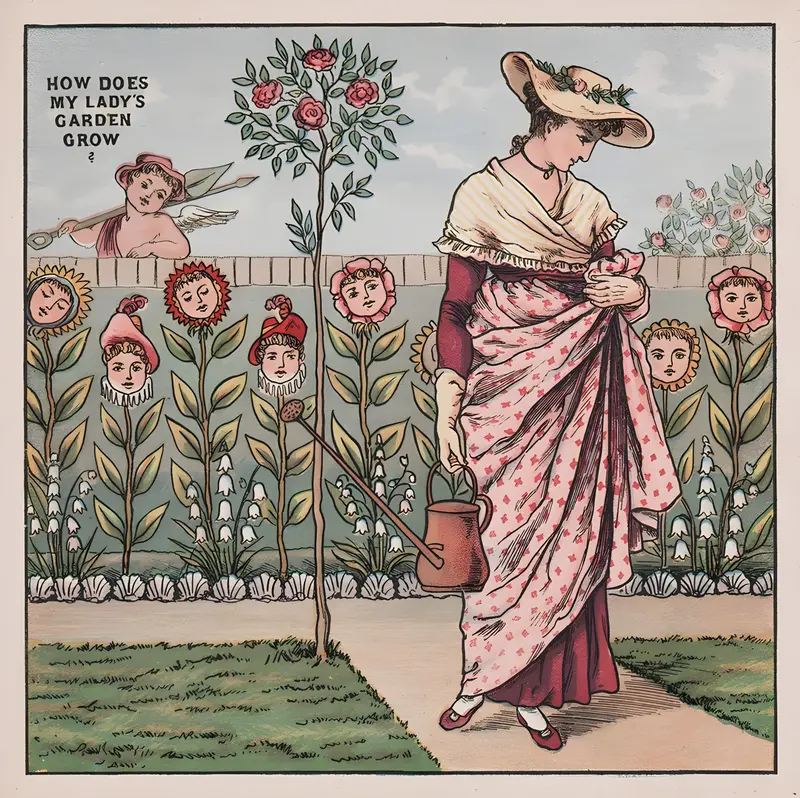
How does my lady’s garden grow
Walter Crane
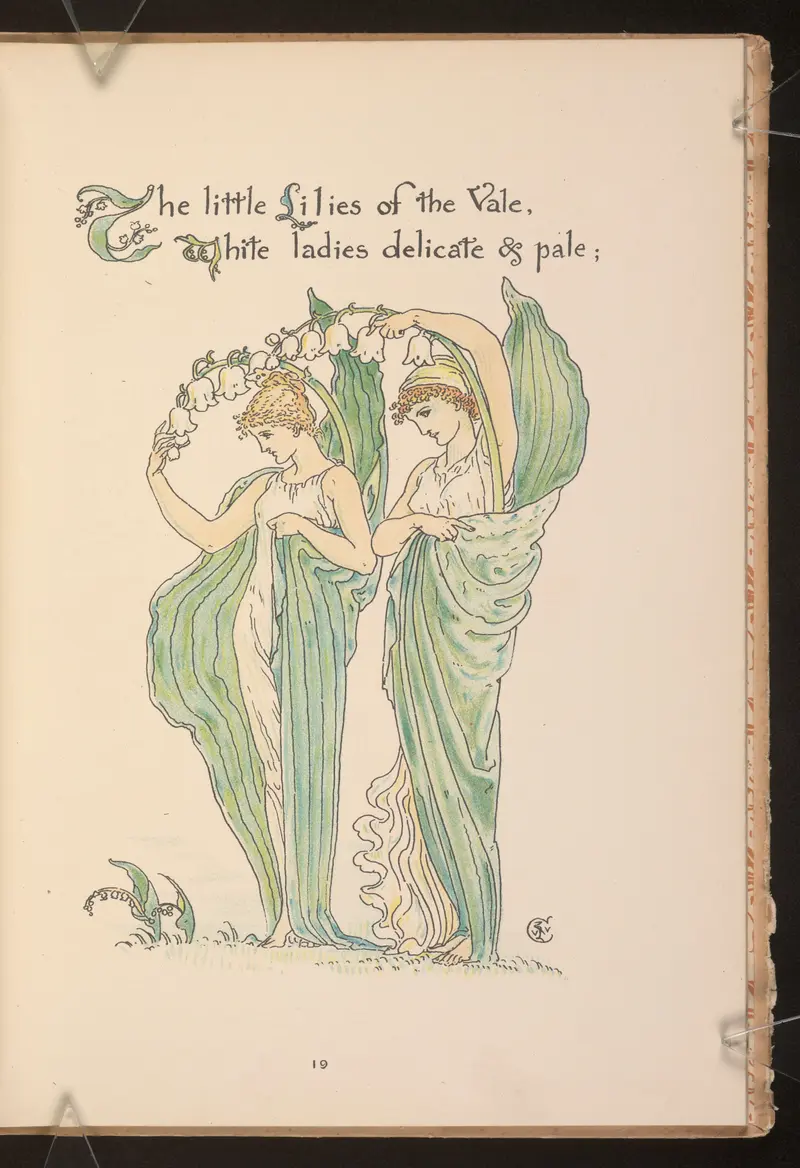
Flora’s feast; A masque of flowers Pl.19
Walter Crane
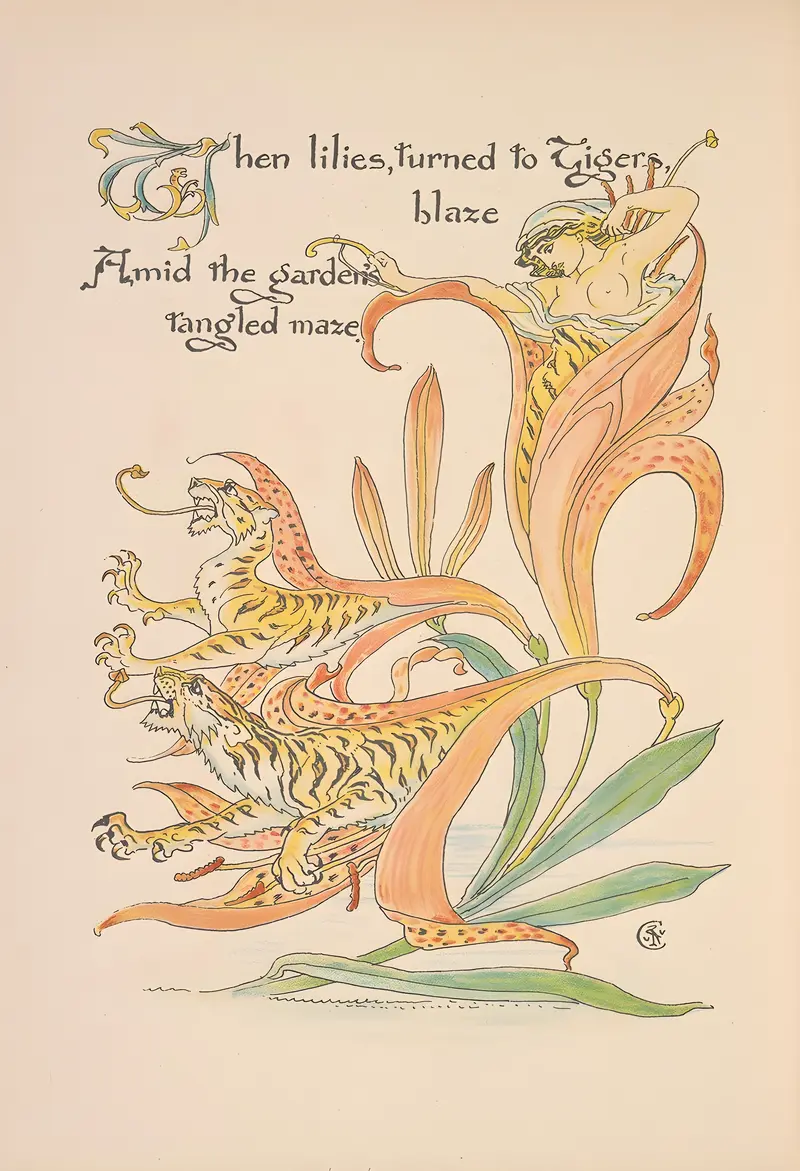
Flora’s feast; A masque of flowers Pl.34
Walter Crane
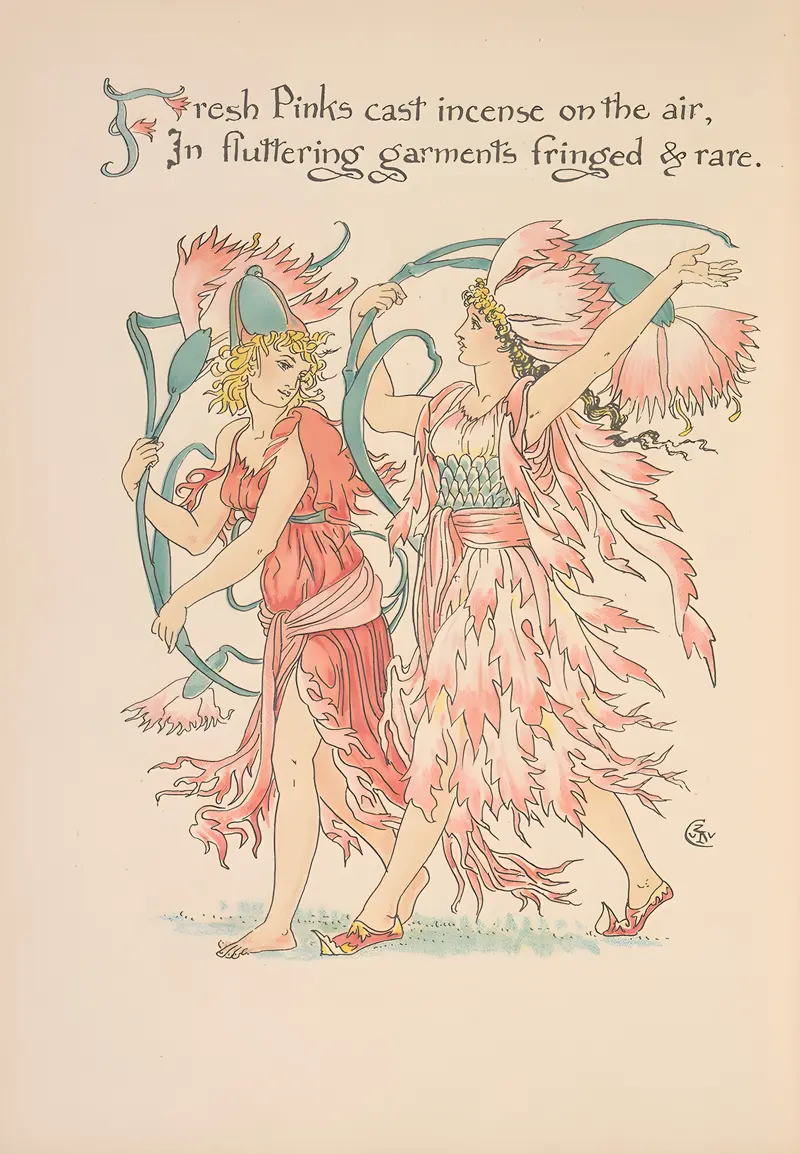
Flora’s feast; A masque of flowers Pl.29
Walter Crane





