
Snowfall — History & Facts
What if beauty was never meant to be finished? In Snowfall, the delicate balance between the ethereal and the ephemeral invites contemplation of our mortality and the fleeting nature of existence. Look to the center where a gentle swirl of snowflakes descends upon a tranquil landscape. The soft whites and greys dominate the canvas, creating a muted harmony that pulls the viewer into the serene stillness. Notice how the interplay between light and shadow paints a sense of depth, revealing undulating hills that seem both alive and dormant.
The brushwork is fluid, almost dreamlike, reflecting the transient beauty of a winter's day, as if Nordström captured the very essence of a moment that is simultaneously vivid and fleeting. Within this serene tableau lies a tension between tranquility and change. The snow, both a blanket of peace and a harbinger of cold, whispers of the cycles of life and death. Each flake represents a fleeting moment, as beautiful as it is temporary, reminding us that beauty often resides in the act of being rather than permanence.
The muted palette enhances this feeling, evoking a sense of introspection where the viewer contemplates their own journey through the seasons of life. Created in 1903, this piece emerged during a time when the artist was deeply influenced by the Symbolist movement, which sought to evoke mood and emotion through color and form. Nordström, working in Sweden, was exploring the intersection of nature and human experience, painting in a style that reflected both personal and national identity amidst a rapidly modernizing world. In this context, Snowfall stands as a poignant reflection on the beauty of fleeting moments, encapsulating the transient nature of life itself.
More Artworks by Karl Nordström
Browse all →
Kyrkesund
Karl Nordström
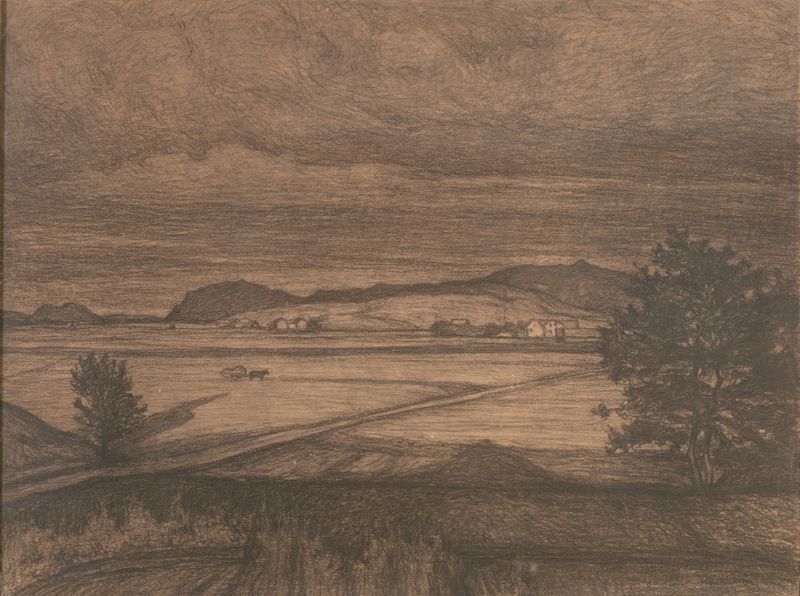
Högadal on Tjörn
Karl Nordström

Scene from Tjörn
Karl Nordström

The Surf
Karl Nordström
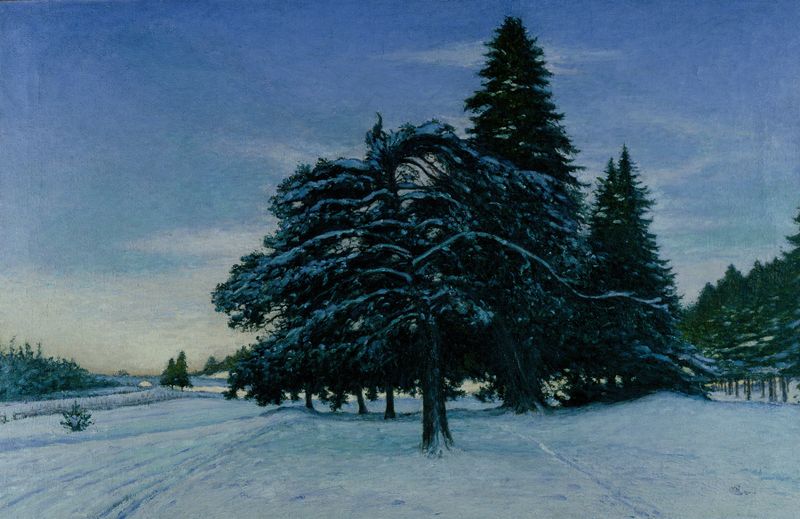
Winter’s Day at Uggleviken
Karl Nordström
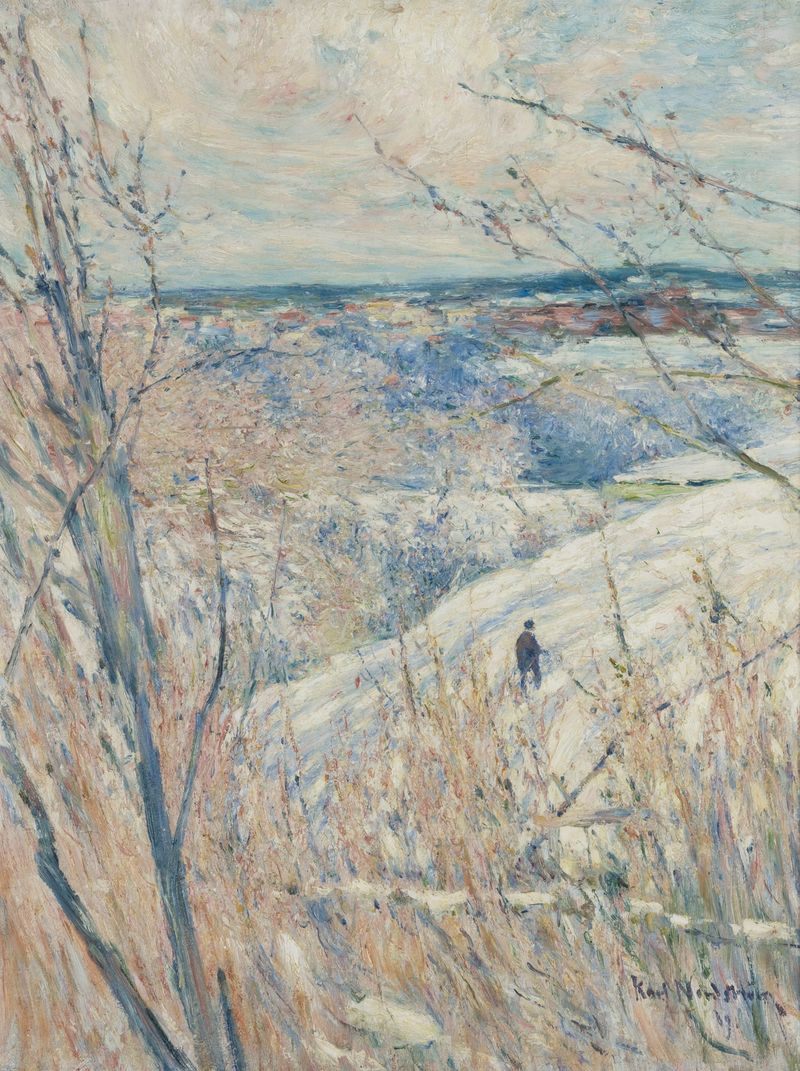
Winter
Karl Nordström

Fishing Boat
Karl Nordström

Hoga Valley, Tjörn
Karl Nordström

Roslag Street, Stockholm
Karl Nordström
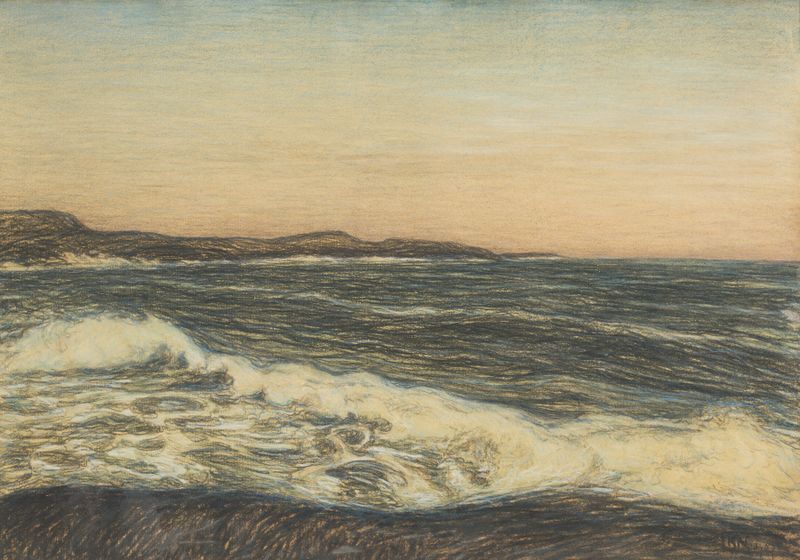
Seashore and Ground-Swell
Karl Nordström





