
Snowstorm, Mont Cenis — History & Facts
Can paint confess what words never could? In the swirling chaos of a tempest, Snowstorm, Mont Cenis reveals a world where nature's might commands reverence and fear, urging us to confront our deepest faith amid turmoil. Focus first on the tumultuous clouds that clash violently at the canvas's apex, a maelstrom of grays and blues that captures the essence of a fierce storm. Draw your gaze down to the distant silhouette of Mont Cenis, struggling to maintain its stoic presence against the onslaught of nature. The raw energy of the brushstrokes contrasts sharply with the delicate figures of travelers bravely navigating the treacherous landscape, their fragile forms dwarfed by the vast, overwhelming expanse.
Light ebbs and flows, shifting between ominous shades and bursts of ethereal brightness, compelling us to witness the struggle between despair and hope. Within the work lies a poignant tension between man and nature, suggesting an existential battle played out beneath the snowy veil. The figures, barely discernible against the fury of the storm, embody vulnerability in a world beyond their control – a powerful reminder of faith amid uncertainty. Turner’s choice of colors and movement imbues the scene with both despair and beauty, hinting at the divine amidst chaos and prompting introspection about the human spirit’s resilience. In 1820, Joseph Mallord William Turner painted this masterpiece during a period of personal and professional challenges; he was grappling with the loss of his father while concurrently rising in the art world.
Amidst the Romantic movement's quest for emotional expression, he sought to capture the sublime forces of nature, reflecting both the contemporary fascination with the sublime and his inner turmoil.
More Artworks by Joseph Mallord William Turner
Browse all →
Dort or Dordrecht- The Dort Packet-Boat from Rotterdam Becalmed
Joseph Mallord William Turner
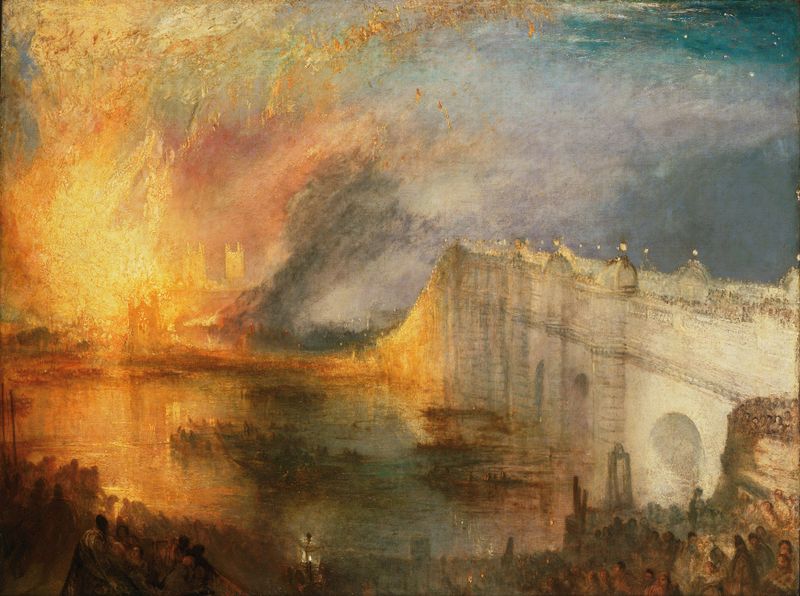
The Burning of the Houses of Lords and Commons, October 16, 1834
Joseph Mallord William Turner
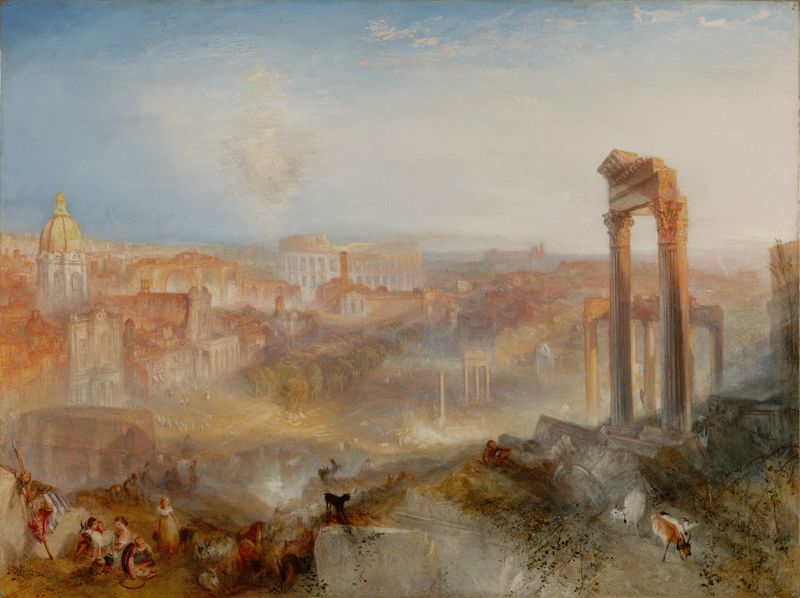
Modern Rome – Campo Vaccino
Joseph Mallord William Turner
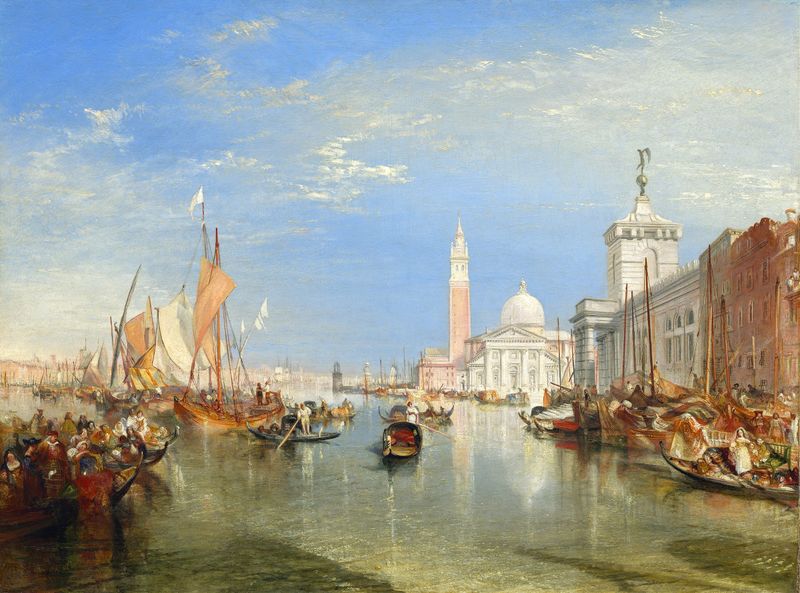
Venice – The Dogana and San Giorgio Maggiore
Joseph Mallord William Turner

The Burning of the Houses of Lords and Commons, 16 October 1834
Joseph Mallord William Turner
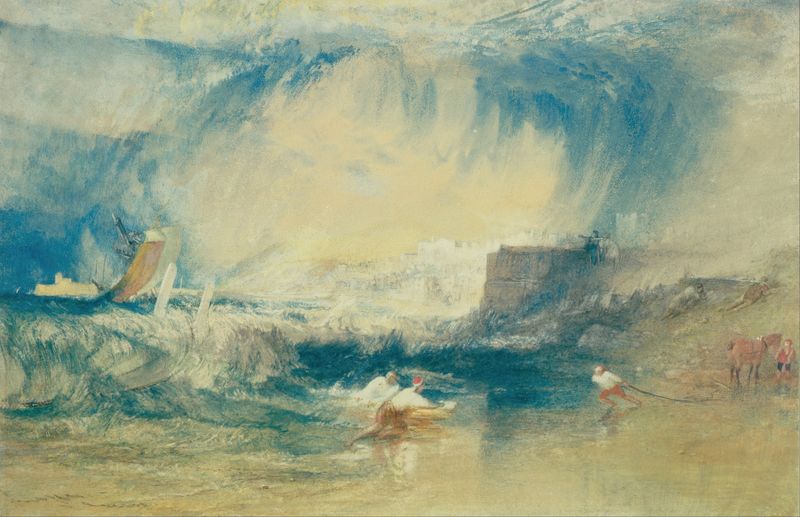
Lyme Regis, Dorsetshire, England
Joseph Mallord William Turner
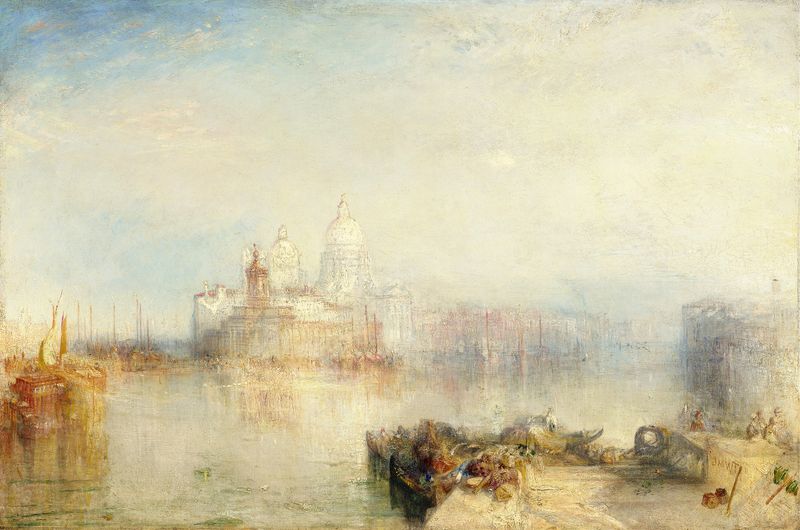
The Dogana and Santa Maria della Salute, Venice
Joseph Mallord William Turner
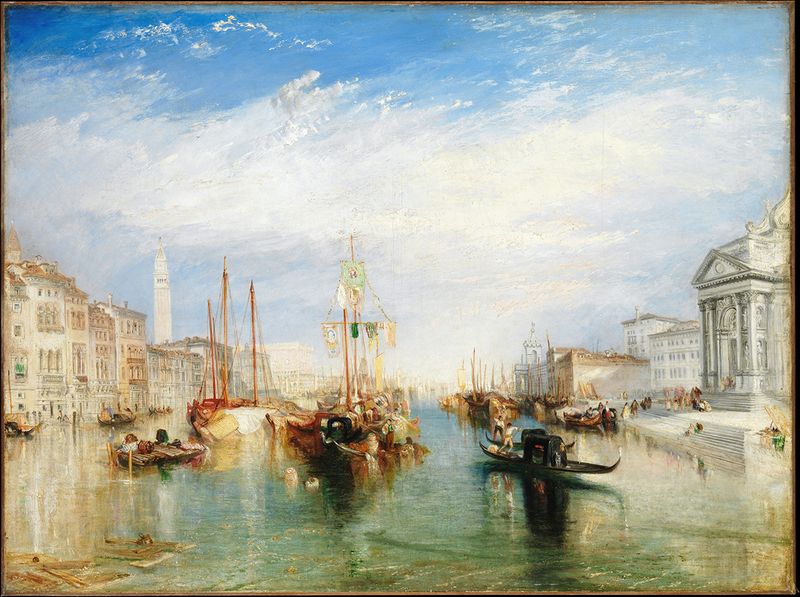
Venice, from the Porch of Madonna della Salute
Joseph Mallord William Turner
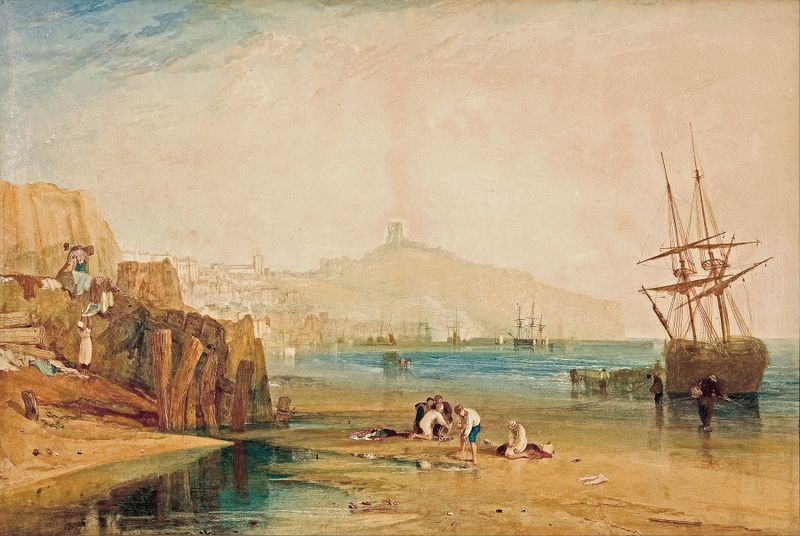
Scarborough town and castle; morning; boys catching crabs
Joseph Mallord William Turner
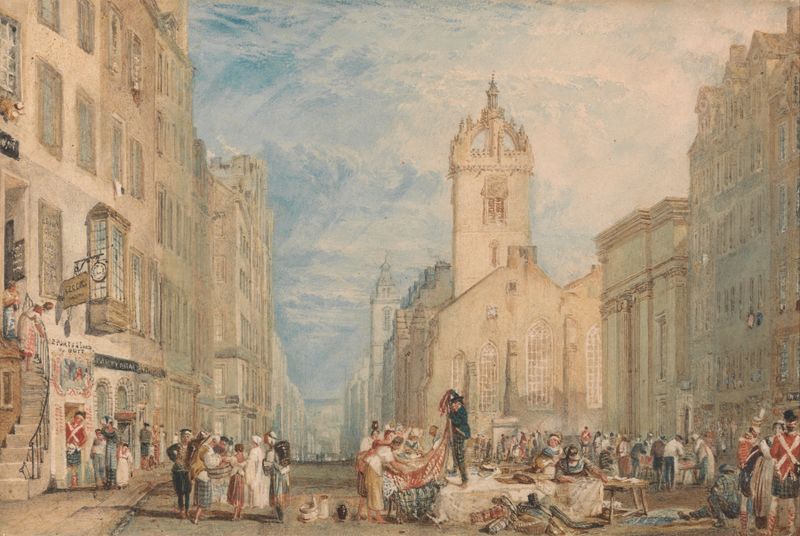
High Street, Edinburgh
Joseph Mallord William Turner





