
Solitude. Recollection of Vigen, Limousin — History & Facts
Can beauty exist without sorrow? In Solitude. Recollection of Vigen, Limousin, the haunting serenity of a solitary landscape evokes a profound sense of loss and reflection, inviting viewers to ponder the interplay between memory and the passage of time. Look to the center of the painting, where a delicate figure stands beneath a vast sky, surrounded by the lush yet melancholic foliage of Limousin. The gentle brushwork creates an ethereal quality, the colors harmoniously blended—muted greens and soft grays dominate, punctuated by hints of warm sunlight filtering through the trees.
Notice how the figure, almost enveloped by nature, seems both at home and utterly alone, embodying the duality of solitude: the comfort of isolation intertwined with a deeper ache. Delve into the details of the landscape—the winding path that beckons yet leads nowhere, the trees that stand resolute and silent like witnesses to a fading memory. The juxtaposition of the figure's stillness against the vibrant life around them emphasizes an emotional contrast; they are a part of this world, yet separated by an invisible barrier. This tension reflects the artist's exploration of legacy—what remains of us after we have departed, both physically and emotionally. In 1866, Corot painted this work amidst a flourishing period of Impressionism, where artists began to push the boundaries of light and color.
At this time, he was also navigating personal transformations, seeking to capture fleeting moments and evoke deeper sentiments. His dedication to portraying the nuances of nature and human experience remains a testament to his profound impact on the art world, one that continues to resonate with viewers today.
More Artworks by Jean-Baptiste-Camille Corot
Browse all →
View of Genoa
Jean-Baptiste-Camille Corot
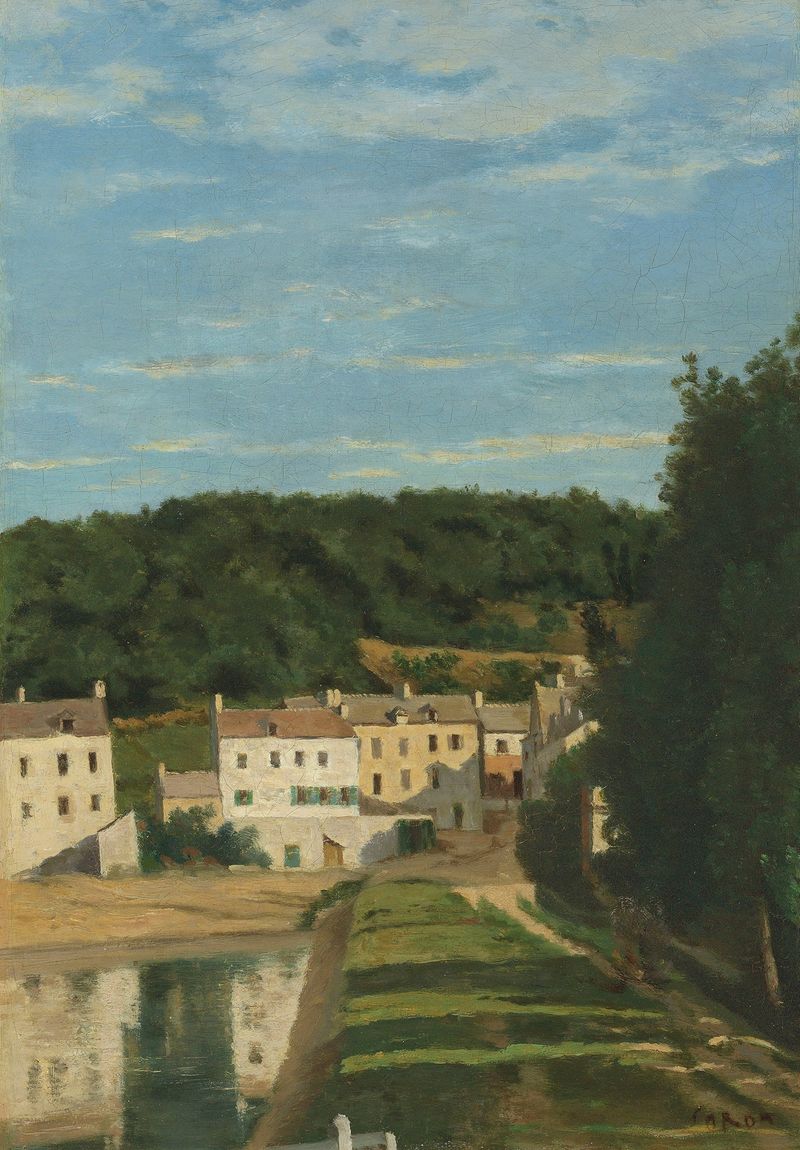
Les Maisons Cabassud À Ville D’avray
Jean-Baptiste-Camille Corot

La solitude. Souvenir de Vigen (Limousin)
Jean-Baptiste-Camille Corot
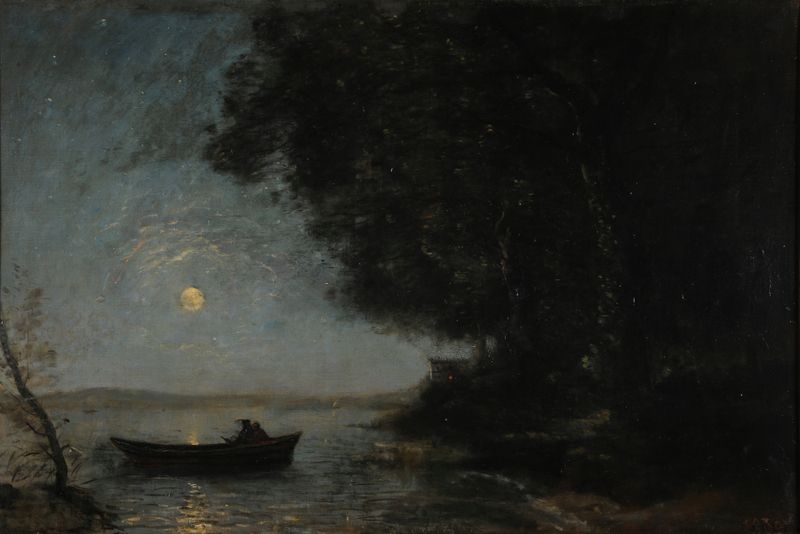
Le lac ; effet de nuit
Jean-Baptiste-Camille Corot
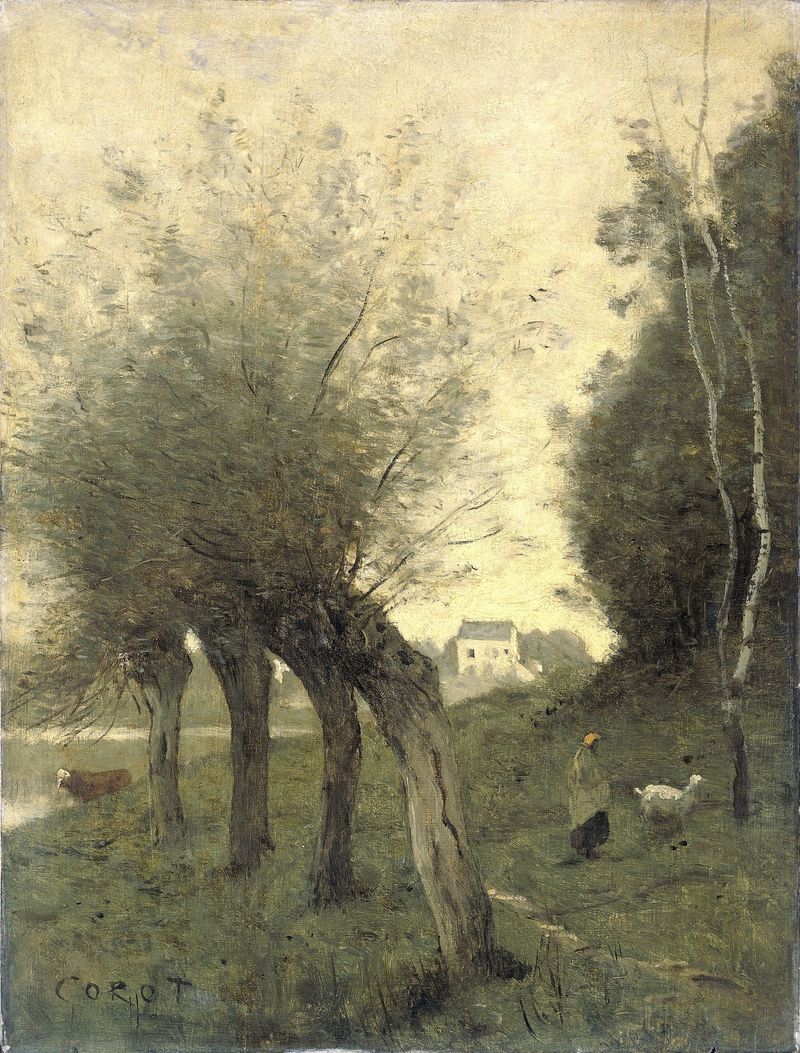
Landscape with Pollard Willows
Jean-Baptiste-Camille Corot
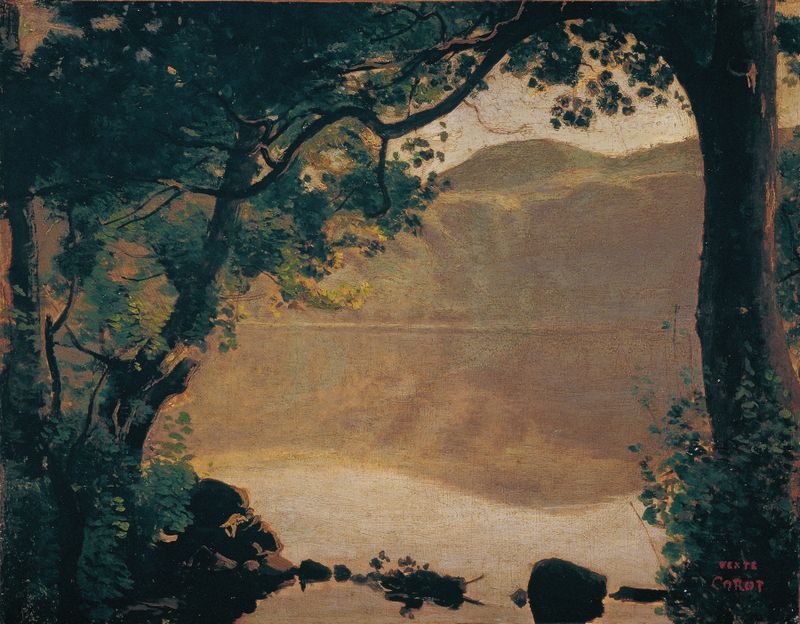
Der Nemisee
Jean-Baptiste-Camille Corot
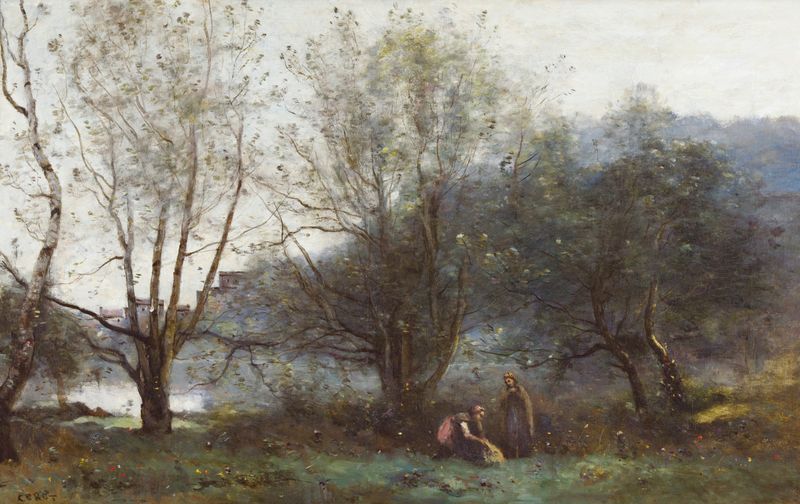
Les Étangs De Ville D’avray
Jean-Baptiste-Camille Corot
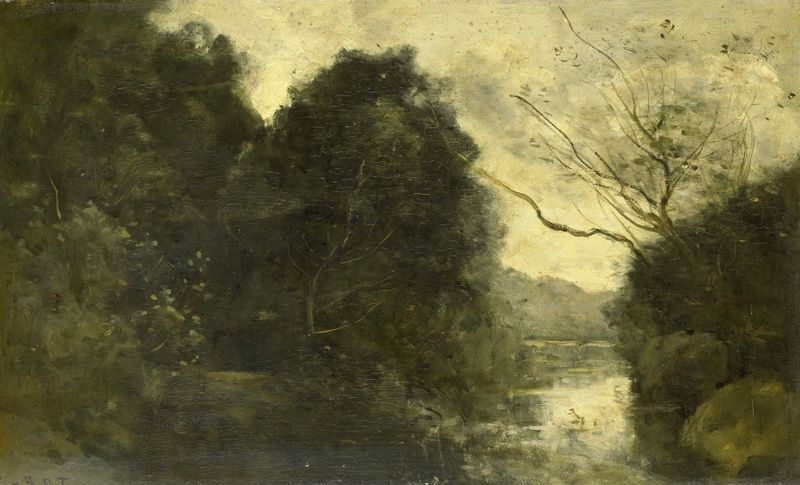
Pond in the Woods
Jean-Baptiste-Camille Corot
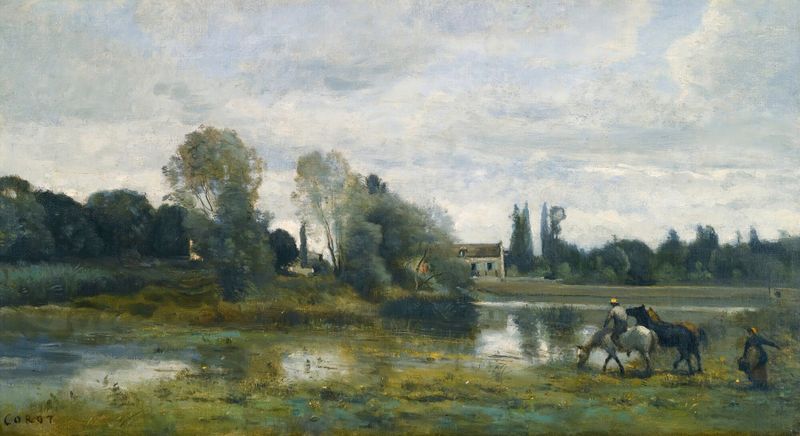
Ville D’avray; L’abreuvoir Des Chevaux
Jean-Baptiste-Camille Corot
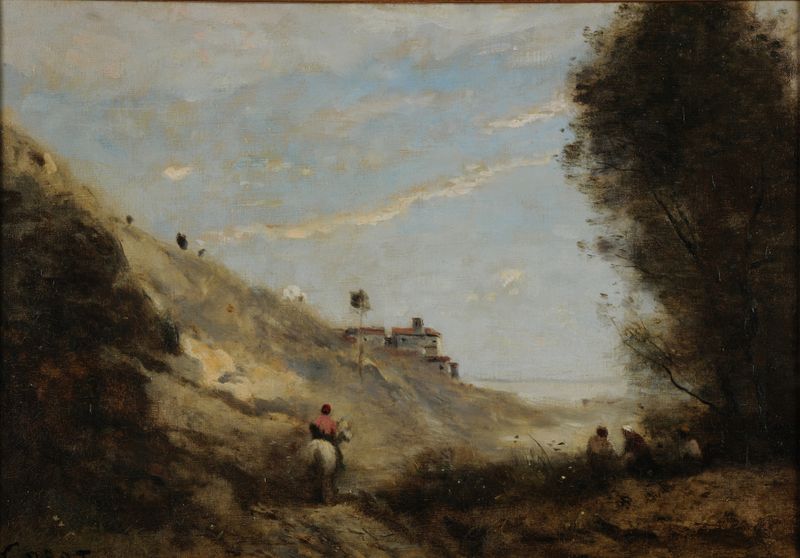
Le vallon au cavalier
Jean-Baptiste-Camille Corot





