Solstreif, Jæren — History & Analysis
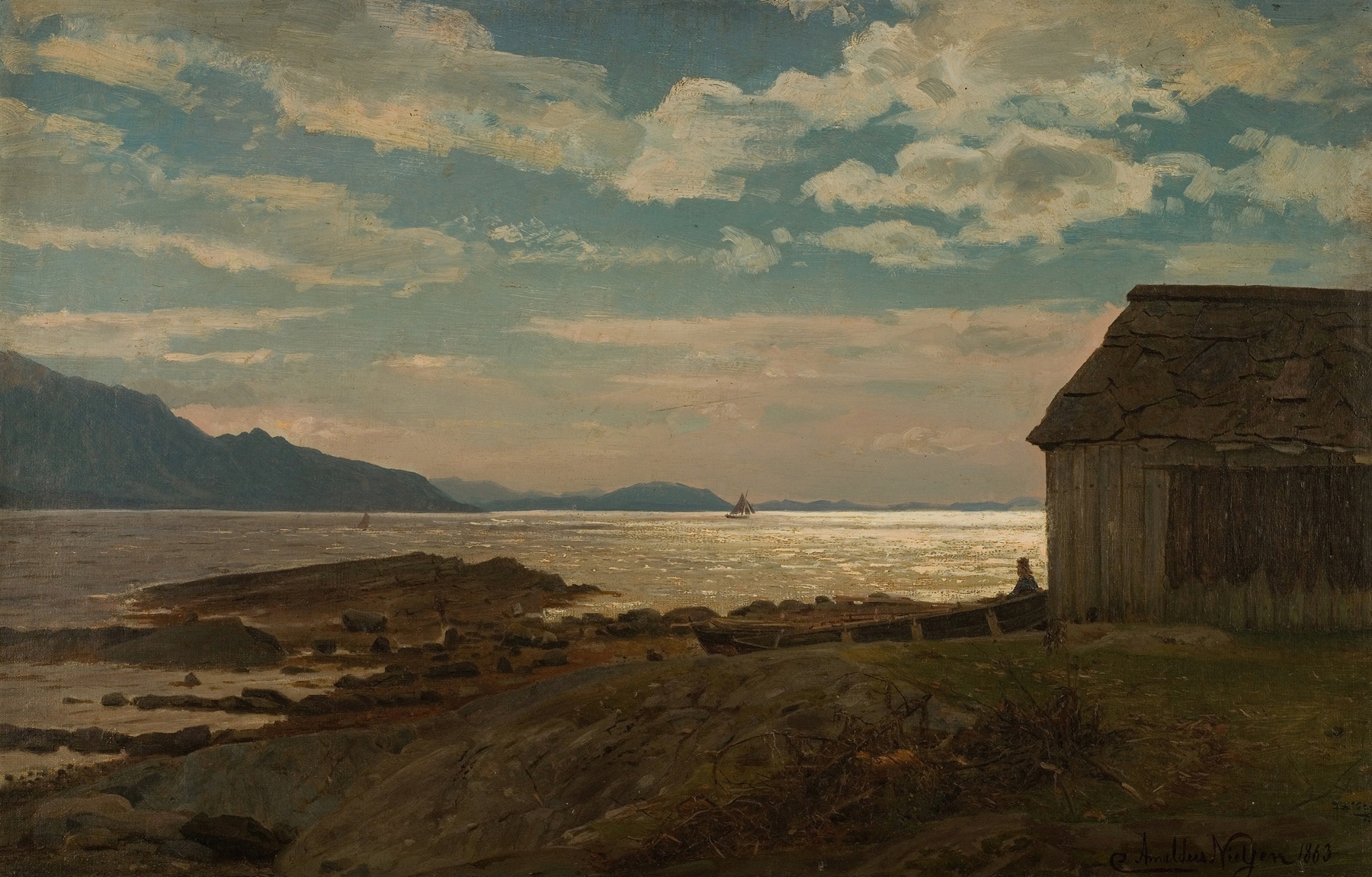
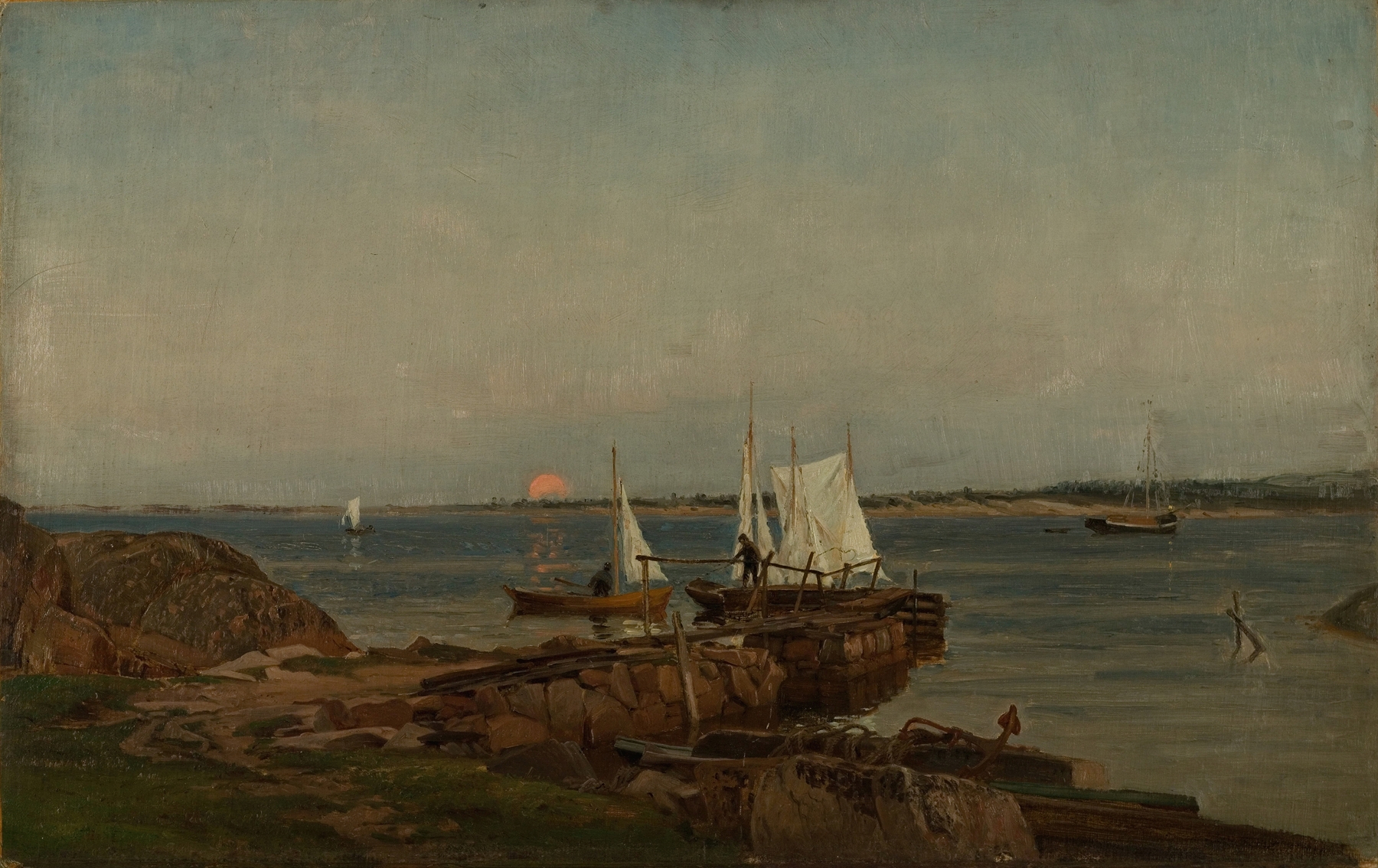
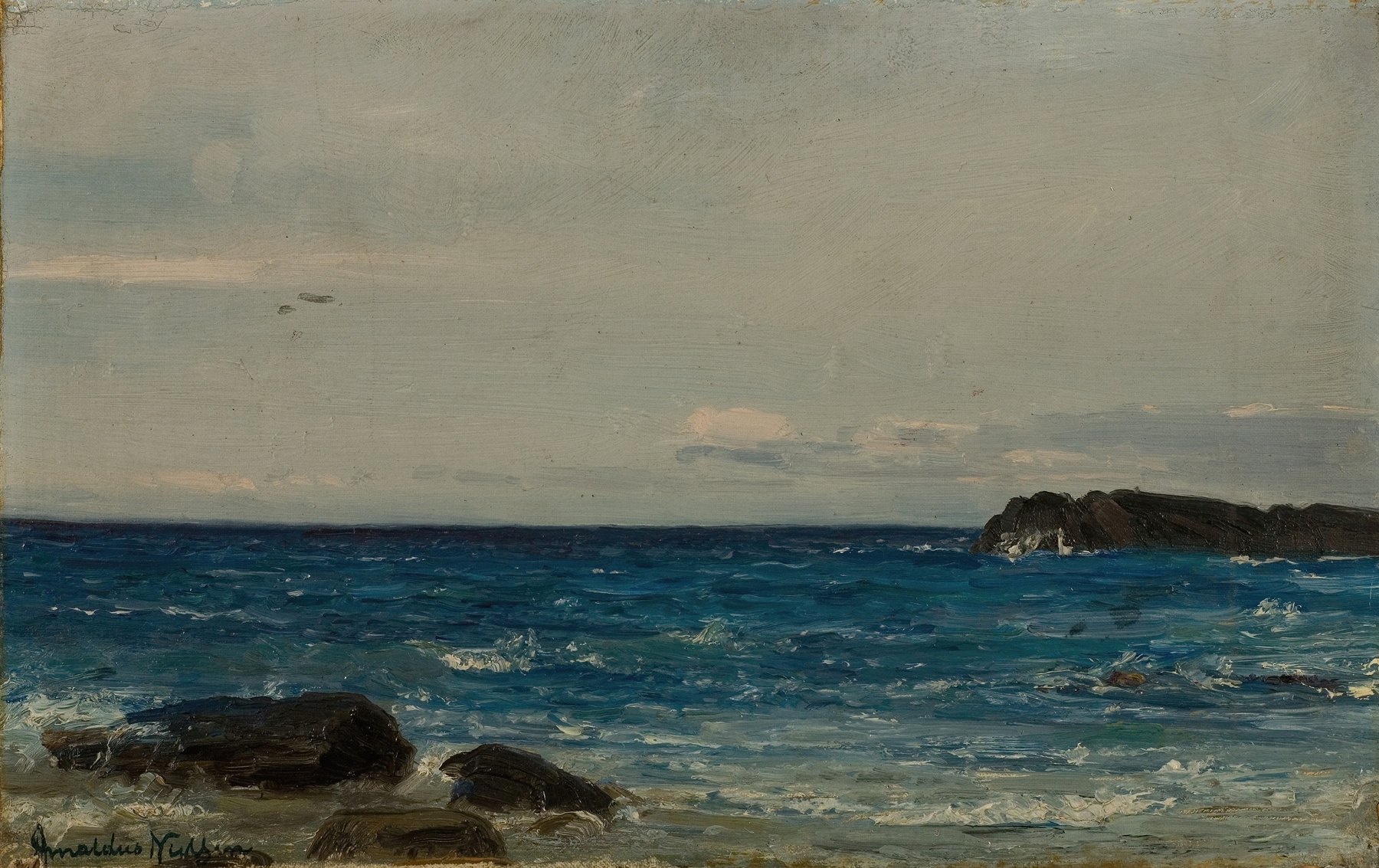
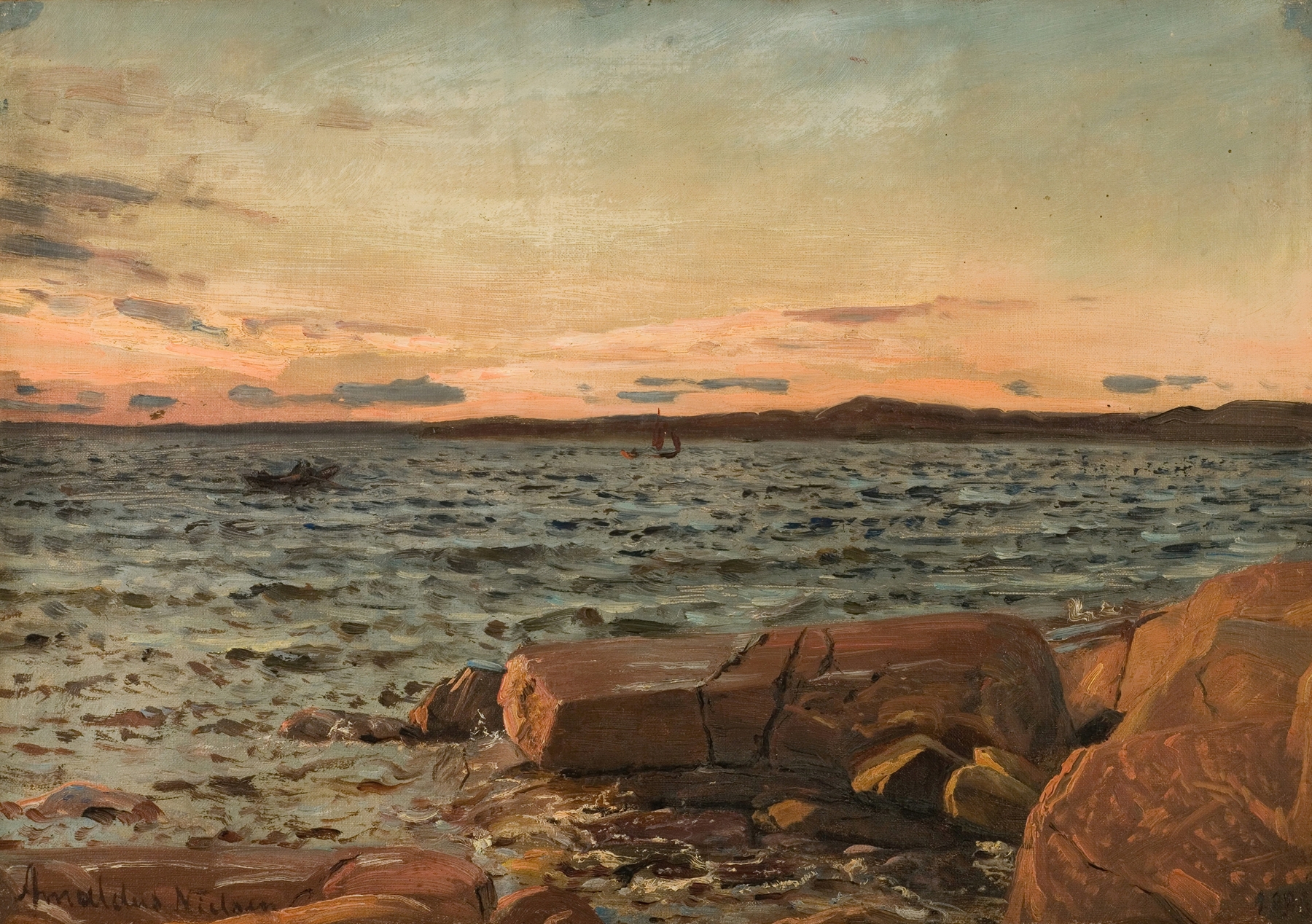
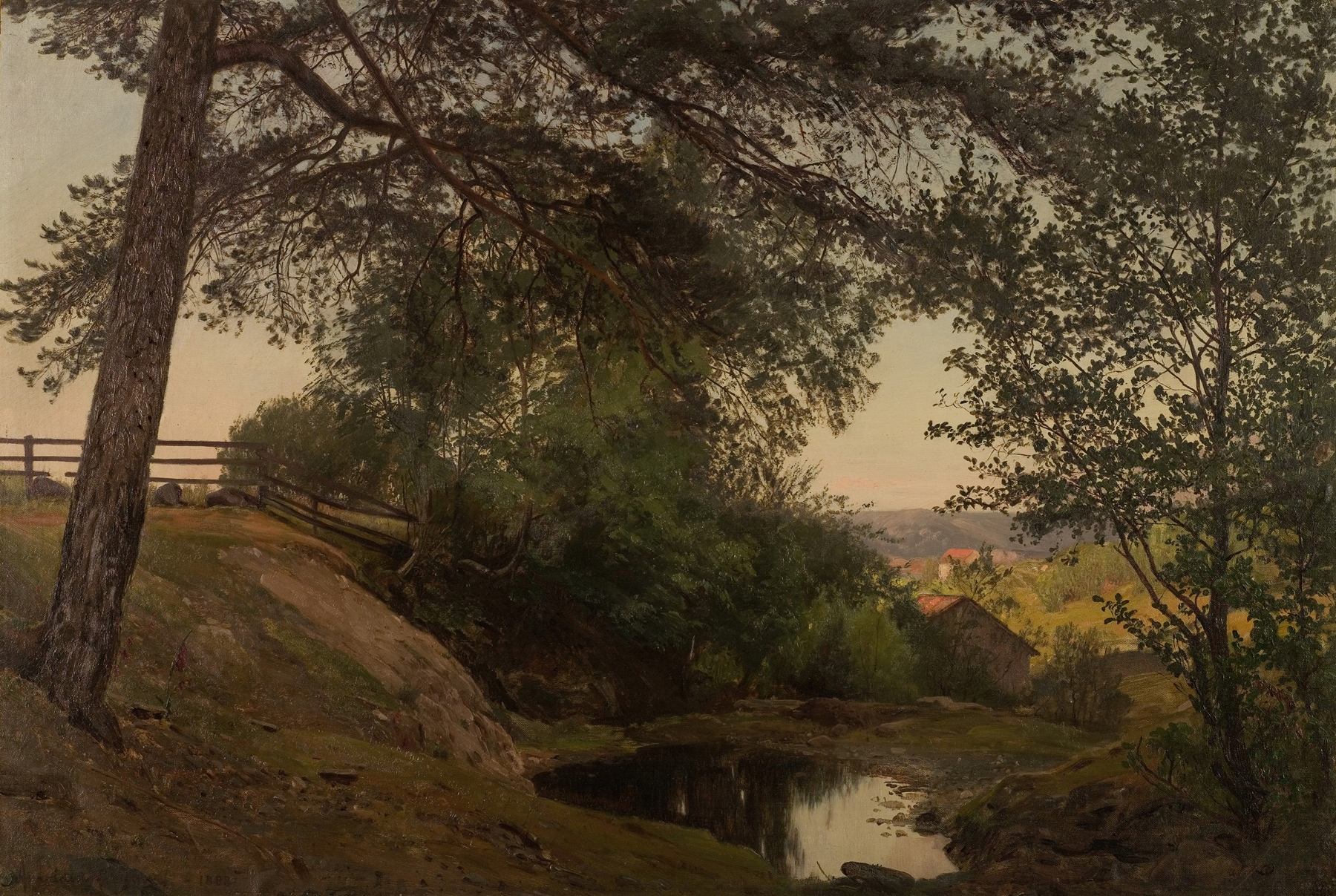
Did the painter know this moment would outlive them? In Solstreif, Jæren, the passage of time and the weight of loss meld into a fleeting stillness, capturing a world both ephemeral and eternal. Look to the left at the gentle, rolling hills bathed in golden light, where the sun breaks through the clouds, illuminating the landscape with a warm, ethereal glow. The delicate brush strokes create a soft texture that mimics the undulating grass, while the color palette—rich ochres and vibrant greens—invites the viewer to bask in the serene beauty of this rural Norwegian scene.
Notice how the light dances across the surface, casting shadows that suggest the fleeting nature of this moment. Amid this idyllic portrayal lies an undercurrent of melancholy. The soft light symbolizes hope and renewal, yet the fading horizon hints at the inevitability of loss. It’s a bittersweet reminder that beauty is transient, urging viewers to cherish the moments that pass us by.
The juxtaposition between the vivid foreground and the distant, hazy background further emphasizes the tension of presence and absence, evoking a palpable sense of longing. In 1893, during a period of personal upheaval and artistic exploration, Amaldus Nielsen found solace in the landscapes of his homeland. The natural world became a refuge, reflecting both the anxieties of a changing Europe and the burgeoning movement of Norwegian nationalism. This piece reflects not only his mastery of light and color but also his intimate connection to the land, capturing a fleeting moment that resonates with both personal and universal themes of loss.