Sorrow — History & Facts
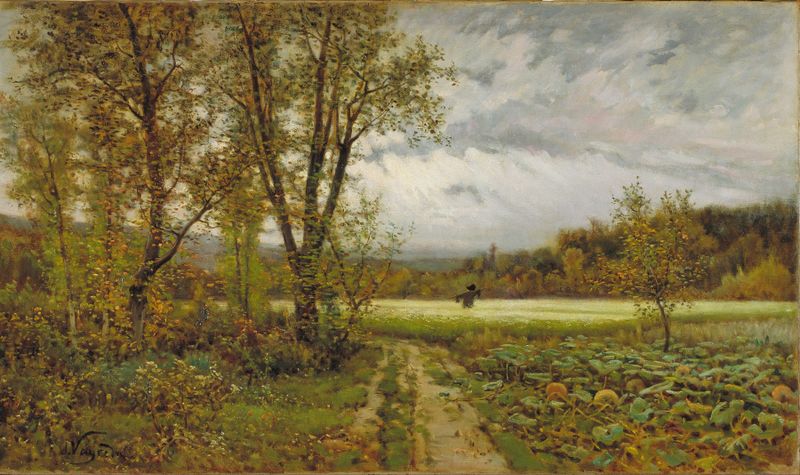
In the stillness of Sorrow, shadows dance upon the surface, weaving a narrative of unspoken pain and lingering melancholy. Look to the center where a figure, shrouded in a cloak of muted earth tones, bends slightly, as if the weight of grief presses upon their shoulders. Notice how the light, dim yet poignant, spills across the canvas, illuminating the gentle contours of the face, capturing an expression that teeters on the edge of despair. The cool palette of blues and grays envelops the scene, lending an air of solemnity, while the soft brushstrokes create a textured depth that draws the eye inward. Delve deeper into the contrasts: the soft glow of light against the oppressive darkness surrounding the figure speaks to the juxtaposition of hope and despair.
The shadows, dark and undefined, seem to breathe around the figure, suggesting the haunting presence of loss and the inescapable weight of sorrow. Every element, from the pensive posture to the quiet, watchful gaze, invites the viewer to confront their own emotions, revealing the intimate relationship between vulnerability and strength. In 1876, Joaquim Vayreda painted this evocative piece while living in Catalonia, a period marked by a burgeoning interest in realism and expressive landscapes. The artist grappled with personal challenges, channeling his emotions onto the canvas amidst a cultural shift towards more profound human experiences in art.
Sorrow stands as a poignant reflection of both his inner struggles and the broader themes of the era.