Discover insights about this artwork
Sous-Bois — History & Facts
In Sous-Bois, Paul Cézanne presents a lush woodland scene filled with vibrant greens and dappled sunlight. The painting features a variety of trees, their foliage rendered in thick, expressive brushstrokes. The interplay of light and shadow creates a sense of depth and movement within the forest.
Cézanne's use of color is particularly striking, with rich hues that evoke the natural beauty of the landscape. The painting is executed in oil on canvas, a medium that allows for the rich texture and layering of colors. Cézanne's technique involves applying paint in thick layers, creating a sense of volume and solidity in the trees and foliage. The dimensions of the work are approximately 65 x 81 cm, making it a medium-sized piece that invites close inspection.
The composition is carefully balanced, drawing the viewer's eye into the depths of the woodland. Sous-Bois was created during a pivotal time in Cézanne's career, as he was moving towards a more abstract style while still rooted in Impressionism. This work reflects his fascination with nature and his desire to capture its essence through color and form. An interesting fact about this painting is that it showcases Cézanne's innovative approach to perspective, where he often flattened the space to emphasize the two-dimensionality of the canvas.
This technique would later influence many modern artists.
More Artworks by Paul Cézanne
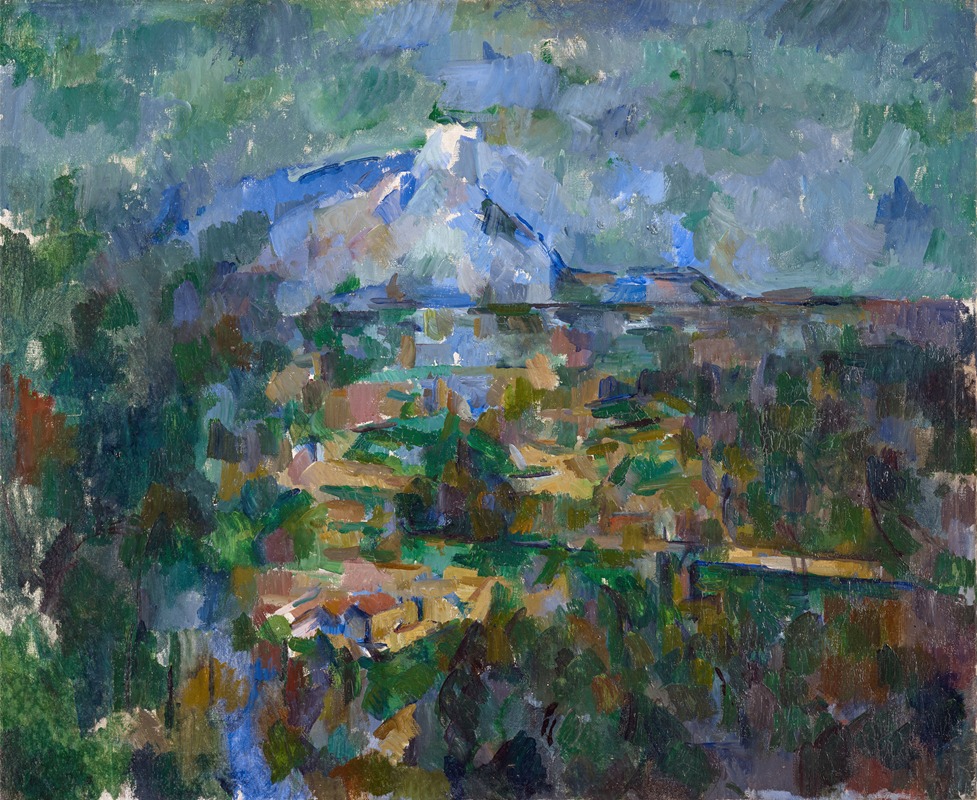
The Mont Sainte-Victoire Seen From Les Lauves
Paul Cézanne
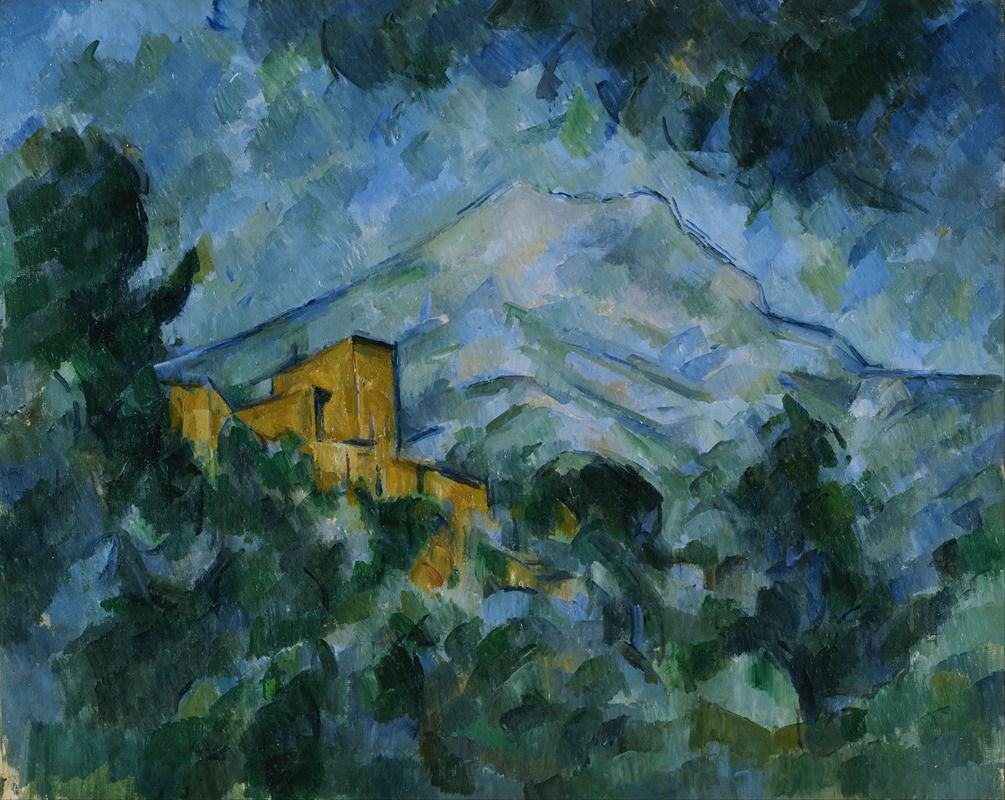
Mont Sainte-Victoire and Château Noir
Paul Cézanne
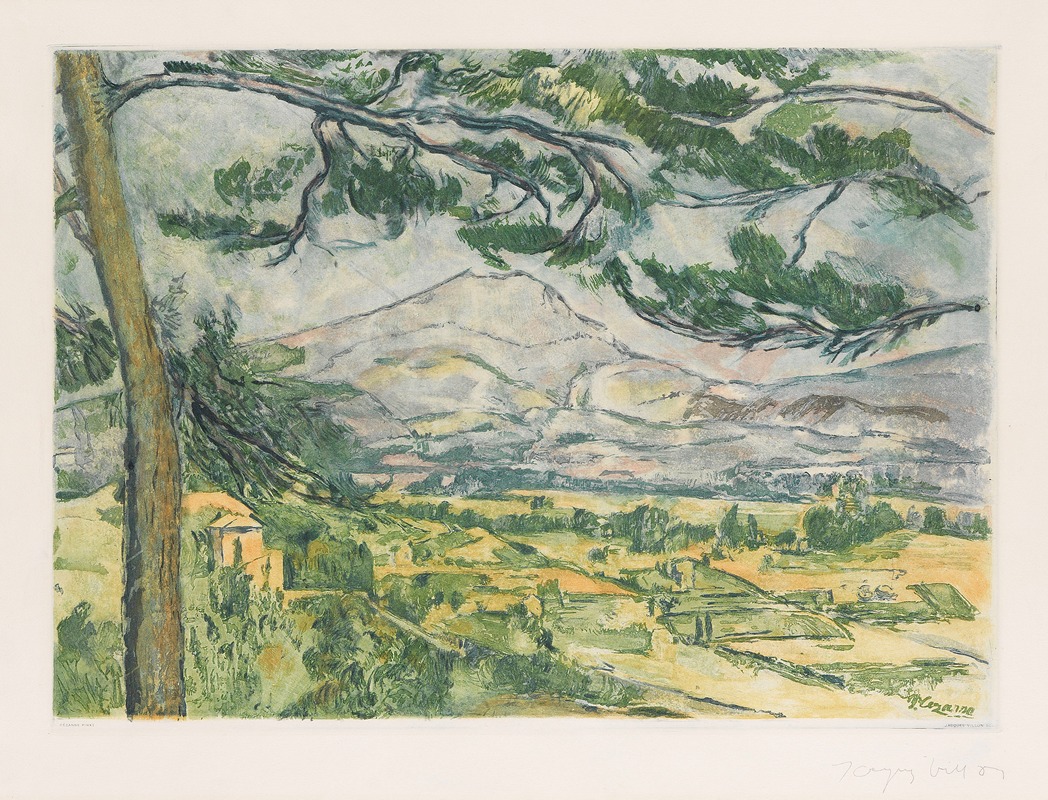
La Montagne Sainte-Victoire
Paul Cézanne
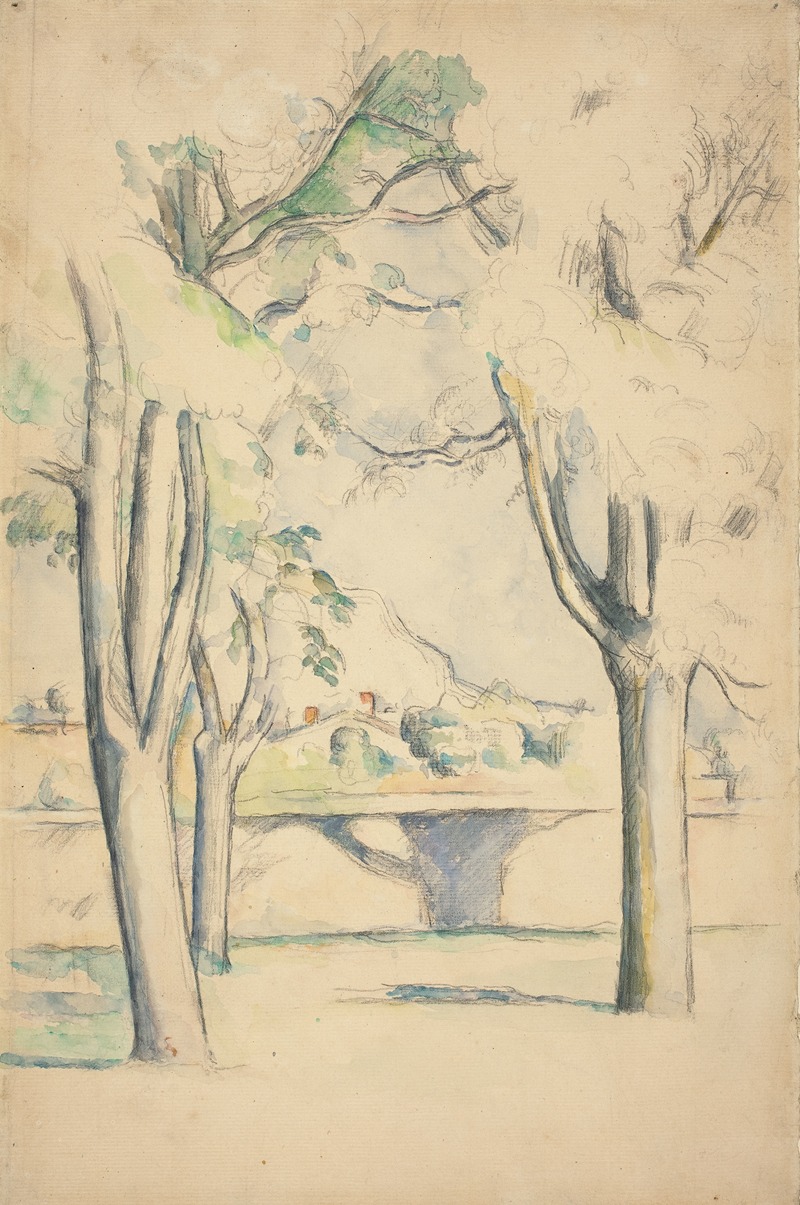
Mont Sainte-Victoire Seen beyond the Wall of the Jas de Bouffan
Paul Cézanne
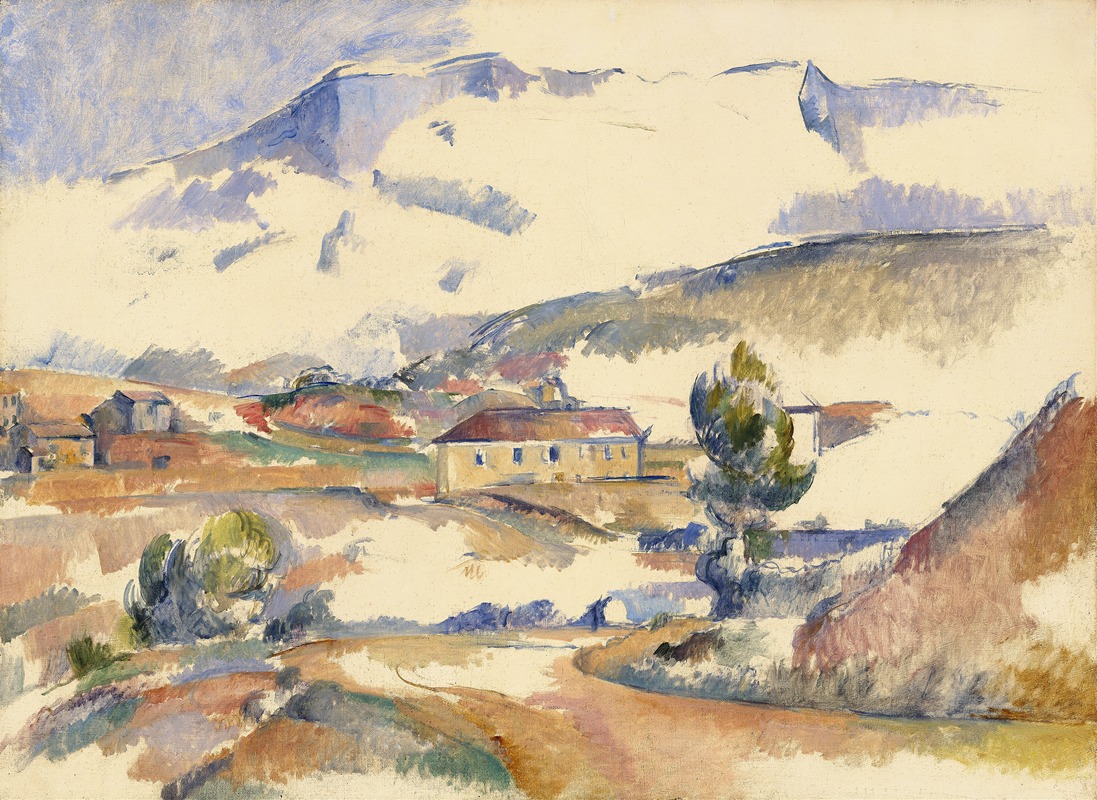
Montagne Sainte-Victoire,from near Gardanne
Paul Cézanne
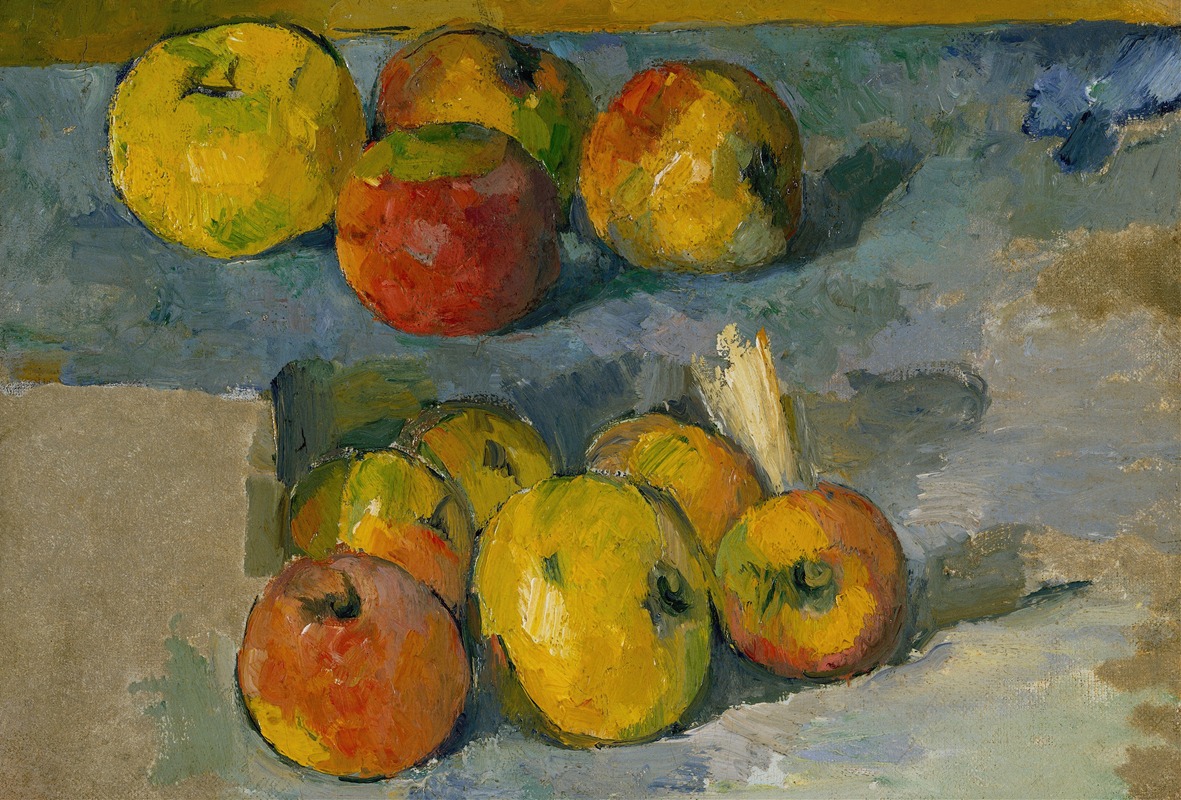
Apples
Paul Cézanne
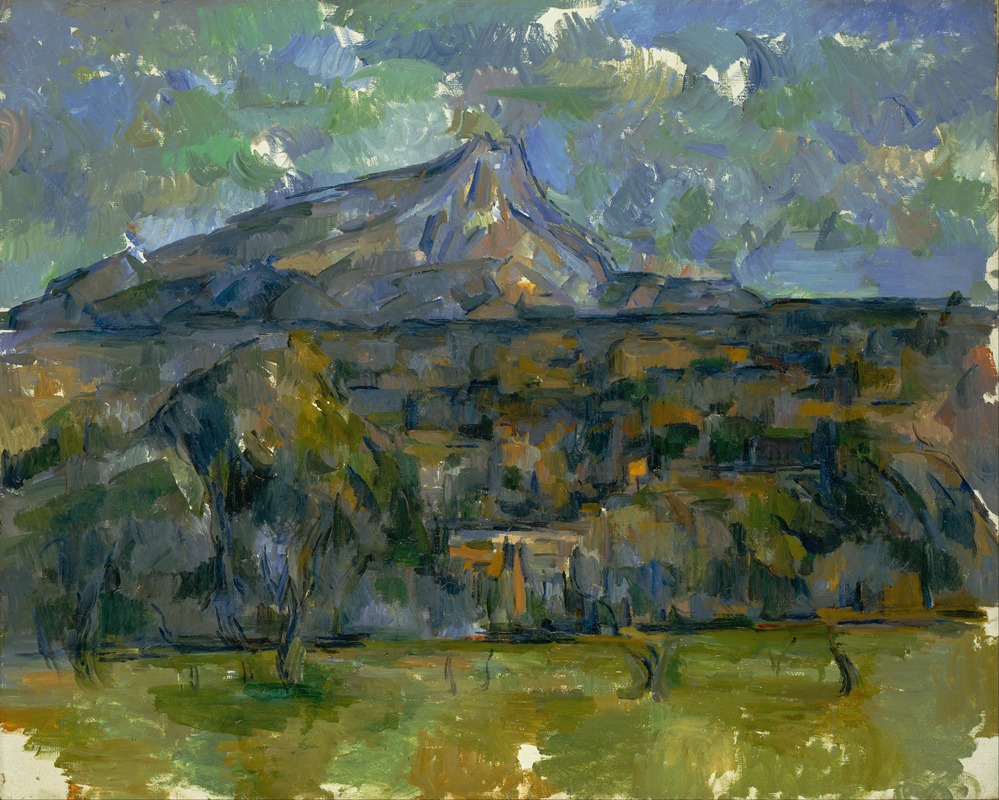
Mont Sainte-Victoire
Paul Cézanne
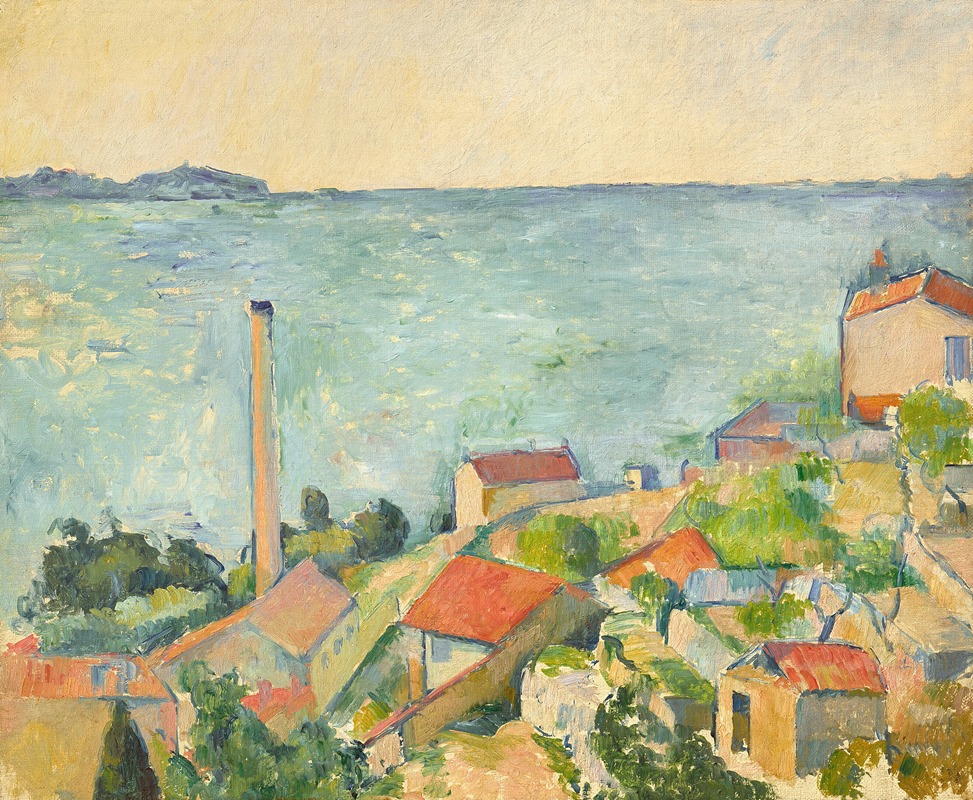
La mer à l’Estaque
Paul Cézanne
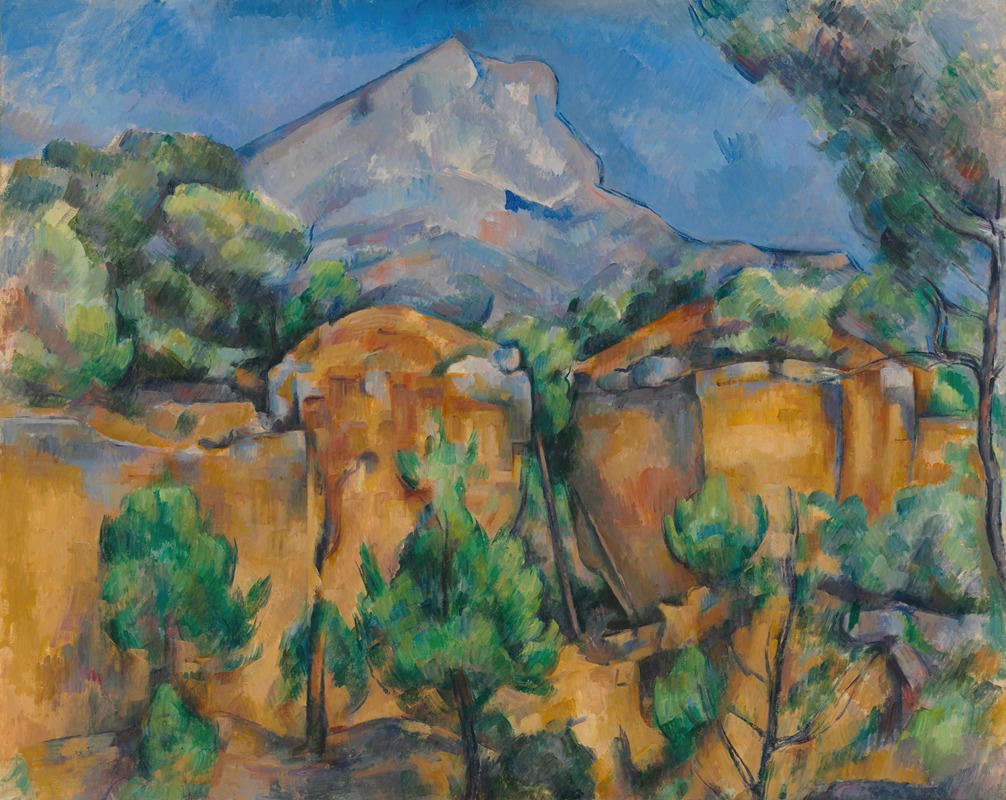
La Montagne Sainte-Victoire vue de la carrière Bibémus
Paul Cézanne
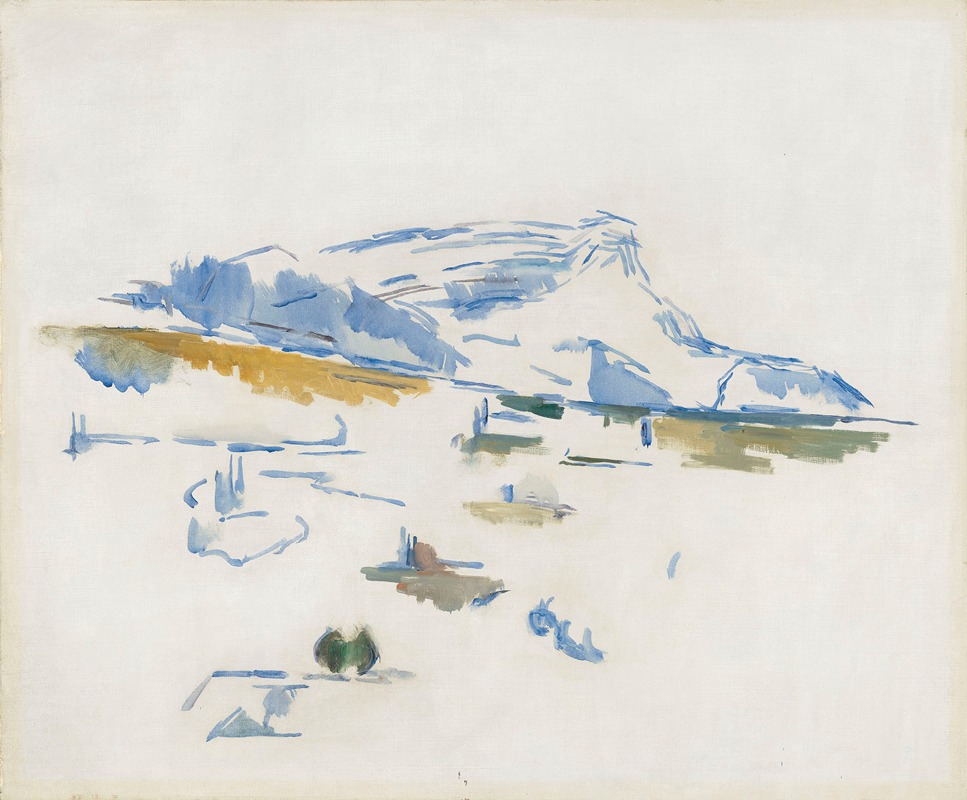
La Montagne Sainte-Victoire vue des Lauves
Paul Cézanne