
South East View of Blithfield, Staffordshire: the Seat of the Right Honourable Lord Bagot — History & Facts
Can paint confess what words never could? In the delicate strokes of Buckler's canvas, silence speaks volumes, inviting contemplation of an ever-quiet landscape. Look to the center, where the sprawling estate unfolds, framed by gentle hills. The meticulously detailed architecture reveals a blend of neoclassical elegance and rustic charm, enhancing the deep greens and earthy browns of the surrounding countryside. Notice how the sunlight bathes the façade, casting soft shadows that breathe life into this serene tableau.
The careful composition leads the eye outward, suggesting an expansive narrative that stretches beyond the canvas. Yet, beneath this idyllic exterior lies a tension between nature and civilization. The lush greenery encroaches upon the man-made structure, hinting at the inevitable return of the wild— a subtle reminder of the transience of human endeavors. The tranquil waters reflecting the sky convey both beauty and a sense of void, evoking questions of legacy and belonging.
The stillness in the air captures a fleeting moment, inviting viewers to ponder what has been lost in the passage of time. John Buckler painted this work in 1823, during a period of significant change in Britain. As industrialization began to reshape the landscape, the artist found himself immersed in the romantic ideals of nature and heritage. This painting not only serves as a tribute to the estate of Lord Bagot but also reflects a broader cultural preoccupation with the preservation of history amidst the encroaching modern world, leaving a quiet yet poignant mark in the artistic canon.
More Artworks by John Buckler
Browse all →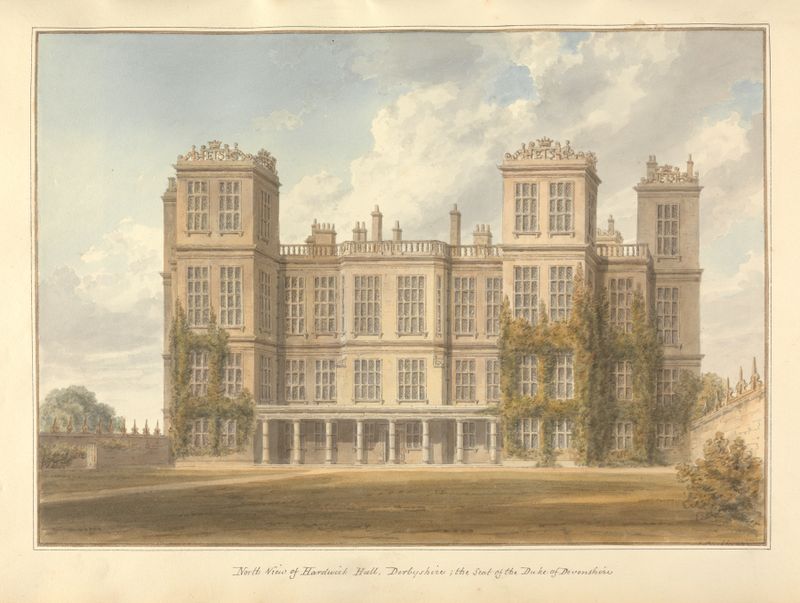
North View of Hardwick Hall, Derbyshire: the Seat of the Duke of Devonshire
John Buckler
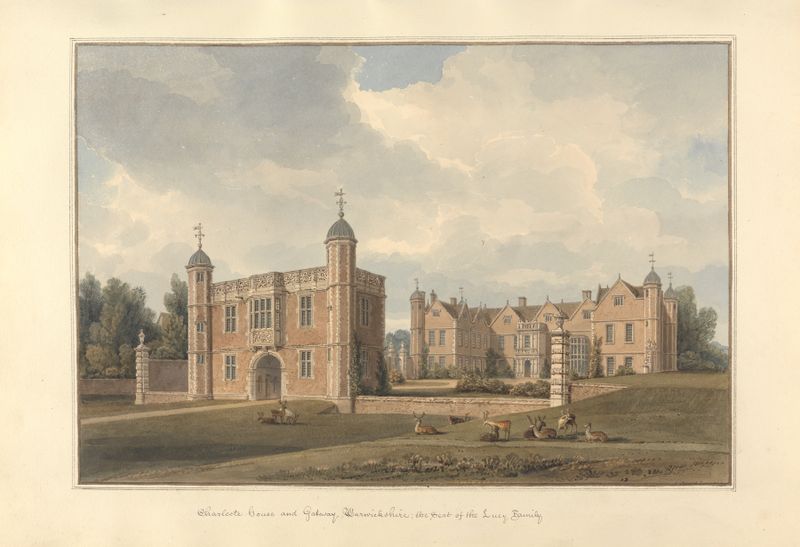
Charlcote house and Gateway, Warwickshire: the Seat of the Lucy Family
John Buckler

North East View of Holland House
John Buckler
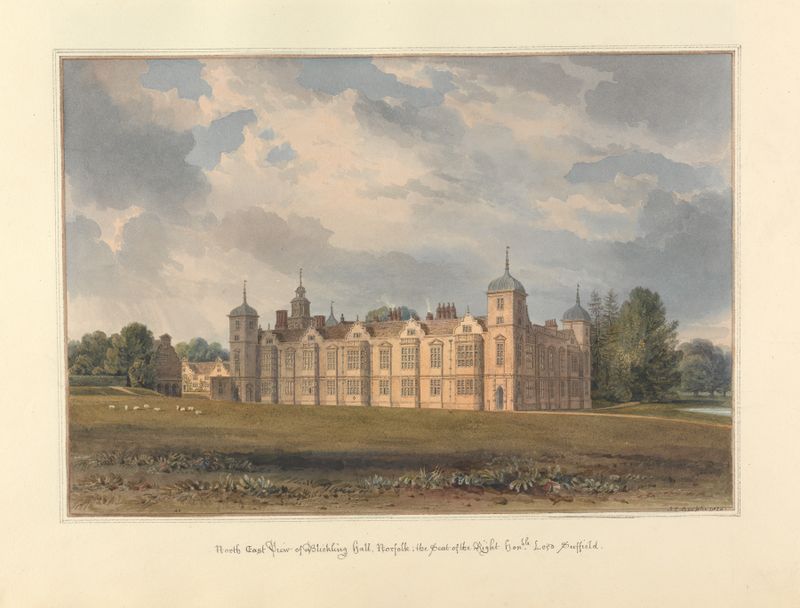
North East View of Blickling Hall, Norfolk: the Seat of the Right Hon’ble Lord Suffield
John Buckler
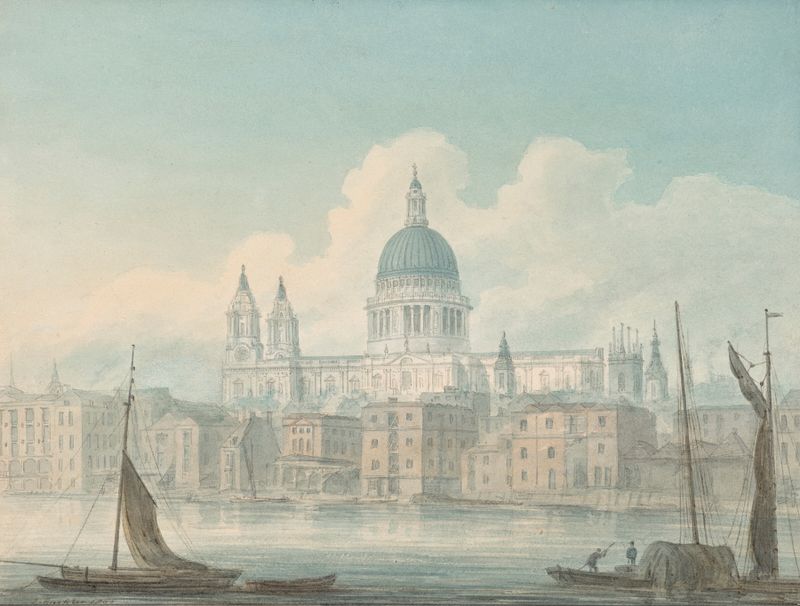
View of St Paul’s Cathedral, from the Southbank of the River Thames, London
John Buckler
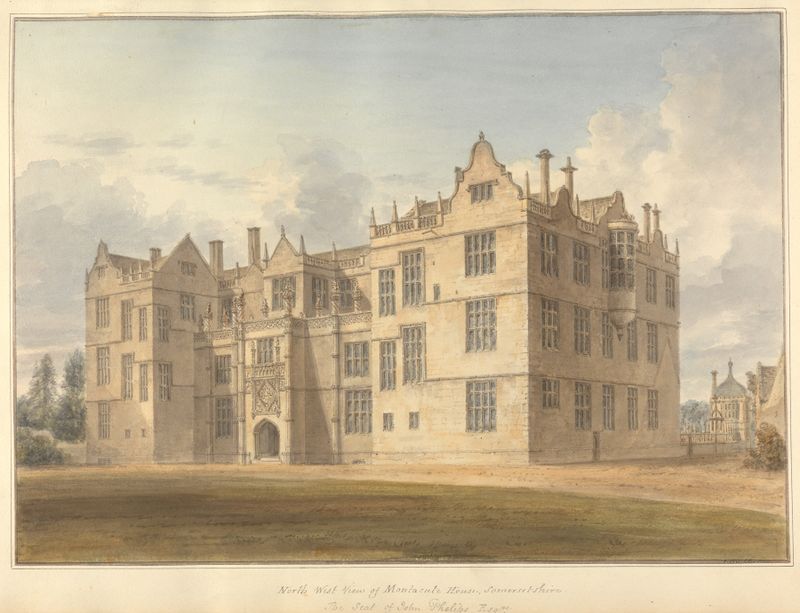
North West View of Montacute House, Somersetshire, The Seat of John Phelips Esqr.
John Buckler
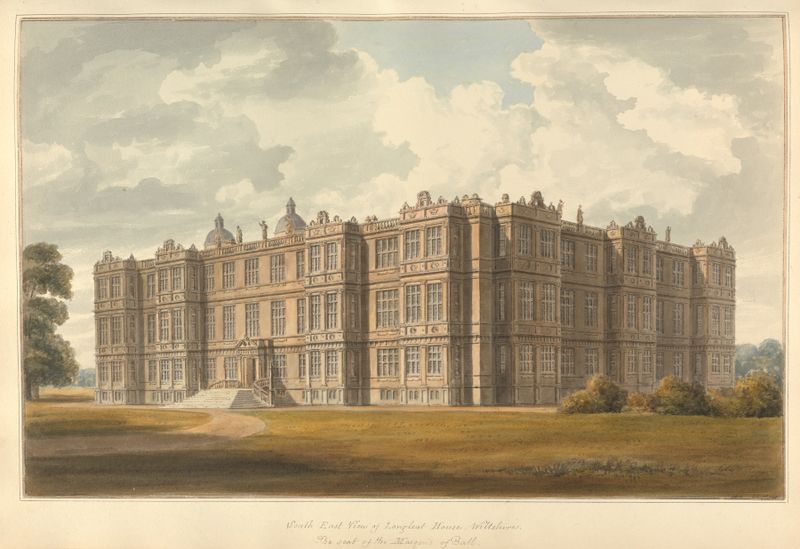
South East View of Longleat House, Wiltshire, the Seat of the Marquis of Bath
John Buckler
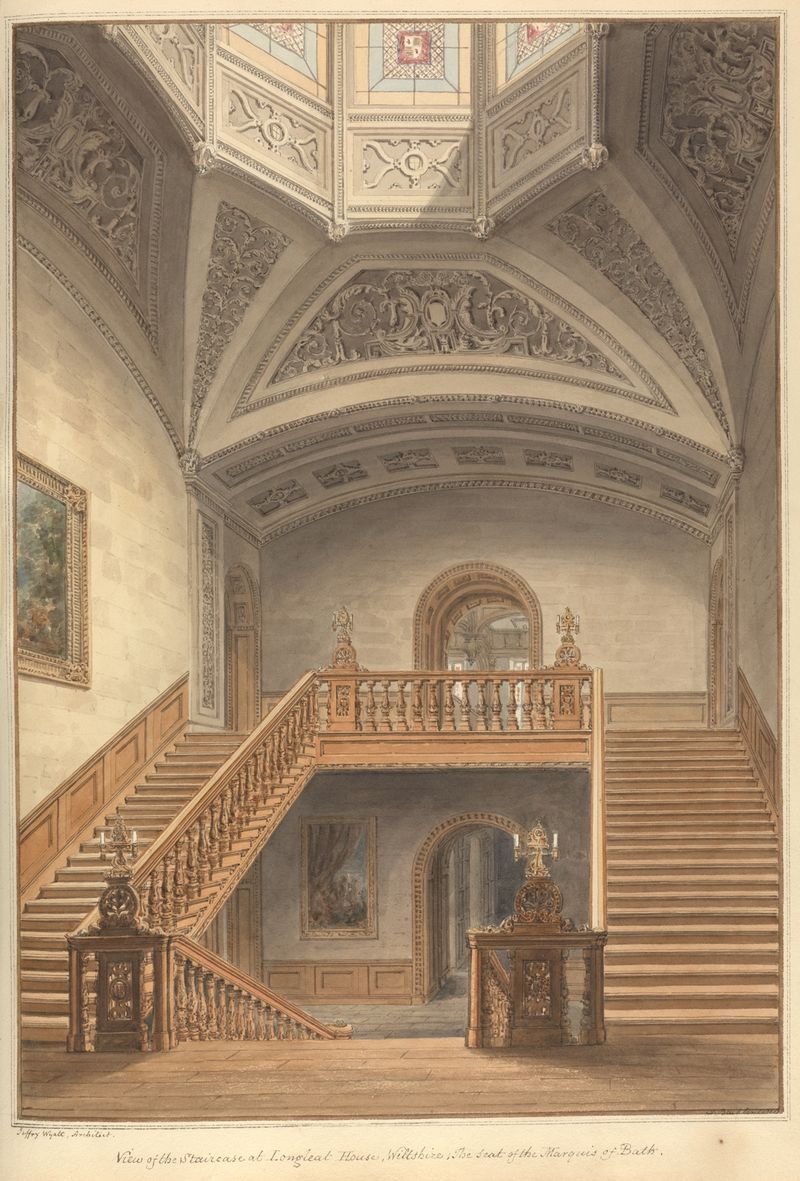
View of the Staircase at Longleat House, Wiltshire: the Seat of the Marquis of Bath
John Buckler
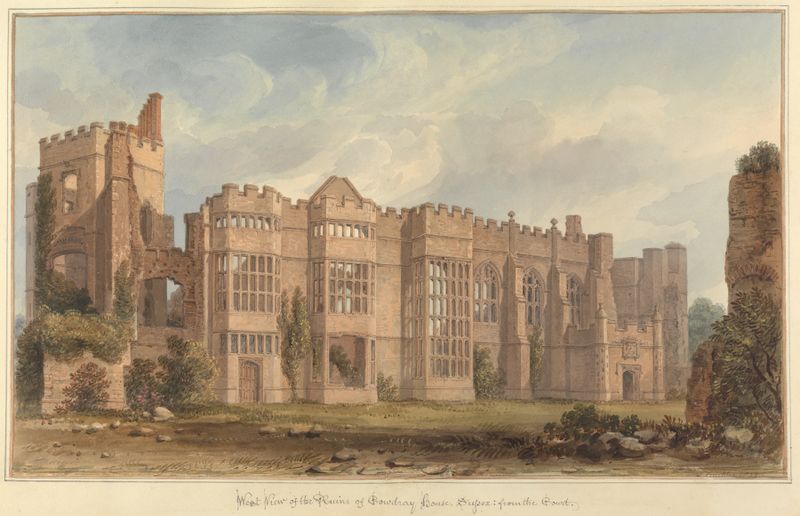
West View of the Ruins of Cowdray House, Sussex: from the Court
John Buckler
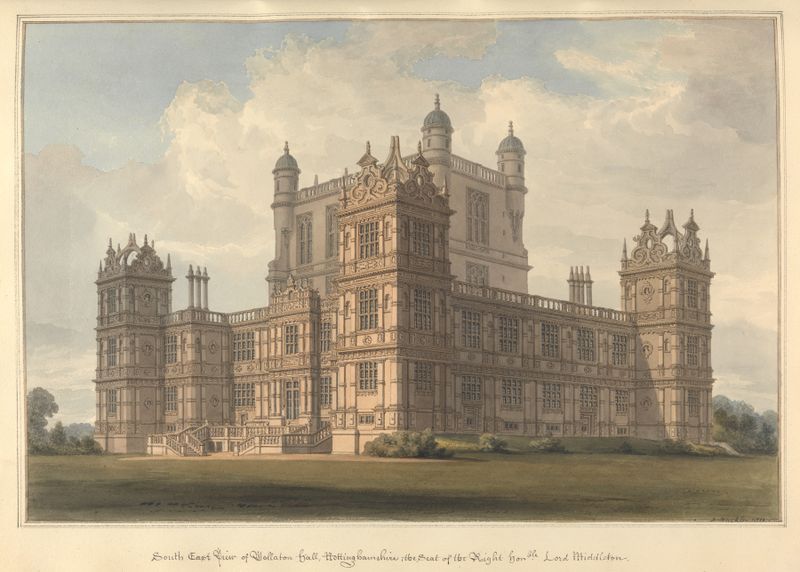
South East view of Wollaton hall, Nottinghamshire, the Seat of the Right honble. Lord Middleton
John Buckler





