
South East View of Compton Winyate, Warwickshire: belonging to the Marquis of Northampton — History & Facts
In the stillness of South East View of Compton Winyate, echoes of loss reverberate through the air, inviting the viewer to contemplate what once was. The painting speaks not merely of a landscape, but of the passage of time and the absence it can create. Focus first on the sprawling estate, where the grandeur of the architecture stands stoic against a backdrop of whispering trees and rolling hills. Notice how the interplay of light and shadow dances upon the façade, highlighting its intricate details while simultaneously casting a veil of nostalgia.
The soft palette—muted greens and earthy browns—evokes a serene yet somber atmosphere, suggesting that this place carries stories etched into its very walls. Delve deeper into the foreground where a solitary figure, perhaps the ghost of a former resident, gazes longingly at the manor. This silhouette introduces a poignant contrast between presence and absence, an embodiment of loss intertwined with memory. The distant hills, gently receding into the horizon, hint at the fleeting nature of beauty, a reminder that what remains can be just as significant as what is lost. John Buckler painted this work in 1828 while residing in England, a time when Romanticism was taking root in the art world.
As he captured the elegance of Compton Winyate, the Marquis of Northampton’s estate, Buckler was also reflecting a broader societal shift toward valuing nature and nostalgia. Amidst the political and industrial changes of early 19th-century England, this landscape serves as a testament to a world that cherished both beauty and the heartache of its inevitable decay.
More Artworks by John Buckler
Browse all →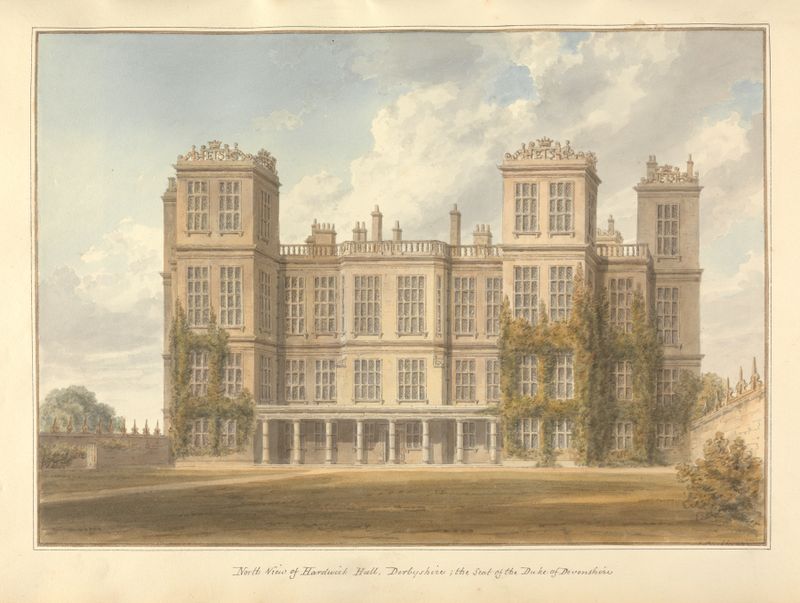
North View of Hardwick Hall, Derbyshire: the Seat of the Duke of Devonshire
John Buckler
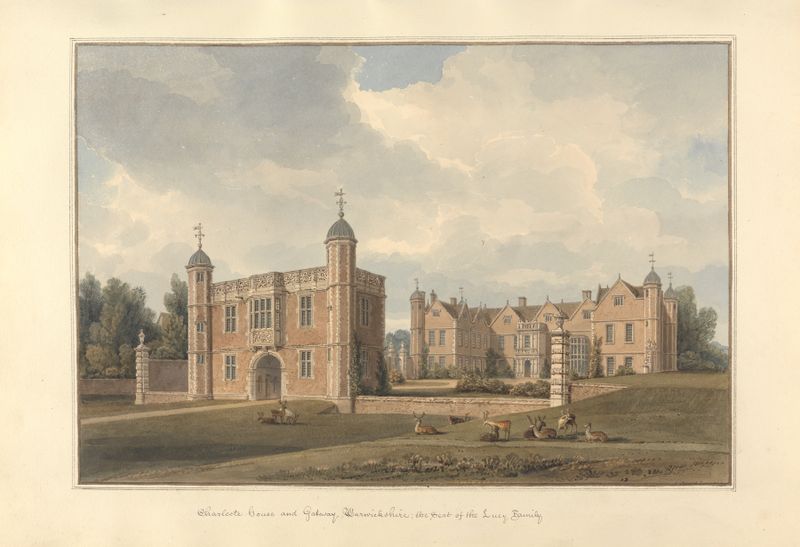
Charlcote house and Gateway, Warwickshire: the Seat of the Lucy Family
John Buckler

North East View of Holland House
John Buckler
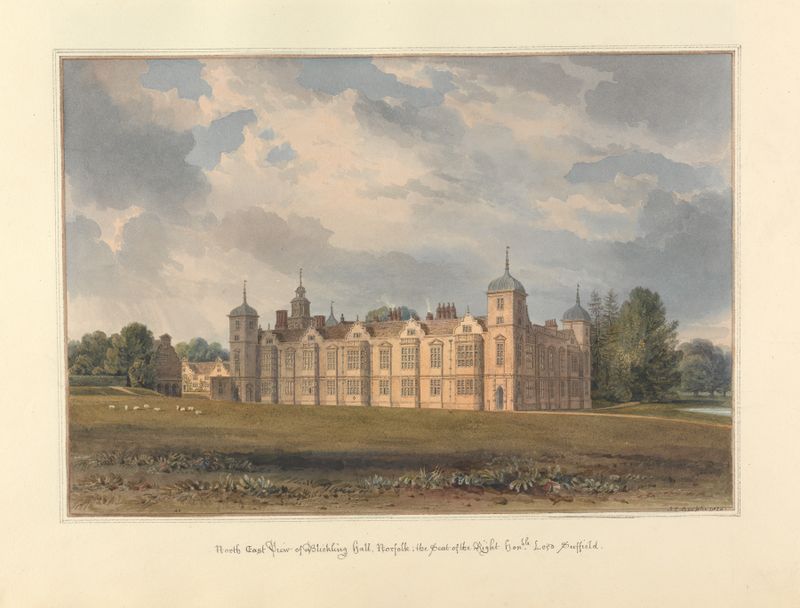
North East View of Blickling Hall, Norfolk: the Seat of the Right Hon’ble Lord Suffield
John Buckler
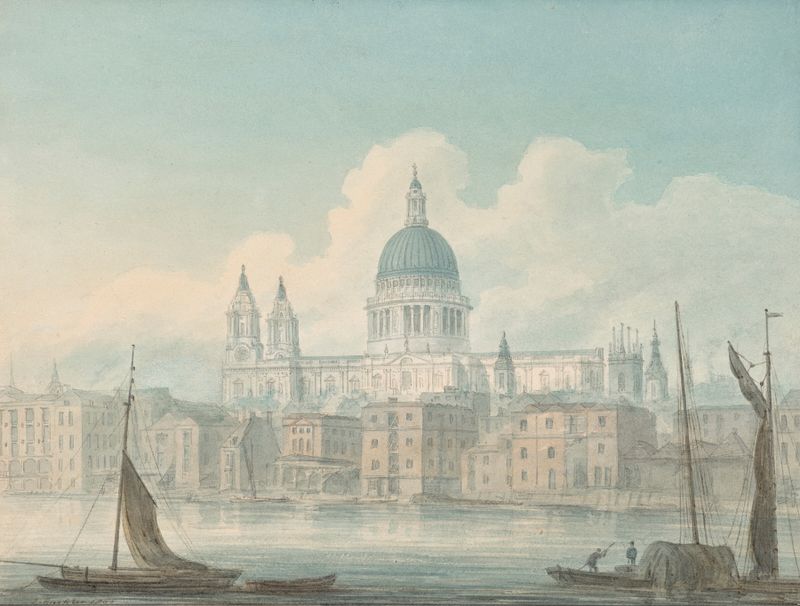
View of St Paul’s Cathedral, from the Southbank of the River Thames, London
John Buckler
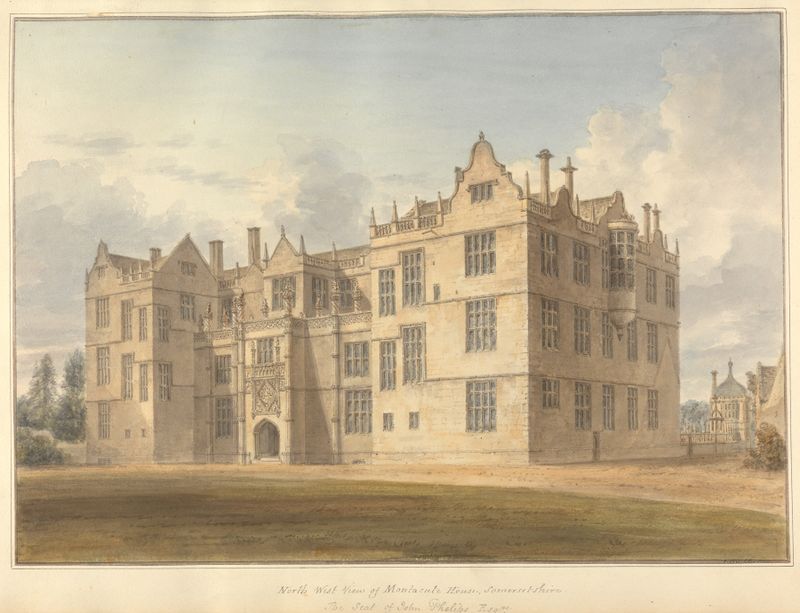
North West View of Montacute House, Somersetshire, The Seat of John Phelips Esqr.
John Buckler
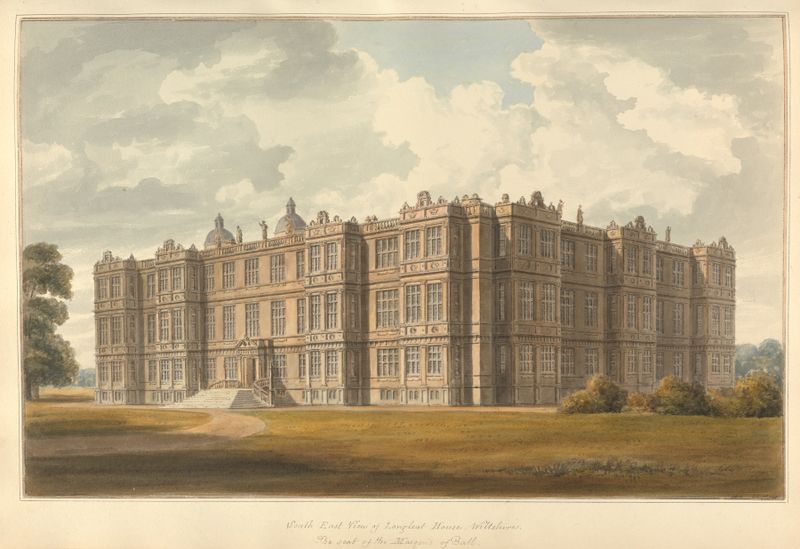
South East View of Longleat House, Wiltshire, the Seat of the Marquis of Bath
John Buckler
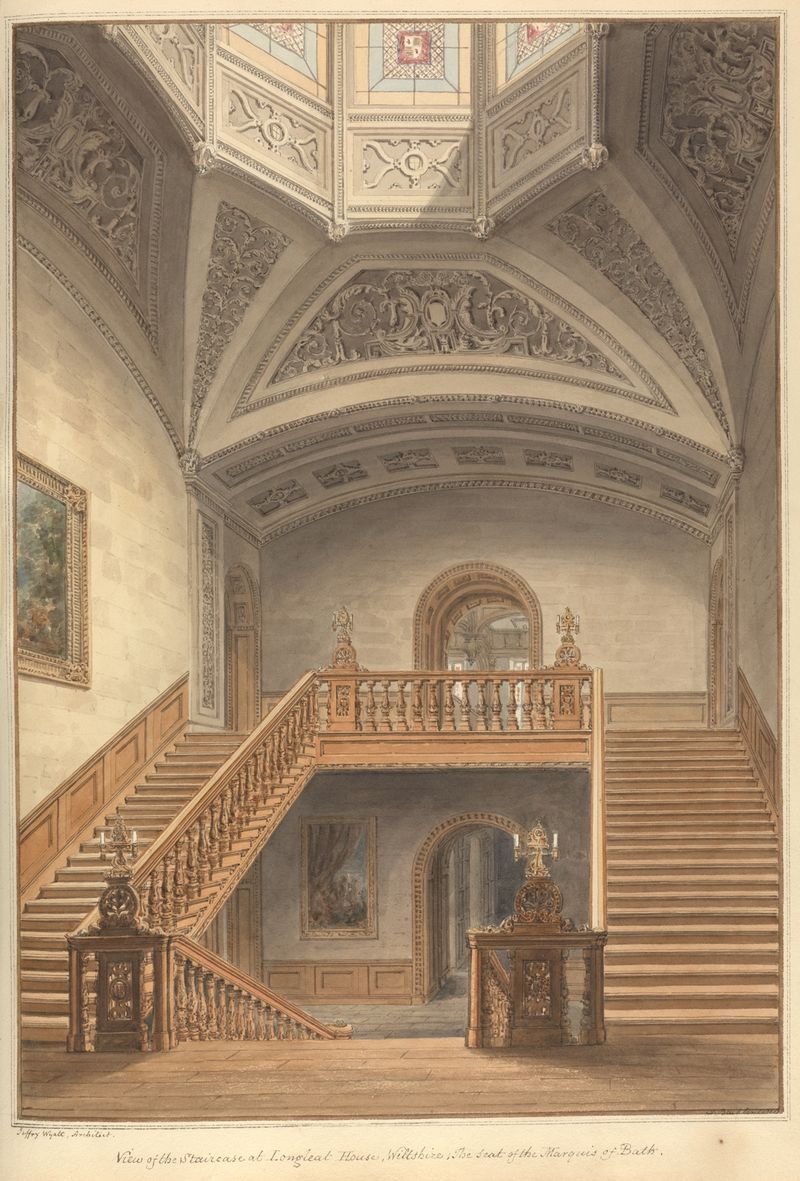
View of the Staircase at Longleat House, Wiltshire: the Seat of the Marquis of Bath
John Buckler
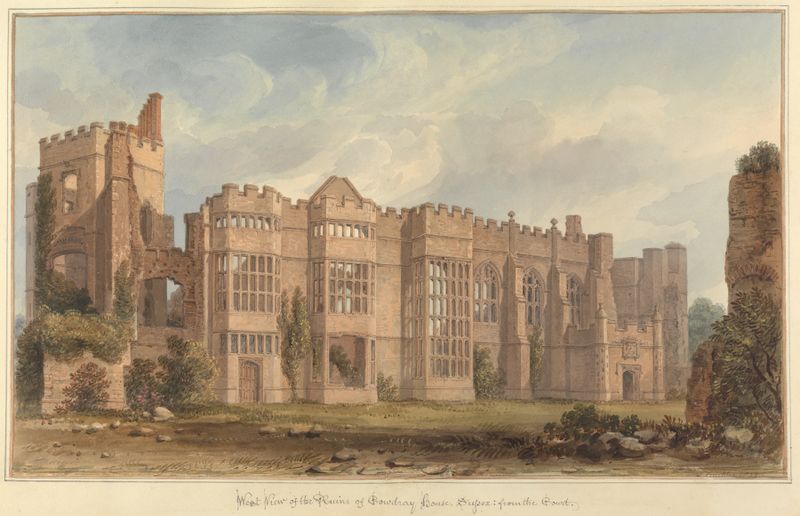
West View of the Ruins of Cowdray House, Sussex: from the Court
John Buckler
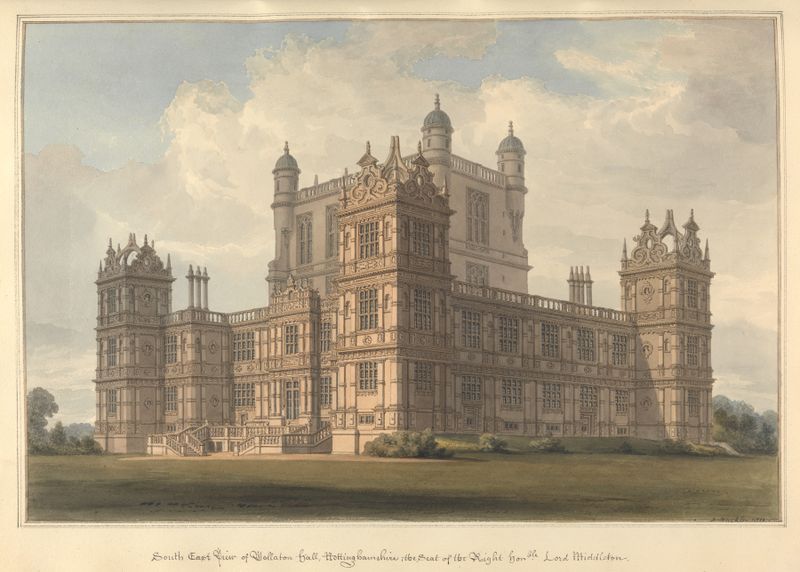
South East view of Wollaton hall, Nottinghamshire, the Seat of the Right honble. Lord Middleton
John Buckler





