
South East View of Hatfield House, The Seat of the Marquis of Salisbury — History & Facts
In the hands of a dedicated artist, obsession transforms the mundane into splendor, breathing life into every detail. Look closely at the meticulous architecture of Hatfield House, standing majestically to the left. The crisp lines of the building contrast sharply with the chaotic wilderness of lush greenery surrounding it. Notice how the interplay of light dances across the manicured gardens, illuminating the vibrant hues of the trees and flowers.
This deliberate composition invites the viewer's eye to travel from the detailed façade of the house to the vast expanse of the landscape, creating a harmonious balance between structure and nature. Yet, beneath the surface of this picturesque scene lies a profound tension. The grandiosity of the mansion symbolizes power and legacy, while the encroaching wilderness suggests nature's persistent reclamation. The precise rendering of every inch of the estate speaks to the artist's obsession with capturing not just a moment in time, but the very essence of human aspiration and its inevitable clash with the untamed world.
The expansive sky above, painted with a gentle gradient, evokes a sense of calm, contrasting the intricate details below, revealing the complexities of life itself. In 1812, John Buckler was immersed in the neoclassical revival sweeping across England, capturing architectural beauty with a fresh perspective. Working predominantly in London but with a focus on country estates, he sought to document the changing landscapes of his time, reflecting both the elegance of aristocratic homes and the relentless advance of nature. His dedication to precision and beauty in this period contributed significantly to the genre of topographical art, where obsession revealed itself through every careful stroke.
More Artworks by John Buckler
Browse all →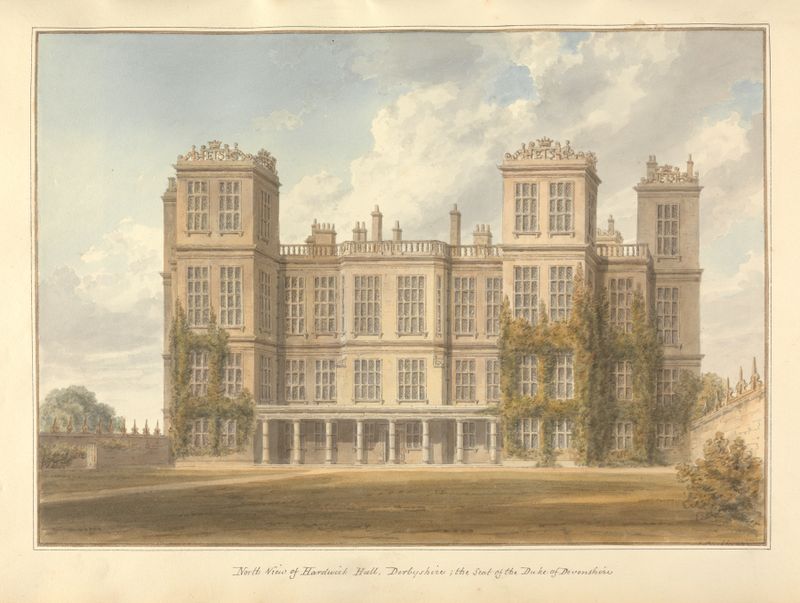
North View of Hardwick Hall, Derbyshire: the Seat of the Duke of Devonshire
John Buckler
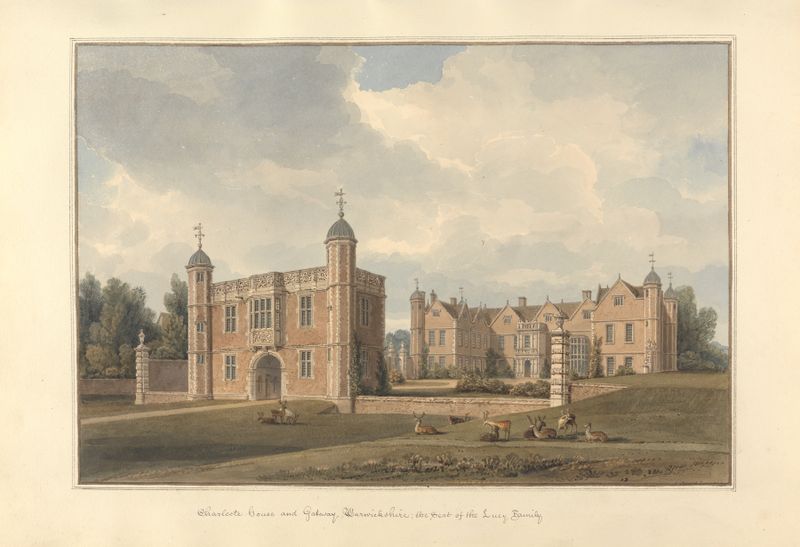
Charlcote house and Gateway, Warwickshire: the Seat of the Lucy Family
John Buckler

North East View of Holland House
John Buckler
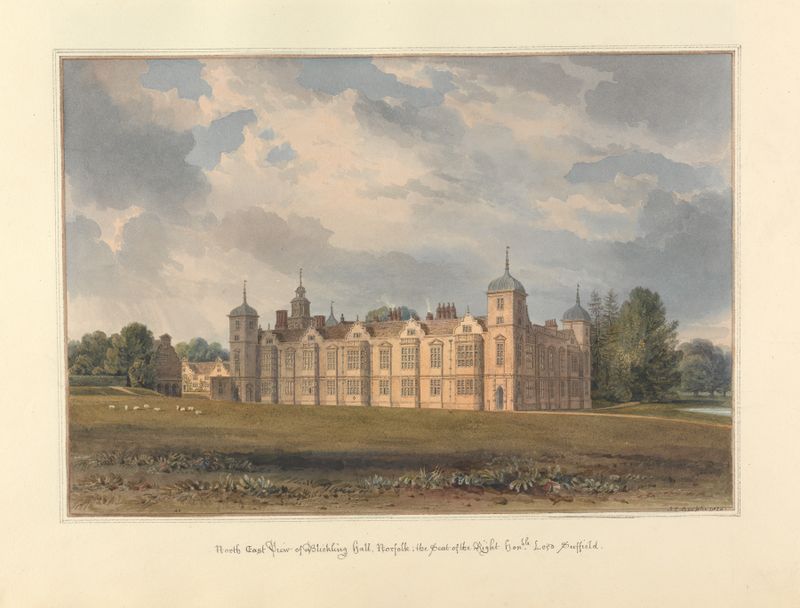
North East View of Blickling Hall, Norfolk: the Seat of the Right Hon’ble Lord Suffield
John Buckler
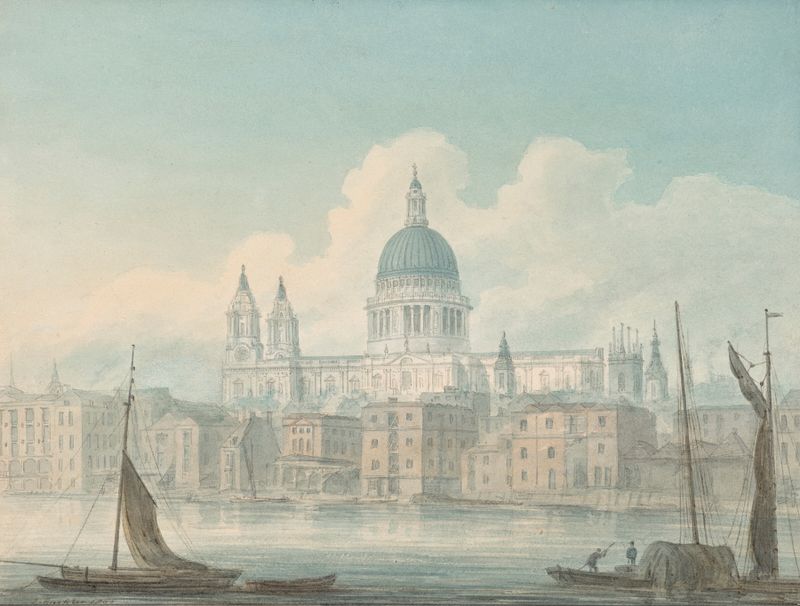
View of St Paul’s Cathedral, from the Southbank of the River Thames, London
John Buckler
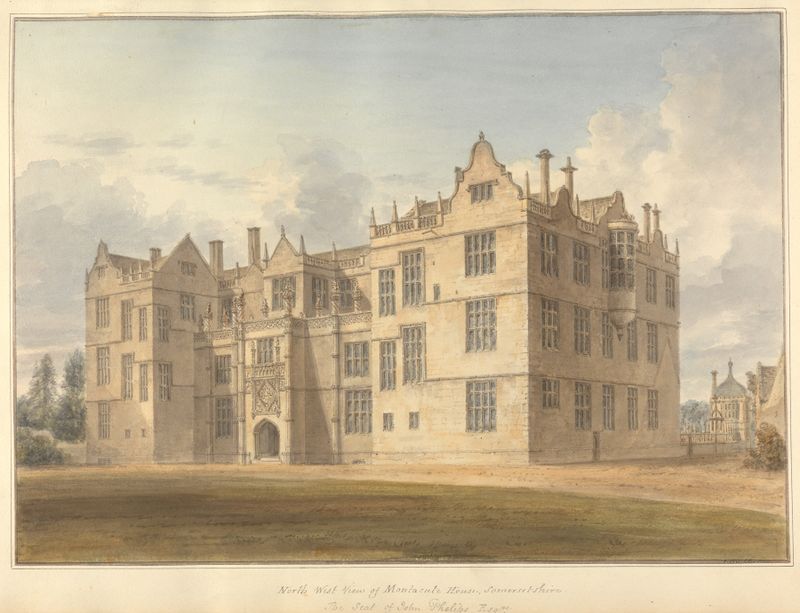
North West View of Montacute House, Somersetshire, The Seat of John Phelips Esqr.
John Buckler
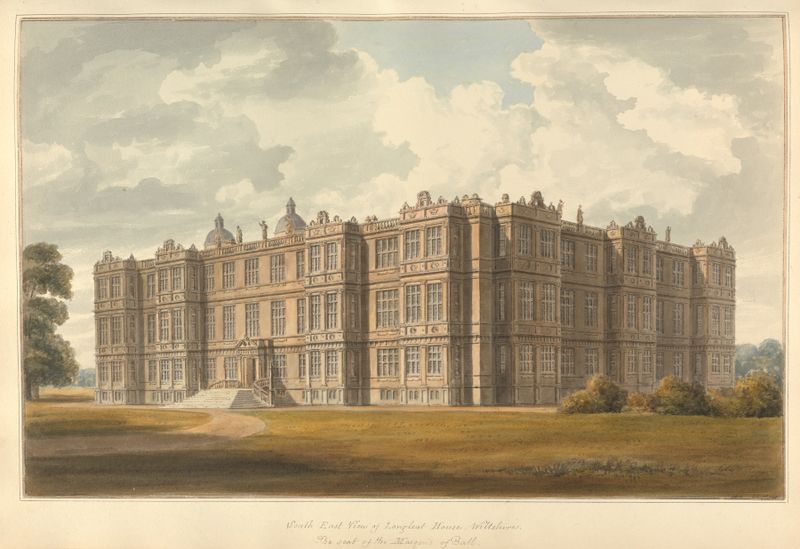
South East View of Longleat House, Wiltshire, the Seat of the Marquis of Bath
John Buckler
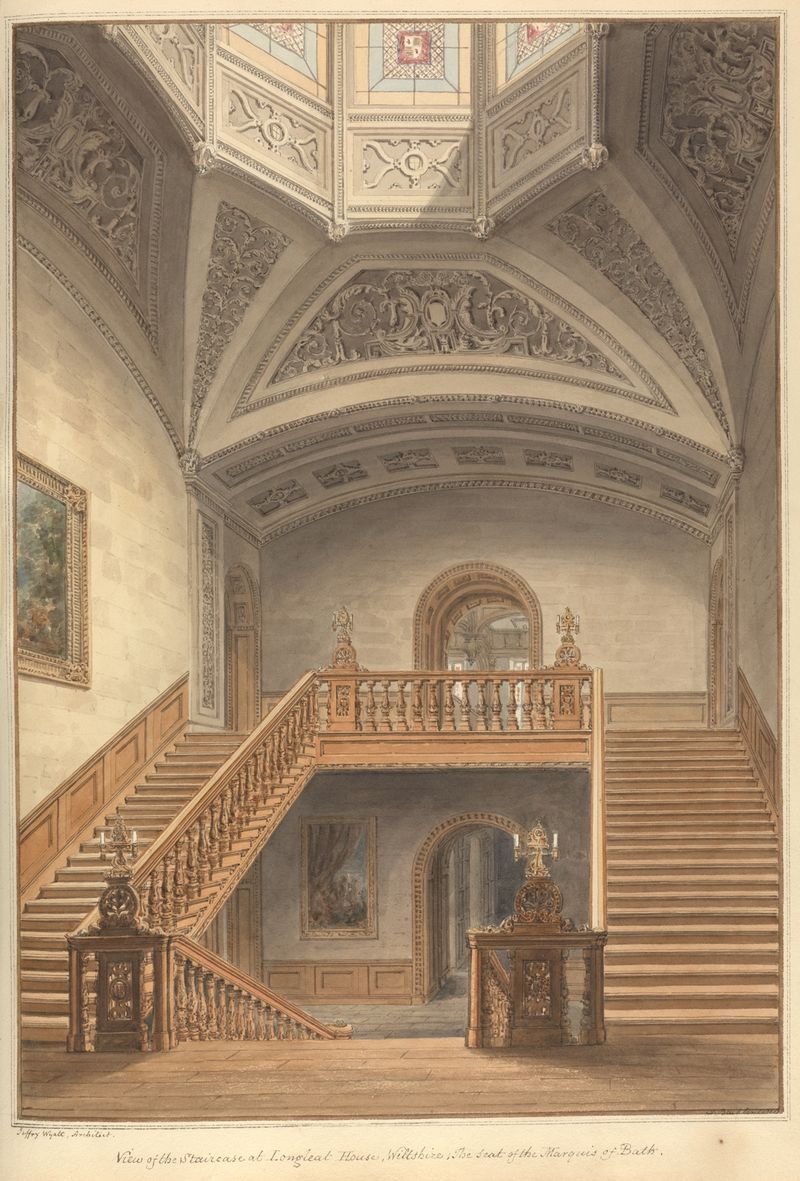
View of the Staircase at Longleat House, Wiltshire: the Seat of the Marquis of Bath
John Buckler
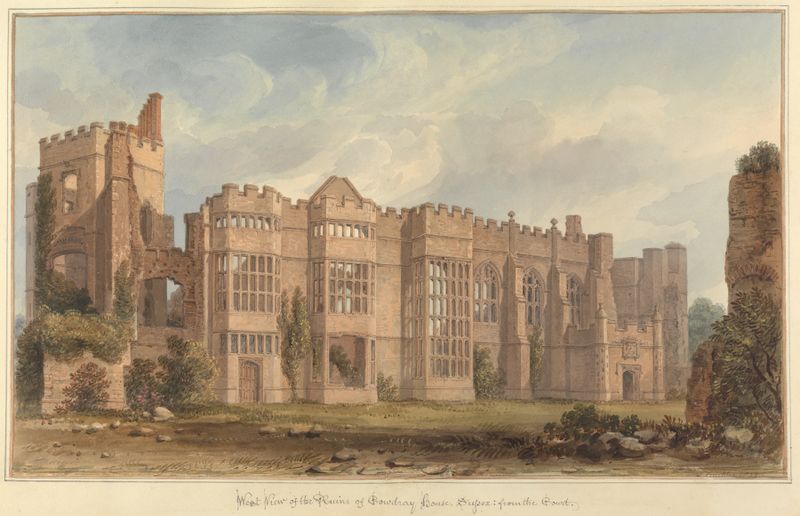
West View of the Ruins of Cowdray House, Sussex: from the Court
John Buckler
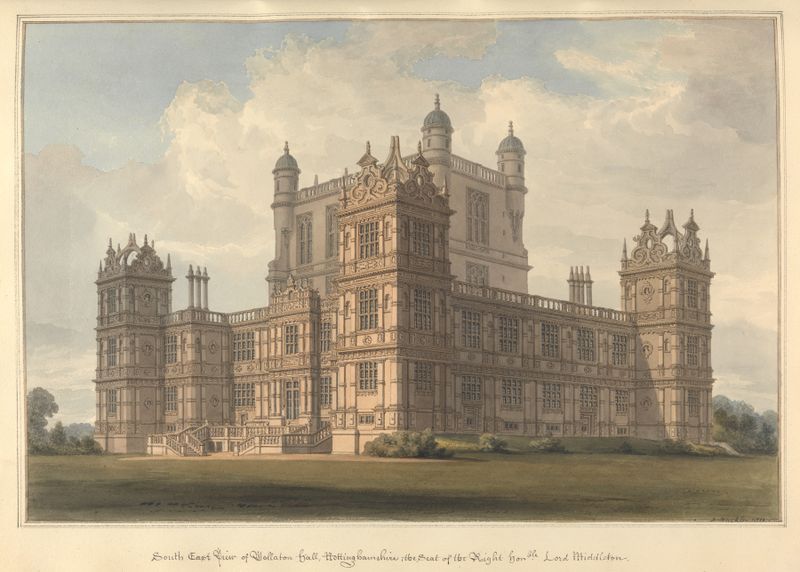
South East view of Wollaton hall, Nottinghamshire, the Seat of the Right honble. Lord Middleton
John Buckler
More Architecture Art
Browse all →
The statue of Liberty
Frédéric Auguste Bartholdi

View of Houses in Delft, Known as ‘The Little Street’
Johannes Vermeer

View of Houses in Delft, Known as ‘The Little Street’
Johannes Vermeer

The Cathedral in Rouen. The portal, Grey Weather
Claude Monet

The yellow house
Vincent van Gogh

The Church in Auvers-sur-Oise, View from the Chevet
Vincent van Gogh