
South East View of the Remains of the Gorhambury House Hertfordshire, belonging to the Earl of Verulam — History & Facts
What if beauty was never meant to be finished? In John Buckler’s South East View of the Remains of the Gorhambury House Hertfordshire, belonging to the Earl of Verulam, we encounter a poignant reflection on decay and the passage of time, whispering the echoes of loss and betrayal in every crumbling stone. Look to the left at the remnants of the once-grand estate, where ivy creeps up weathered walls, clinging to a past that refuses to vanish. The artist employs a soft palette, muted greens and grays, imbuing the scene with a melancholic atmosphere. Notice how the light gently filters through the trees, casting delicate shadows that dance over the ruins—a metaphor for fleeting moments and lost glory.
Each stroke invites the viewer to linger, to appreciate the haunting beauty of what remains. In this work, contrasts abound: the vibrancy of life surrounding a lifeless structure, the gradual erosion of grandeur teetering on the edge of memory. Every detail, from the textured bricks to the overgrown foliage, hints at a deeper narrative—a betrayal of time itself, where nature, once harmoniously intertwined with human ambition, now asserts its inevitable dominion. It evokes a sense of nostalgia, questioning our relationship with impermanence and abandonment. Buckler created this piece in 1815, during a period that marked the transition from the neoclassical to the romantic in British art.
It was a time of societal change, with a growing awareness of heritage and preservation amid the rapid industrialization sweeping the landscape. As he captured the remains of Gorhambury House, Buckler was both documenting history and reflecting on the fragility of human endeavors within the larger tapestry of time.
More Artworks by John Buckler
Browse all →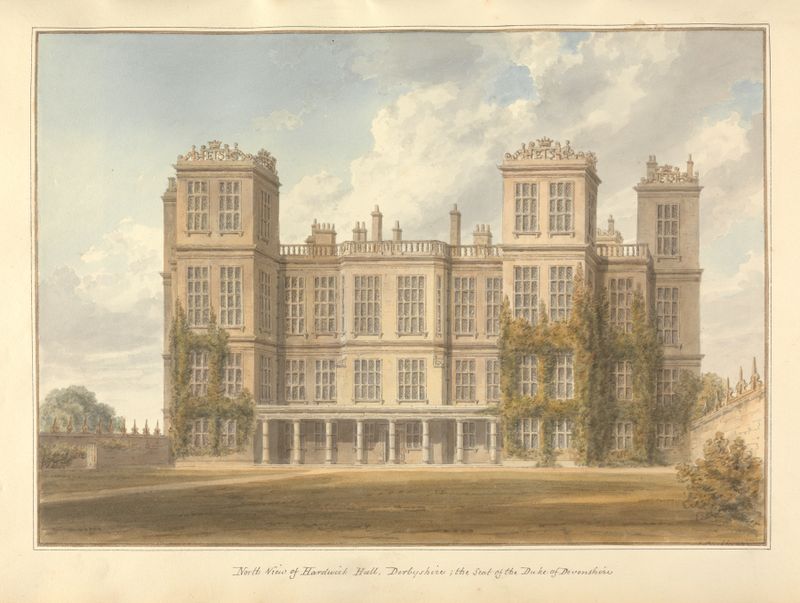
North View of Hardwick Hall, Derbyshire: the Seat of the Duke of Devonshire
John Buckler
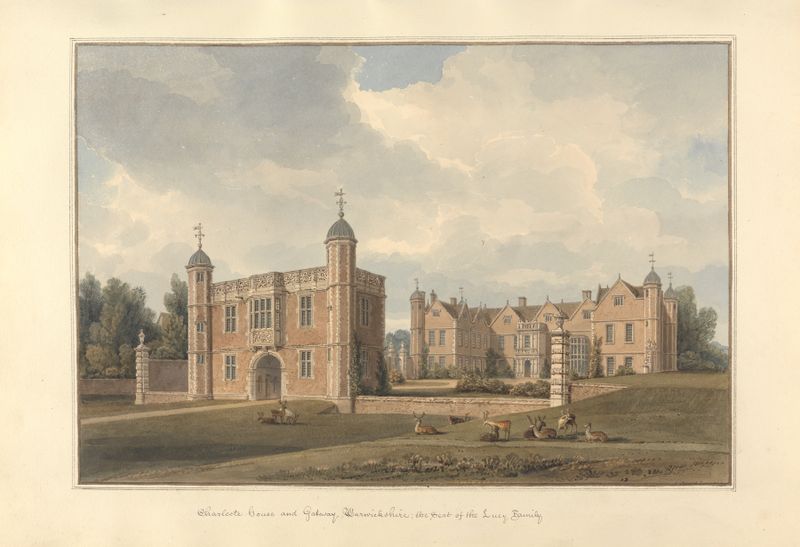
Charlcote house and Gateway, Warwickshire: the Seat of the Lucy Family
John Buckler

North East View of Holland House
John Buckler
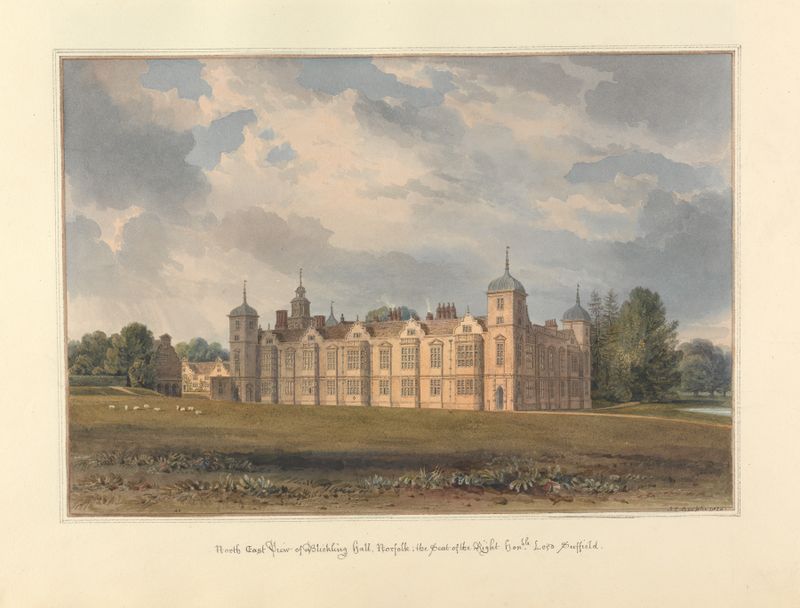
North East View of Blickling Hall, Norfolk: the Seat of the Right Hon’ble Lord Suffield
John Buckler
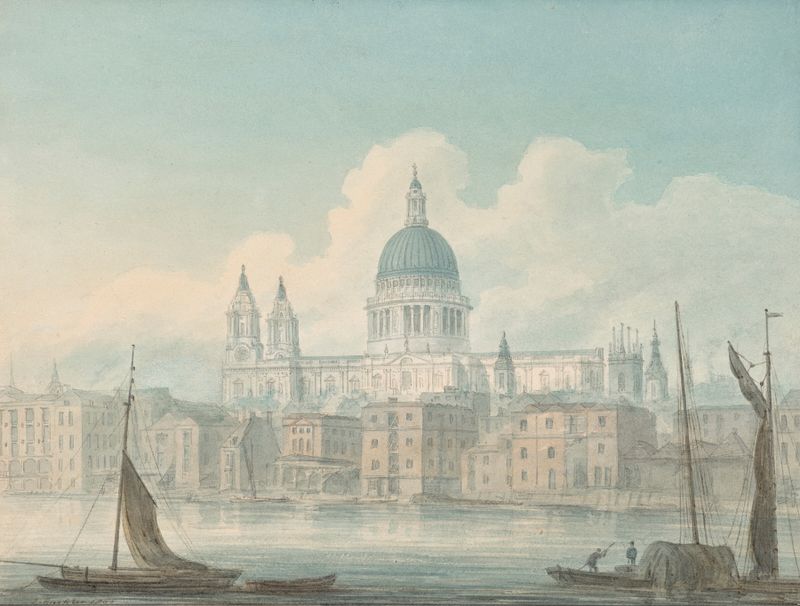
View of St Paul’s Cathedral, from the Southbank of the River Thames, London
John Buckler
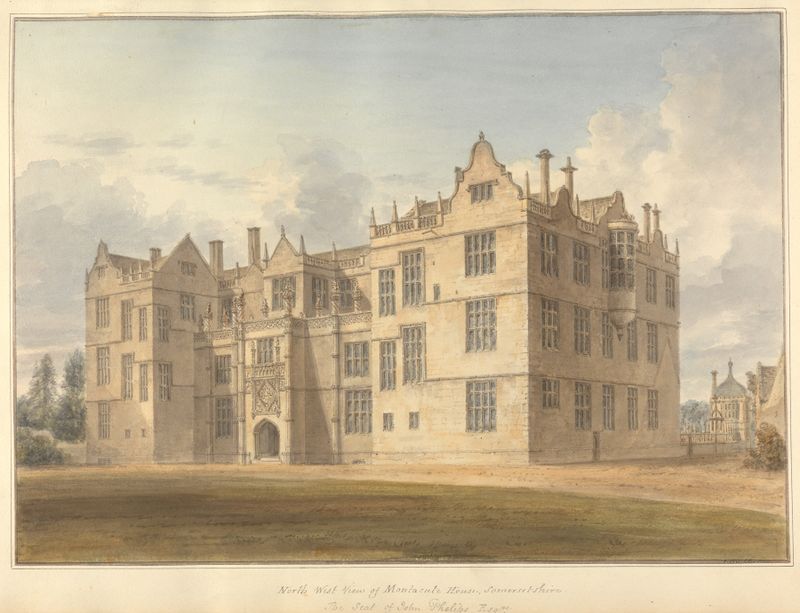
North West View of Montacute House, Somersetshire, The Seat of John Phelips Esqr.
John Buckler
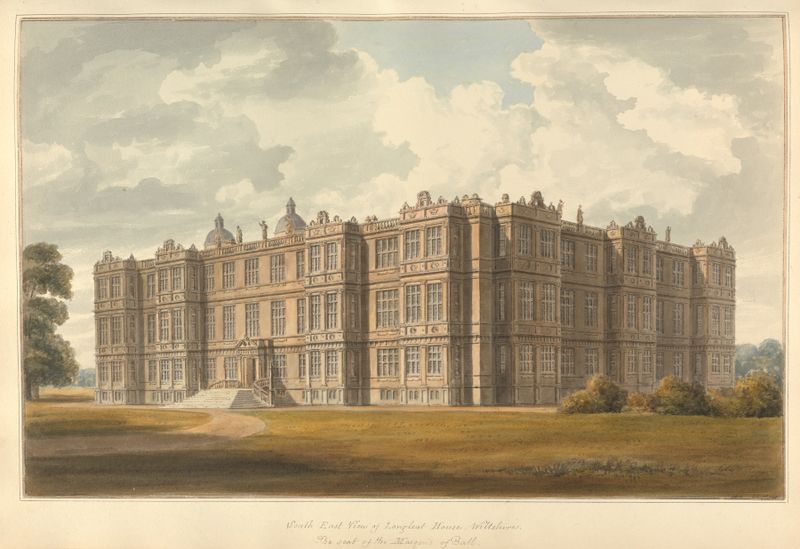
South East View of Longleat House, Wiltshire, the Seat of the Marquis of Bath
John Buckler
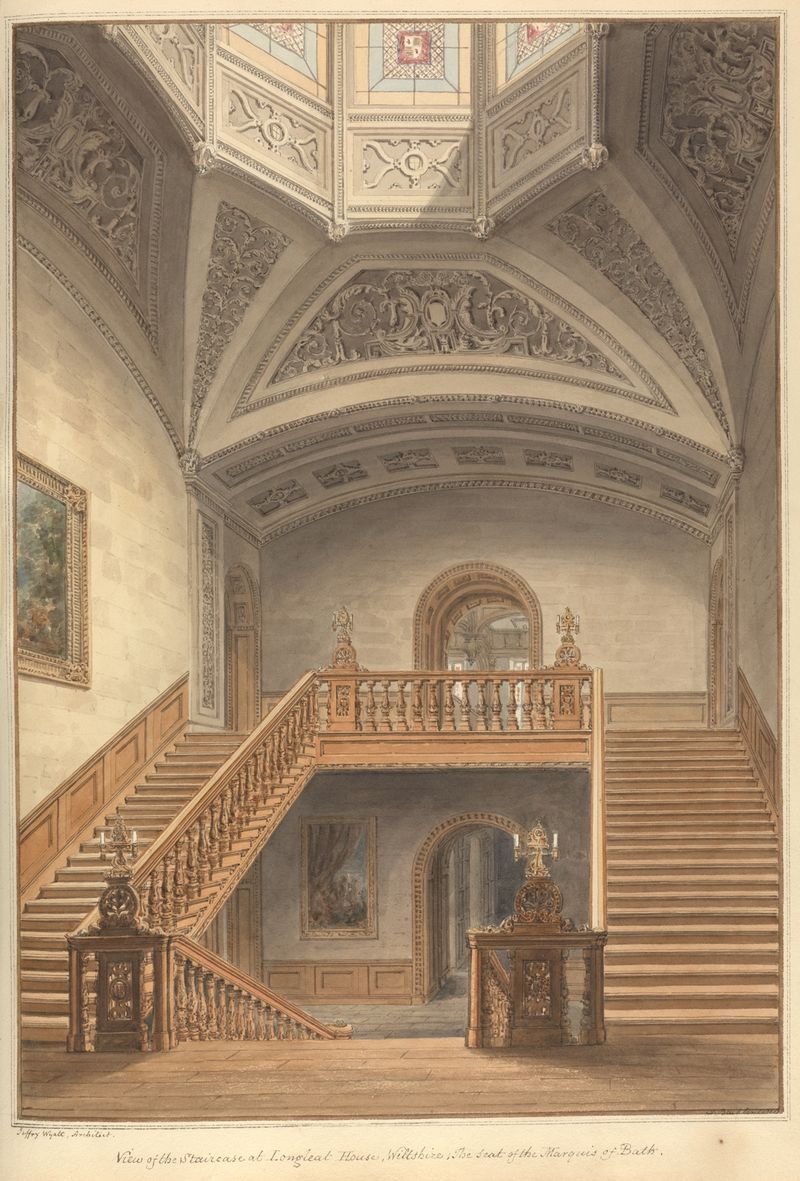
View of the Staircase at Longleat House, Wiltshire: the Seat of the Marquis of Bath
John Buckler
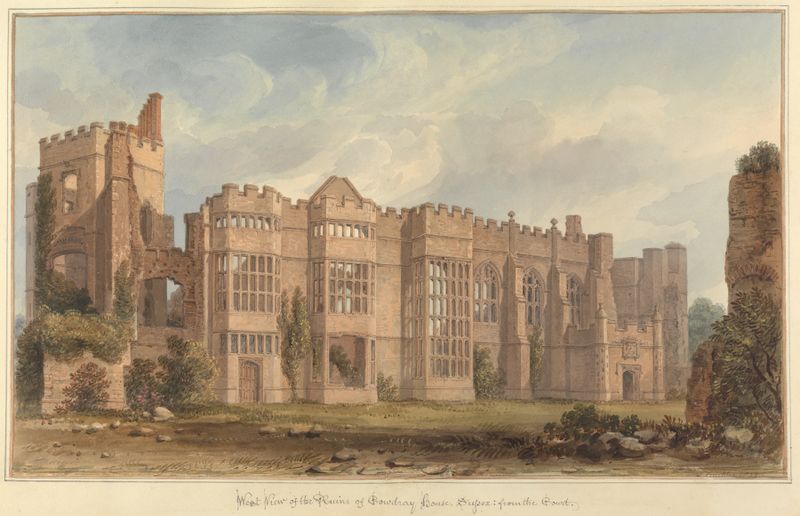
West View of the Ruins of Cowdray House, Sussex: from the Court
John Buckler
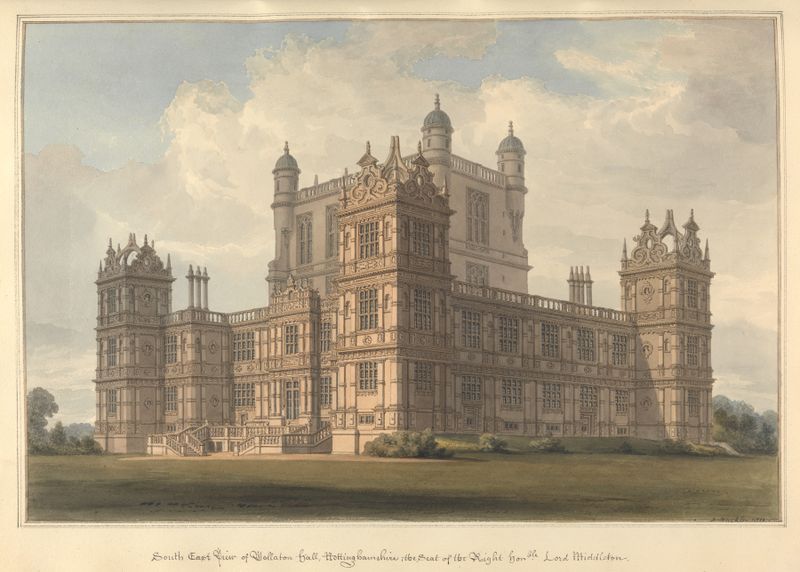
South East view of Wollaton hall, Nottinghamshire, the Seat of the Right honble. Lord Middleton
John Buckler





