
South East View of the Ruins of Moreton Corbet Castle, Shropshire: belonging to Sir Andrew Corbet, Bart. — History & Facts
Time flows through the landscape like a river, carrying with it the weight of history and the whispers of those who once walked among the ruins. In the shadows of Moreton Corbet Castle, remnants of a bygone era stand sentinel, marking the passage of lives entwined with the land. Look to the left where the castle’s jagged outline emerges against a slate-gray sky, its weathered stones bathed in muted earth tones. The artist's meticulous attention to detail invites the viewer's gaze to linger on the ivy clinging to the ancient walls, a testament to nature's reclamation.
Notice how the horizon line stretches across the canvas, offering a glimpse into the rolling Shropshire countryside, while the sparse trees barely break the serene stillness. Each color is carefully chosen, evoking not only the physical decay of the structure but also the emotional resonance of fading memories. Amid the ruins, contrasts abound — between the solidity of stone and the transience of nature, between past grandeur and present stillness. The castle, once a stronghold of power, now serves as a poignant reminder of impermanence, while the surrounding landscape speaks of continuity, life enduring in its quiet beauty.
Every crevice and shadow seems to hold a story, echoing the laughter, struggles, and departure of those who once called this place home. In 1822, the artist captured this scene during a time of emerging Romanticism in Britain, a movement that celebrated the beauty of nature and the sublime. Buckler's focus on historical architecture and landscape coincided with a growing interest in preserving the past amidst rapid industrialization. His work reflects a desire to connect with history, inviting viewers to contemplate the passage of time and the ruins that narrate the stories of ages long gone.
More Artworks by John Buckler
Browse all →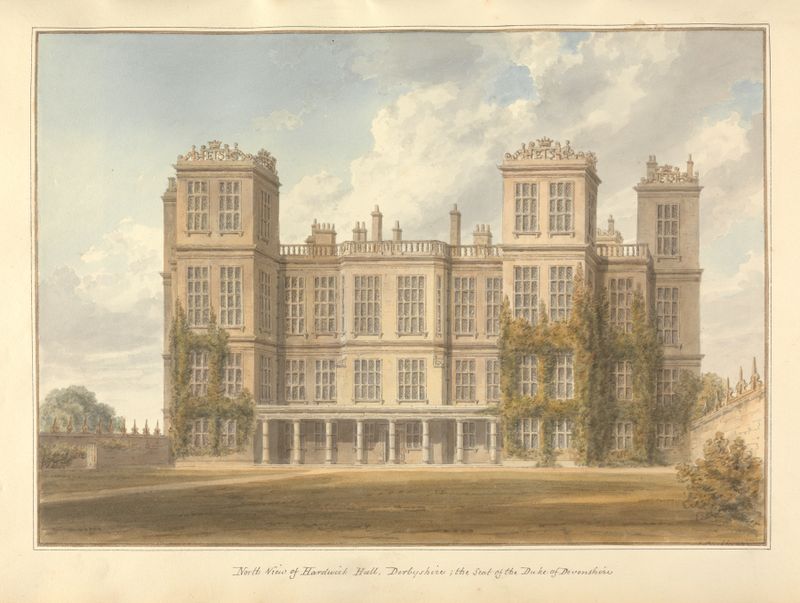
North View of Hardwick Hall, Derbyshire: the Seat of the Duke of Devonshire
John Buckler
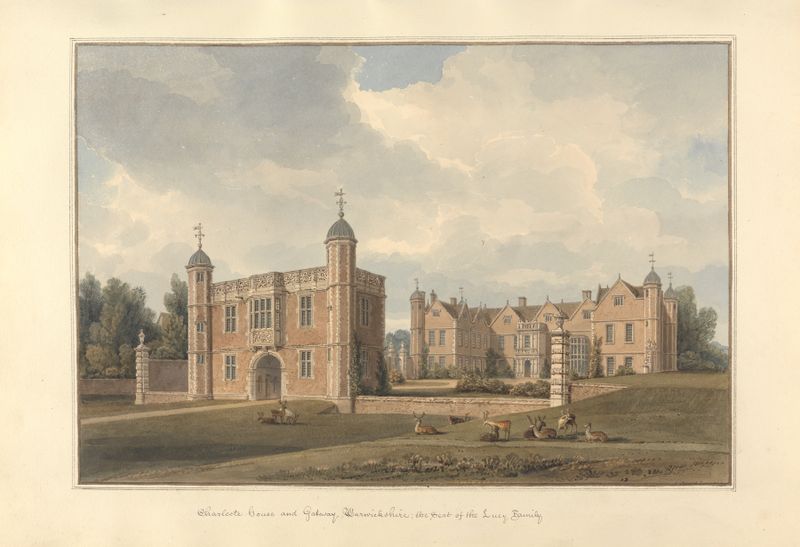
Charlcote house and Gateway, Warwickshire: the Seat of the Lucy Family
John Buckler

North East View of Holland House
John Buckler
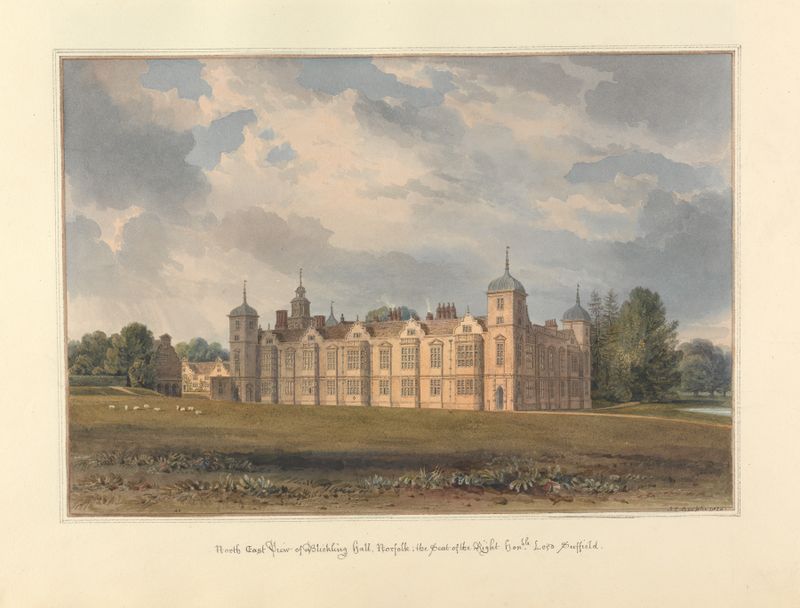
North East View of Blickling Hall, Norfolk: the Seat of the Right Hon’ble Lord Suffield
John Buckler
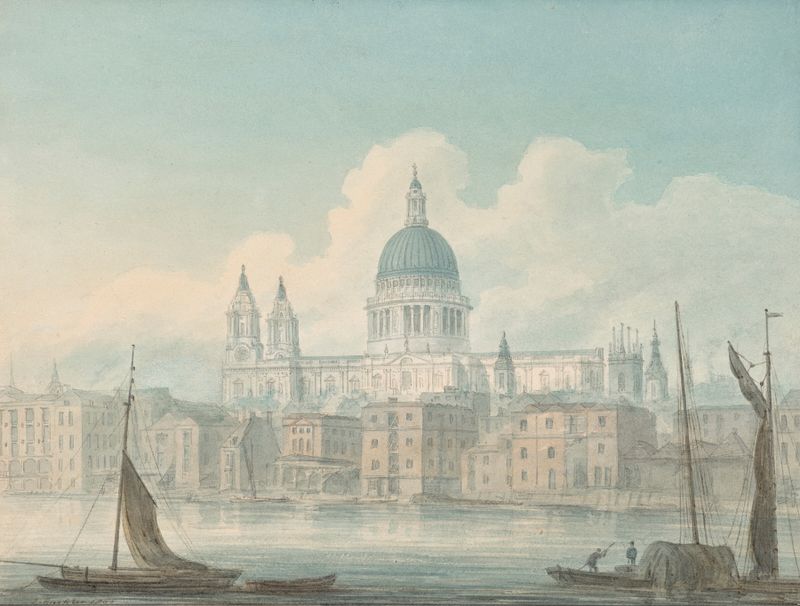
View of St Paul’s Cathedral, from the Southbank of the River Thames, London
John Buckler
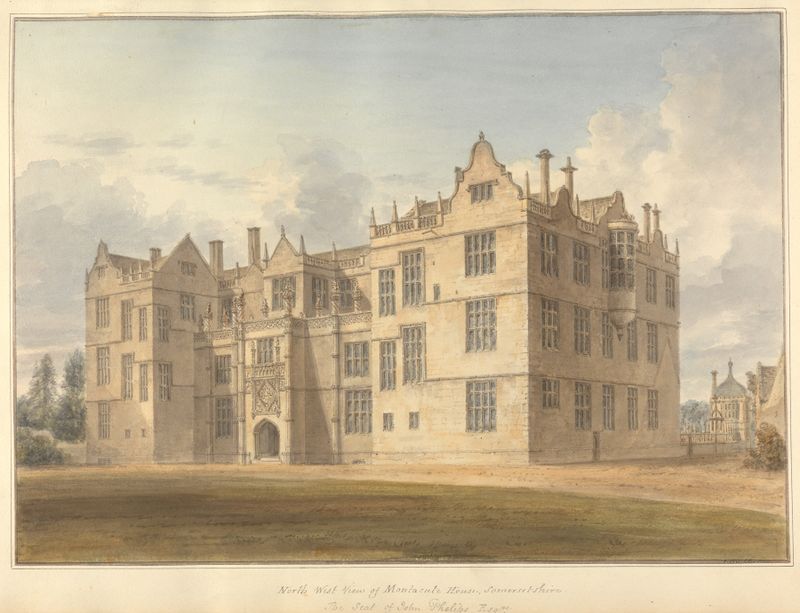
North West View of Montacute House, Somersetshire, The Seat of John Phelips Esqr.
John Buckler
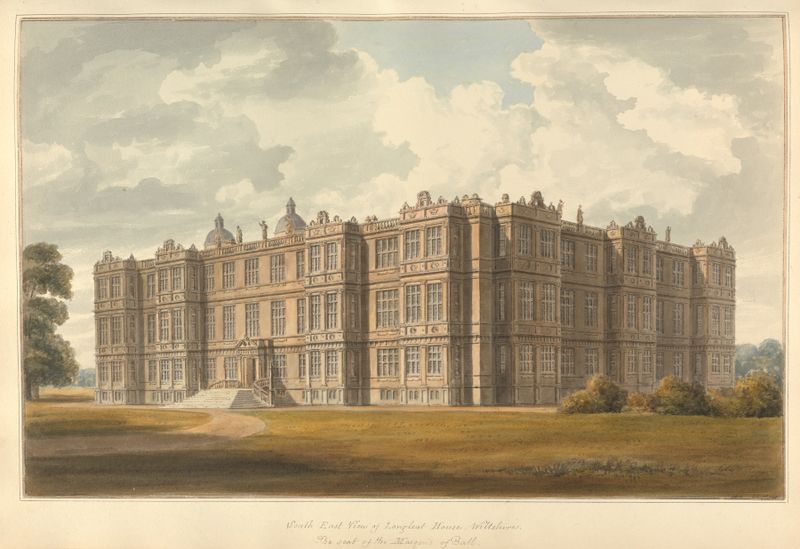
South East View of Longleat House, Wiltshire, the Seat of the Marquis of Bath
John Buckler
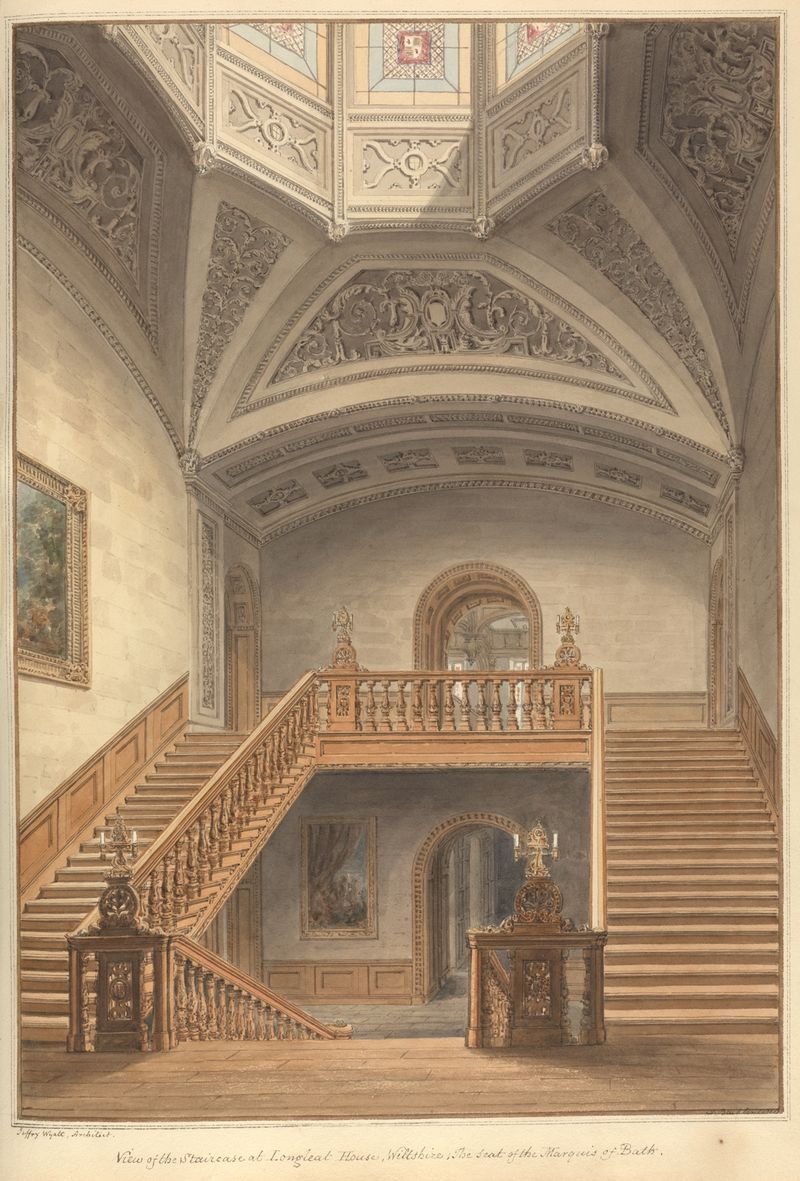
View of the Staircase at Longleat House, Wiltshire: the Seat of the Marquis of Bath
John Buckler
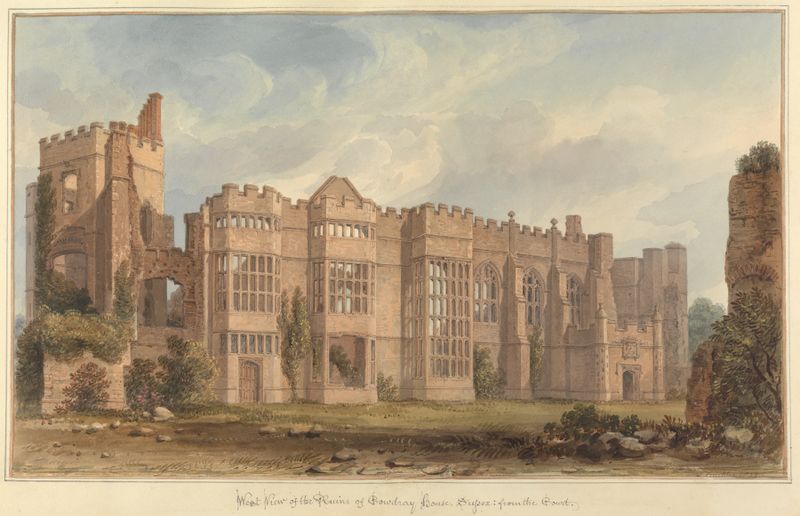
West View of the Ruins of Cowdray House, Sussex: from the Court
John Buckler
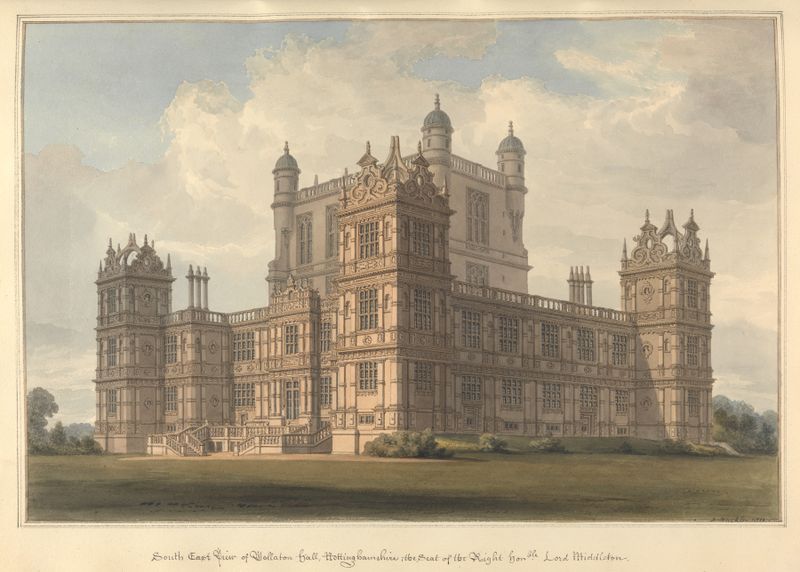
South East view of Wollaton hall, Nottinghamshire, the Seat of the Right honble. Lord Middleton
John Buckler





