
South East View of Wilton House — History & Facts
This thought lingers in the air like a whispered secret, inviting contemplation on the essence of artistry and its connection to the human experience. Look to the left of the canvas where the sun-drenched facade of Wilton House stands majestically, its intricate details rendered with delicate precision. The artist employs a palette of soft earth tones and muted greens that echo the tranquil garden, creating a serene backdrop. Notice how the light plays across the building’s ornate features, highlighting the grandeur while casting gentle shadows that hint at the passage of time.
The meticulous attention to architectural elements draws your gaze, grounding the dreamlike quality of the scene. Beneath the surface of this idyllic portrayal lies a tension between the beauty of the estate and the often-overlooked struggles of its past. The harmonious garden, though visually enchanting, suggests a carefully curated existence — one that might mask the heartaches within its history. The perspective chosen evokes a sense of distance, inviting viewers to admire but not fully access the world portrayed, reflecting a longing for connection yet a recognition of barriers. In 1810, while living in England, Buckler was immersed in the evolving art world that increasingly celebrated nature and architecture.
His work during this period was marked by a commitment to capturing the romanticism of picturesque landscapes and historic structures, as the Industrial Revolution began to reshape societal values. This piece serves not only as a document of architectural beauty but also as a commentary on the shifting tides of human experience intertwined with the permanence of place.
More Artworks by John Buckler
Browse all →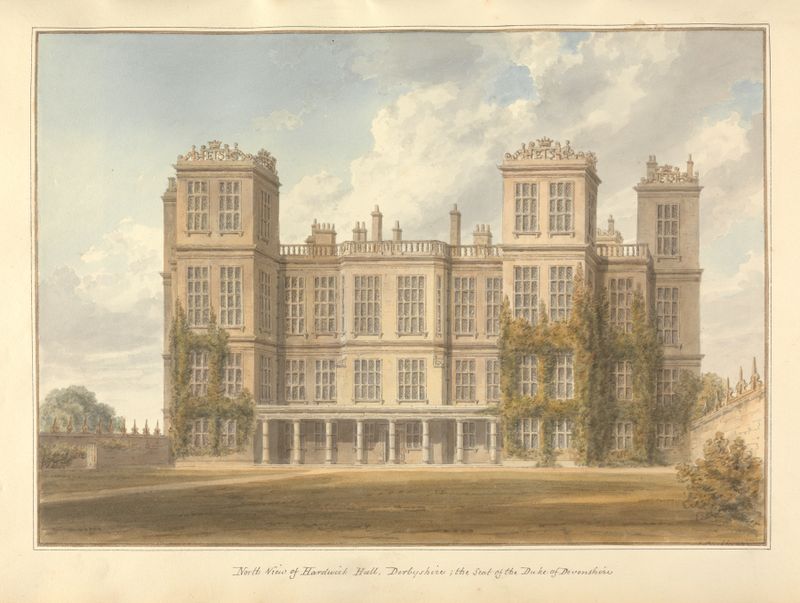
North View of Hardwick Hall, Derbyshire: the Seat of the Duke of Devonshire
John Buckler
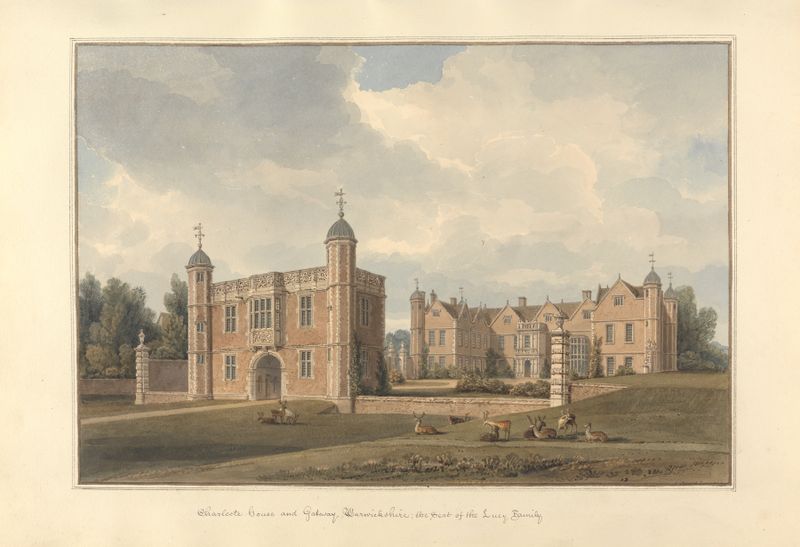
Charlcote house and Gateway, Warwickshire: the Seat of the Lucy Family
John Buckler

North East View of Holland House
John Buckler
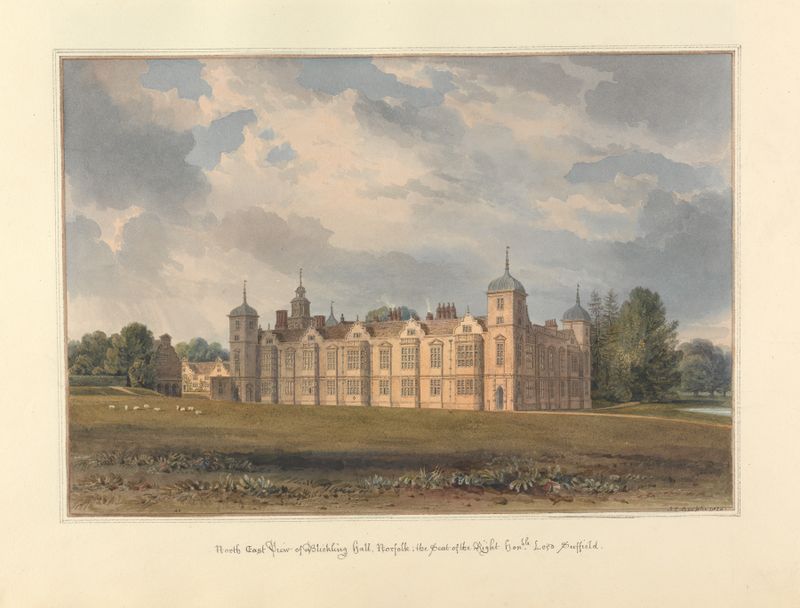
North East View of Blickling Hall, Norfolk: the Seat of the Right Hon’ble Lord Suffield
John Buckler
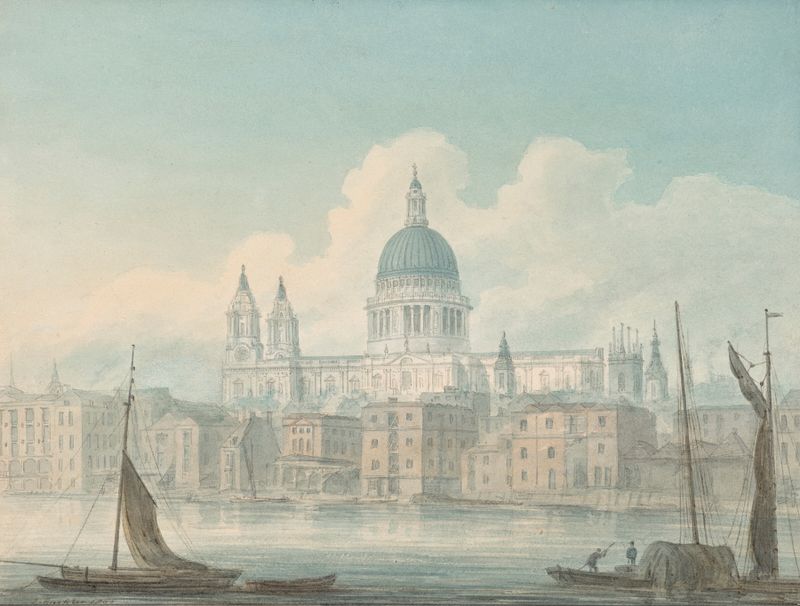
View of St Paul’s Cathedral, from the Southbank of the River Thames, London
John Buckler
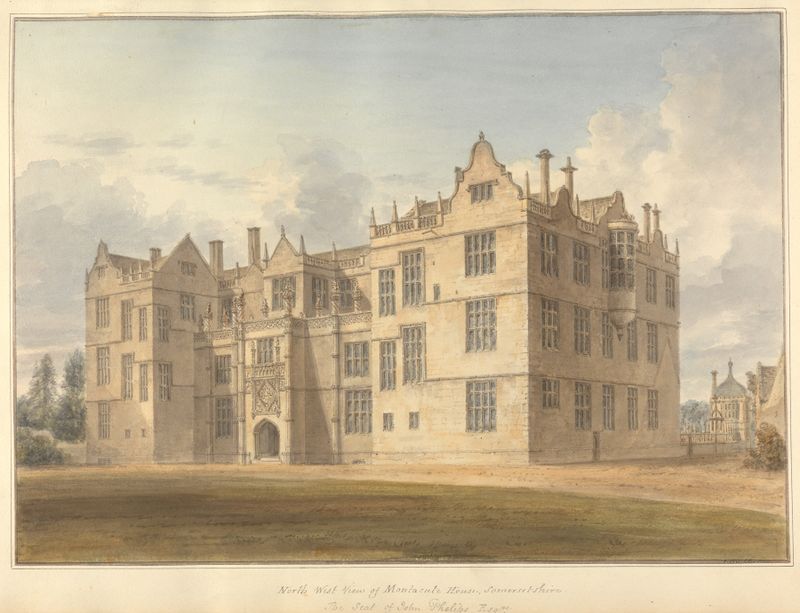
North West View of Montacute House, Somersetshire, The Seat of John Phelips Esqr.
John Buckler
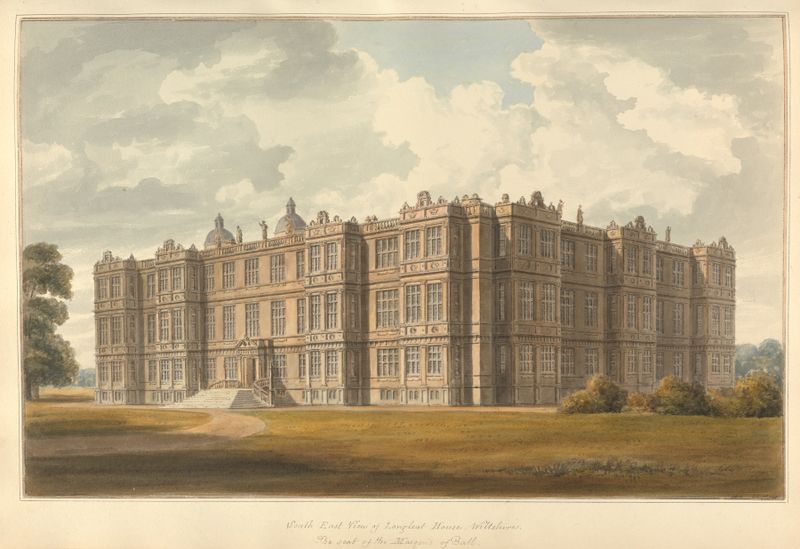
South East View of Longleat House, Wiltshire, the Seat of the Marquis of Bath
John Buckler
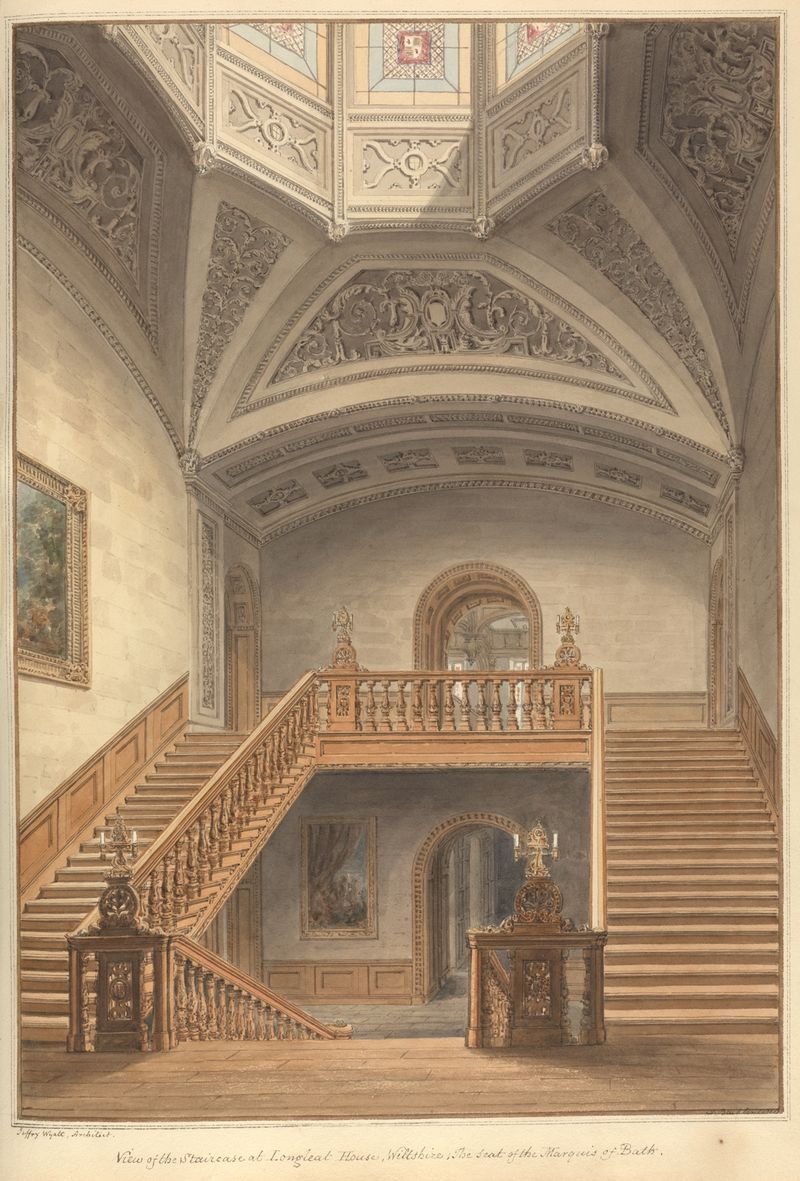
View of the Staircase at Longleat House, Wiltshire: the Seat of the Marquis of Bath
John Buckler
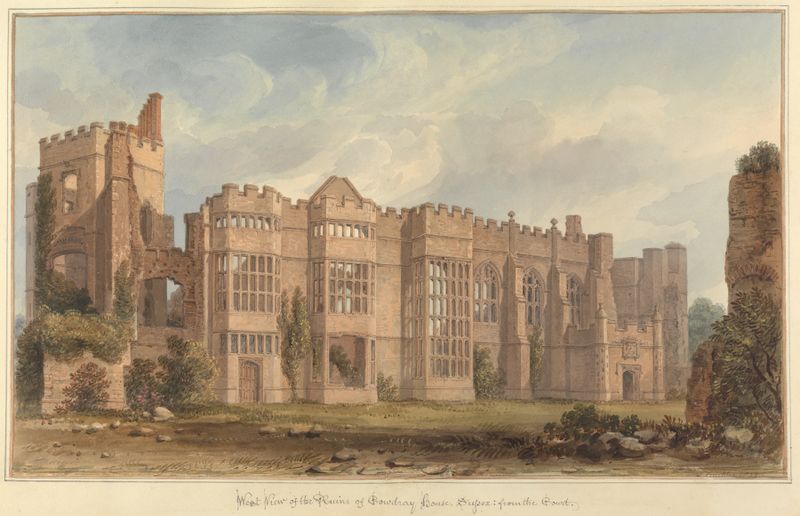
West View of the Ruins of Cowdray House, Sussex: from the Court
John Buckler
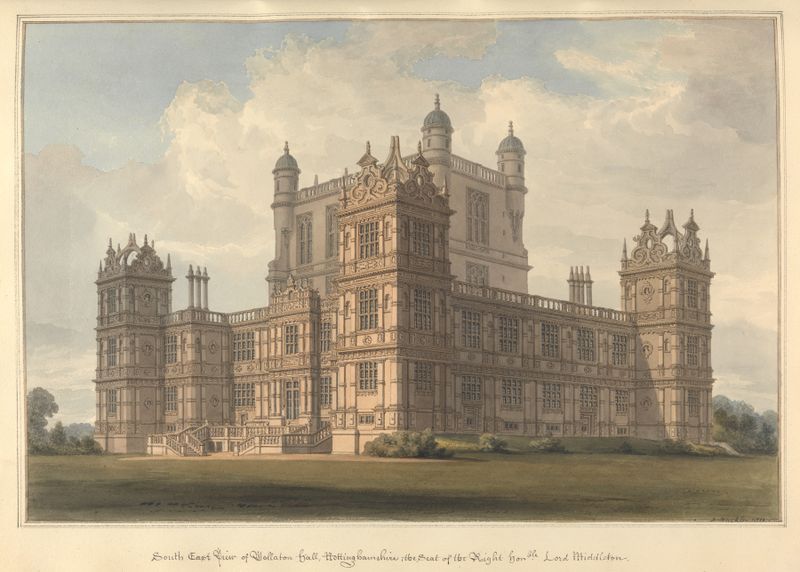
South East view of Wollaton hall, Nottinghamshire, the Seat of the Right honble. Lord Middleton
John Buckler
More Architecture Art
Browse all →
The statue of Liberty
Frédéric Auguste Bartholdi

View of Houses in Delft, Known as ‘The Little Street’
Johannes Vermeer

View of Houses in Delft, Known as ‘The Little Street’
Johannes Vermeer

The Cathedral in Rouen. The portal, Grey Weather
Claude Monet

The yellow house
Vincent van Gogh

The Church in Auvers-sur-Oise, View from the Chevet
Vincent van Gogh