
South-front — History & Facts
A staircase carved into a sheer, ochre-streaked cliff draws the viewer’s eye upward, its dark recesses a stark contrast to the sun-bleached rock that dominates the scene. At the base, a lone figure stands, dwarfed by the monumental geology, while another, barely visible, is tucked into a shadowed nook—a reminder of human presence made small by nature’s immensity. The brushwork is rough and urgent, the palette earthy and warm, evoking both the harshness and the shelter of this landscape.
The composition leads the gaze from the grounded solidity of the foreground to the uncertain heights above, inviting questions about what lies beyond the frame. Painted in 1908, this work by Albin Egger Lienz belongs to a world on the cusp of seismic change. The early twentieth century saw artists across Europe grappling with the realities of rural life, industrialization, and looming conflict—often turning to the land itself as both stage and subject. Egger Lienz was known for his powerful depictions of the Tyrolean countryside and its people, and though little is recorded about the origins or journey of this particular painting, its presence in an art book hints at its quiet endurance.
As you look, consider how the artist’s era shaped his vision: a time when the earth itself seemed both refuge and obstacle, and when the human figure, however small, was never lost from view.
More Artworks by Albin Egger Lienz
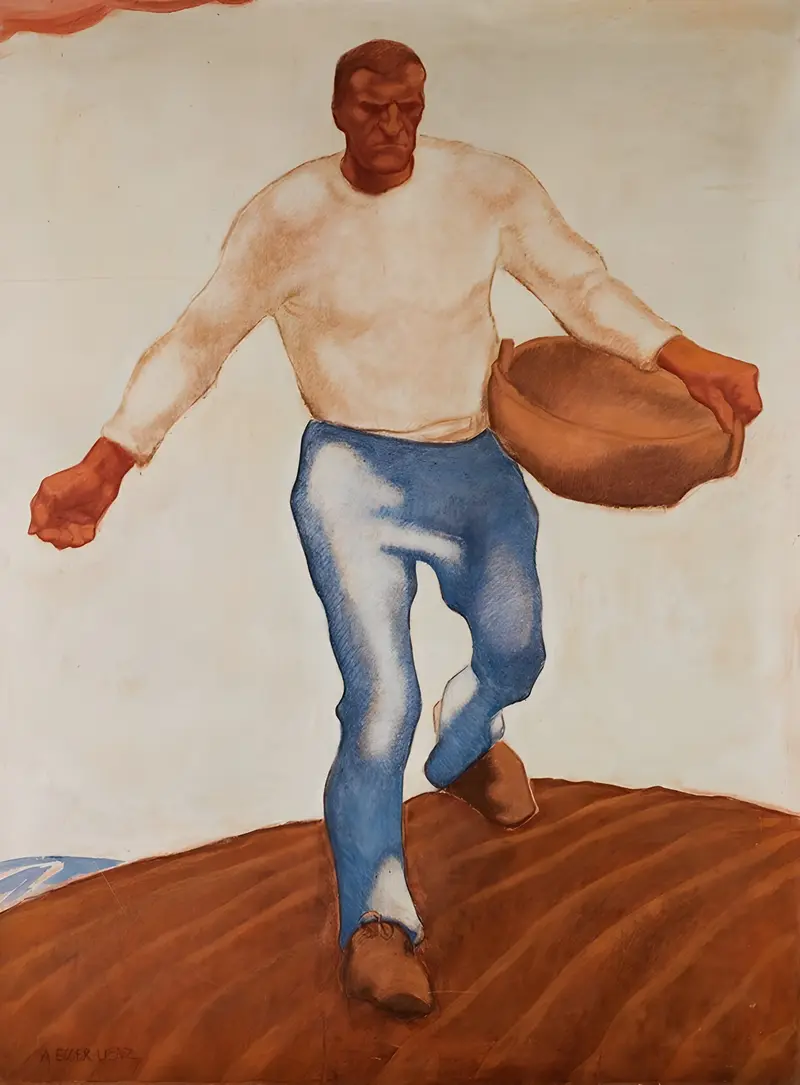
Der Sämann (The Sower)
Albin Egger Lienz
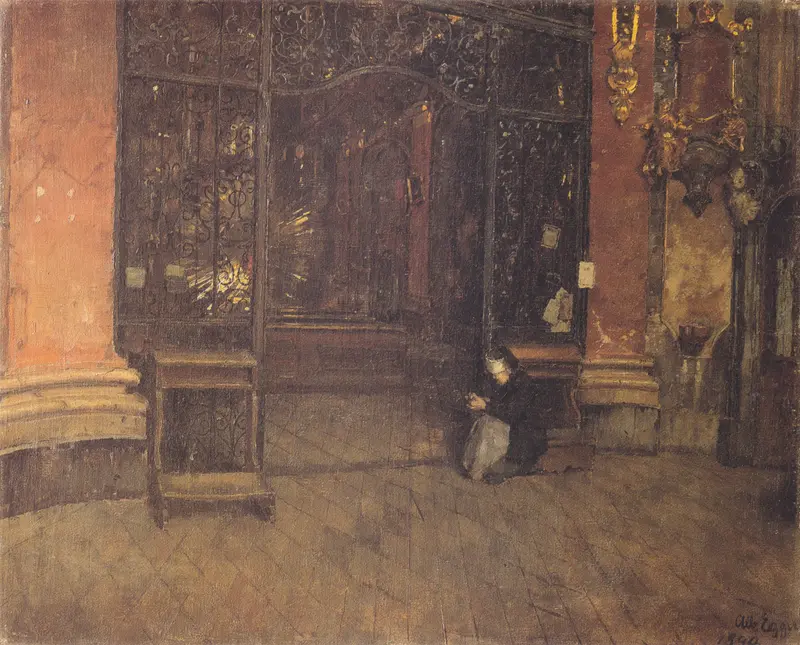
Inneres Der Johanneskirche In München
Albin Egger Lienz
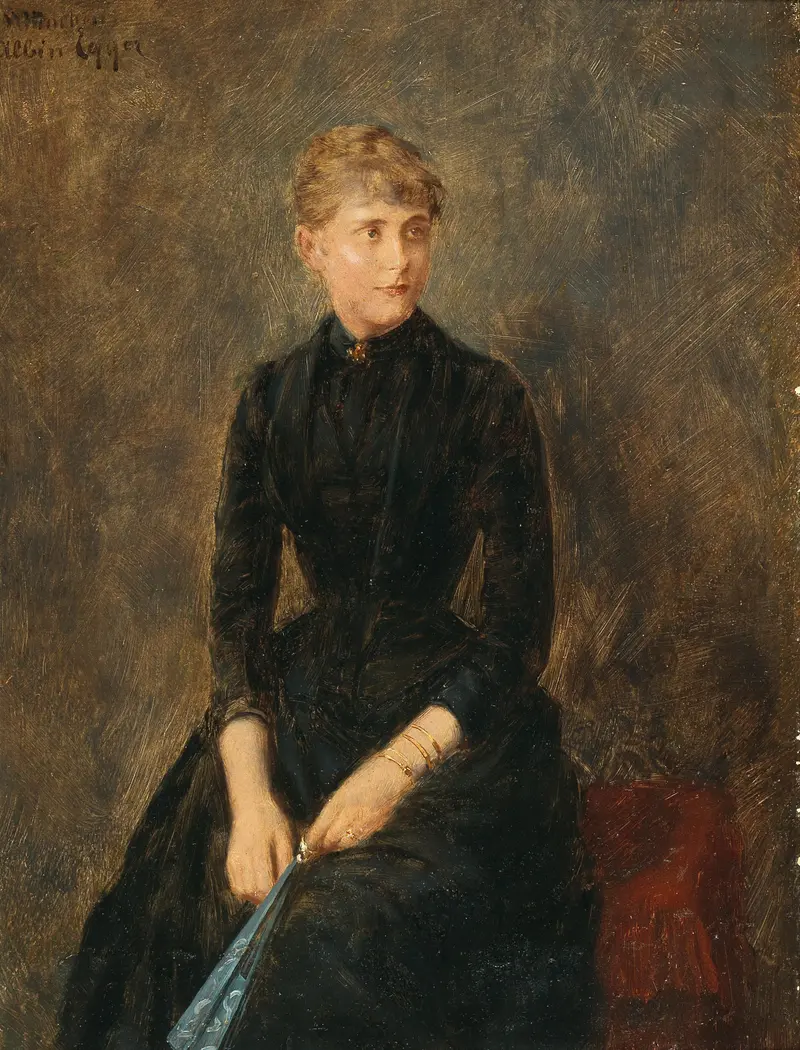
Portrait of the singer Hedwig Helbig
Albin Egger Lienz
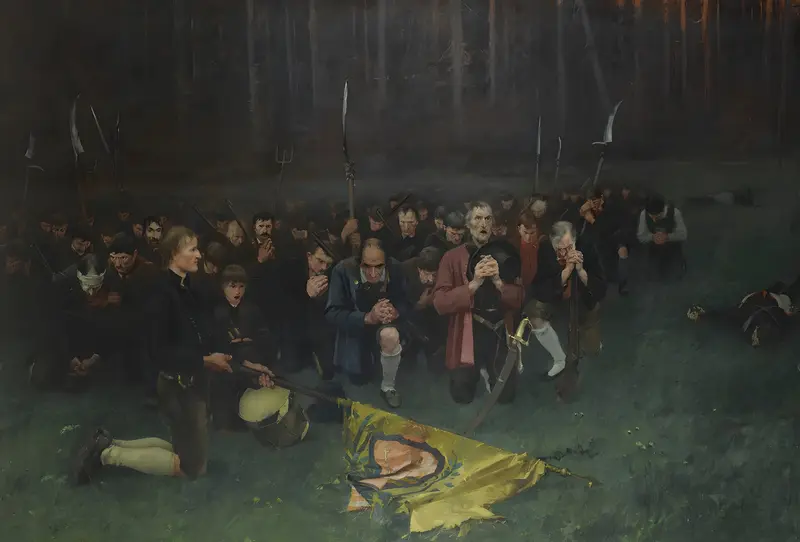
Prayer after the battle of Bergisel
Albin Egger Lienz
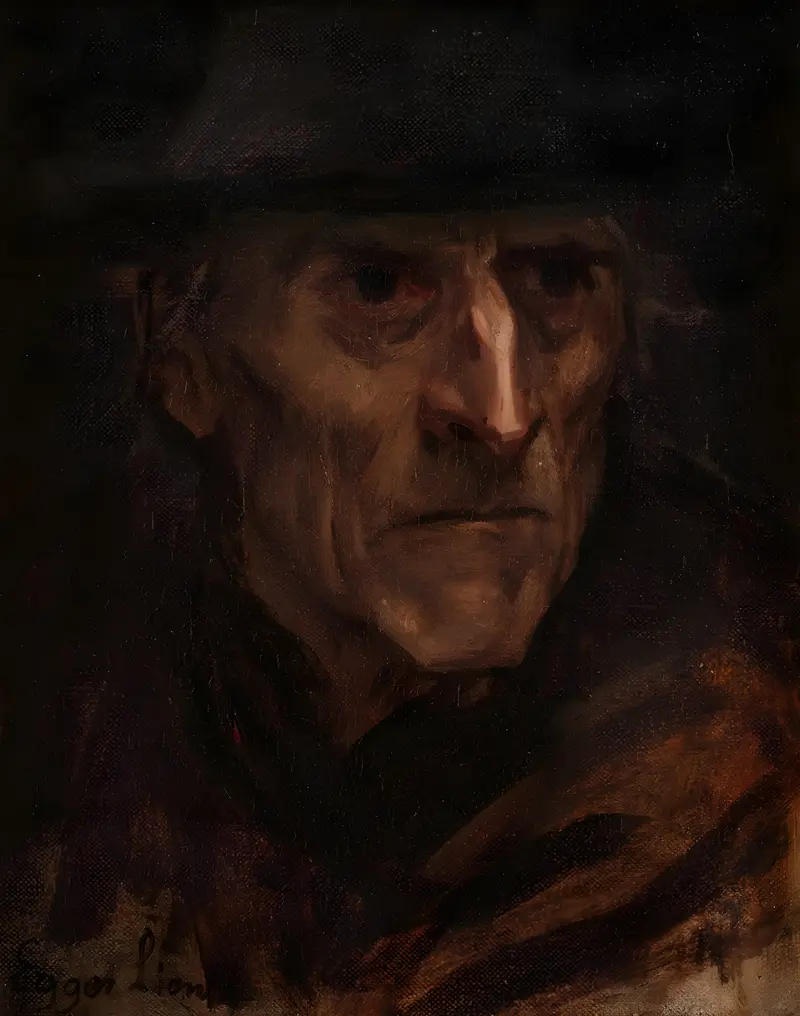
Study for the ‘Sensenmann’ in the ‘Das Kreuz’
Albin Egger Lienz
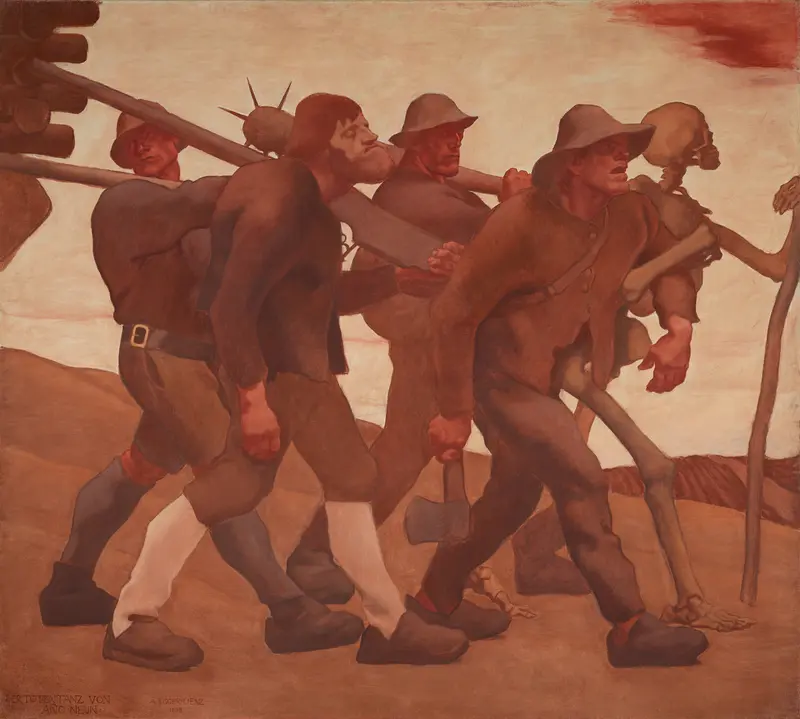
Der Totentanz Von Anno Neun
Albin Egger Lienz
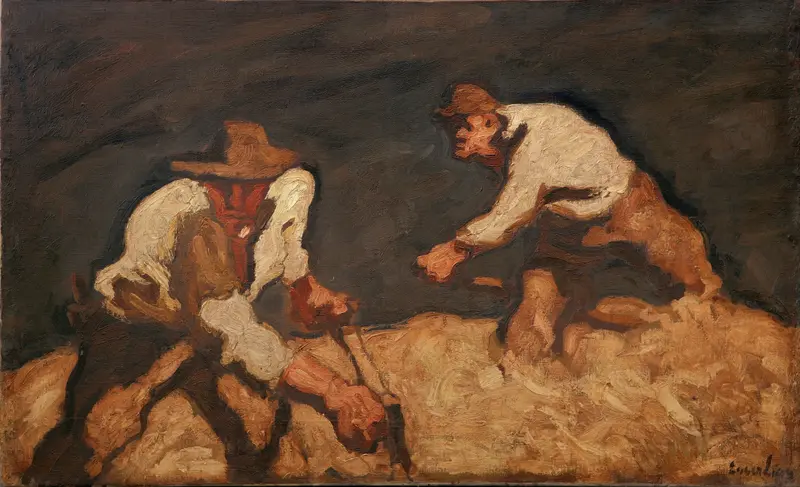
Reapers in a GatheringStorm
Albin Egger Lienz
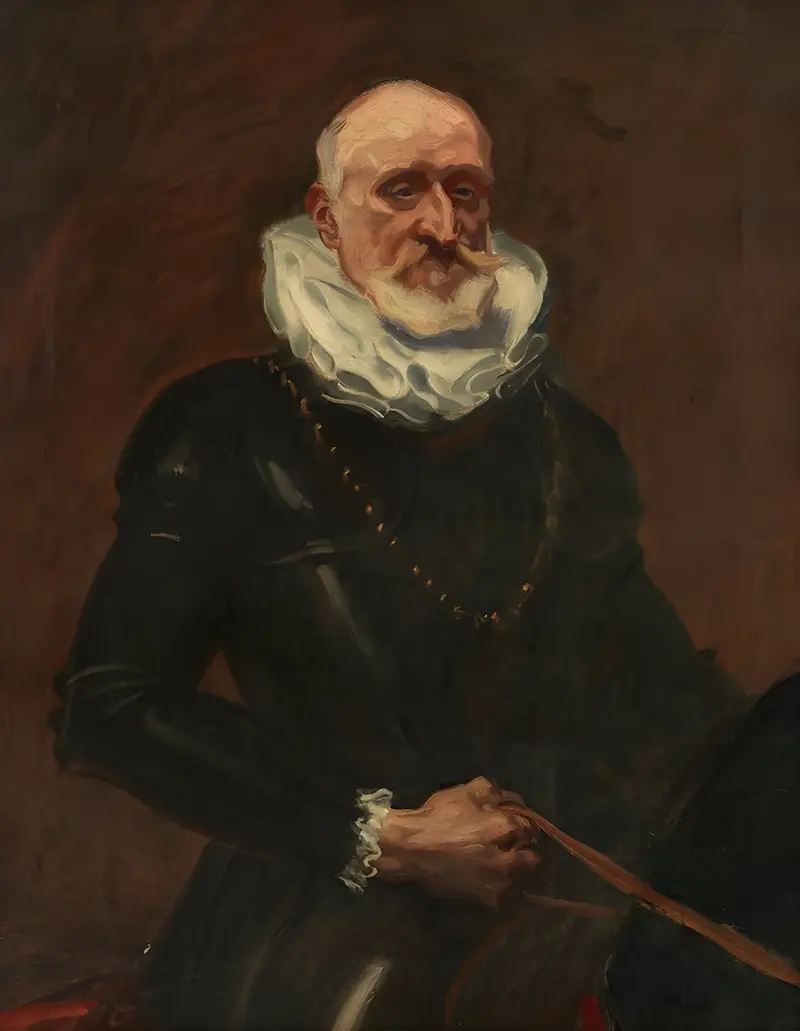
Carl Costenoble (Bildhauer und Stadtrat von Wien)
Albin Egger Lienz
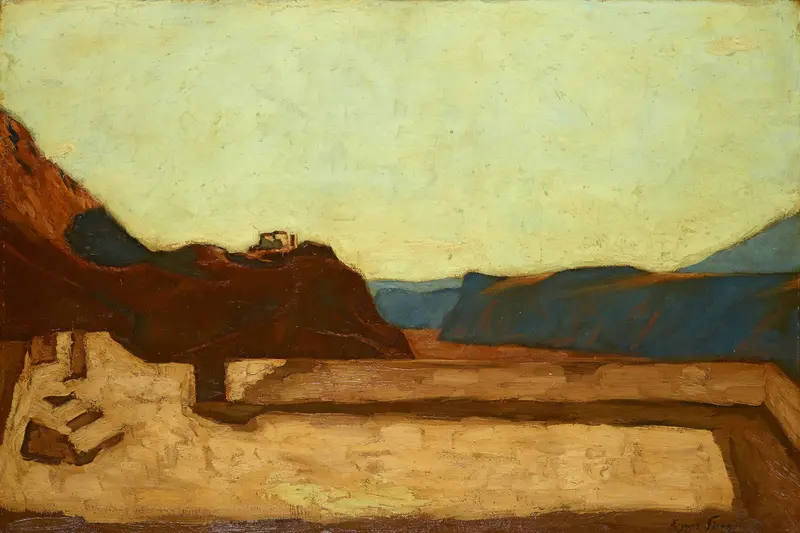
Am Kalvarienberg In Bozen
Albin Egger Lienz
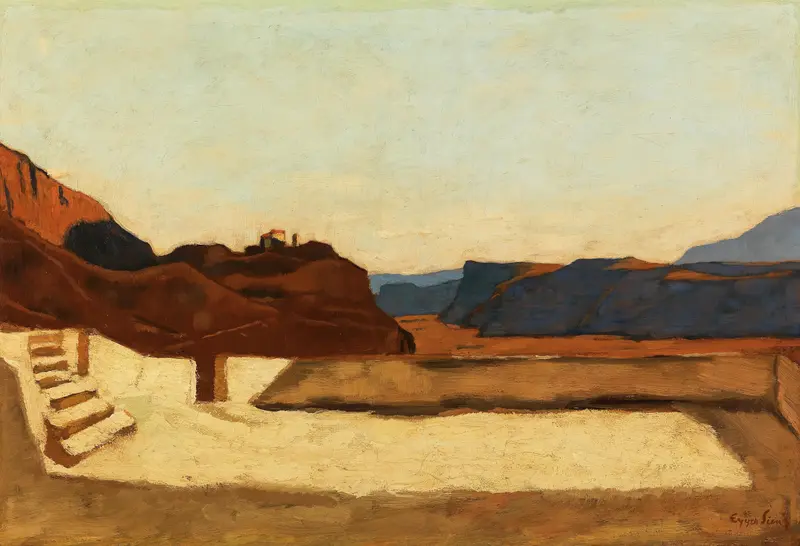
Kalvarienberg bei Bozen
Albin Egger Lienz
More Landscape Art

The Starry Night
Vincent van Gogh

View of Delft
Johannes Vermeer

Water Lilies
Claude Monet

The Grand Canal, Venice, looking north-west from the Ca' Corner to the Ca' Contarini degli Scrigni, with the campanile of Santa Maria della Carità
Canaletto

Windsor Castle
Canaletto

The Grand Canal looking North-East from the Palazzo Dolfin-Manin to the Rialto Bridge
Canaletto