
South View of Montacute House — History & Facts
In this moment of stillness, the layers of history unfold like a forgotten whisper, illuminating the betrayal of time itself. Look to the left at the grand façade of Montacute House, where the honeyed stone glimmers in the afternoon sun. The meticulous architectural details beckon your gaze—arches and windows framed by the lush greenery of its surrounding gardens. Notice how the shadows dance lightly along the path, hinting at life once lived within its walls, while the vibrant palette speaks to both vibrancy and decay, a celebration intertwined with melancholy. As you explore deeper, the contrast between the solid permanence of the house and the ephemeral nature of the landscape becomes evident.
Each brushstroke captures an essence of time’s passage, with the house standing resolute against the encroaching wildness of nature. The blooms hint at forgotten stories, echoing a sense of nostalgia and quiet heartbreak, as if the land itself mourns those who have walked its grounds, leaving behind traces of betrayal and abandonment. Created in 1811, this work emerged during a time of significant change in England, both politically and artistically. John Buckler, an architect turned painter, was influenced by the Romantic movement, which sought to depict nature's majesty alongside human emotion.
While Buckler painted, the world was grappling with the rapid industrialization that threatened the very landscapes and histories he cherished, making his portrayal of Montacute House a poignant reflection on what was being left behind.
More Artworks by John Buckler
Browse all →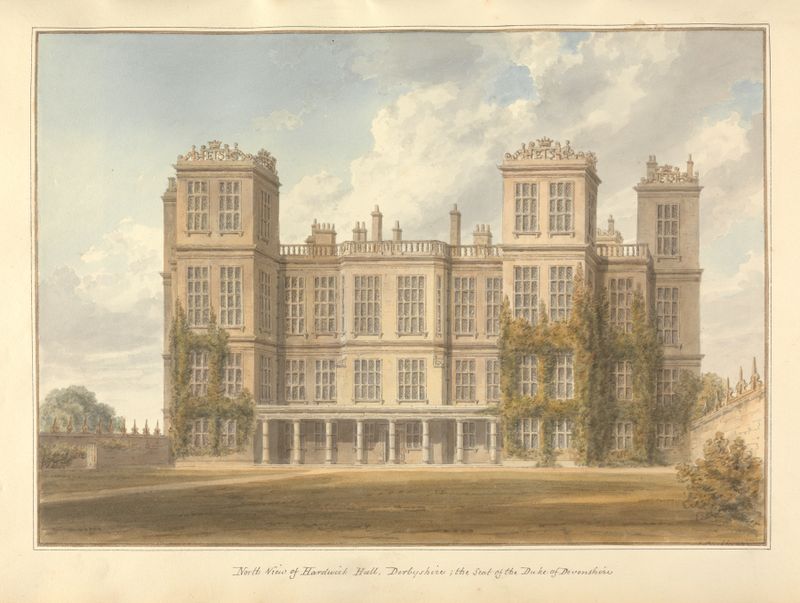
North View of Hardwick Hall, Derbyshire: the Seat of the Duke of Devonshire
John Buckler
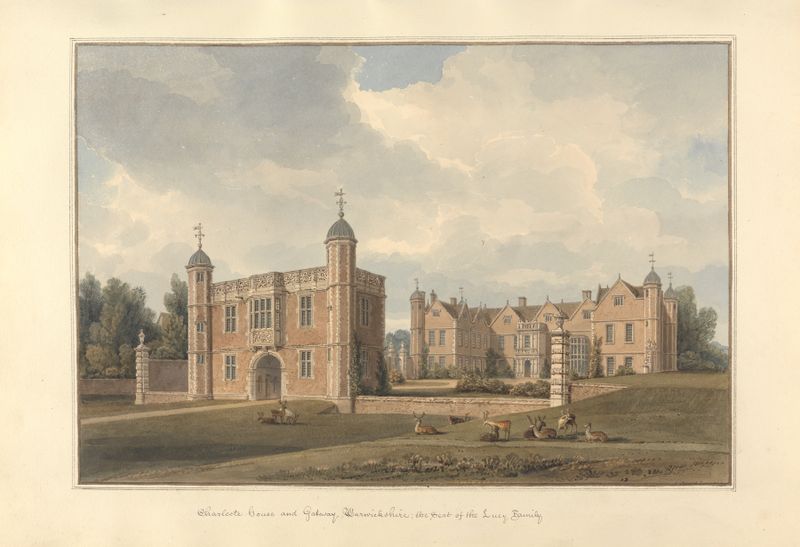
Charlcote house and Gateway, Warwickshire: the Seat of the Lucy Family
John Buckler

North East View of Holland House
John Buckler
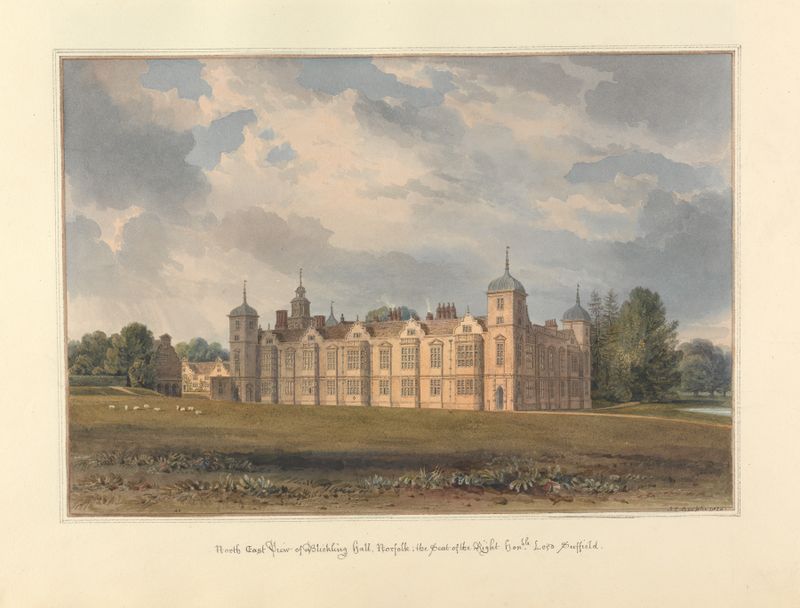
North East View of Blickling Hall, Norfolk: the Seat of the Right Hon’ble Lord Suffield
John Buckler
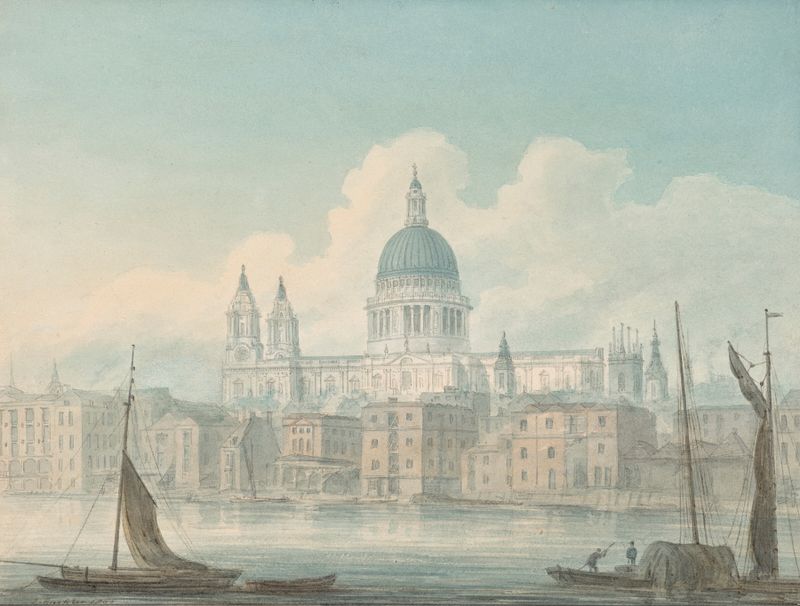
View of St Paul’s Cathedral, from the Southbank of the River Thames, London
John Buckler
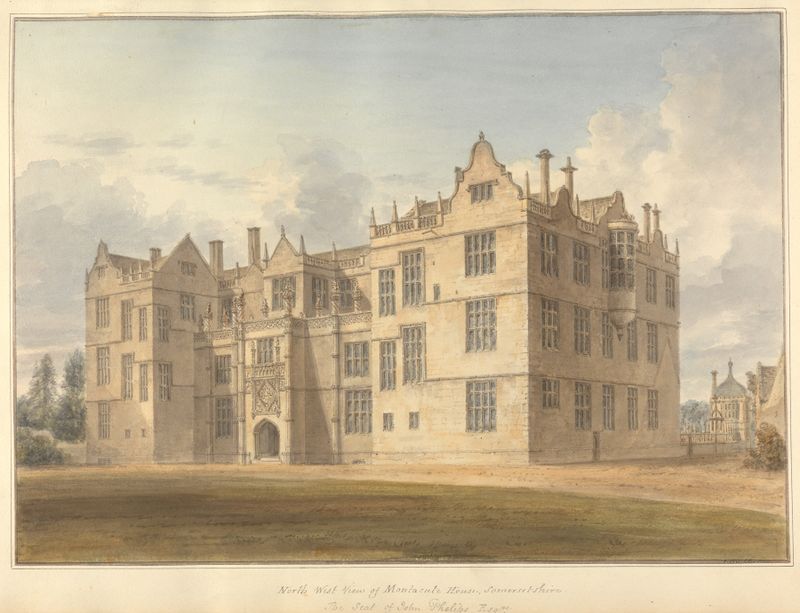
North West View of Montacute House, Somersetshire, The Seat of John Phelips Esqr.
John Buckler
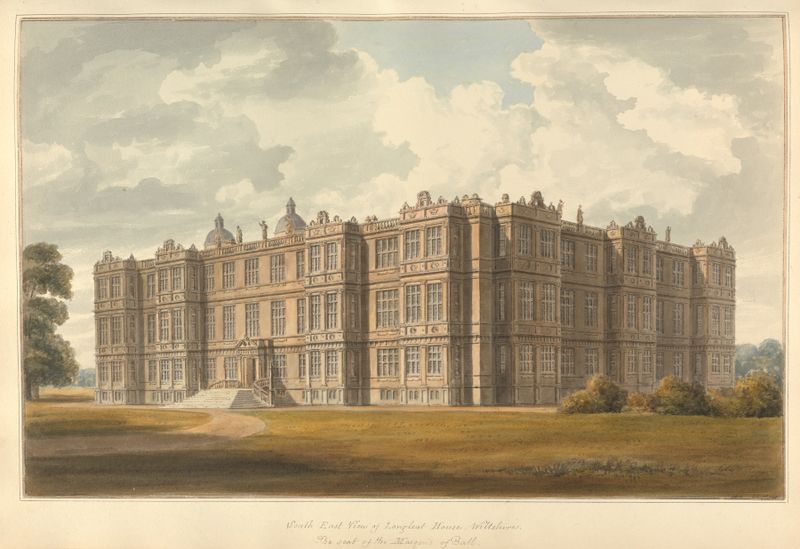
South East View of Longleat House, Wiltshire, the Seat of the Marquis of Bath
John Buckler
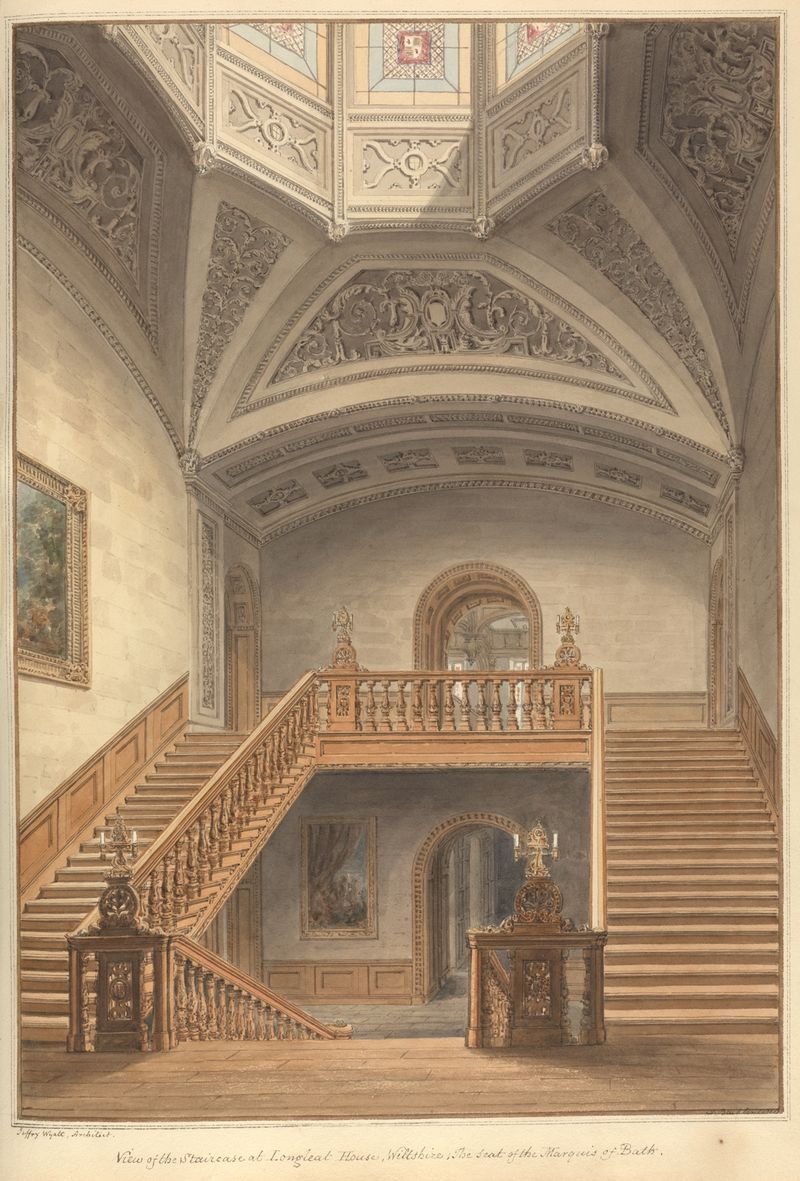
View of the Staircase at Longleat House, Wiltshire: the Seat of the Marquis of Bath
John Buckler
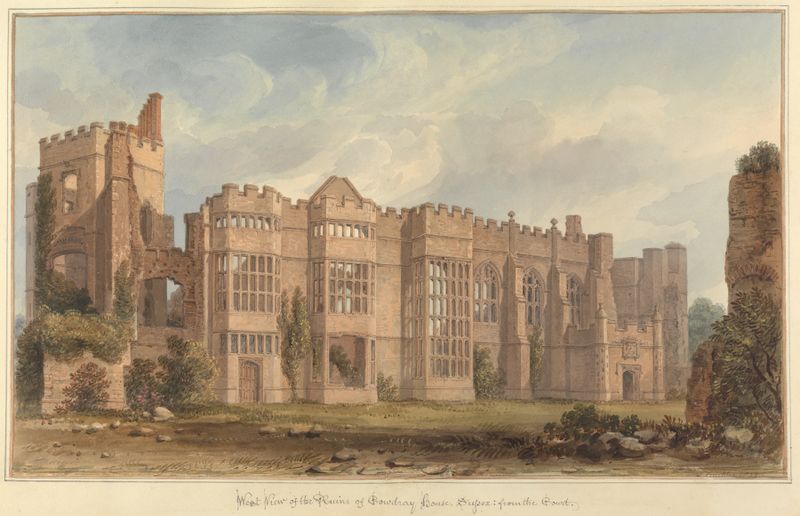
West View of the Ruins of Cowdray House, Sussex: from the Court
John Buckler
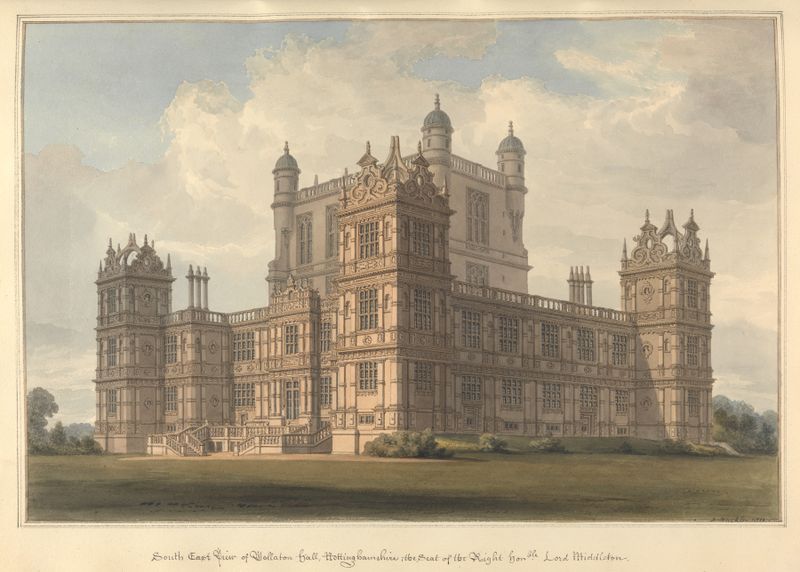
South East view of Wollaton hall, Nottinghamshire, the Seat of the Right honble. Lord Middleton
John Buckler
More Architecture Art
Browse all →
The statue of Liberty
Frédéric Auguste Bartholdi

View of Houses in Delft, Known as ‘The Little Street’
Johannes Vermeer

View of Houses in Delft, Known as ‘The Little Street’
Johannes Vermeer

The Cathedral in Rouen. The portal, Grey Weather
Claude Monet

The yellow house
Vincent van Gogh

The Church in Auvers-sur-Oise, View from the Chevet
Vincent van Gogh