
South West View of Fountains Hall, near the Abbey, Yorkshire belonging to Miss Larvience of Studley Royal — History & Facts
When did color learn to lie? In the delicate strokes and vibrant tones of a painting, truth and illusion dance together, revealing the secrets of emotion and movement. Look to the foreground, where the graceful arch of the stone bridge invites the viewer into a world that feels both serene and bustling. Notice how the lush greens of the manicured lawns pulse with life beneath the soft interplay of sunlight, casting dappled shadows that suggest a gentle breeze. The distant silhouette of Fountains Hall, framed by the rolling hills and trees, evokes a sense of tranquility while hinting at the stories contained within its walls. Beneath the surface, there is a tension between the idyllic landscape and the human presence, barely hinted at in the distant figures.
Their smallness against the grandeur of the estate emphasizes the interplay of nature and the constructed environment. The use of color serves not merely to represent, but to convey a sense of movement—each brushstroke appears to breathe life into the scene, suggesting the passage of time and the quiet activity of daily life, as if the landscape itself is humming with untold narratives. In 1811, John Buckler painted this work during a time of burgeoning Romanticism in England, where nature's beauty was increasingly celebrated as a reflection of individual emotion. Living in Yorkshire, Buckler's explorations of architectural subjects aligned with a growing interest in the picturesque, blending natural beauty with human artistry, revealing not only the scene before him but also the cultural context of a society captivated by its own heritage.
More Artworks by John Buckler
Browse all →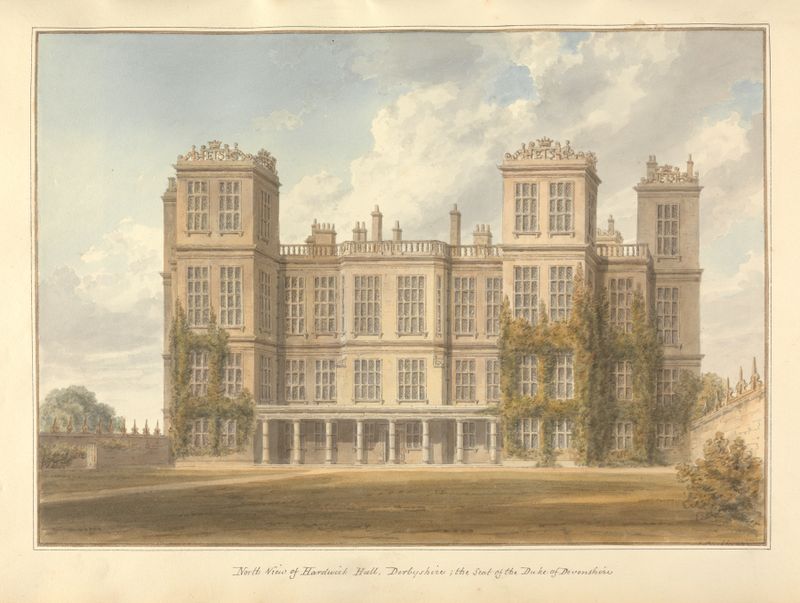
North View of Hardwick Hall, Derbyshire: the Seat of the Duke of Devonshire
John Buckler
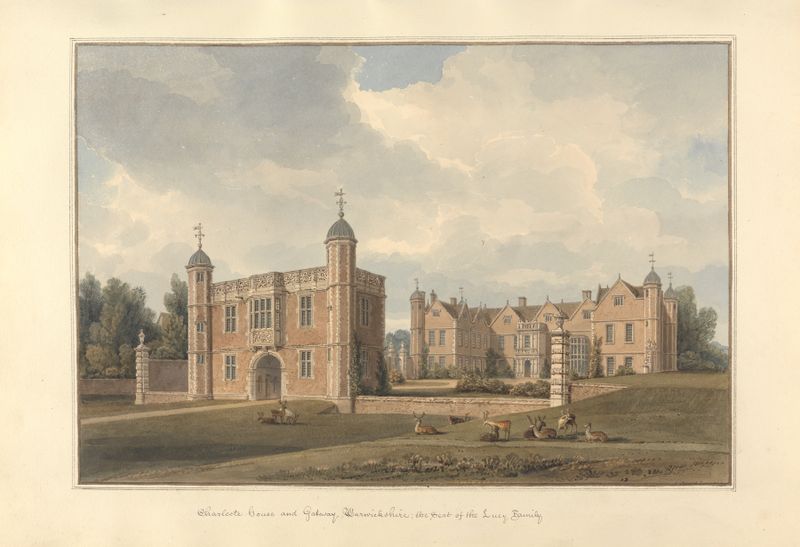
Charlcote house and Gateway, Warwickshire: the Seat of the Lucy Family
John Buckler

North East View of Holland House
John Buckler
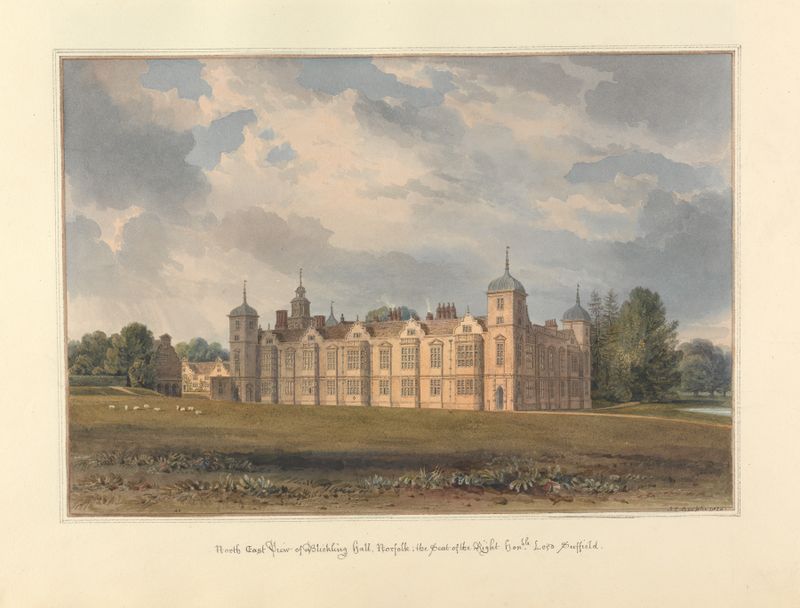
North East View of Blickling Hall, Norfolk: the Seat of the Right Hon’ble Lord Suffield
John Buckler
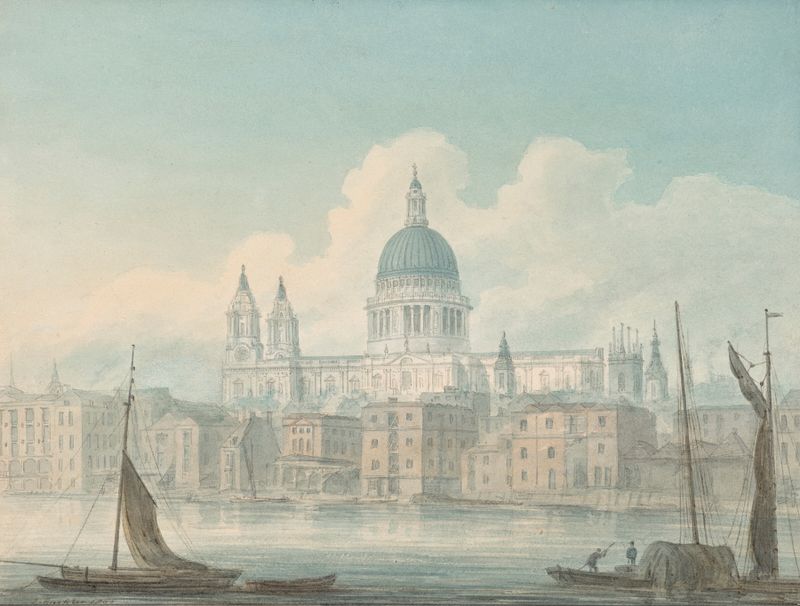
View of St Paul’s Cathedral, from the Southbank of the River Thames, London
John Buckler
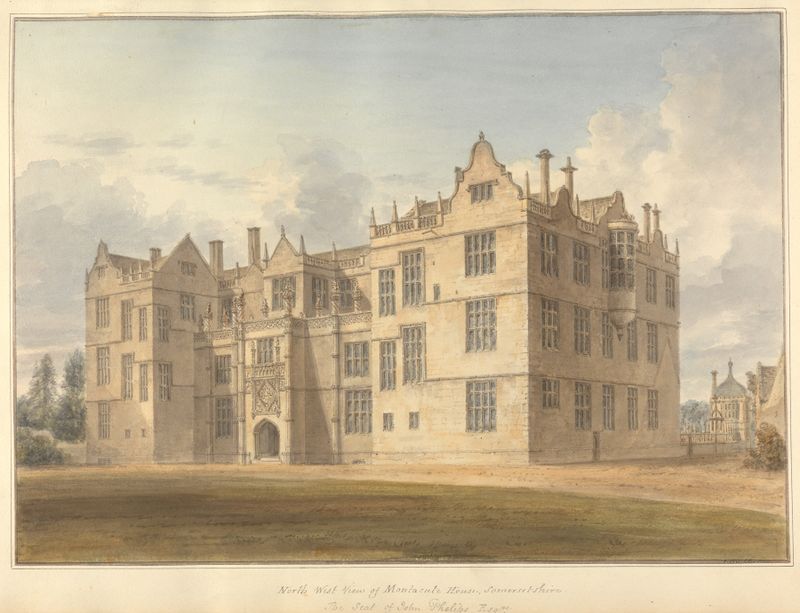
North West View of Montacute House, Somersetshire, The Seat of John Phelips Esqr.
John Buckler
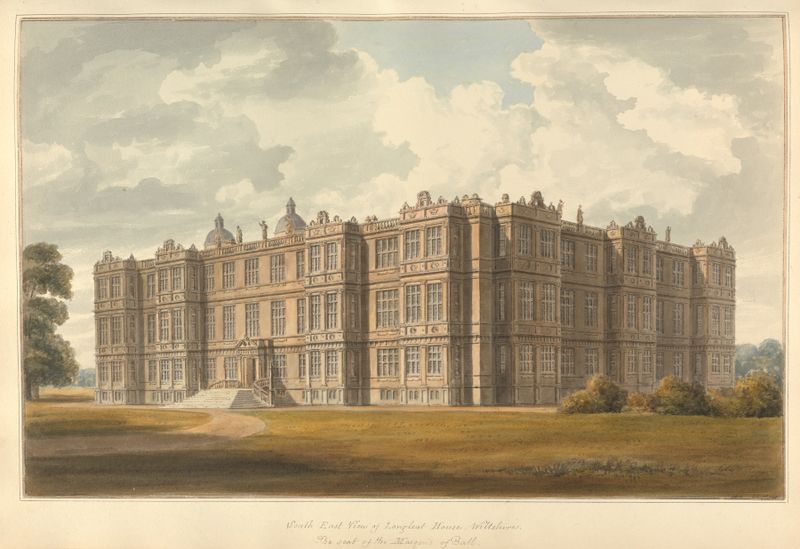
South East View of Longleat House, Wiltshire, the Seat of the Marquis of Bath
John Buckler
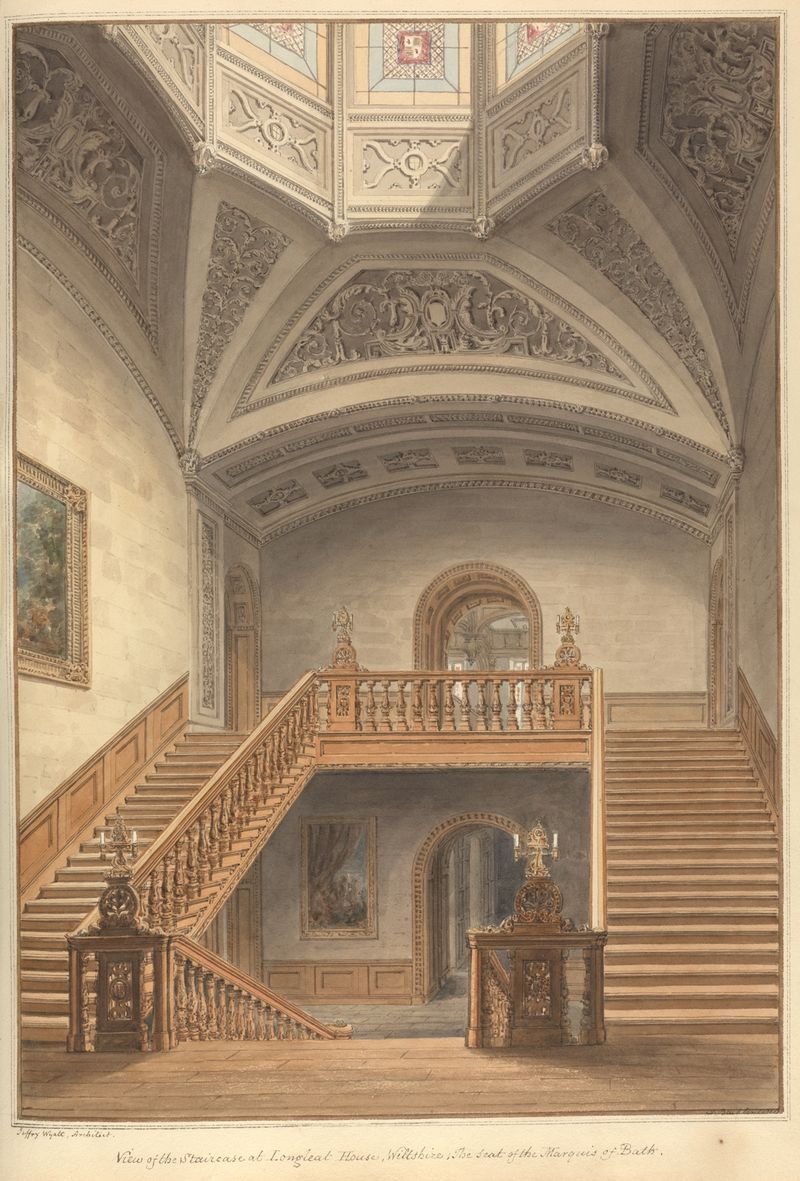
View of the Staircase at Longleat House, Wiltshire: the Seat of the Marquis of Bath
John Buckler
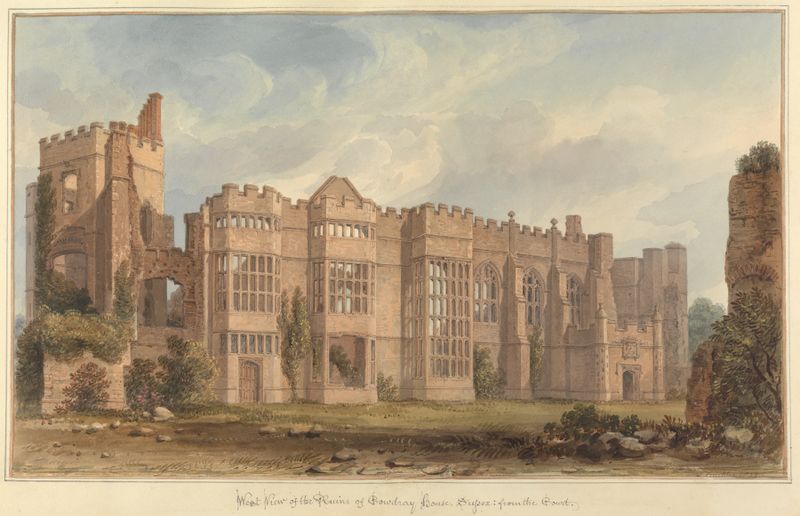
West View of the Ruins of Cowdray House, Sussex: from the Court
John Buckler
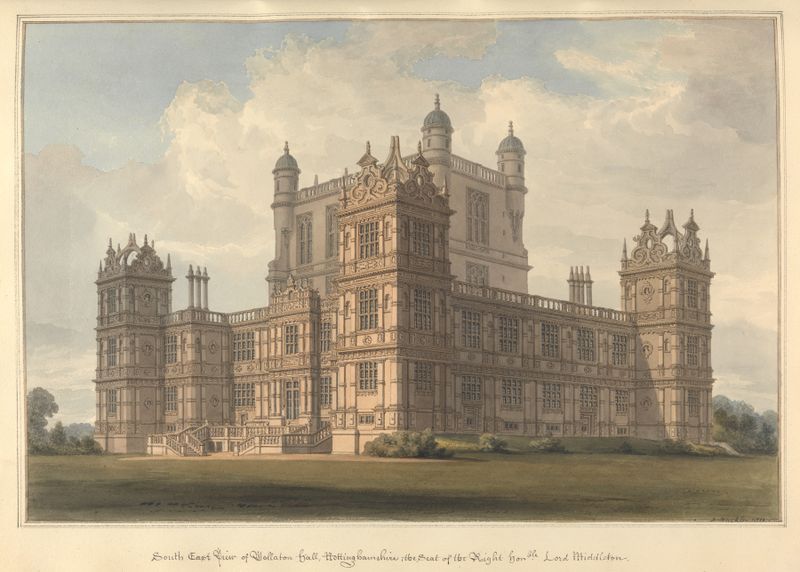
South East view of Wollaton hall, Nottinghamshire, the Seat of the Right honble. Lord Middleton
John Buckler





