
South West View of Ingestre, Staffordshire: the Seat of the Right Honourable Earl Talbot — History & Facts
Can beauty exist without sorrow? In the serene landscape, time flows like a gentle stream, weaving memories into the fabric of nature. Focus on the lush expanse of the countryside, where the eye is immediately drawn to the elegant manor nestled amidst verdant fields and towering trees. Notice how the artist employs a delicate palette of greens and earthy browns to evoke a sense of harmony and tranquility. The light dances across the landscape, highlighting the intricate details of the buildings while casting soft shadows that suggest the passage of time.
The sweeping sky, painted with gentle blues and wispy clouds, seems to cradle the scene, creating an atmosphere of peace. Yet, beneath this picturesque surface lies a subtle tension—a contrast between permanence and transience. The grandeur of the estate stands resilient against the encroaching wildness of nature, embodying human ambition and aspiration. However, the delicate brushstrokes that render the foliage whisper of change, hinting at the inevitable decay that accompanies beauty.
Here, one can sense the fleeting nature of life, as the setting sun marks the end of day, a reminder of time’s relentless march. In 1815, Buckler painted this scene as part of the English Romantic movement, a time when artists sought to capture the sublime beauty of landscapes. As he settled into his role as a prominent architect and artist, the world around him was shifting—industrialization was transforming the countryside, making these serene views increasingly rare. This artwork serves as a poignant reminder of the past, encapsulating a moment before the inevitable changes took hold, a serene yet melancholic reflection on the beauty of a fleeting world.
More Artworks by John Buckler
Browse all →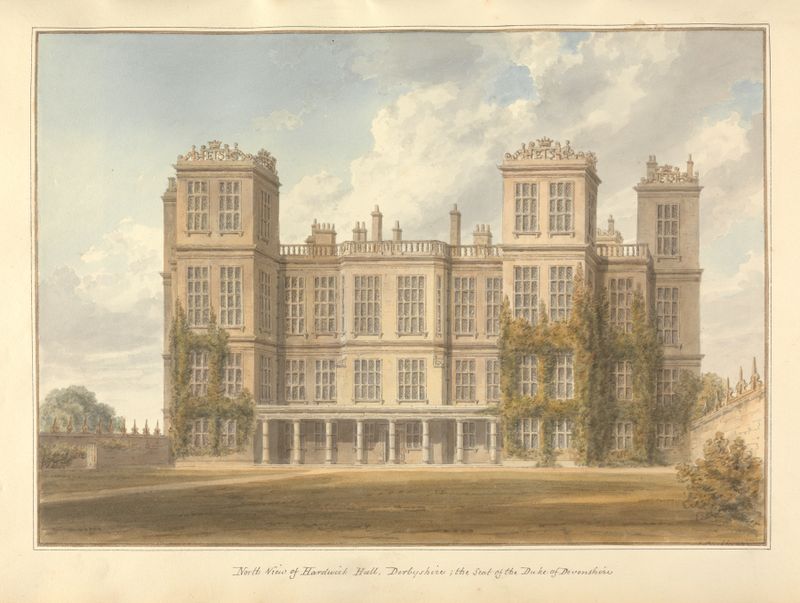
North View of Hardwick Hall, Derbyshire: the Seat of the Duke of Devonshire
John Buckler
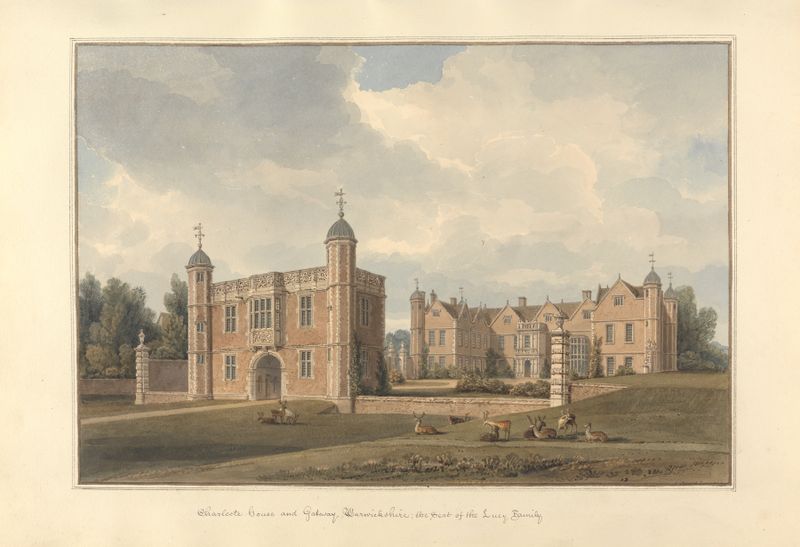
Charlcote house and Gateway, Warwickshire: the Seat of the Lucy Family
John Buckler

North East View of Holland House
John Buckler
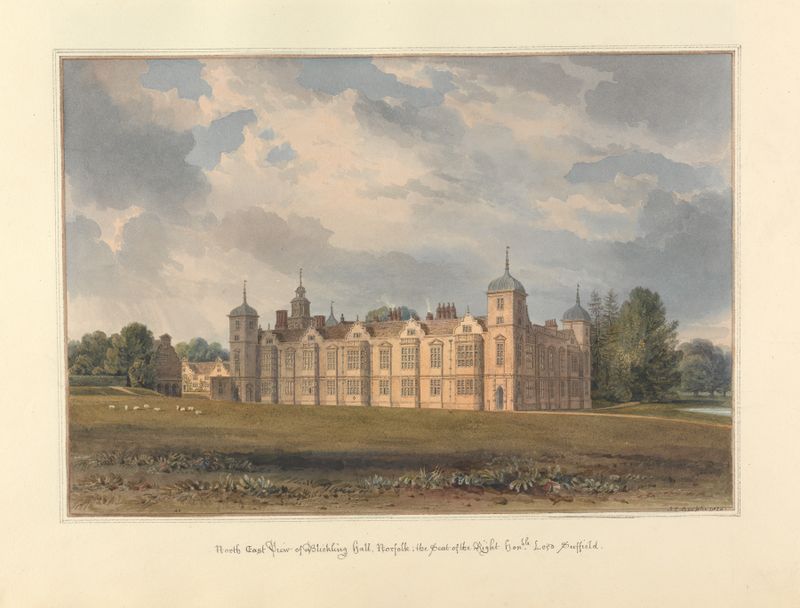
North East View of Blickling Hall, Norfolk: the Seat of the Right Hon’ble Lord Suffield
John Buckler
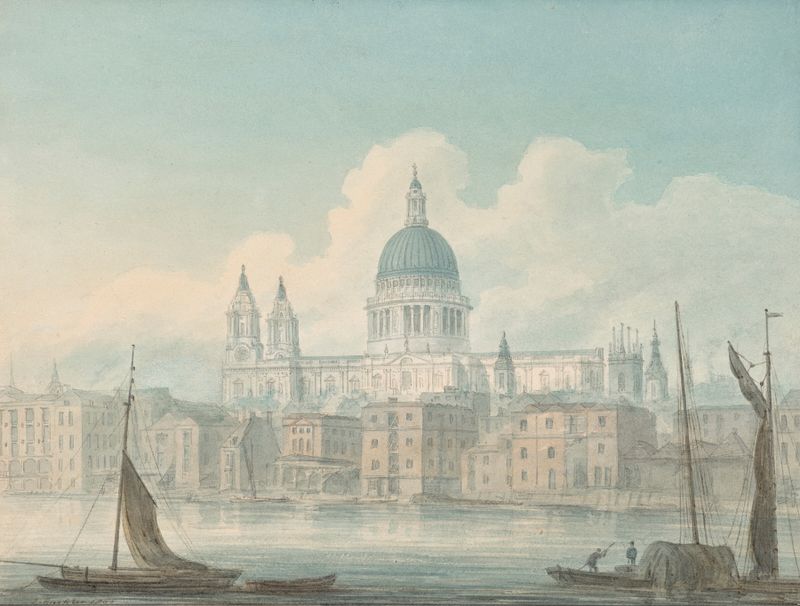
View of St Paul’s Cathedral, from the Southbank of the River Thames, London
John Buckler
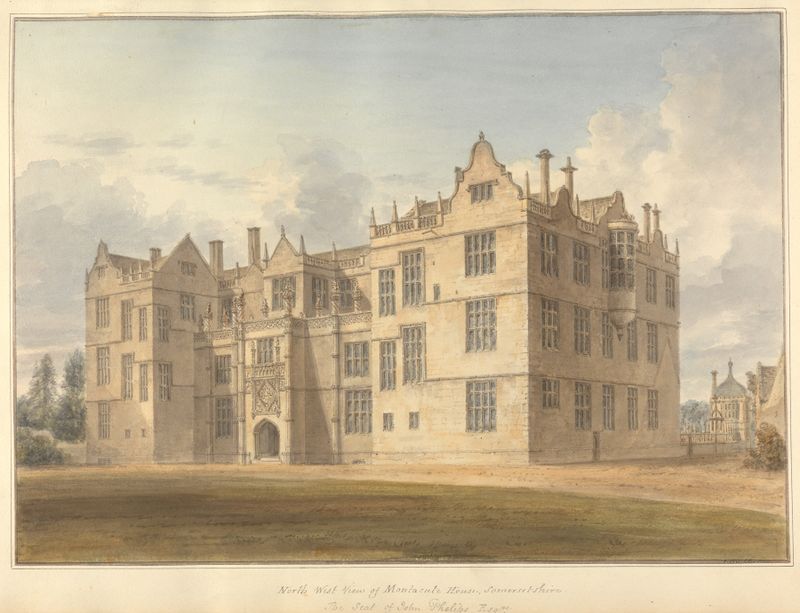
North West View of Montacute House, Somersetshire, The Seat of John Phelips Esqr.
John Buckler
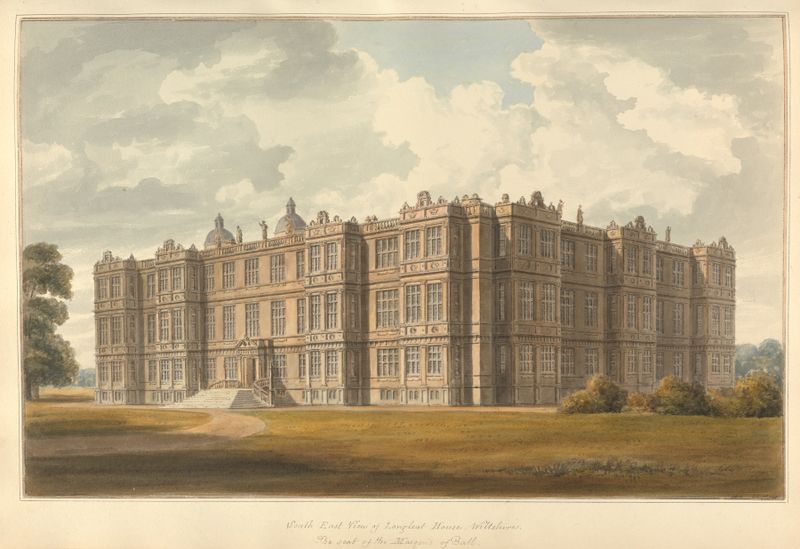
South East View of Longleat House, Wiltshire, the Seat of the Marquis of Bath
John Buckler
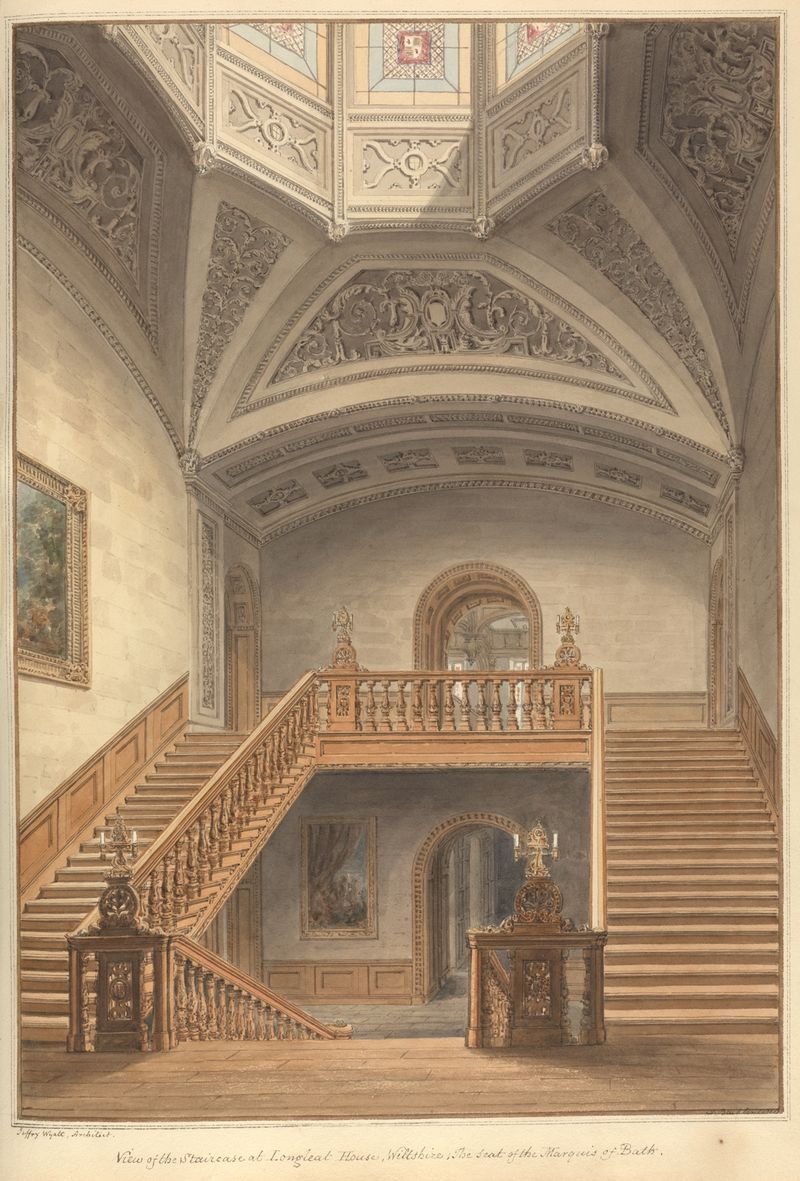
View of the Staircase at Longleat House, Wiltshire: the Seat of the Marquis of Bath
John Buckler
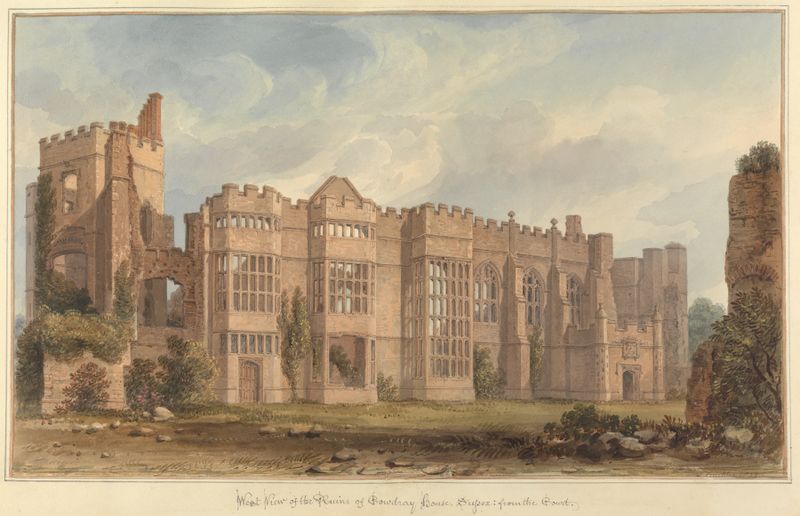
West View of the Ruins of Cowdray House, Sussex: from the Court
John Buckler
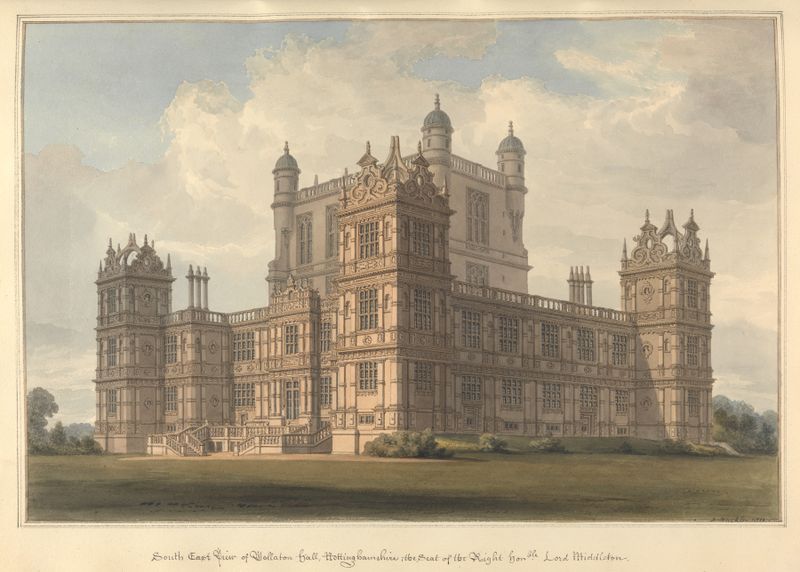
South East view of Wollaton hall, Nottinghamshire, the Seat of the Right honble. Lord Middleton
John Buckler





