
South West View of Moreton Corbet Shropshire: belonging to Sir Andrew Corbet Bart. — History & Facts
What if beauty was never meant to be finished? In the hauntingly serene landscape painted in 1822, the transience of life whispers through the undulating hills and distant structures, evoking a sense of mortality that mirrors our own fleeting existence. Look to the foreground, where gentle strokes of green paint create a lush carpet of grass, leading the eye toward the elegant lines of Moreton Corbet's architecture. Notice how the soft, dappled light bathes the scene, illuminating the sturdy stonework while casting shadows that dance over the valley. The palette of muted earth tones harmonizes with the sky, creating a tranquil yet somber atmosphere that hints at the passage of time and the inevitable decay that follows beauty. As you delve deeper, the careful detailing of the trees and the clouds overhead draws forth a contrast between permanence and impermanence.
The ruins of the castle stand testament to a forgotten past, embodying both the aspirations of its builders and the weight of history that lingers in every stone. This interplay reminds us that while landscapes endure, they too are subject to the forces of nature and time, resonating with the artist's understanding of life's temporary nature. John Buckler painted this view in a period marked by shifts in artistic expression and the rise of the Romantic movement. Working primarily in Shropshire, he sought to capture the harmony between architecture and the natural world, reflecting a broader narrative of an era that grappled with industrial change and nostalgia for an idyllic past.
His portrayal of Moreton Corbet serves not only as a record of place but as a meditation on the beauty that is both eternal and ephemeral.
More Artworks by John Buckler
Browse all →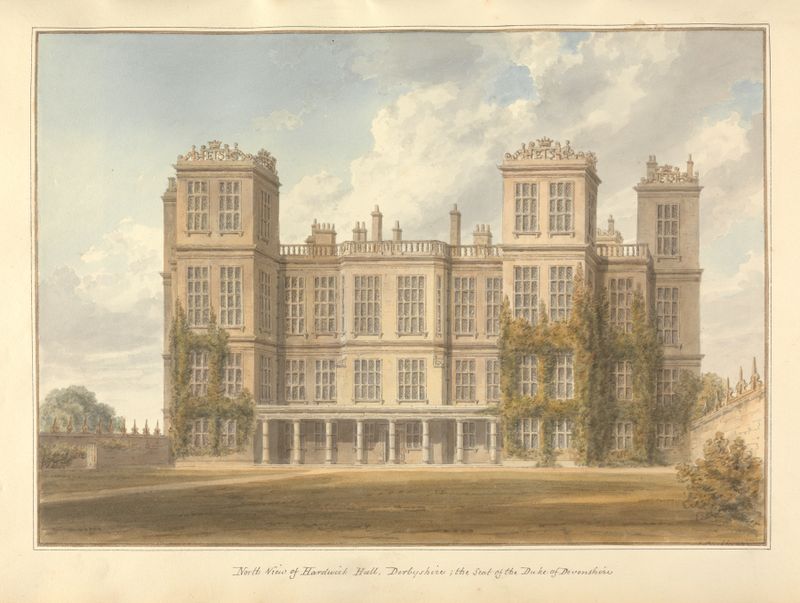
North View of Hardwick Hall, Derbyshire: the Seat of the Duke of Devonshire
John Buckler
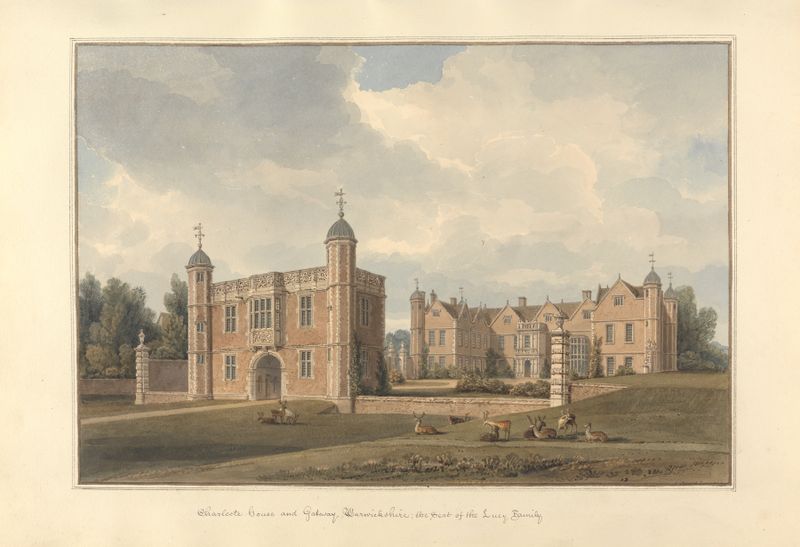
Charlcote house and Gateway, Warwickshire: the Seat of the Lucy Family
John Buckler

North East View of Holland House
John Buckler
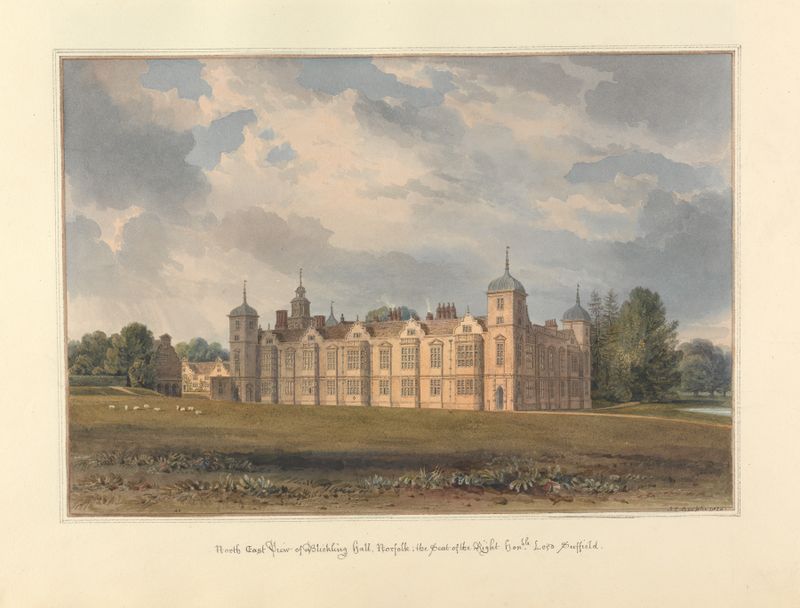
North East View of Blickling Hall, Norfolk: the Seat of the Right Hon’ble Lord Suffield
John Buckler
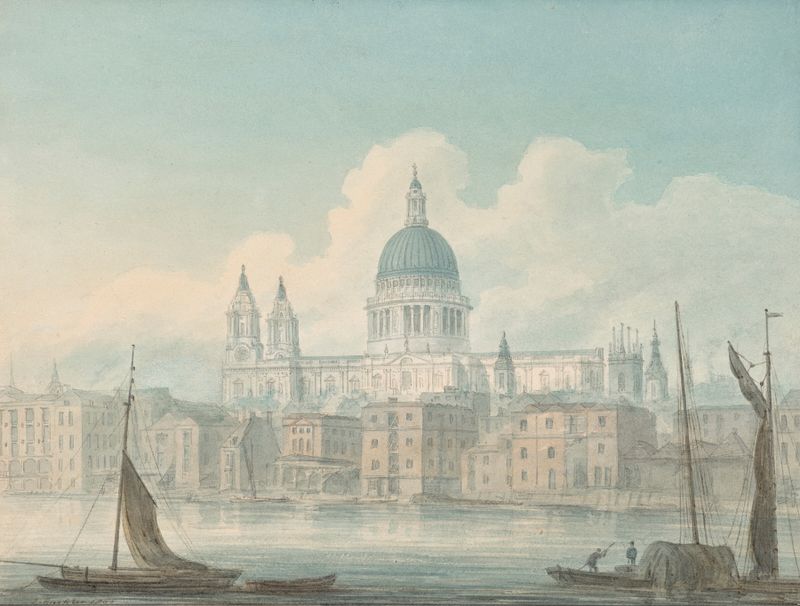
View of St Paul’s Cathedral, from the Southbank of the River Thames, London
John Buckler
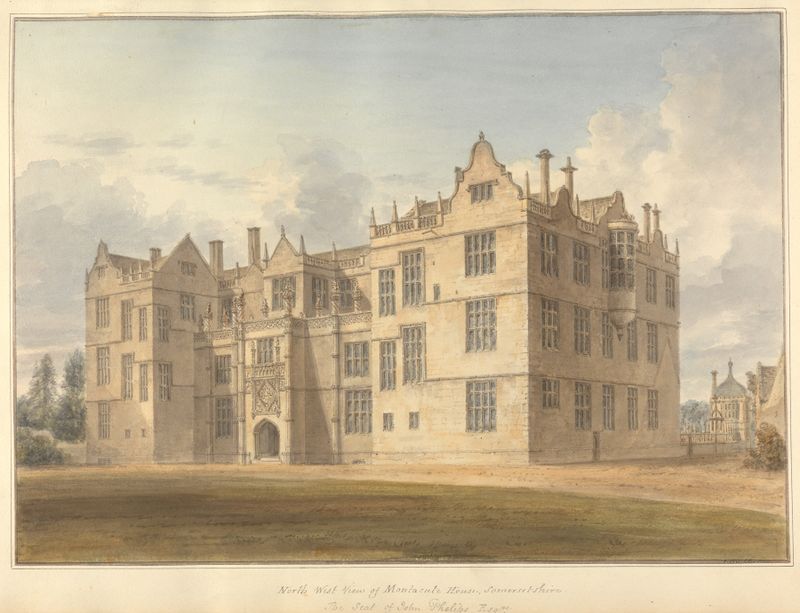
North West View of Montacute House, Somersetshire, The Seat of John Phelips Esqr.
John Buckler
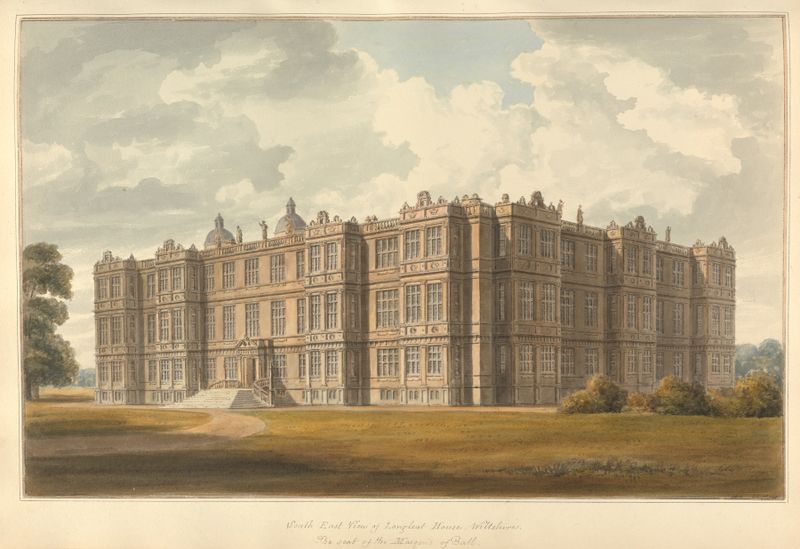
South East View of Longleat House, Wiltshire, the Seat of the Marquis of Bath
John Buckler
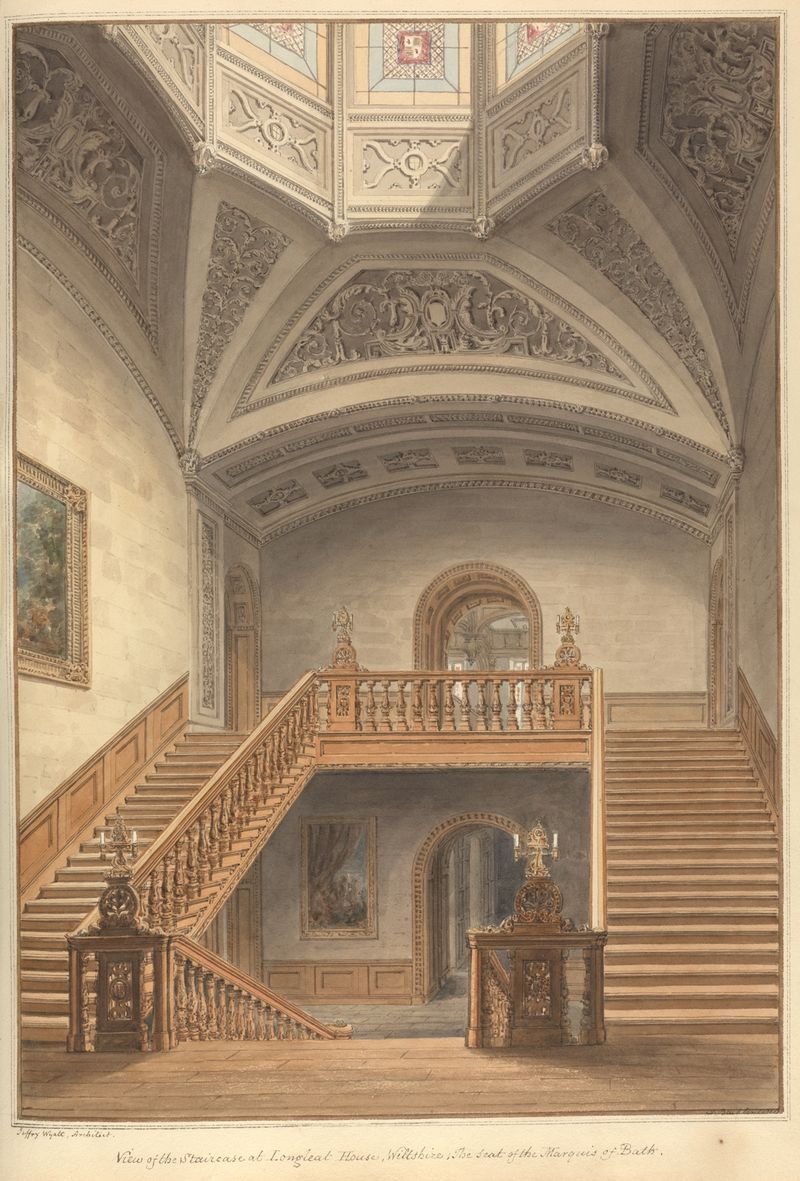
View of the Staircase at Longleat House, Wiltshire: the Seat of the Marquis of Bath
John Buckler
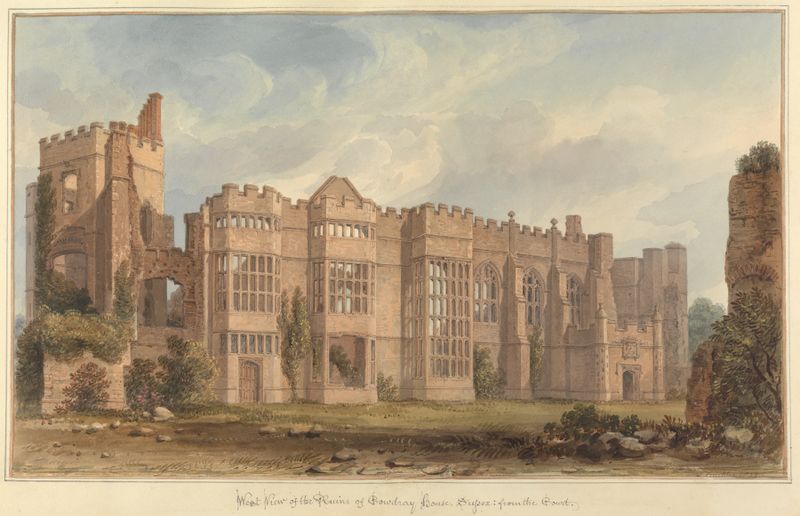
West View of the Ruins of Cowdray House, Sussex: from the Court
John Buckler
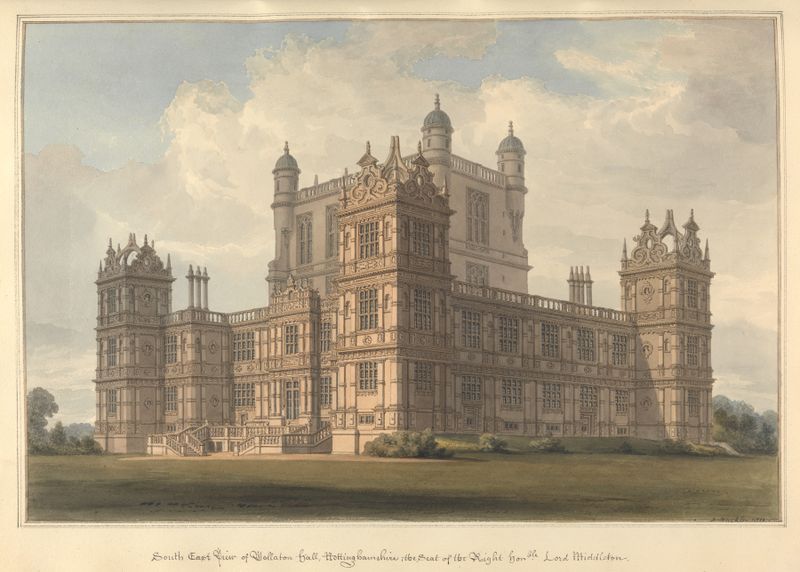
South East view of Wollaton hall, Nottinghamshire, the Seat of the Right honble. Lord Middleton
John Buckler





