
Souvenir Des Dunes De Dunkerque — History & Facts
Can beauty exist without sorrow? In Souvenir Des Dunes De Dunkerque, the lush dunes rise elegantly against an almost melancholic horizon, whispering secrets of lost moments and forgotten betrayals. Focus on the soft, undulating forms of the dunes that dominate the canvas, their graceful lines drawing your gaze upwards toward an expansive sky. Notice how the golden hues of sunlight spill over the sandy slopes, illuminating textures with a warm glow that contrasts sharply with the cooler tones lurking in the shadows. The painting's soft brushwork invites a tactile response, as if the viewer can feel the breeze sweeping across the well-worn landscape. Yet, beneath the surface beauty lies a poignant tension.
The interplay of light and shadow suggests not just physical depth but emotional complexity—an echo of memories both joyful and sorrowful. The dunes stand as silent witnesses to human experience, embodying the bittersweet nature of nostalgia, a reminder that beauty is often tinged with the pain of what has been lost. Each grain of sand may represent a moment of betrayal, where the joy of remembrance clashes with the ache of absence. In the early 1870s, Jean-Baptiste-Camille Corot painted this work during a period of artistic transition, where the Impressionist movement was beginning to take root.
Amidst shifting styles and a tumultuous art world, Corot sought to capture the essence of nature and emotion in his landscapes, reflecting his own contemplative response to the evolving dynamics around him. This piece, with its profound beauty and underlying sorrow, stands as a testament to his mastery and sensitivity to both the world and his inner life.
More Artworks by Jean-Baptiste-Camille Corot
Browse all →
View of Genoa
Jean-Baptiste-Camille Corot
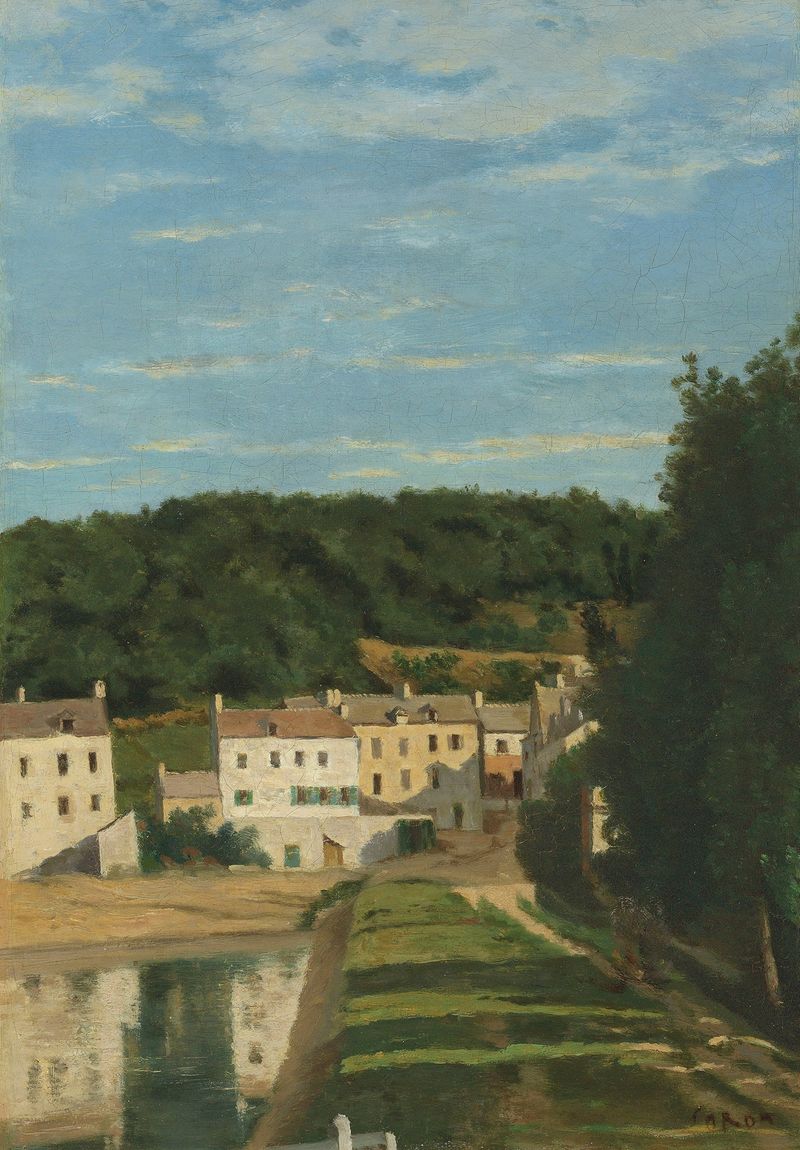
Les Maisons Cabassud À Ville D’avray
Jean-Baptiste-Camille Corot

La solitude. Souvenir de Vigen (Limousin)
Jean-Baptiste-Camille Corot
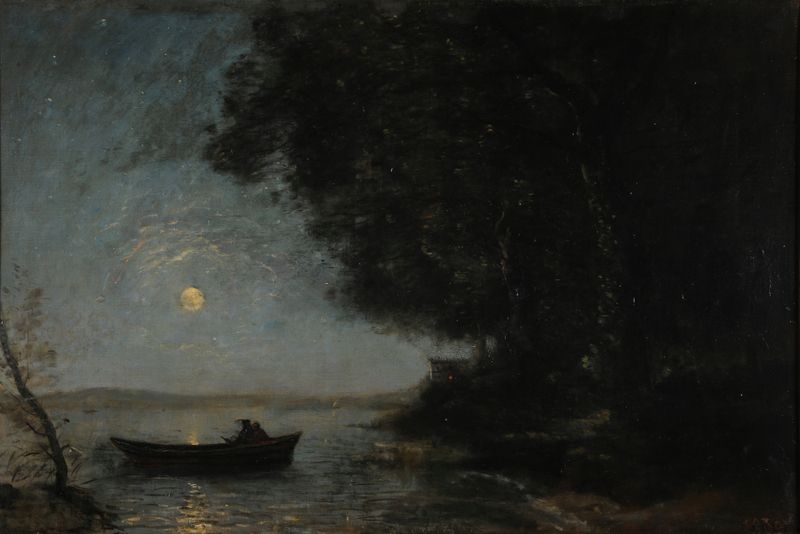
Le lac ; effet de nuit
Jean-Baptiste-Camille Corot
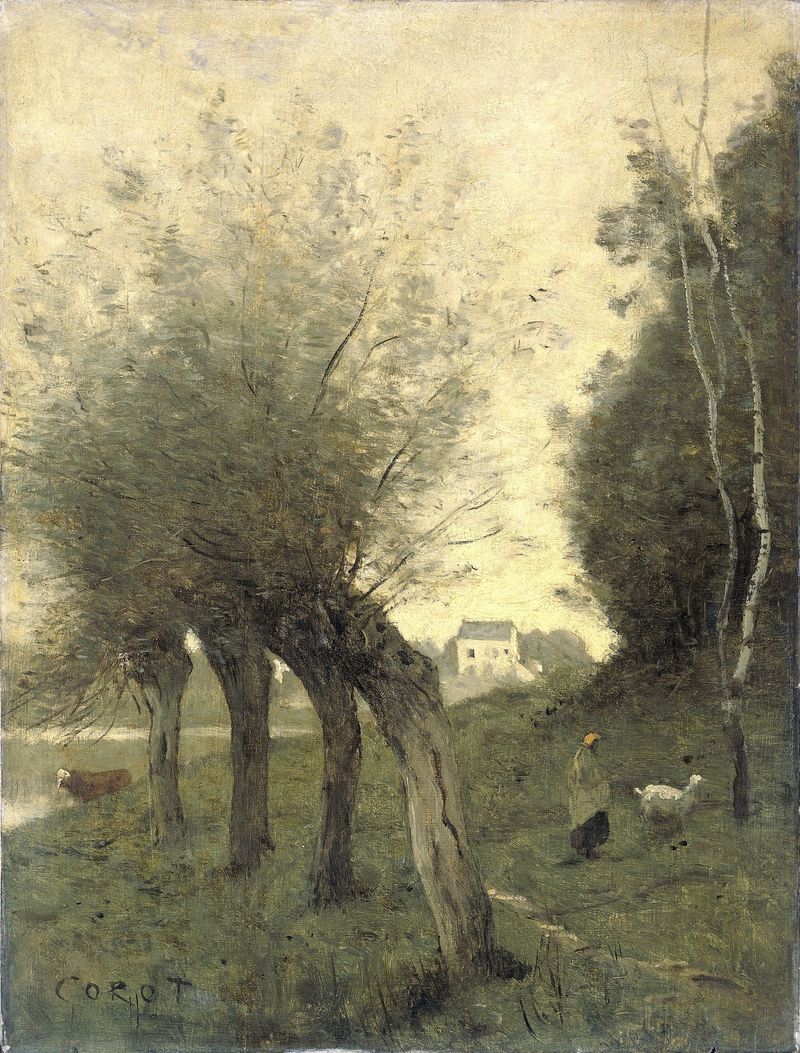
Landscape with Pollard Willows
Jean-Baptiste-Camille Corot
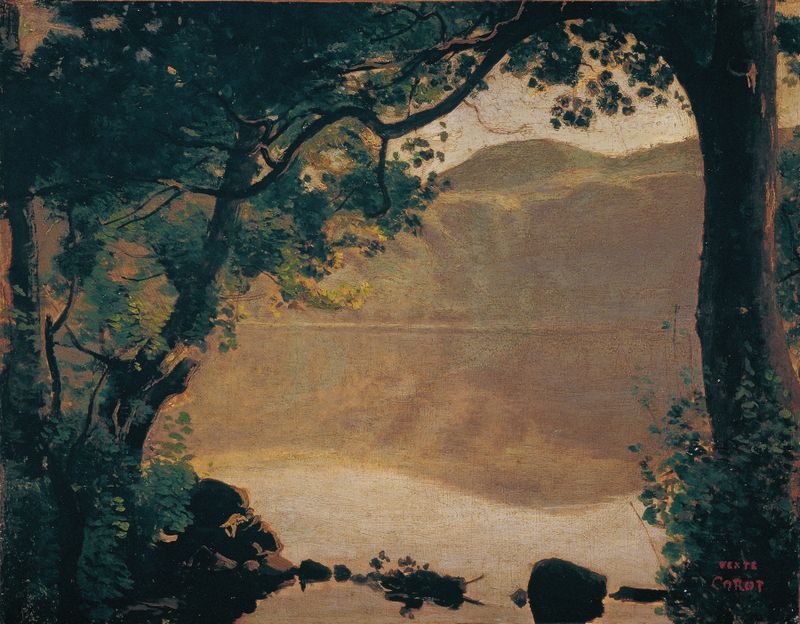
Der Nemisee
Jean-Baptiste-Camille Corot
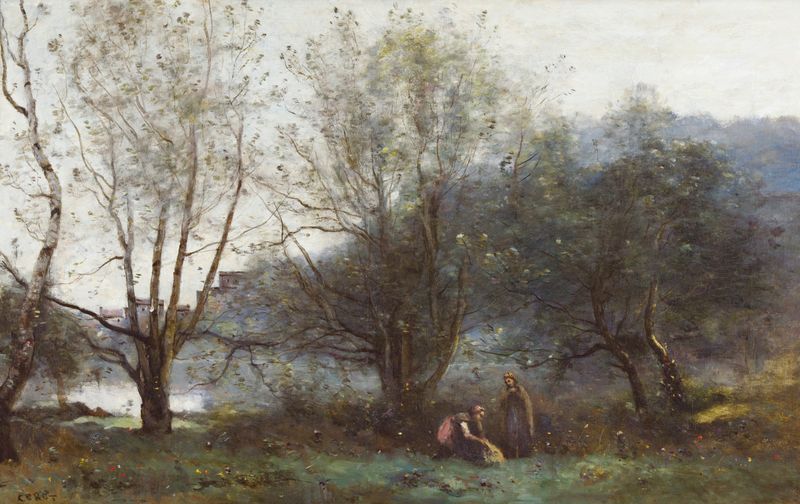
Les Étangs De Ville D’avray
Jean-Baptiste-Camille Corot
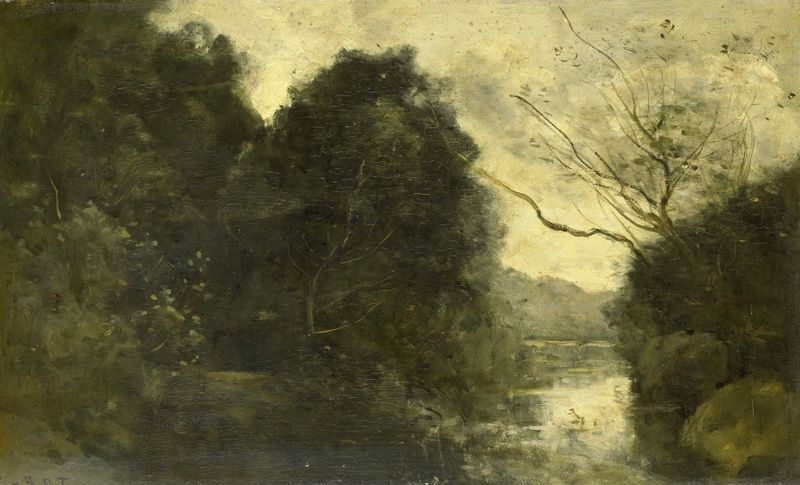
Pond in the Woods
Jean-Baptiste-Camille Corot
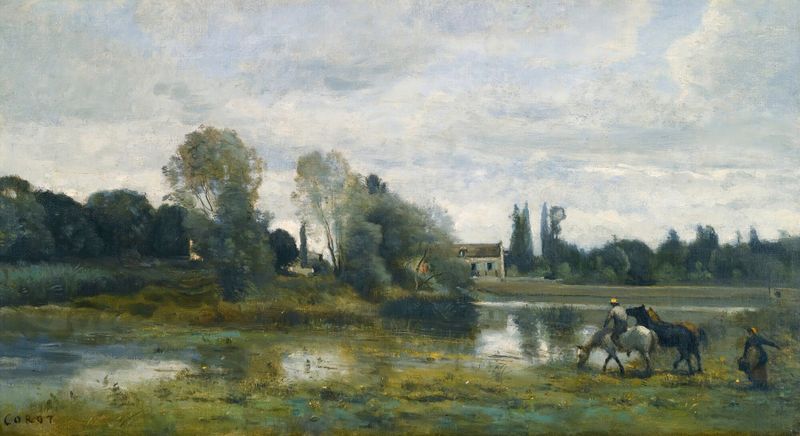
Ville D’avray; L’abreuvoir Des Chevaux
Jean-Baptiste-Camille Corot
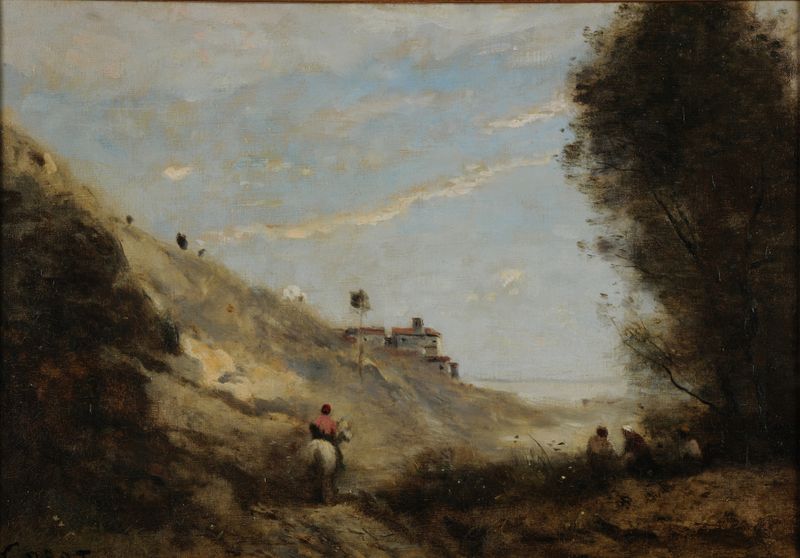
Le vallon au cavalier
Jean-Baptiste-Camille Corot





