
Souvenir of Terracina — History & Facts
When did color learn to lie? In a world where memories blur and blend, art beckons us to question the authenticity of our own recollections. The gentle hues of Souvenir of Terracina evoke a powerful sense of nostalgia, inviting us to delve deeper into our past. Look to the left at the soft azure sky merging tenderly with the golden-tinged hills, where the light dances on the surface of the water like a fleeting whisper. Notice how Corot’s brushwork creates an ethereal quality; the undulating strokes suggest the gentle breeze that caresses the landscape.
The composition draws the eye to both the serene foreground and the distant, dreamlike mountains, capturing the essence of a tranquil day infused with lingering warmth. Within this idyllic scene lies a subtle tension between the serenity of nature and the impermanence of time. The contrasts between light and shadow hint at the ephemeral nature of memory; the viewer yearns to grasp the beauty that may soon fade away. Each element in the painting, from the delicate reflection in the water to the muted colors, speaks to a longing for moments that have slipped through our fingers like grains of sand, further enhancing the sentiment that nostalgia is often bittersweet. In 1864, during a period when European art was transitioning into Impressionism, Corot reworked Souvenir of Terracina, capturing the essence of a landscape that resonated with personal memories.
Living in France, he was influenced by the evolving artistic movements that sought to convey emotion through vivid color and light. This work symbolizes both his mastery of landscape painting and his introspective approach to the human experience, deftly intertwining the past with a longing for connection.
More Artworks by Jean-Baptiste-Camille Corot
Browse all →
View of Genoa
Jean-Baptiste-Camille Corot
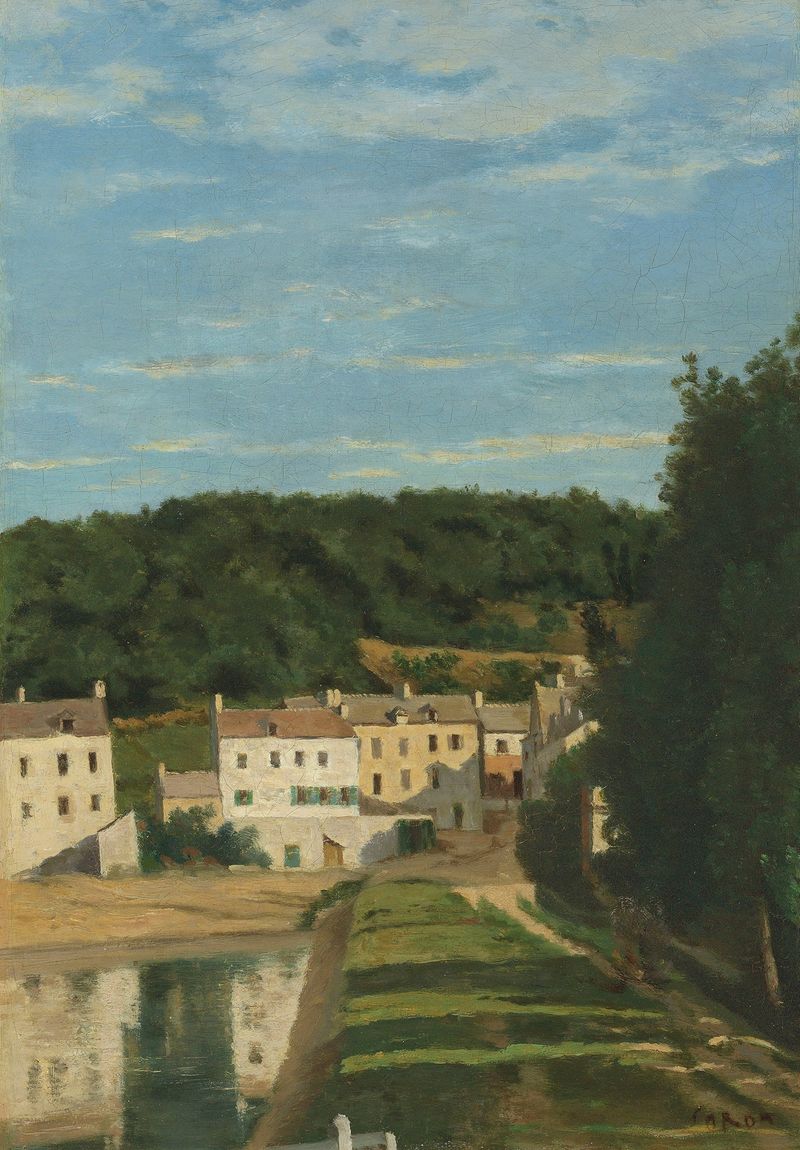
Les Maisons Cabassud À Ville D’avray
Jean-Baptiste-Camille Corot

La solitude. Souvenir de Vigen (Limousin)
Jean-Baptiste-Camille Corot
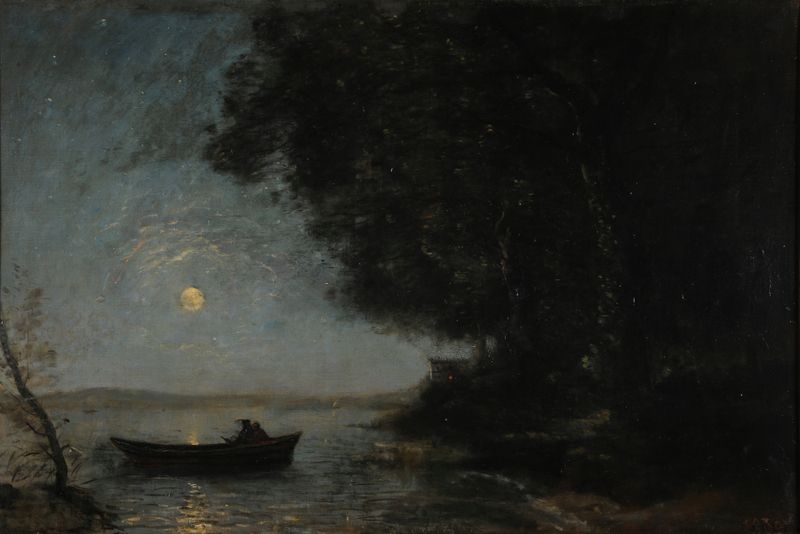
Le lac ; effet de nuit
Jean-Baptiste-Camille Corot
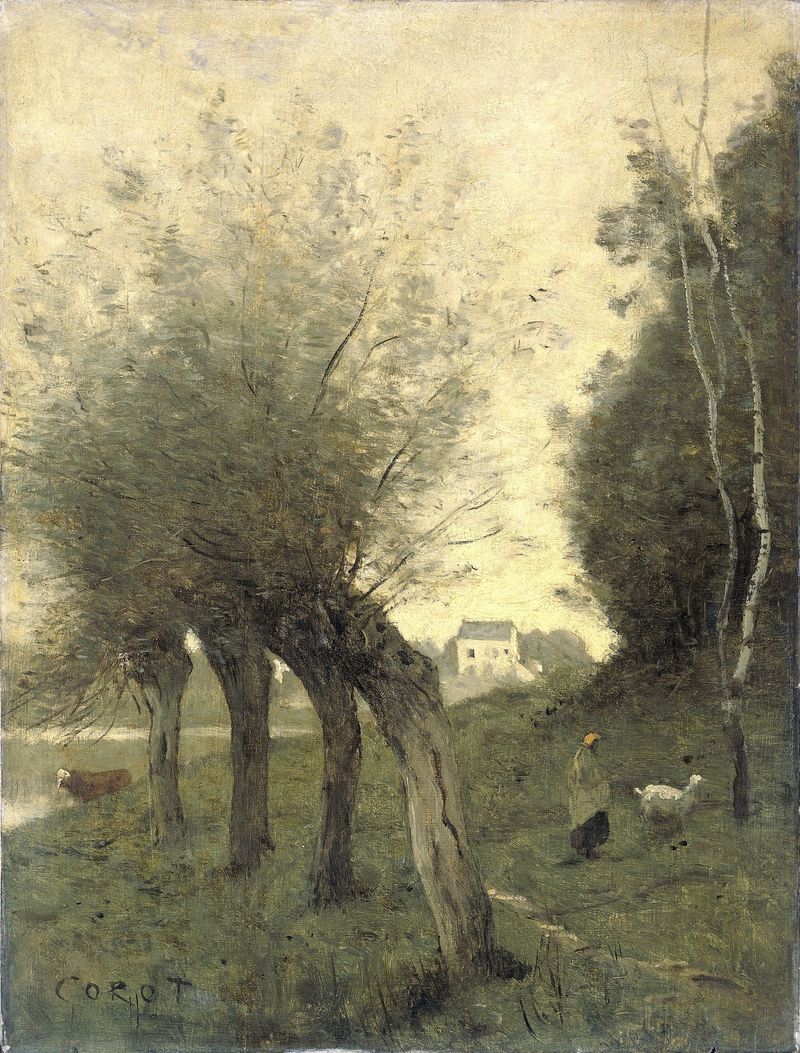
Landscape with Pollard Willows
Jean-Baptiste-Camille Corot
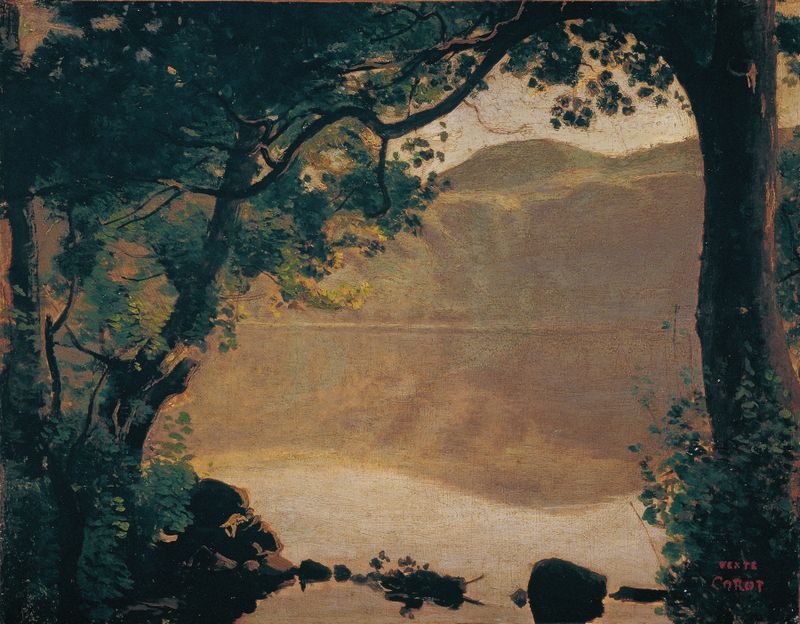
Der Nemisee
Jean-Baptiste-Camille Corot
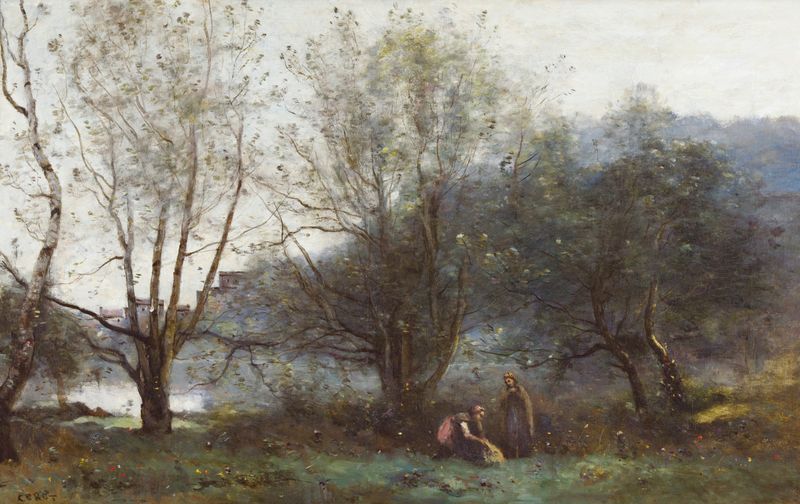
Les Étangs De Ville D’avray
Jean-Baptiste-Camille Corot
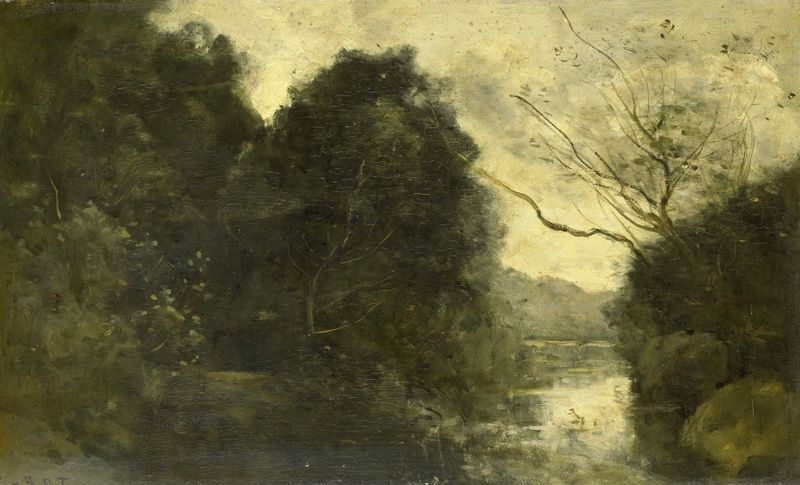
Pond in the Woods
Jean-Baptiste-Camille Corot
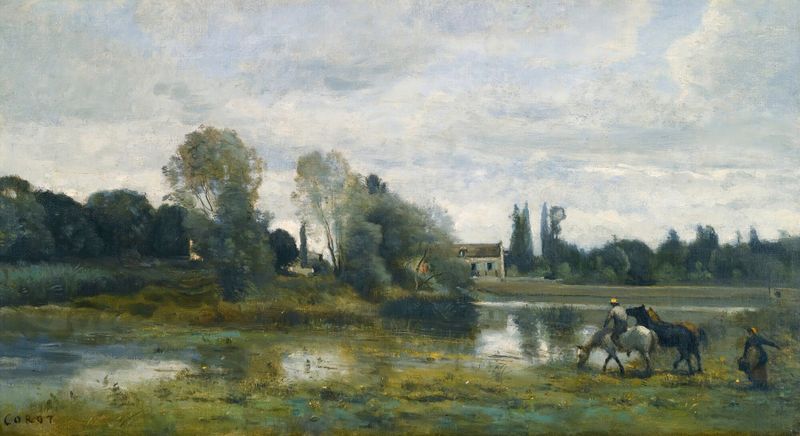
Ville D’avray; L’abreuvoir Des Chevaux
Jean-Baptiste-Camille Corot
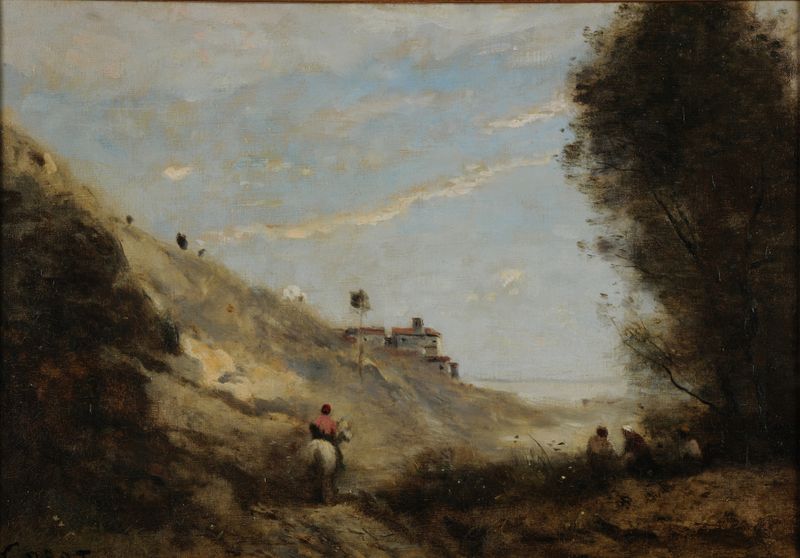
Le vallon au cavalier
Jean-Baptiste-Camille Corot





