
Spain (Elche) — History & Facts
In moments of quiet betrayal, it is the canvas that speaks where words fail, laying bare the hidden truths of the human experience. Look to the left where the graceful figure of a woman stands, draped in the warm hues of a sunlit afternoon. Her head is slightly bowed, casting a delicate shadow across her face, which hints at both serenity and unspoken sorrow. The earth tones of the background—rich browns and soft ochres—contrast with her vibrant attire, drawing the viewer's eye and emphasizing her isolation amidst a vivid landscape.
The artist’s brushwork flows with a fluidity that captures the light’s embrace on her fabric, as if celebrating both her presence and her disquiet. Delve deeper, and one may sense the tension woven into this scene. The woman, though adorned in beauty, is enveloped in an atmosphere of introspection, signifying a moment of internal conflict. The juxtaposition of her vibrant clothing against the muted background suggests a struggle between societal expectations and personal desires.
This interplay between color and form reflects the artist's keen observation of the human spirit, revealing layers of emotion that resonate with the notion of betrayal, perhaps of self or of love. In 1899, Ciągliński painted this work while residing in Paris, a period marked by an artistic exploration of identity and culture. The late 19th century was a time of great change, with artists grappling with the realities of modern life against traditional values. It was within this crucible of shifting paradigms that the artist sought to capture the complexities of the soul, leaving a poignant impression in Spain (Elche) that continues to invite reflection.
More Artworks by Jan Ciągliński
Browse all →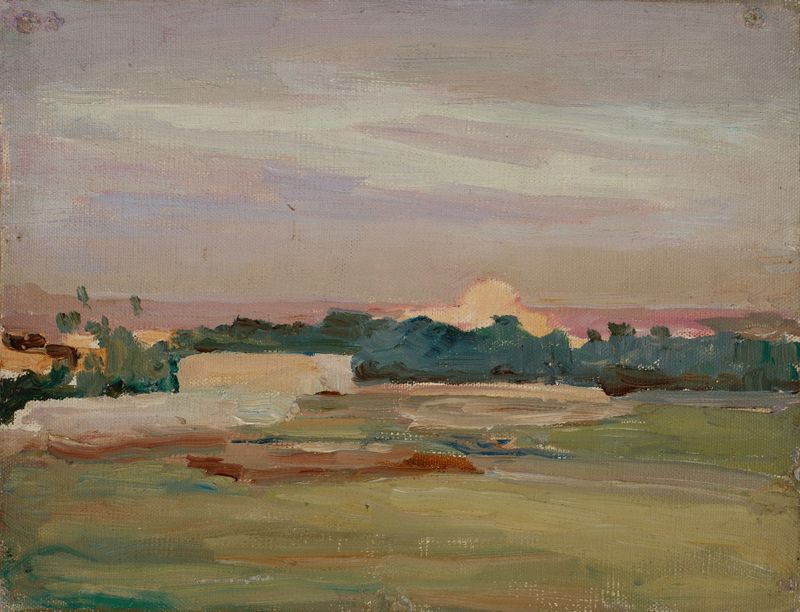
The Sirocco
Jan Ciągliński
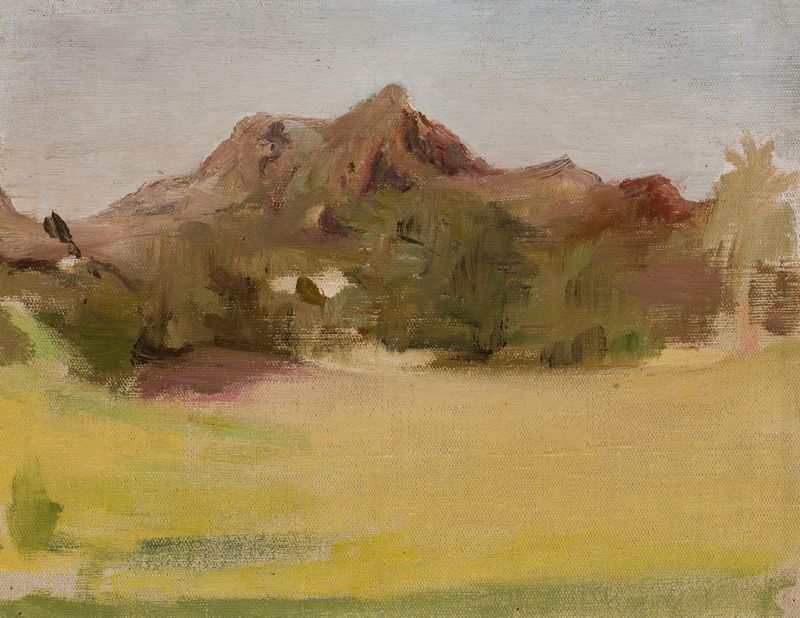
Mountain landscape. From the journey to India
Jan Ciągliński
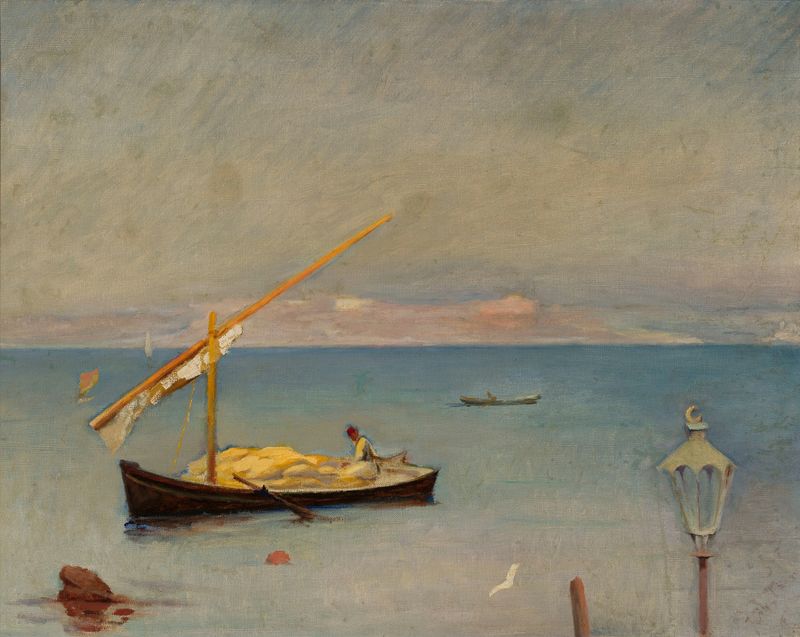
At Bosporus
Jan Ciągliński
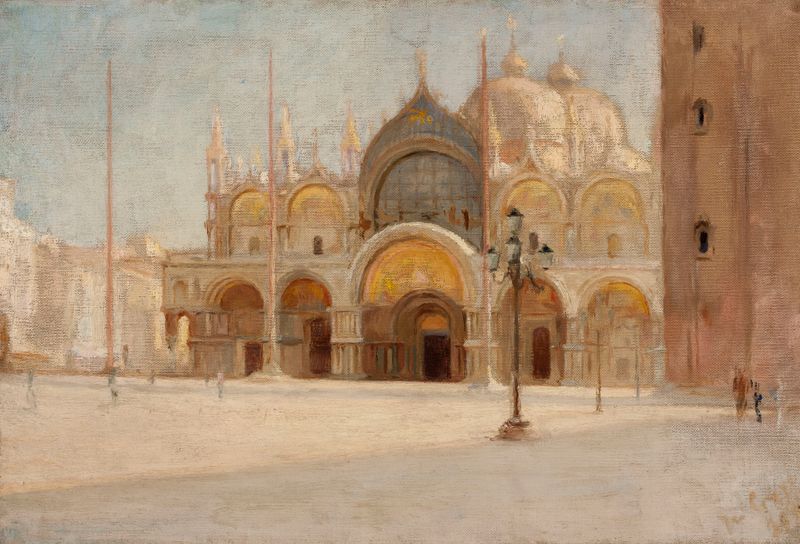
St Mark’s Square in Venice
Jan Ciągliński
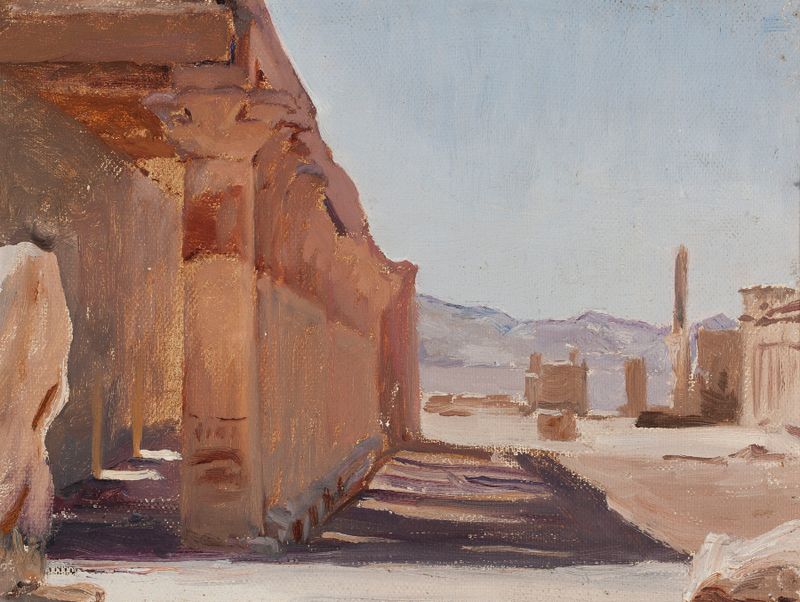
Temple. From the journey to Egypt
Jan Ciągliński
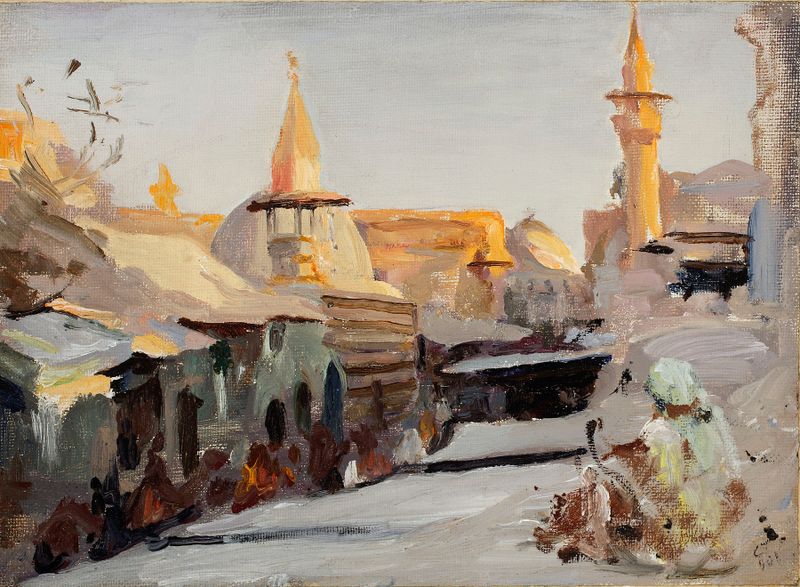
Street in Damascus. From the journey to Palestine
Jan Ciągliński
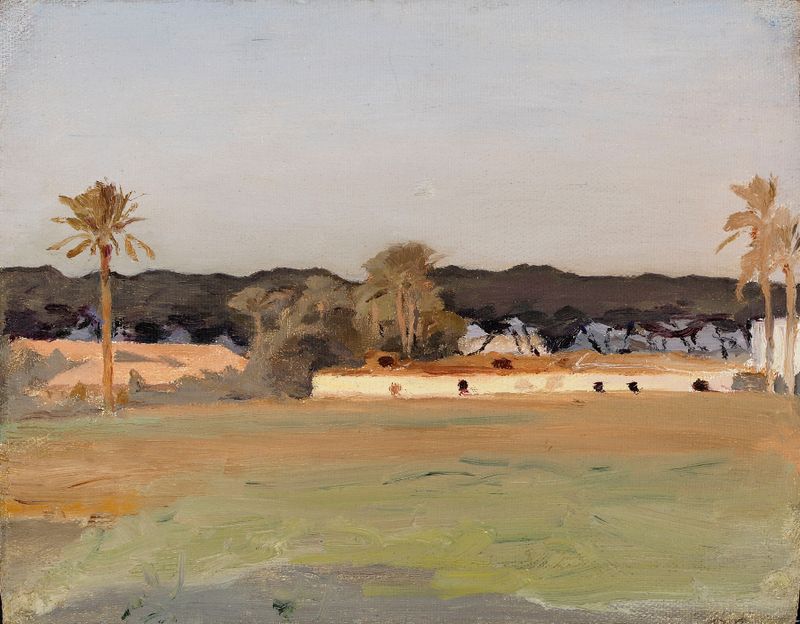
Evening. From the journey to Egypt
Jan Ciągliński
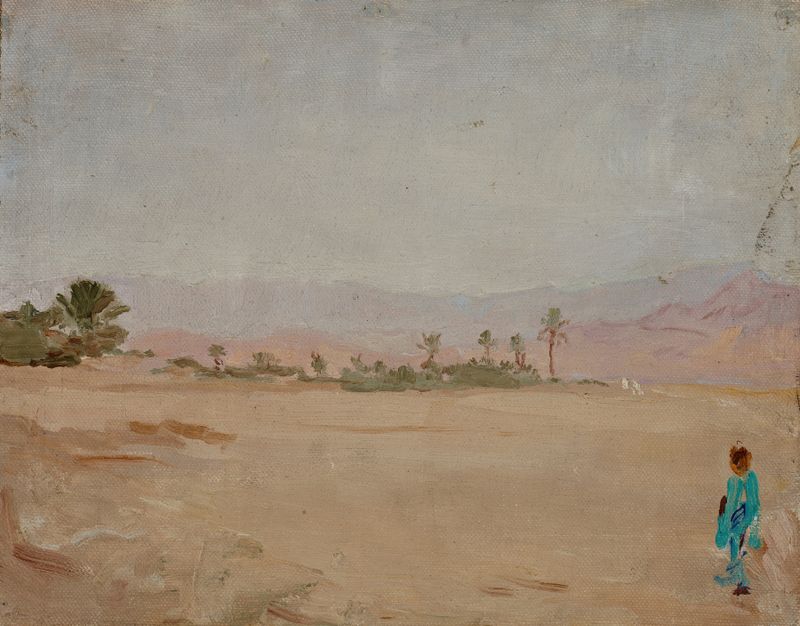
Sahara (Desert)
Jan Ciągliński
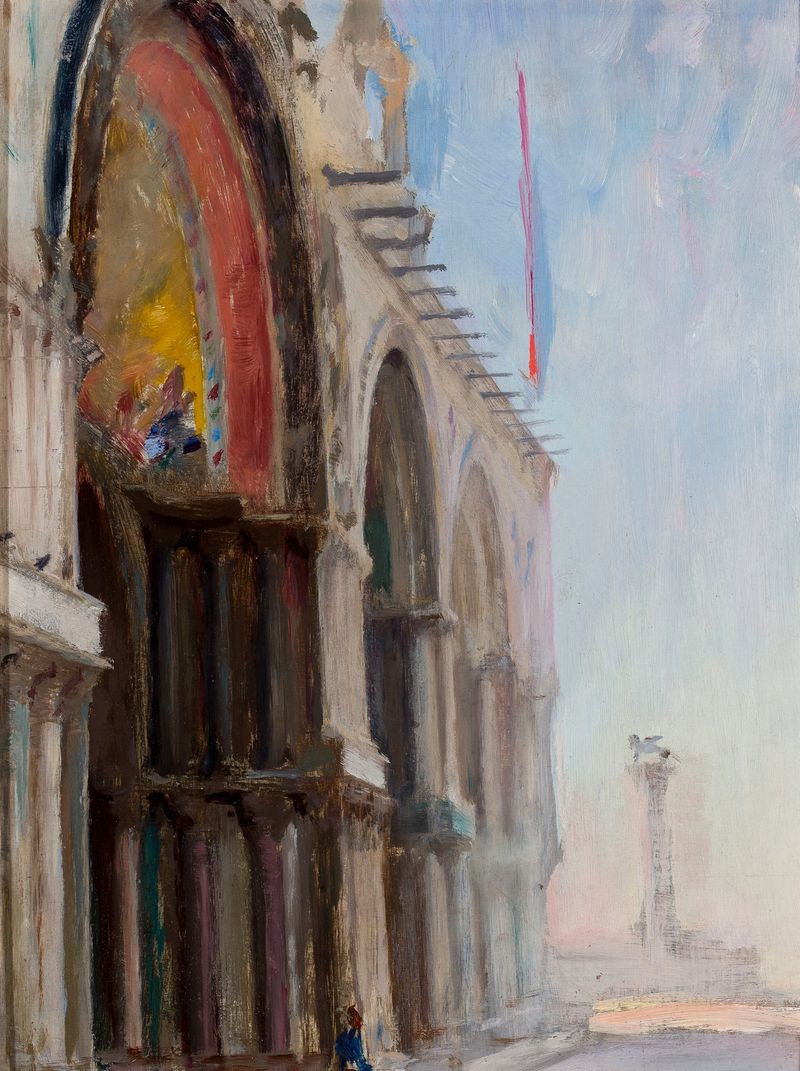
Venice – San Marco. From the journey to Italy
Jan Ciągliński
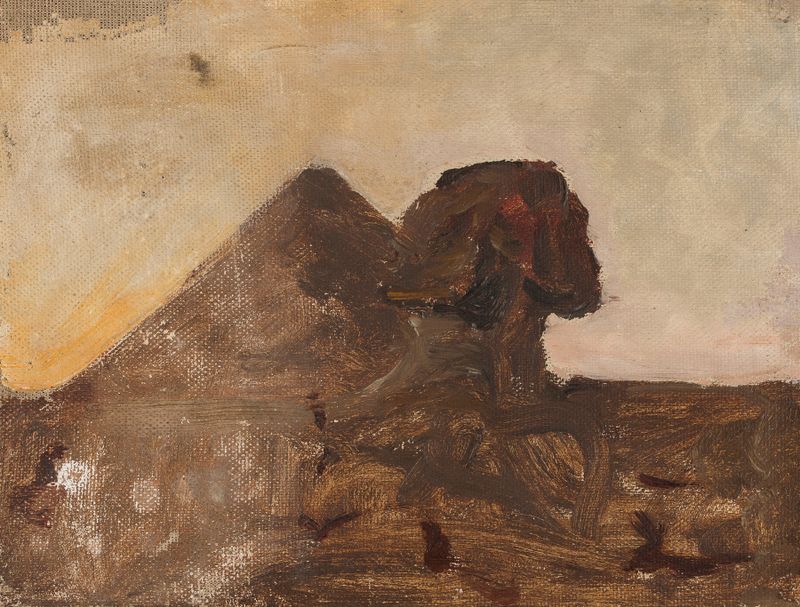
Evening in the desert – Sphinx and pyramid. From the journey to Egypt
Jan Ciągliński





