Discover insights about this artwork
Sphinx — History & Facts
In Sphinx, Franz von Stuck presents a striking figure of a sphinx, set against a dark, atmospheric background. The colors are rich and deep, with shades of blue, gold, and black dominating the palette. The sphinx itself is depicted with a human head and a lion's body, embodying mystery and power.
Surrounding the figure are intricate patterns that enhance the sense of enigma. The painting is executed in oil on canvas, showcasing von Stuck's skillful brushwork and attention to detail. The dimensions are approximately 100 x 150 cm, making it a substantial piece that commands attention. The use of light and shadow creates depth, emphasizing the sphinx's formidable presence.
Viewers can appreciate the intricate textures and the way the colors interact with one another. Franz von Stuck was a prominent figure in the Symbolist movement, known for his exploration of mythological and allegorical themes. Sphinx, created in the 1890s, reflects his fascination with the mysterious and the erotic. An interesting fact about this work is that it was part of a series of paintings that explored the duality of human nature, blending beauty with danger.
Von Stuck's works often feature strong, enigmatic female figures, and the sphinx is a perfect embodiment of this motif.
More Artworks by Franz von Stuck
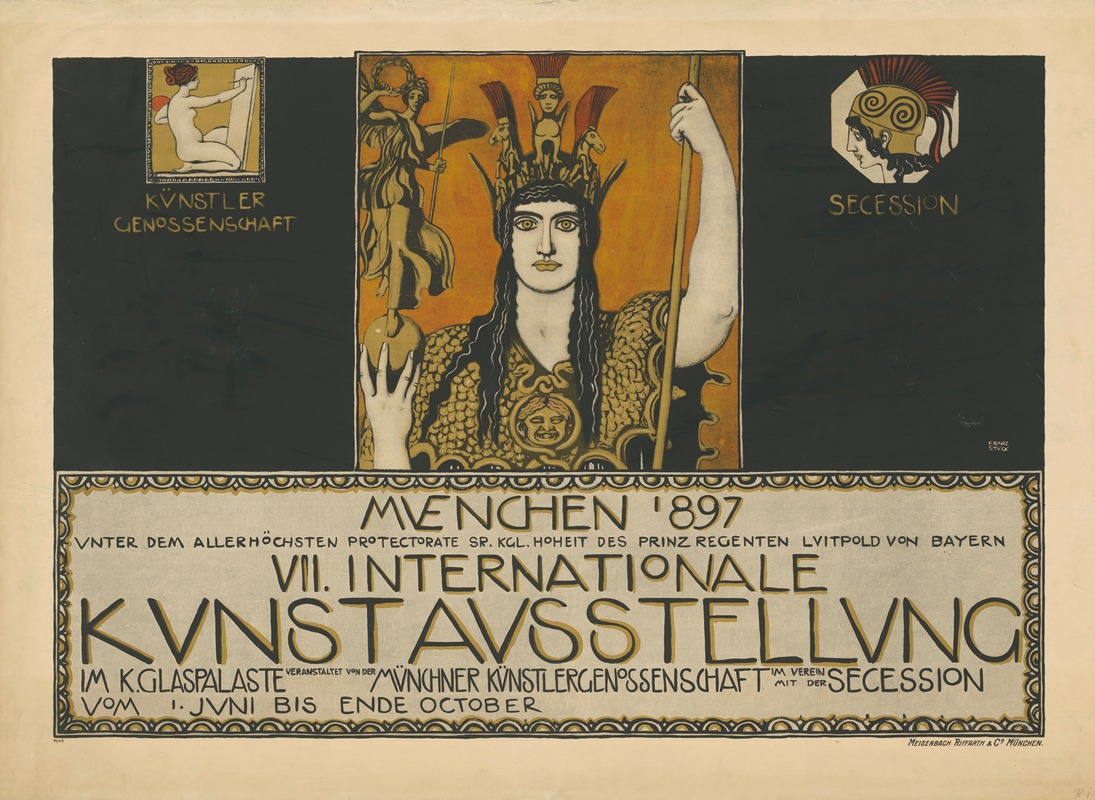
7. Internationale Kunstausstellung des Vereins Bildender Künstler München Secession
Franz von Stuck
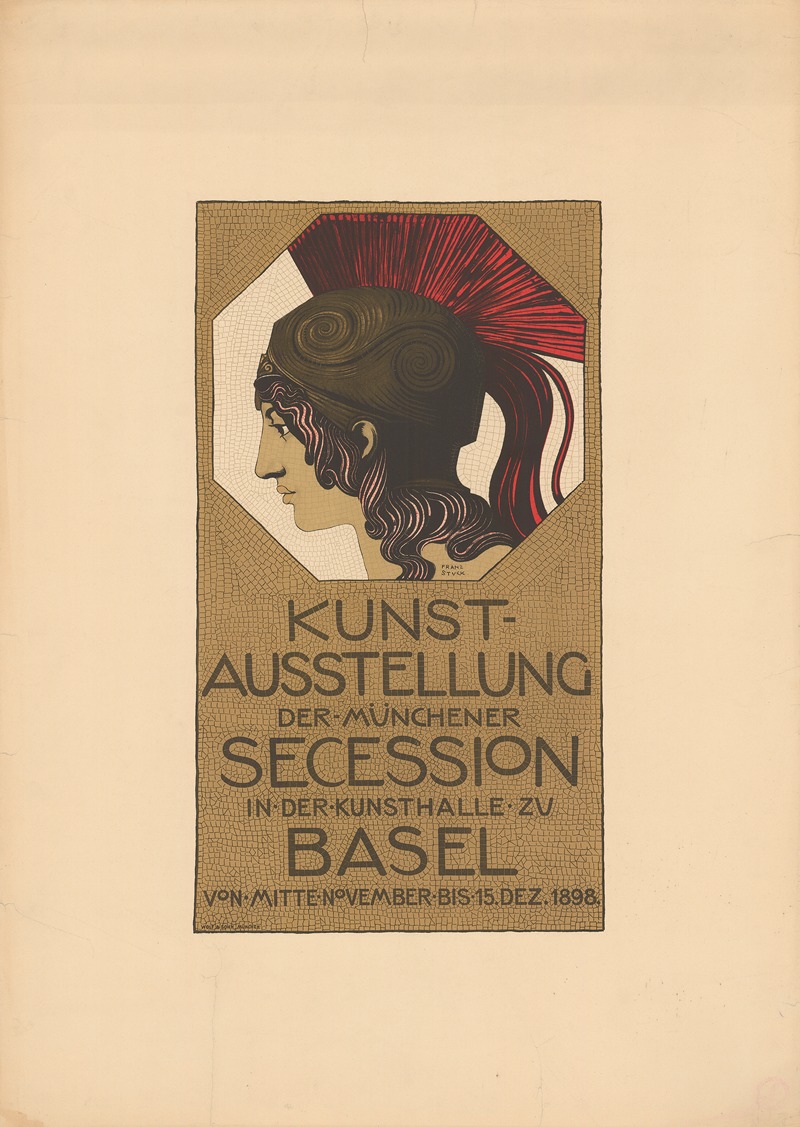
Kunstausstellung der Münchener Secession in der Kunsthalle zu Basel
Franz von Stuck

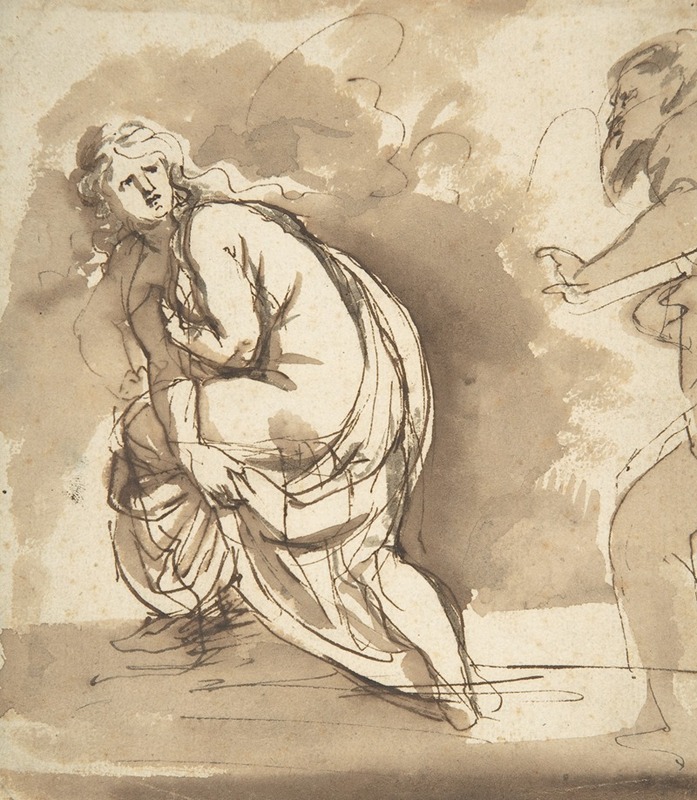
Susanna im Bade
Franz von Stuck

The Dancer Saharet
Franz von Stuck

The Spring
Franz von Stuck
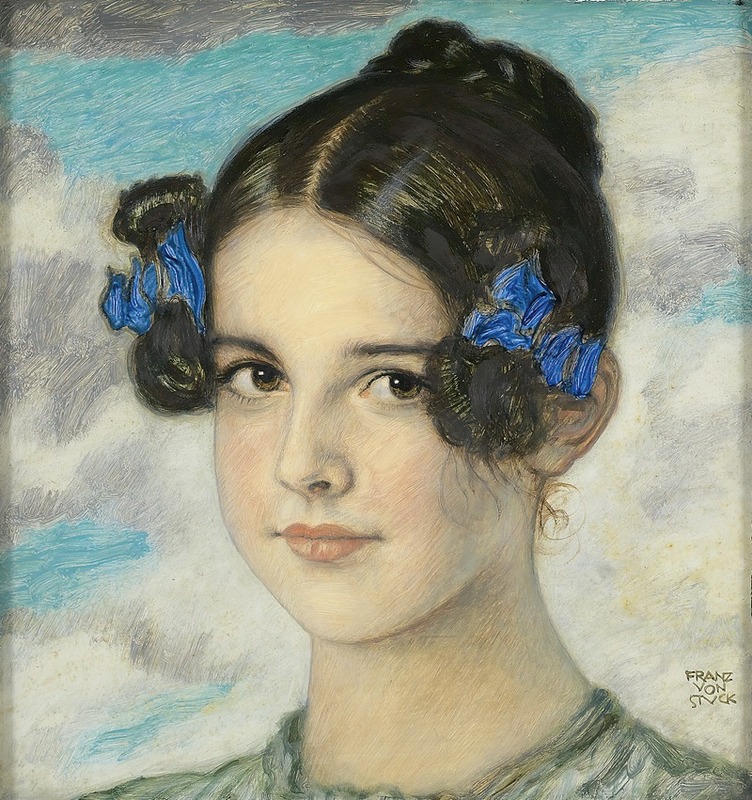
Tochter Mary
Franz von Stuck

Portrait einer Dame mit Spitzenkragen
Franz von Stuck
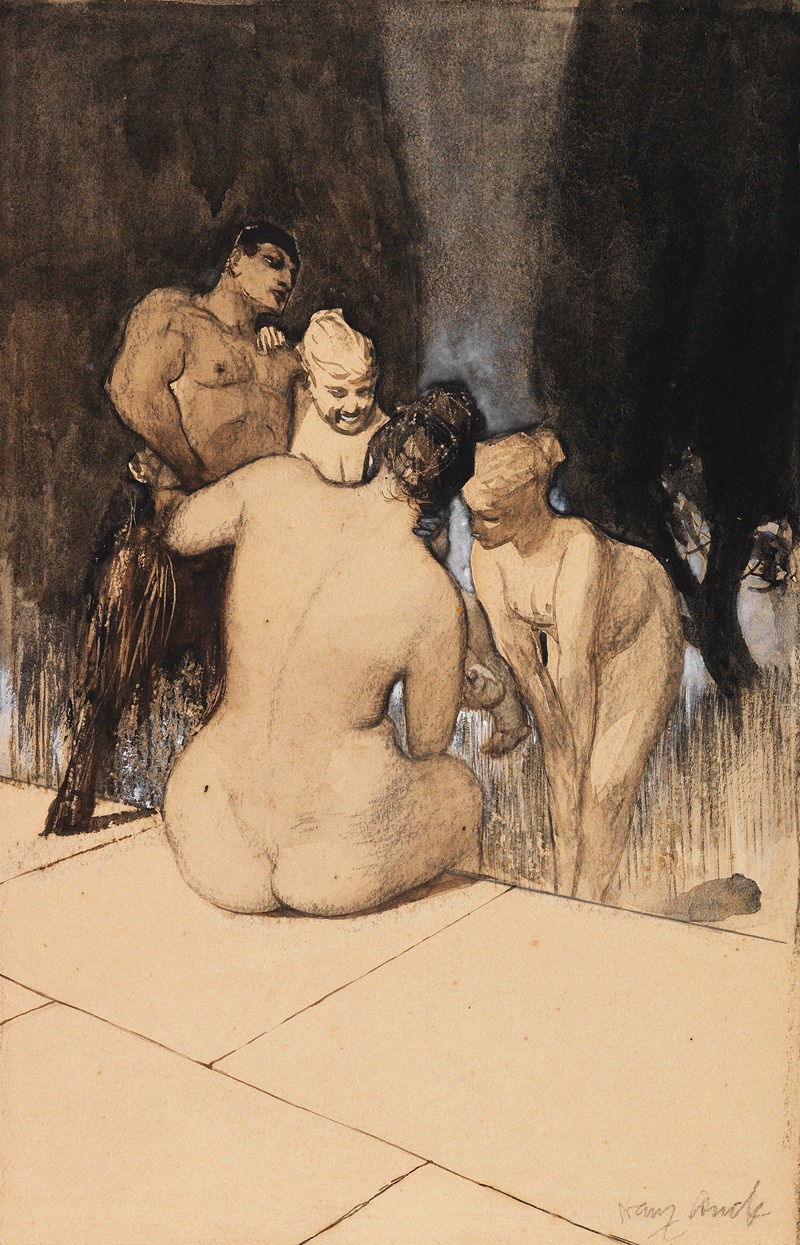
Satyr mit Nymphen und Kind
Franz von Stuck

Oedipus solves the mystery of the Sphinx
Franz von Stuck
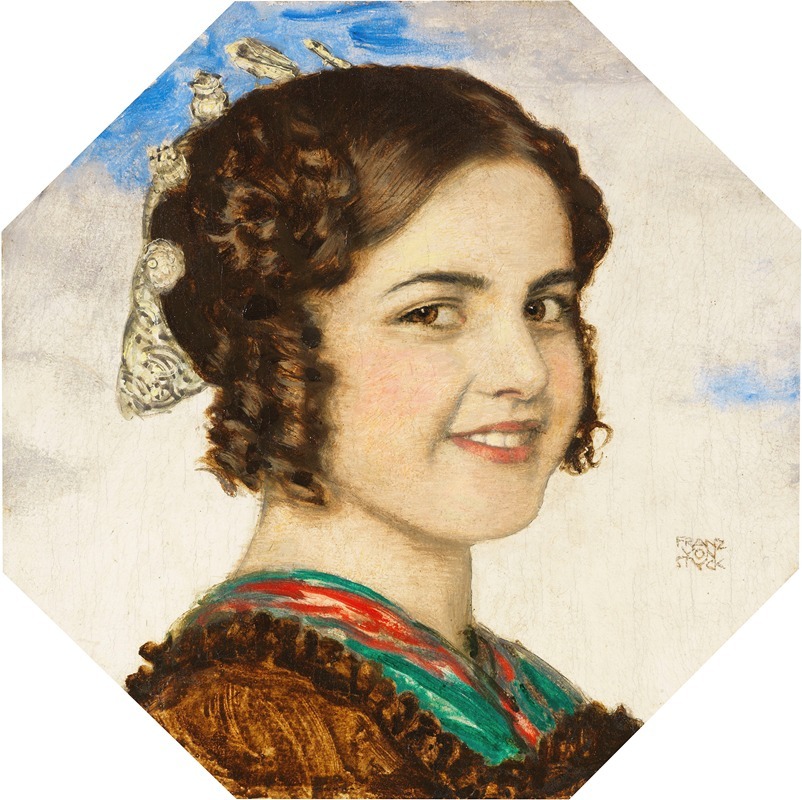
Porträt der Tochter Mary
Franz von Stuck