
Spitalgarten in Edam — History & Facts
What secret hides in the quiet of the canvas? Beneath the serene façade of a blooming garden, a tension lingers, inviting contemplation and unease. Look to the left at the delicate interplay of sunlight dappling the lush greenery, illuminating vibrant blossoms swaying gently in the breeze. The artist’s brushwork is both loose and deliberate, creating a sense of movement that belies the stillness of the scene. Notice how the colors — warm greens, soft pinks, and gentle yellows — harmonize to evoke a sense of peace, but are subtly pierced by darker, muted tones in the shadows, hinting at an underlying melancholy. As you observe, consider the juxtaposition of life and stillness.
The garden, a symbol of beauty and growth, also resonates with the fear of decay and the fleeting nature of existence. The serenity of the moment is pierced by a sense of solitude, as if the figures present are not merely enjoying the scene, but rather caught in an introspective reverie, pondering what lies just beyond the edges of this tranquil space. In 1904, the artist painted this work while living in Germany, a country grappling with its identity amid the burgeoning modern age. At this time, Liebermann was a prominent figure in the artists' colony at Worpswede, exploring the tension between traditional and contemporary aesthetics.
This period marked a shift in his focus toward more intimate, personal themes, reflecting the complex emotions swirling in the world around him.
More Artworks by Max Liebermann
Browse all →
Die Blumenterrasse in Wannsee mit Blick auf den Fischotterbrunnen
Max Liebermann
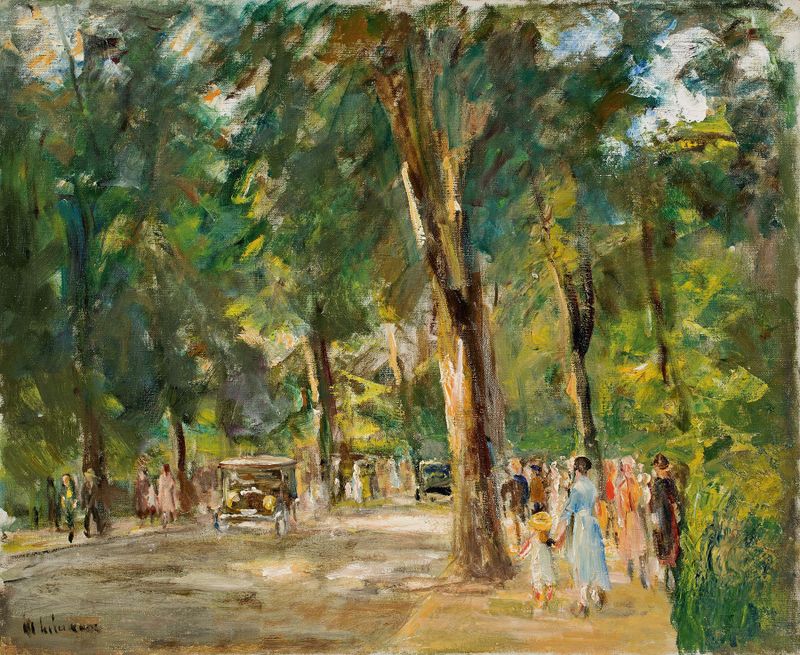
Die Große Seestraße in Wannsee mit Spaziergängern
Max Liebermann

Seitlicher Blick in den Wannseegarten
Max Liebermann

Der Rosengarten in Wannsee
Max Liebermann

Allee mit Spaziergängern und Automobilen
Max Liebermann

Blick in meinen Garten
Max Liebermann
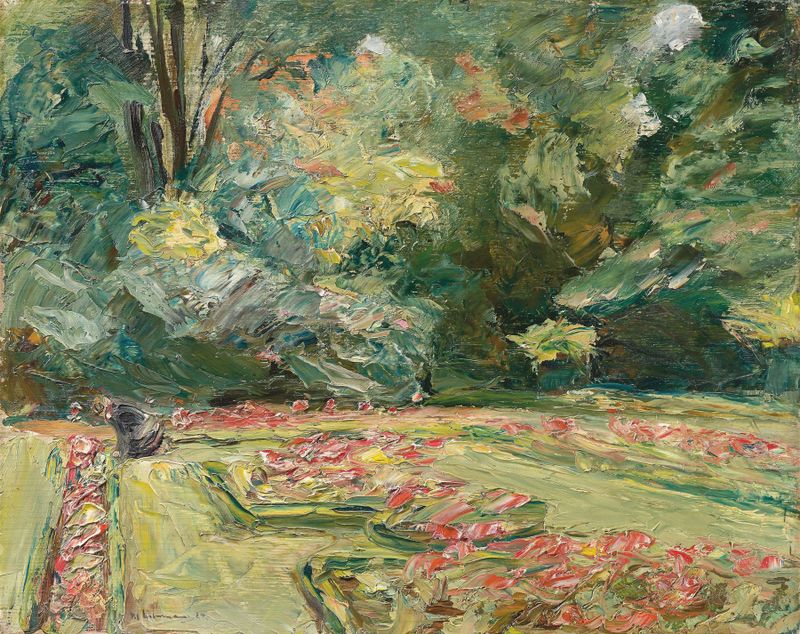
Die Blumenterrasse im Wannseegarten nach Norden
Max Liebermann

Spielende Kinder am Strand
Max Liebermann
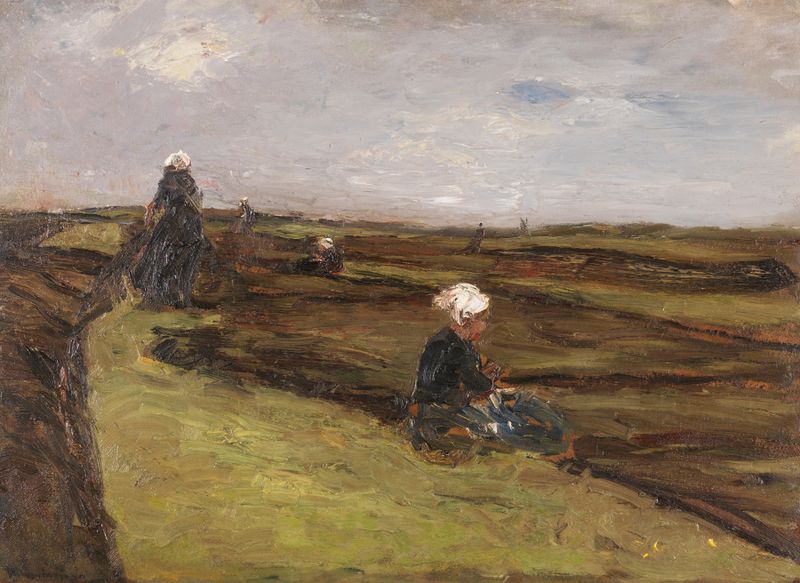
Die Netzflickerinnen
Max Liebermann

Am Strand von Noordwijk
Max Liebermann





