Spring Landscape — History & Facts
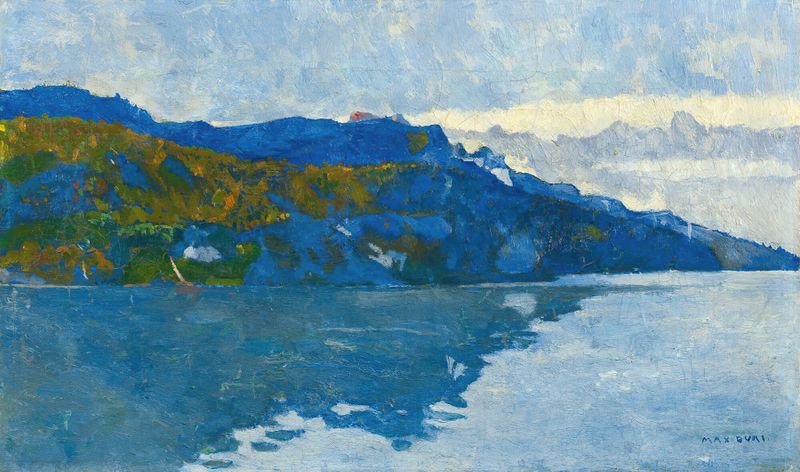
In the gentle embrace of spring, a landscape unfolds, evoking a quiet sense of longing. It captures a moment where nature breathes life anew, enveloping viewers in its tranquil presence. Look to the center where the rolling hills gently rise, painted in soft greens that whisper of renewal. The sky, a tender blend of blue and white, stretches expansively overhead, inviting the eye to wander.
Delicate brushstrokes create a sense of movement in the grass, while dappled sunlight plays across the scene, highlighting the contours of the land. The composition invites contemplation, a breath of fresh air caught within the frame. Yet beneath its idyllic surface, the work carries an undercurrent of solitude. The absence of figures among the blossoming trees hints at an emotional void, suggesting both freedom and isolation.
Contrast is found in the vibrant colors that celebrate life, juxtaposed against the tranquility of empty space, urging viewers to reflect on their own connection with nature and the passage of time. This piece emerged during Buri's career, a period marked by explorations of color and light. Working in the early 20th century, he was deeply influenced by the Post-Impressionist movement, seeking to convey emotional depth through landscape. At this time, the art world was evolving, and Buri’s contributions reflected a pursuit of capturing the essence of nature, imbuing his work with a sense of timeless beauty.