Springtime — History & Facts
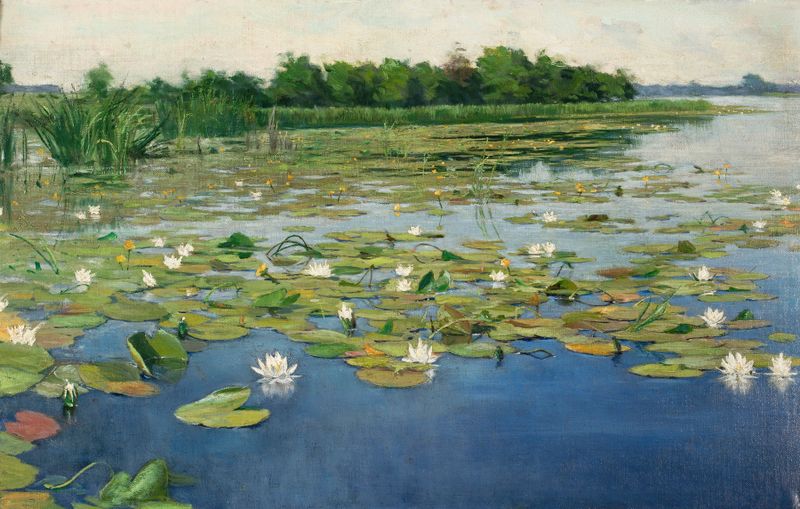
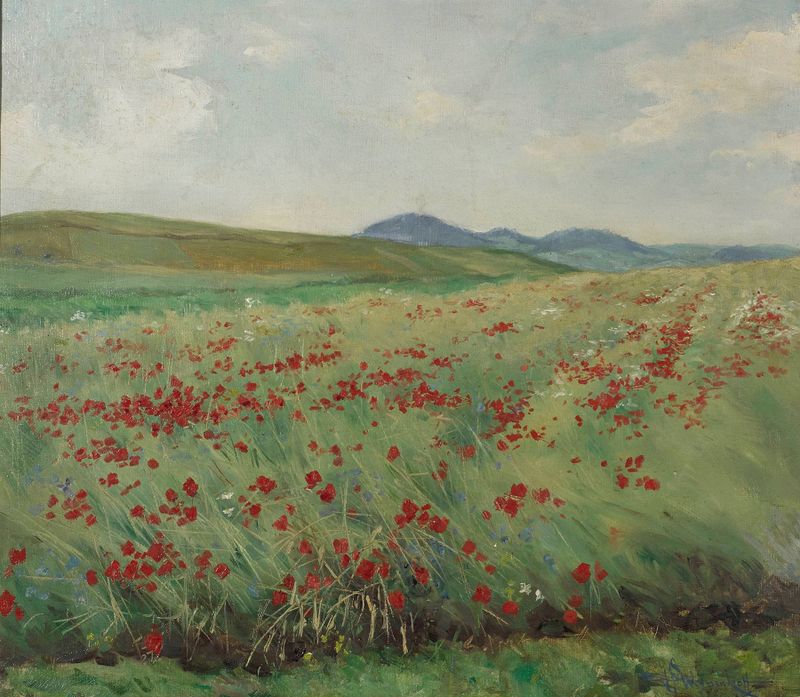
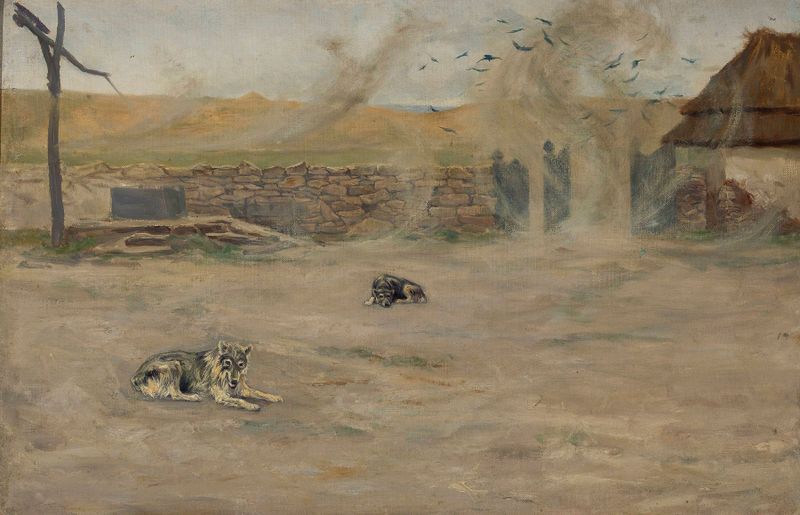
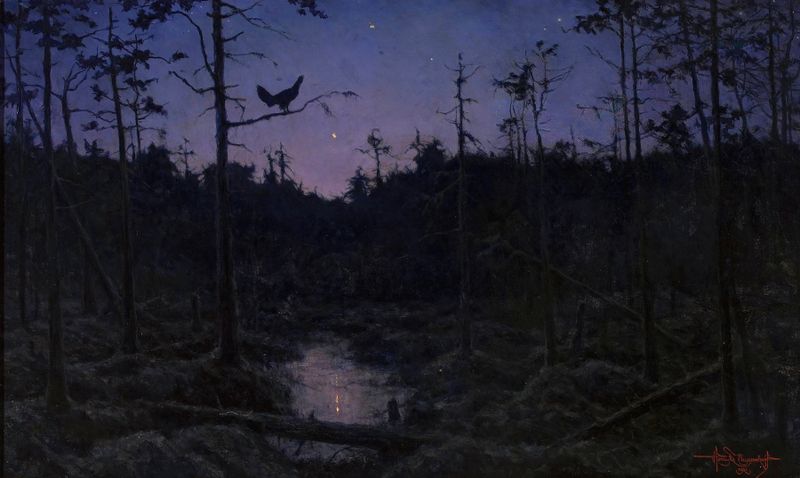
Did the painter know this moment would outlive them? In the vivid embrace of Springtime, a celebration of life and renewal unfurls in a burst of color that resonates with deep ecstasy, inviting us into the heart of rebirth. Focus first on the radiant greens that dominate the canvas, with each brushstroke pulsating with the vibrant energy of nature awakening. Look closely at the delicate blossoms, where soft pinks and whites weave together, creating a tapestry of gentle joy that contrasts with the rich earth below. Notice how the light dances across the petals, emphasizing their fragility, while a serene blue sky looms overhead, hinting at the infinite possibilities of a new season. Beneath the surface, the painting explores the tension between the ephemeral nature of beauty and the eternal cycle of life.
The flowers, bursting forth in their brief moment of glory, evoke a sense of urgency in their bloom, reminding us that joy often arrives unexpectedly and must be cherished. The lush greenery contrasting with the delicate blossoms reflects not just the harmony of existence but the inherent duality of strength and vulnerability in nature. Between 1910 and 1911, Henryk Weyssenhoff painted Springtime during a period marked by his exploration of naturalism and a return to themes of purity and simplicity. Living in Poland, amidst a Europe on the brink of change, he sought solace in the beauty of the natural world, capturing fleeting moments of ecstasy that resonate with a timeless longing for renewal.
His work exemplifies a broader movement that sought to reconnect with the innocently sublime aspects of life amidst growing artistic and societal upheavals.