
Springtime — History & Facts
When Springtime was first shown in 1876 at the second Impressionist exhibition in Paris, it was not simply admired for its beauty but also noted for its subject: Camille Monet, the artist’s wife, seated quietly beneath a sun-dappled canopy of lilacs. Critics at the time were divided—some saw in it a radical new way of seeing, while others dismissed it as unfinished. The painting’s intimate focus on domestic tranquility, set outdoors, was a marked departure from the grand historical scenes that dominated French salons.
This work is one of several portraits of Camille that Claude Monet painted during the early 1870s, each reflecting the shifting light and moods of their home in Argenteuil. The moment Monet captures is a gentle afternoon: Camille, dressed in a pale gown, sits reading in the filtered sunlight, her form almost dissolving into the surrounding garden. The loose, flickering brushstrokes render the lilac leaves and blossoms as shimmering patches of color, a hallmark of the Impressionist movement. The parasol in Camille’s lap, the play of shadow across her face, and the dappled light on her dress all speak to Monet’s fascination with the fleeting effects of sunlight.
Unlike the more formal portraits of the era, such as Manet’s The Balcony, Monet’s approach is informal and personal, inviting the viewer into a private moment of leisure and peace. Springtime remained in Monet’s possession for several years before passing through the hands of various collectors. Its early provenance is not fully documented, but by the early 20th century, it had become part of a prominent American collection. Today, the painting is housed in the Walters Art Museum in Baltimore, where it is celebrated as an early and important example of Monet’s mature Impressionist style.
The work stands as a testament to Monet’s lifelong devotion to capturing the everyday poetry of light, family, and garden.
More Artworks by Claude Monet
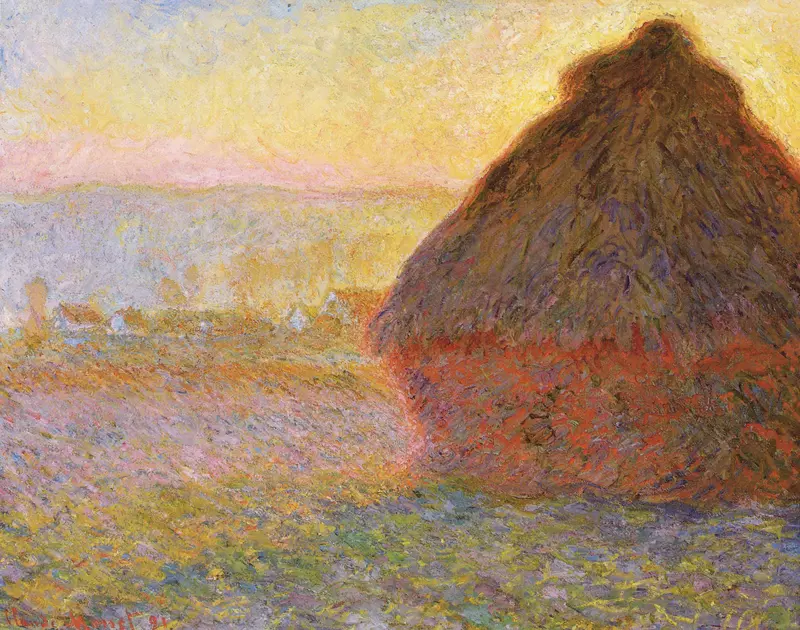
Grainstack (Sunset)
Claude Monet
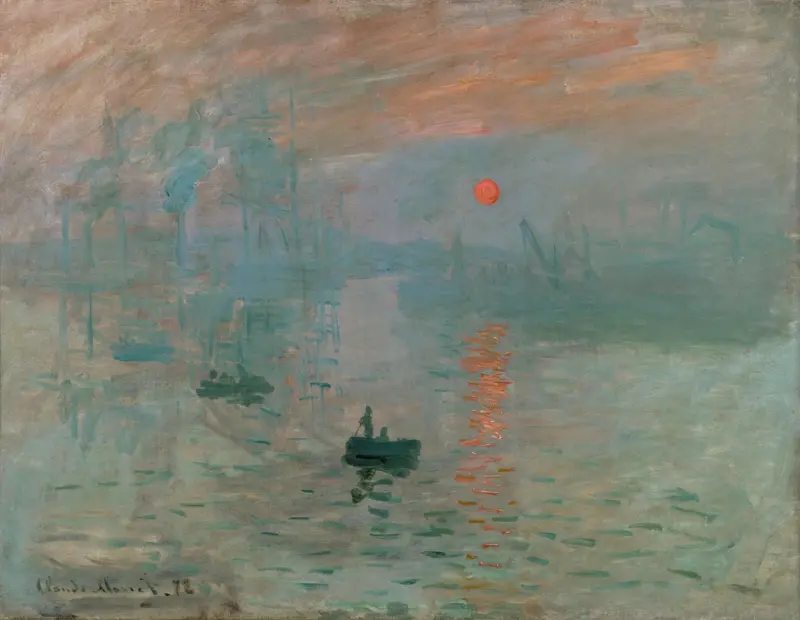
Impression, Sunrise
Claude Monet
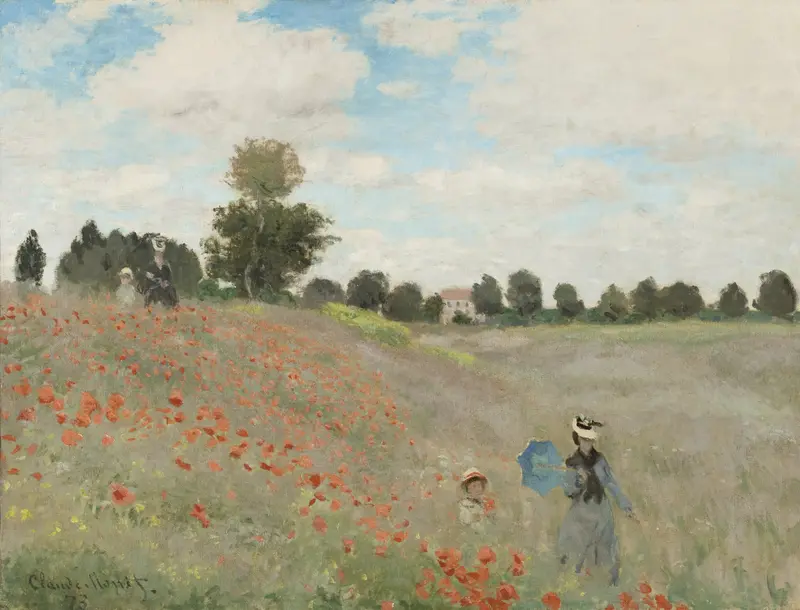
The Poppy Field near Argenteuil
Claude Monet
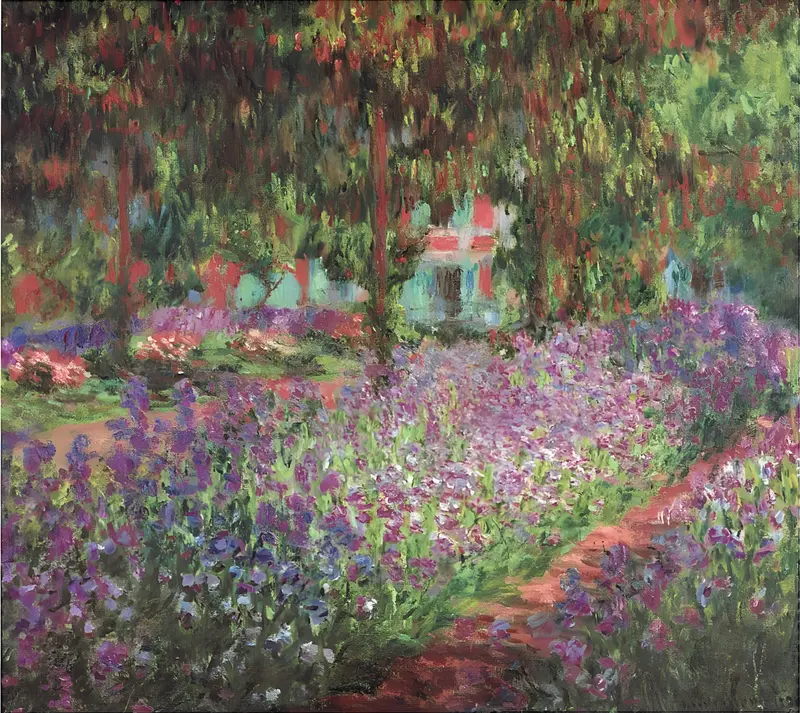
The Artist's Garden at Giverny
Claude Monet
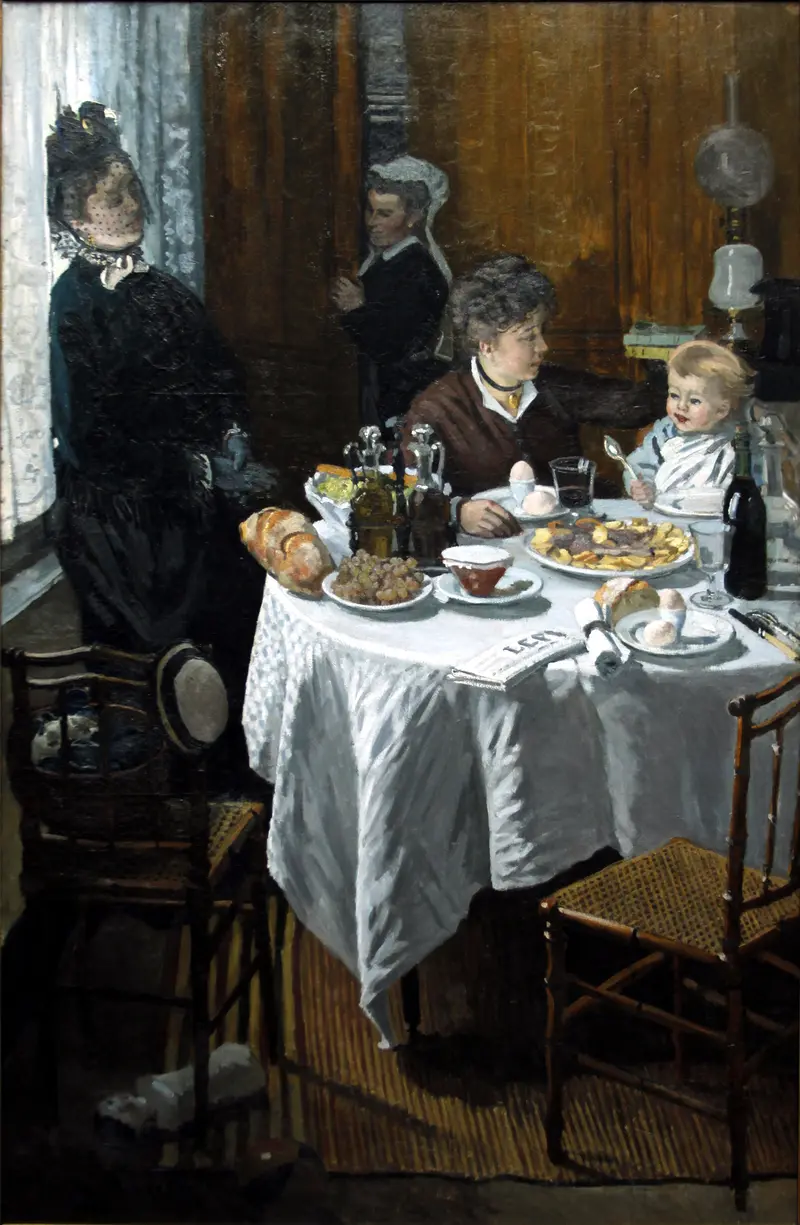
The Luncheon
Claude Monet
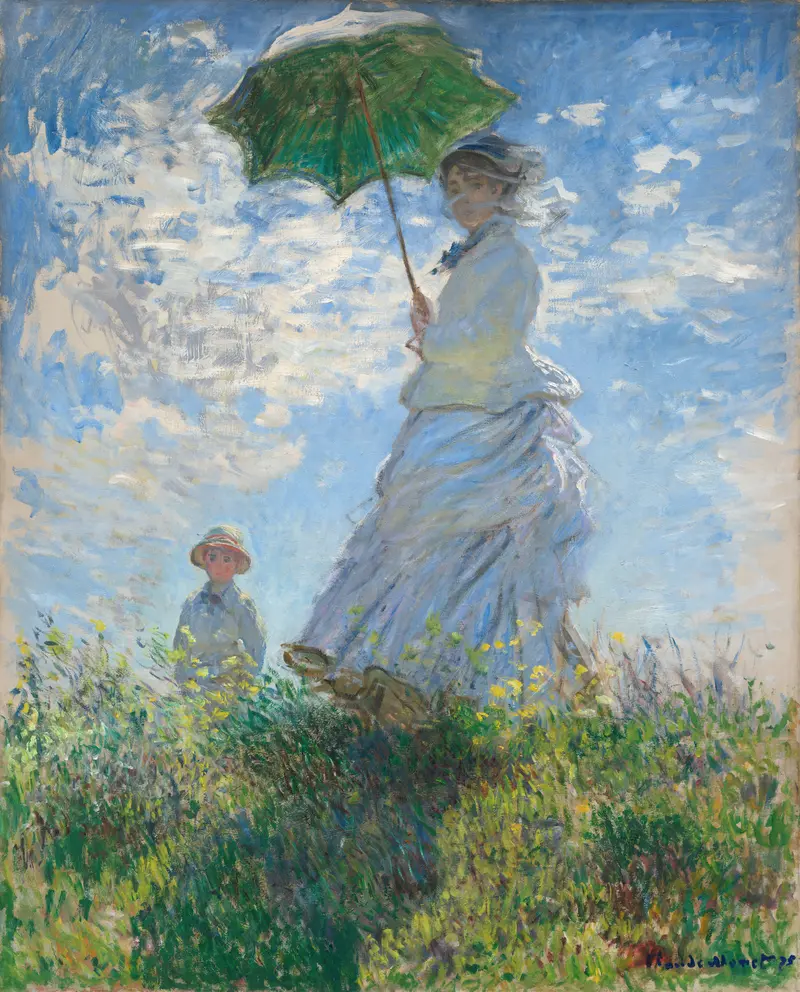
Woman with a Parasol – Madame Monet and Her Son
Claude Monet

The Gare Saint-Lazare
Claude Monet
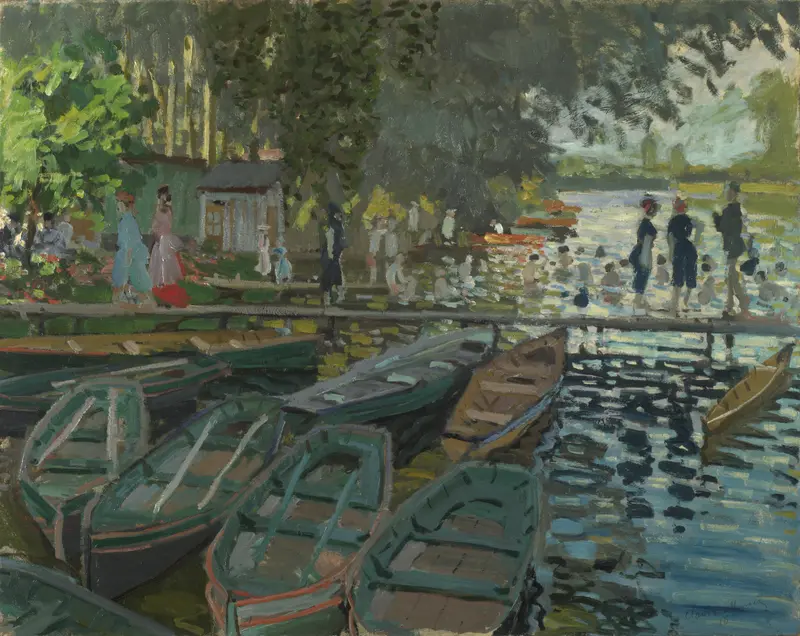
Bathers at La Grenouillère
Claude Monet
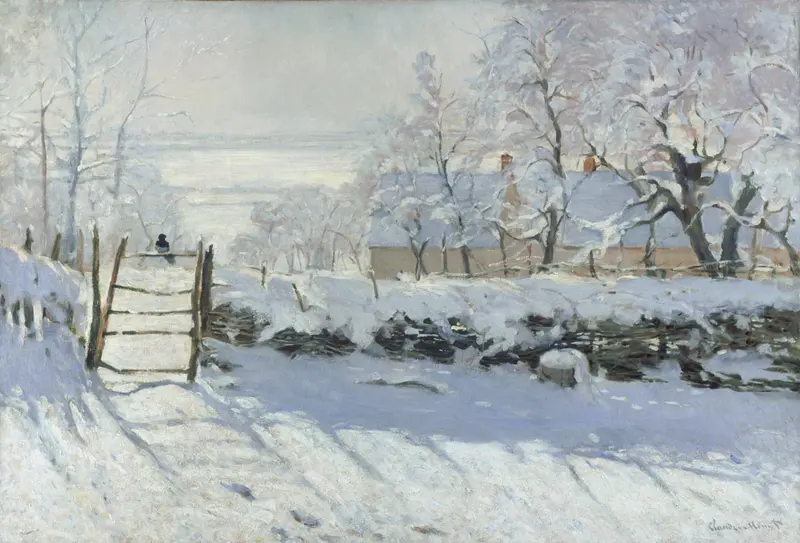
The Magpie
Claude Monet

Water Lilies
Claude Monet





