Springtime Stroll — History & Facts
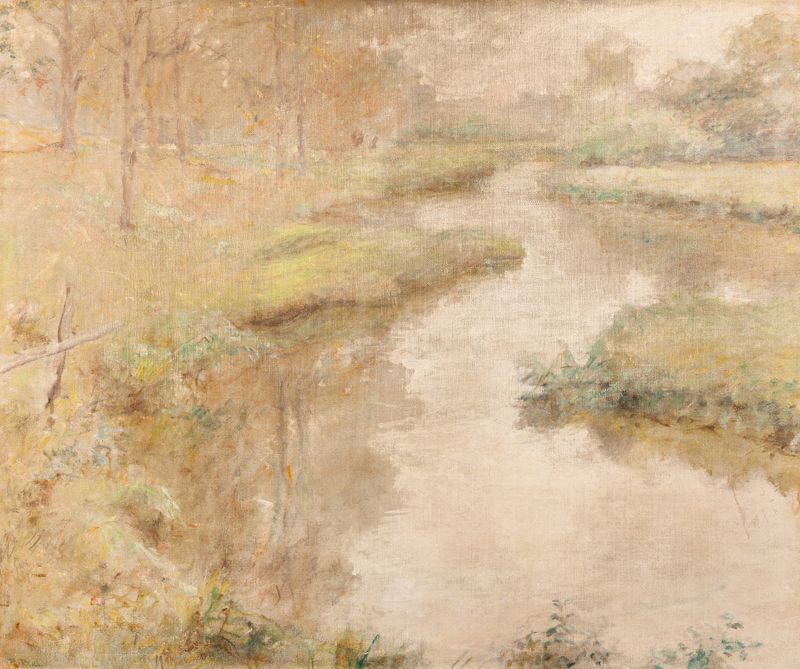
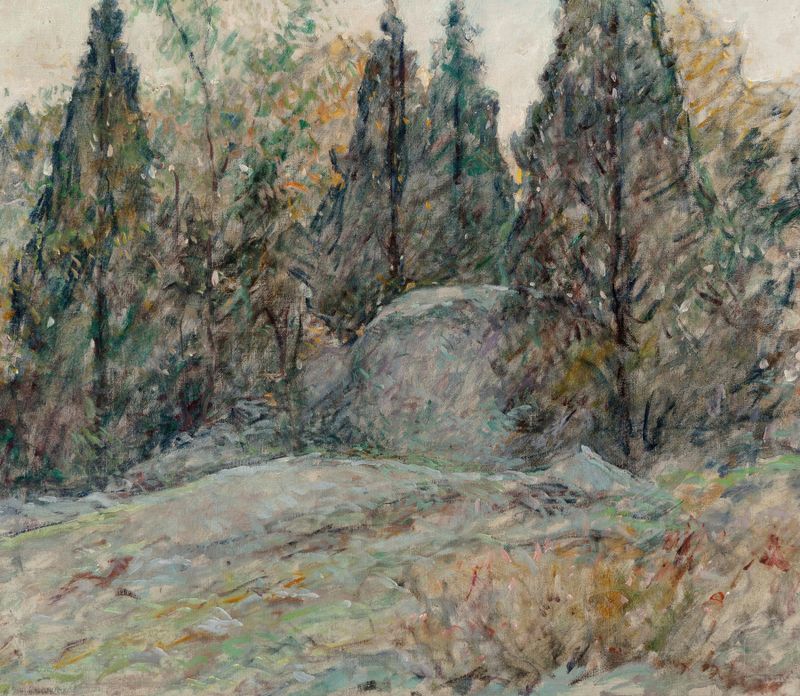
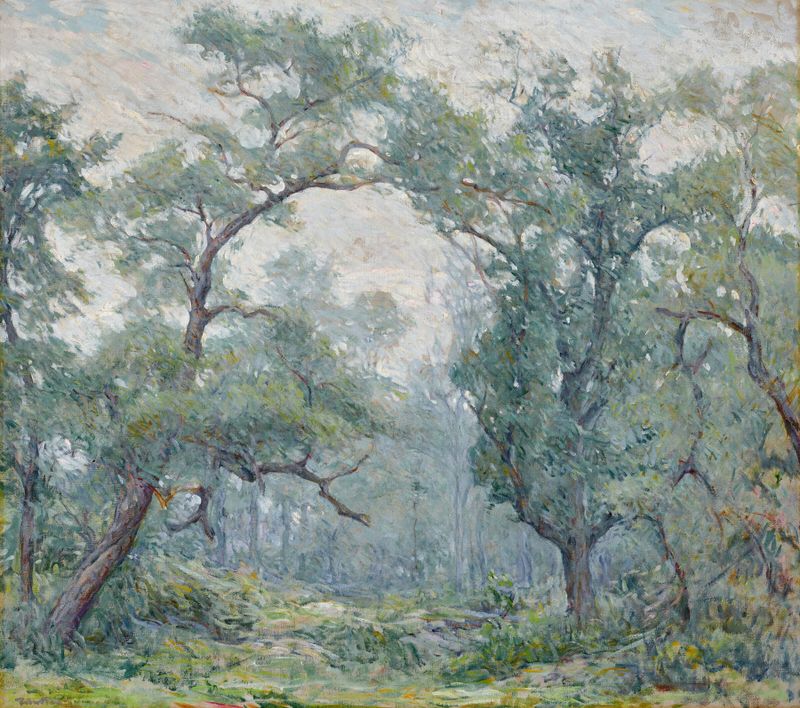
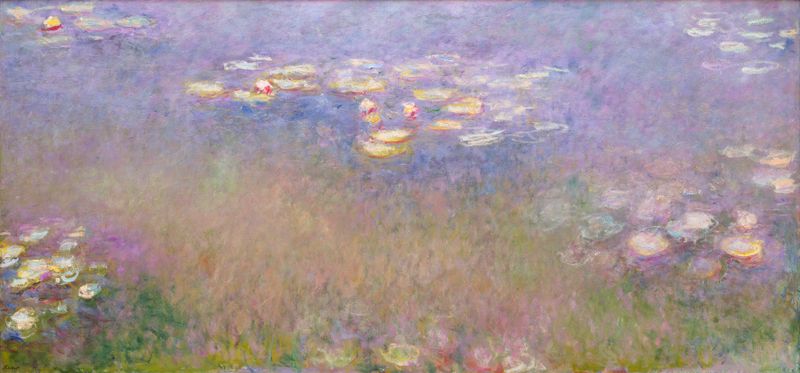
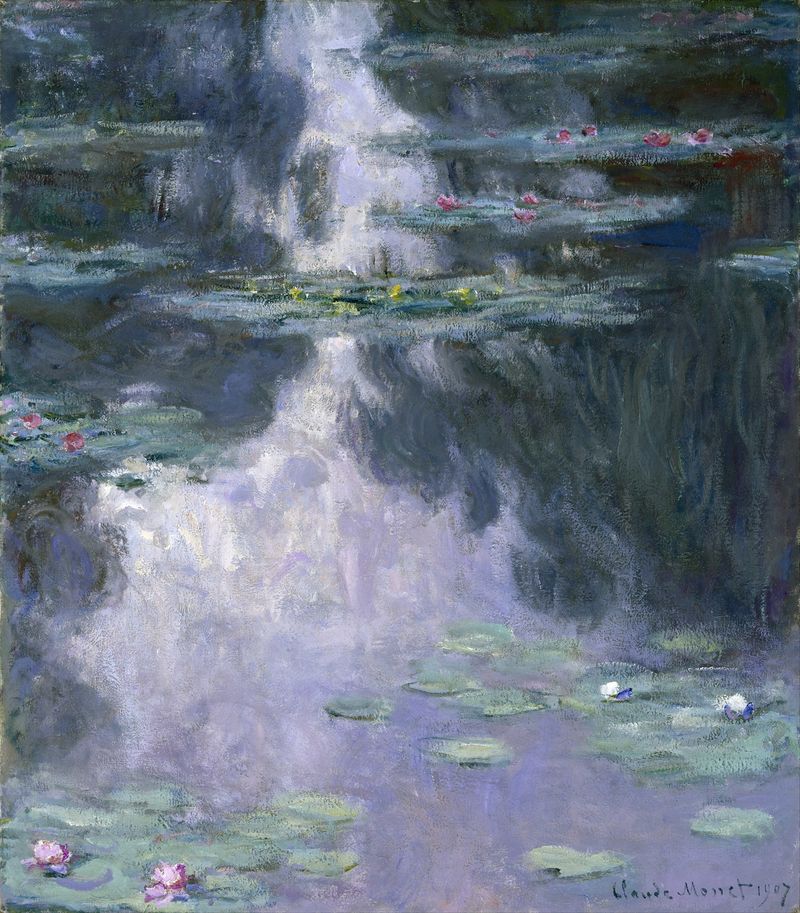
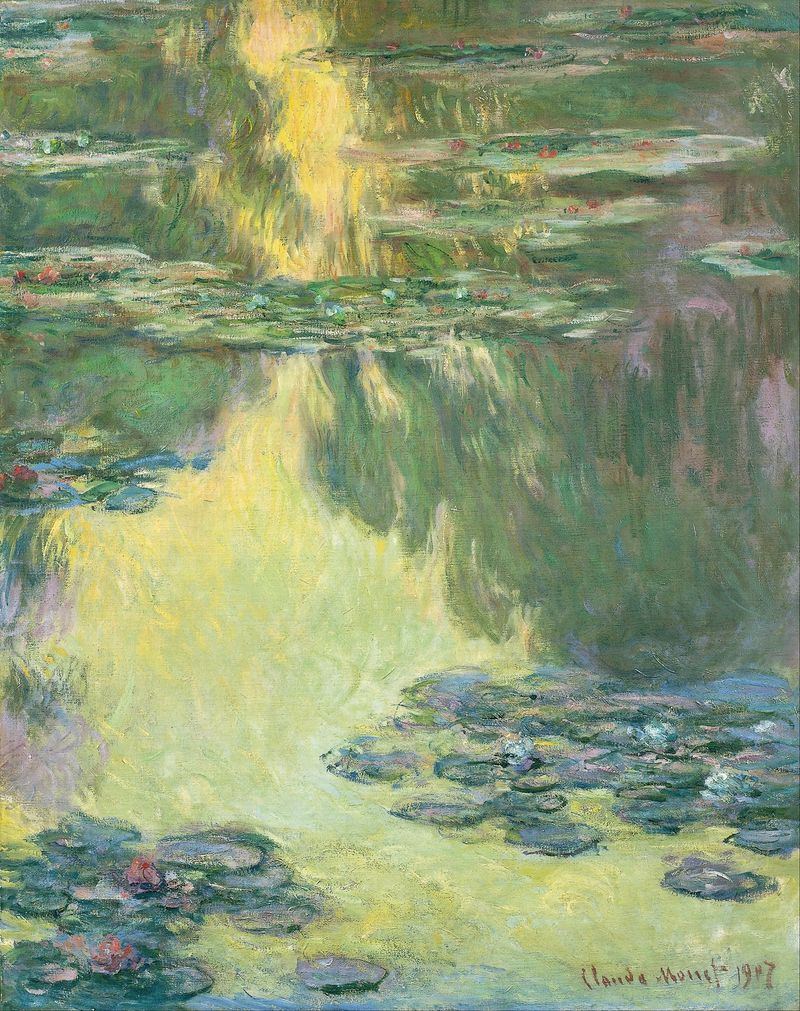
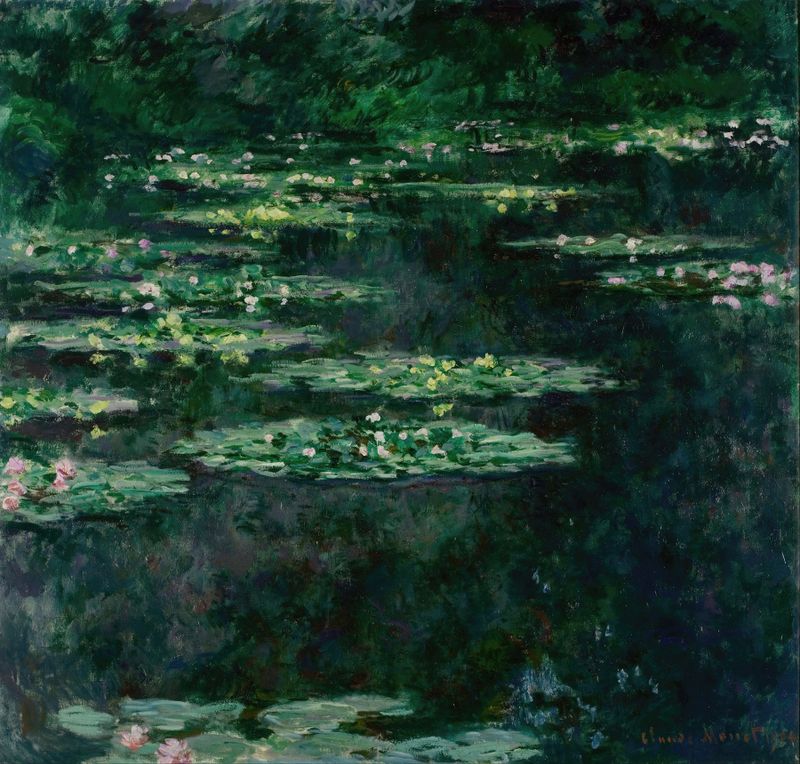
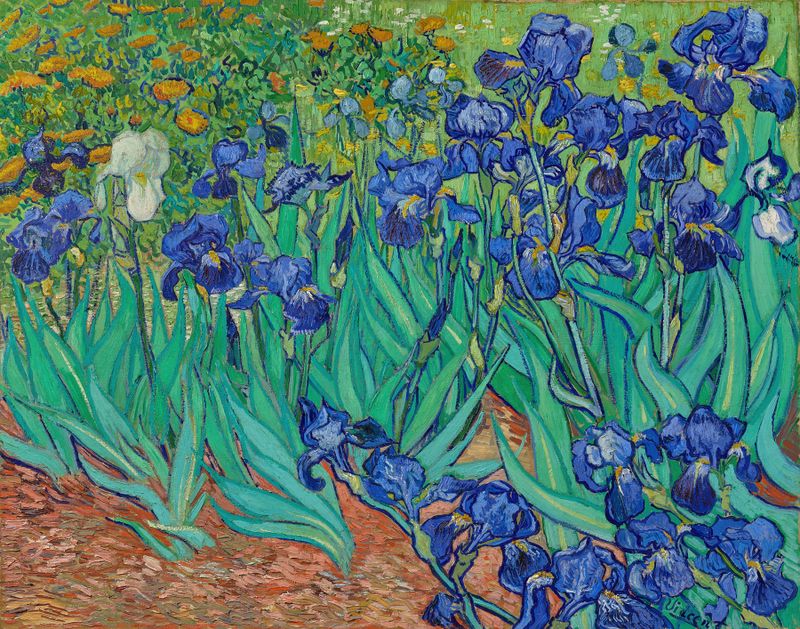
Obsession often manifests in the subtle embrace of nature, waiting in the shadows of vibrant hues and hushed whispers. In the act of walking through a blooming landscape, one may unearth layers of longing and discovery, where every petal and blade of grass speaks of hidden narratives. Focus first on the lush symmetry of the flowers, their petals unfurling like secrets waiting to be shared. Notice how the various tones of pink, yellow, and green create a tapestry that draws the eye inward.
The play of light dances delicately across the canvas, illuminating certain blooms while casting others into gentle shadows, evoking a sense of both joy and melancholy. Each brushstroke is a testament to the artist's dedication, inviting viewers to wander through this idyllic scene. The contrast between the vivid blossoms and the tranquil background creates a tension that suggests more than mere beauty. Here, the flowers may symbolize fleeting moments of happiness, intertwined with an underlying sense of nostalgia.
One can almost feel the weight of obsession in the way colors collide and harmonize—an exploration of nature that reflects the complexities of human emotion and the desire to hold onto moments that are inevitably ephemeral. Created during a period of introspection for the artist, this work emerged in a time when the beauty of the American landscape was being redefined by modernism. While Reid painted Springtime Stroll, he was inspired by both the natural world and the art movements around him, as the early 20th century ushered in new perspectives on color and form. His dedication to capturing the essence of spring reveals his commitment to celebrating the beauty inherent in the everyday, while also grappling with the desire to immortalize it on canvas.