
St. Augustine’s Gate, Canterbury — History & Facts
Is this a mirror — or a memory? In St. Augustine’s Gate, Canterbury, the boundary between past and present blurs, inviting viewers to wander through the vestiges of time with each brushstroke. Look closely at the archway in the center, its stone facade beckoning you in with a whisper of history. Turner masterfully plays with light and shadow, with the warm hues of sunset bathing the gate in a golden glow while soft blue-gray clouds loom overhead.
The composition draws the eye through the arch, leading you to the faint figures of travelers in the distance, their forms almost ghostly amidst the vibrant landscape. The juxtaposition of rich yellows and somber tones suggests both the warmth of human presence and the chill of solitude. Beneath the surface, the painting captures a tension between permanence and transience. The sturdy, timeworn stones of the gate embody the weight of history, yet the ephemeral quality of the fleeting light hints at the passage of time.
The distant figures evoke a sense of movement, suggesting lives lived and moments shared, while the wildflowers at the forefront bloom in silent rebellion against the inevitability of decay. Here, nostalgia intertwines with a quiet acceptance, prompting viewers to reflect on their own journeys through time. During the years 1792 to 1793, Turner was meticulously honing his skills in London, deeply influenced by the unfolding Romantic movement. This period marked a significant departure in his work, as the artist began to explore themes of memory and emotion through landscape painting.
A sense of introspection defined this time, mirroring broader societal shifts that sought greater connection to nature and the past, ultimately shaping the evolution of British art.
More Artworks by Joseph Mallord William Turner
Browse all →
Dort or Dordrecht- The Dort Packet-Boat from Rotterdam Becalmed
Joseph Mallord William Turner
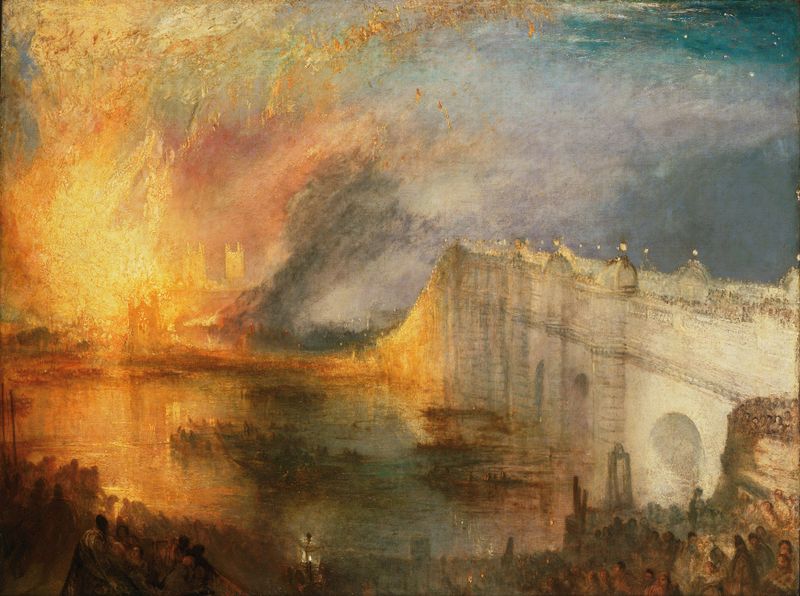
The Burning of the Houses of Lords and Commons, October 16, 1834
Joseph Mallord William Turner
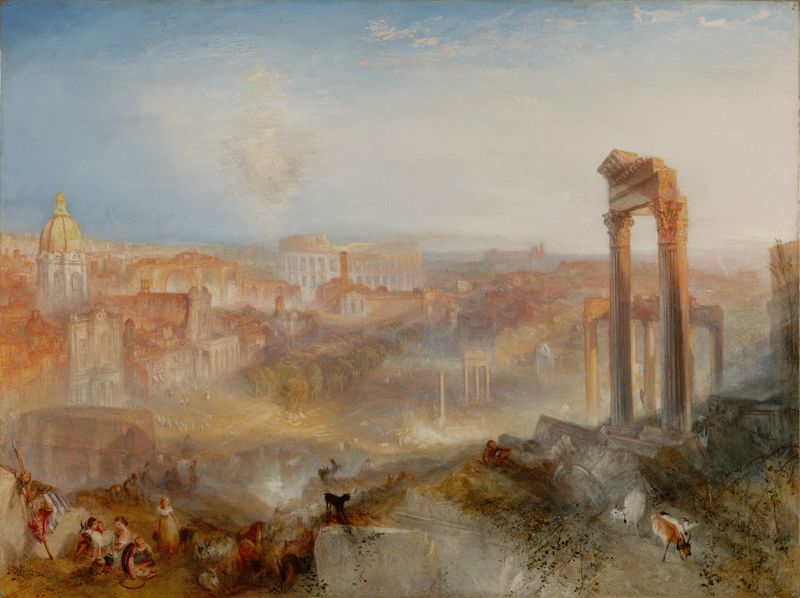
Modern Rome – Campo Vaccino
Joseph Mallord William Turner
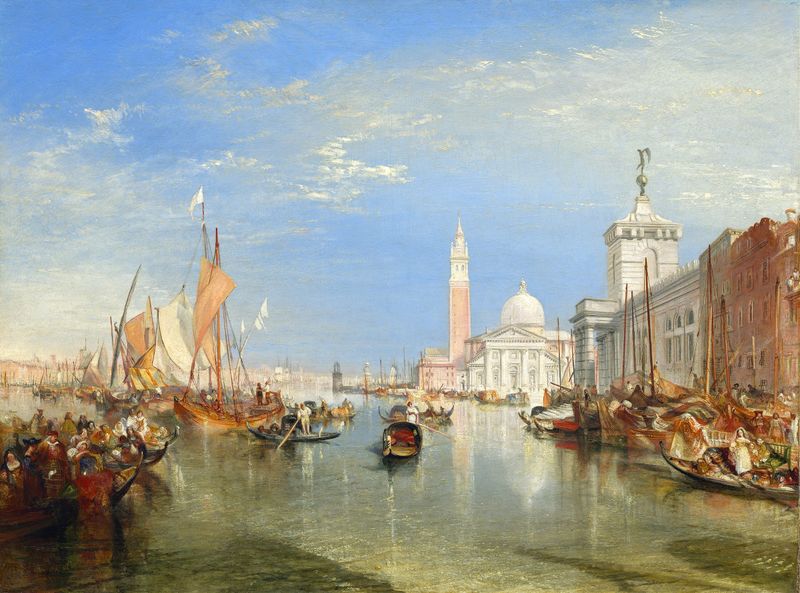
Venice – The Dogana and San Giorgio Maggiore
Joseph Mallord William Turner

The Burning of the Houses of Lords and Commons, 16 October 1834
Joseph Mallord William Turner
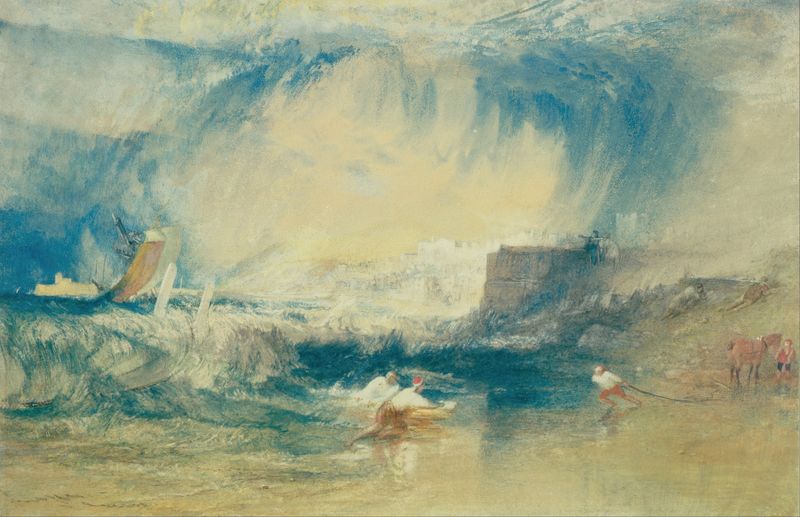
Lyme Regis, Dorsetshire, England
Joseph Mallord William Turner
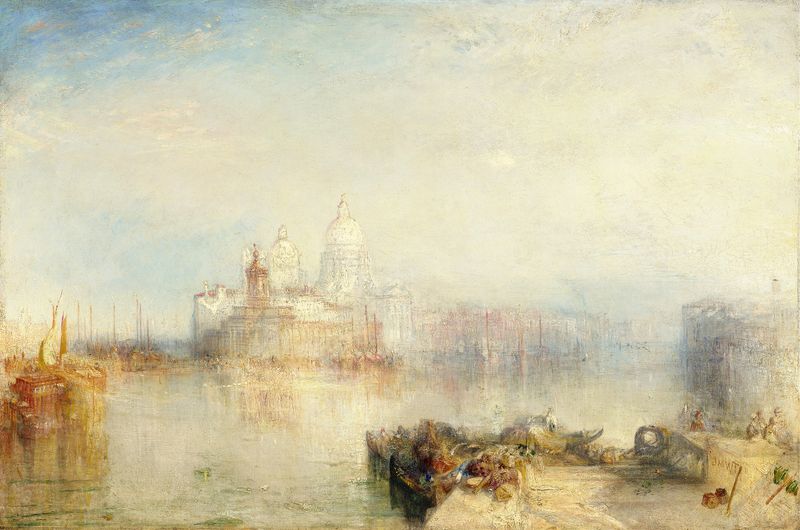
The Dogana and Santa Maria della Salute, Venice
Joseph Mallord William Turner
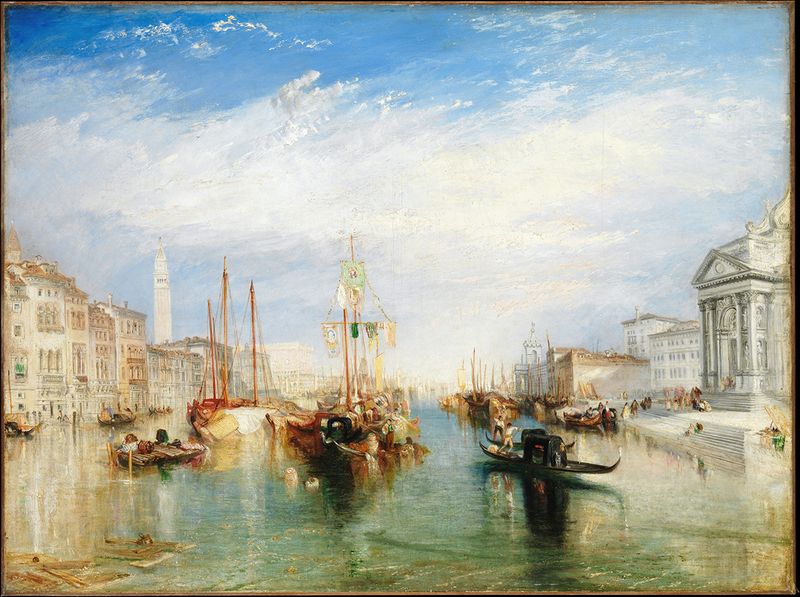
Venice, from the Porch of Madonna della Salute
Joseph Mallord William Turner
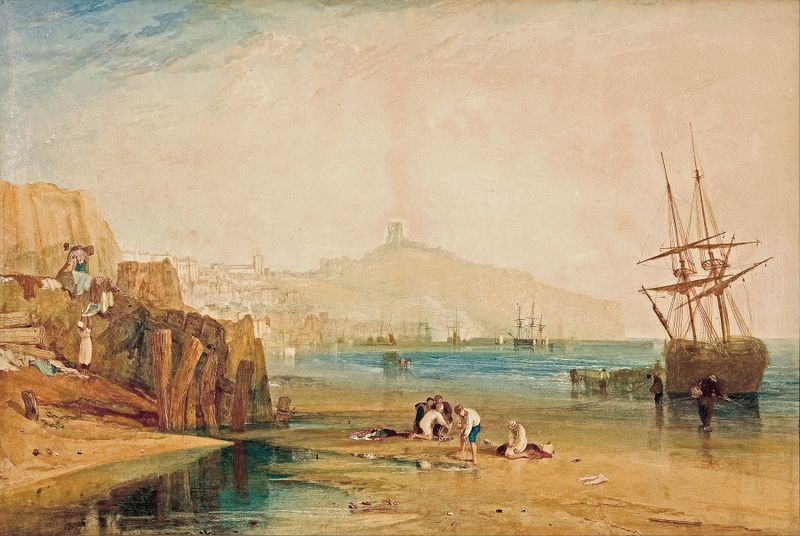
Scarborough town and castle; morning; boys catching crabs
Joseph Mallord William Turner
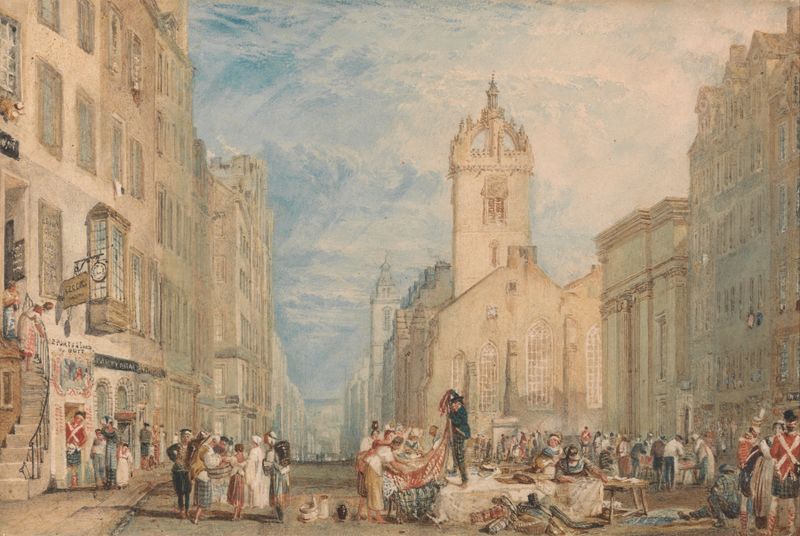
High Street, Edinburgh
Joseph Mallord William Turner
More Architecture Art
Browse all →
The statue of Liberty
Frédéric Auguste Bartholdi

View of Houses in Delft, Known as ‘The Little Street’
Johannes Vermeer

View of Houses in Delft, Known as ‘The Little Street’
Johannes Vermeer

The Cathedral in Rouen. The portal, Grey Weather
Claude Monet

The yellow house
Vincent van Gogh

The Church in Auvers-sur-Oise, View from the Chevet
Vincent van Gogh