
St. Davids Head, Pembrokeshire — History & Facts
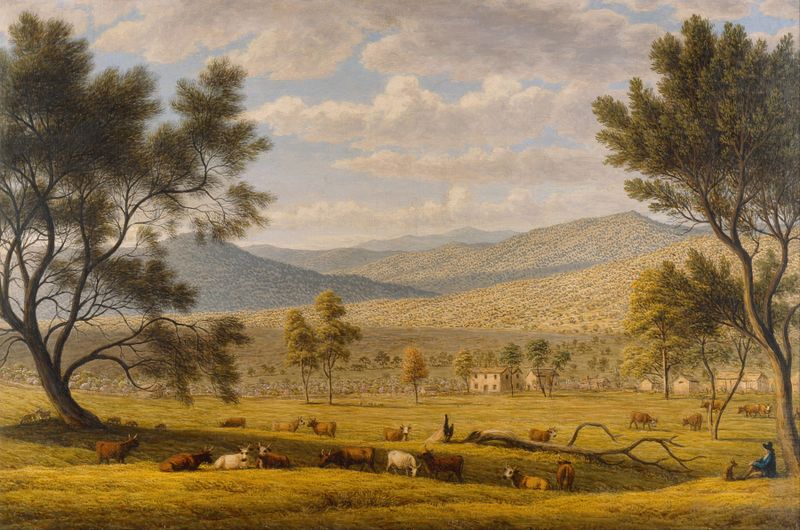
When did color learn to lie? In St. Davids Head, Pembrokeshire, the hues whisper tales that dance on the edge of truth, pulling us into a world where nature's palette suggests motion rather than stillness. Look to the left at the deep azure of the ocean, its restless waves contrasting sharply with the vibrant greens of the coastal cliffs. The artist employs a dynamic application of paint that captures the momentary flicker of sunlight glistening on water.
Notice how the clouds are brushed in soft whites and grays, swirling above like thoughts in tumult, creating a sense of movement that contrasts with the steadfast landscape below. Each stroke seems alive, vibrating with the thrum of the natural world. Beneath the surface beauty lies a subtle tension between the tranquility of the scene and the underlying force of nature represented by the sea. The cliffs, solid and eternal, stand in stark juxtaposition to the ever-changing ocean, a reminder of the fragility of human existence against the mighty elements.
Furthermore, the encroaching shadows of the clouds hint at impending change, evoking feelings of uncertainty and transformation, suggesting that even the most serene landscapes are subject to the whims of time. In 1805, John Glover painted this work during a period of personal and artistic transition; he had recently moved to England from Australia, seeking to establish himself in the European art scene. The Romantic movement was gaining momentum, prioritizing emotion and the sublime in nature, and Glover's engagement with the dramatic Welsh coastline reflects both his adaptation to this environment and the wider cultural shifts occurring in the art world at that time.
More Artworks by John Glover
Browse all →
A view of the artist’s house and garden, in Mills Plains, Van Diemen’s Land
John Glover
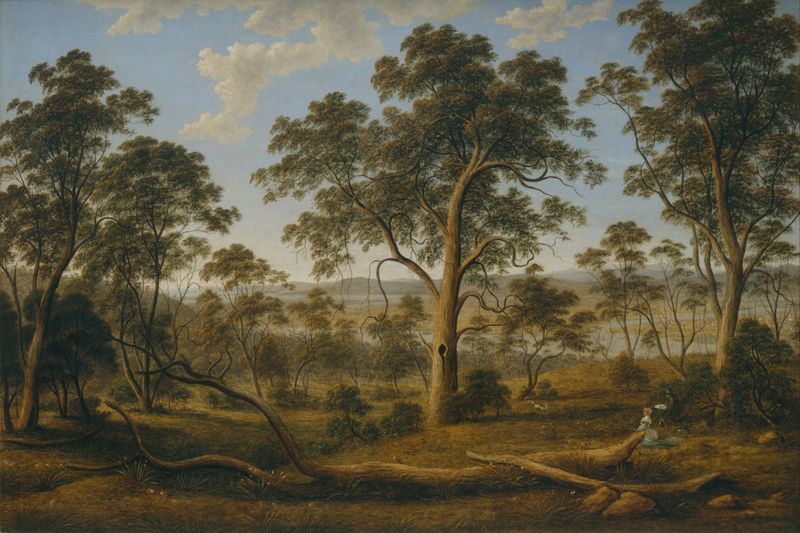
Launceston and the river Tamar
John Glover
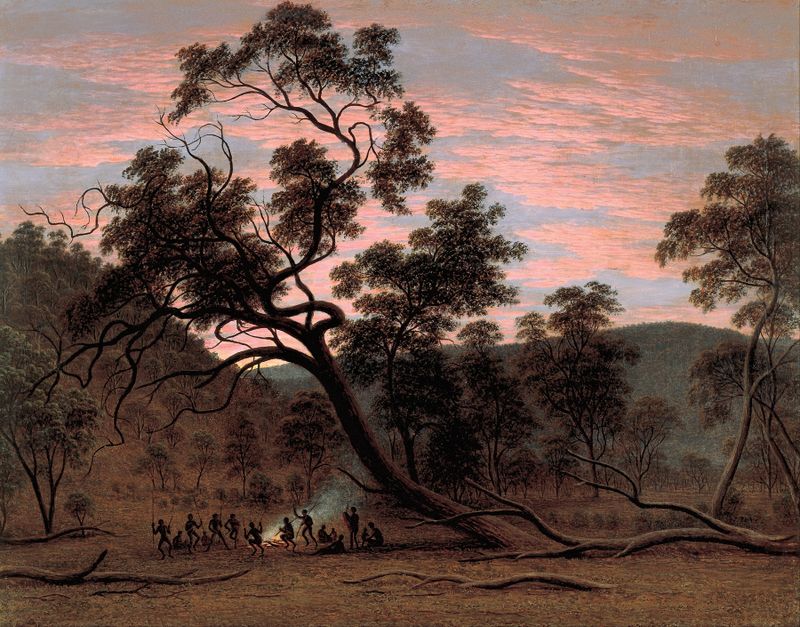
A corroboree of natives in Mills Plains
John Glover

Mount Wellington and Hobart Town from Kangaroo Point
John Glover

Mr Robinson’s house on the Derwent, Van Diemen’s Land
John Glover
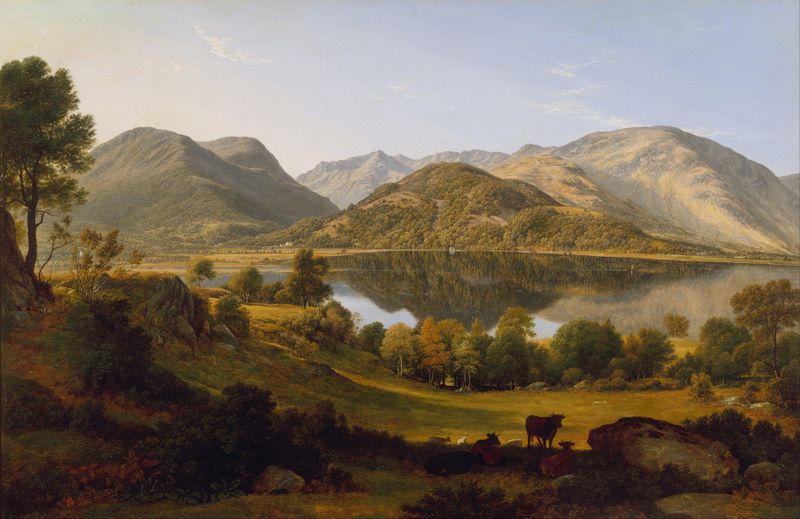
Ullswater, early morning
John Glover
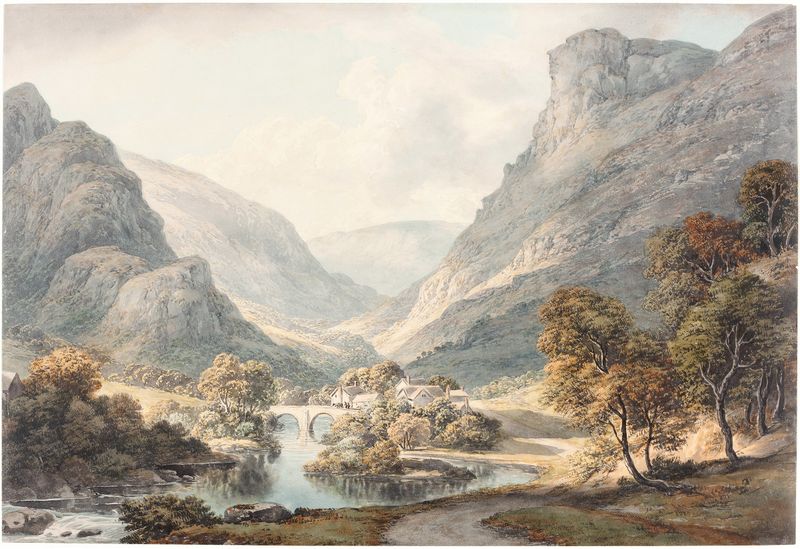
A View of Dovedale
John Glover

The bath of Diana, Van Diemen’s Land
John Glover

Landscape view in Cumberland
John Glover
Patterdale farm
John Glover





