
St. Donat’s Castle, Glamorganshire — History & Facts
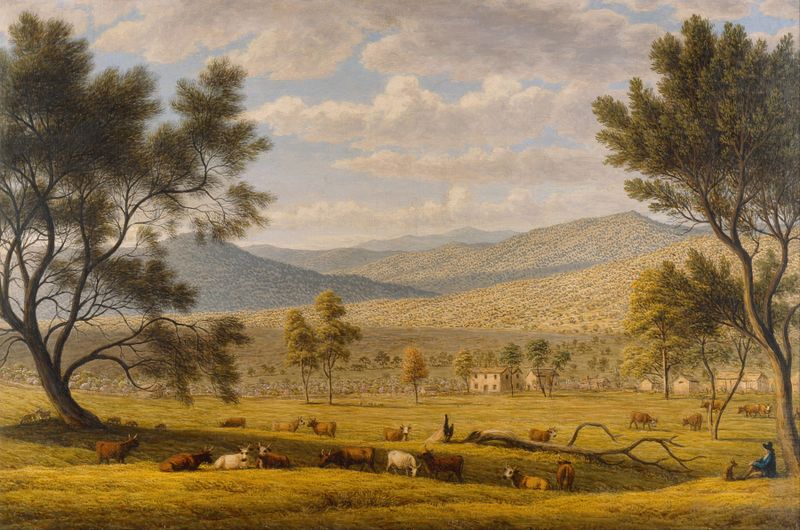
The canvas doesn’t lie — it simply waits. In the stillness of a moment captured long ago, serenity breathes life into the landscape, inviting the viewer to step into a quiet embrace of nature’s grace. Look to the left at the soft contours of the rolling hills, their verdant greens blending seamlessly into gentle shades of ochre and gold. Notice how the light bathes St.
Donat’s Castle in a warm glow, casting elongated shadows that stretch across the ground, defining the ancient structure’s formidable presence against the expansive sky. The careful brushstrokes convey a sense of harmony, allowing the viewer's gaze to flow effortlessly through the composition, each element connected as if whispering secrets of the past. Beneath the tranquil surface lies a contrast between human endeavor and the timelessness of nature. The castle stands as a testament to human ambition, its weathered stones recounting stories of resilience against the vastness of the countryside.
The juxtaposition of the imposing structure with the soft, idyllic scenery evokes a sense of peace, suggesting that while time may erode man-made creations, nature endures in quiet beauty. The gentle ripples in the water reflect this duality, alternating between calmness and the unseen depths below. Created during a period when the artist was exploring the balance between civilization and the natural world, this work emerged from the heart of the British Romantic movement. Glover, who was renowned for his landscape paintings, likely sought to express both the grandeur of the Welsh countryside and its intimate relationship with history.
The absence of a specific date reflects the timeless appeal of the scene, capturing not just a place but the essence of an era that celebrated both nature and architecture.
More Artworks by John Glover
Browse all →
A view of the artist’s house and garden, in Mills Plains, Van Diemen’s Land
John Glover
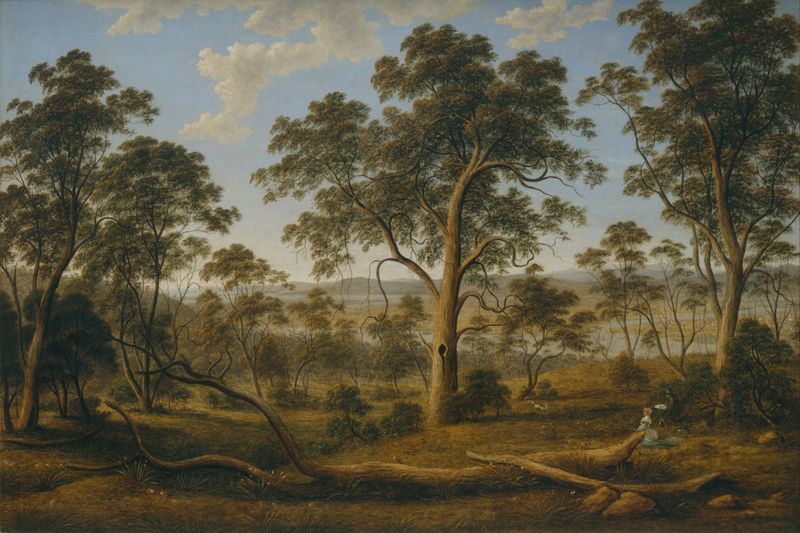
Launceston and the river Tamar
John Glover
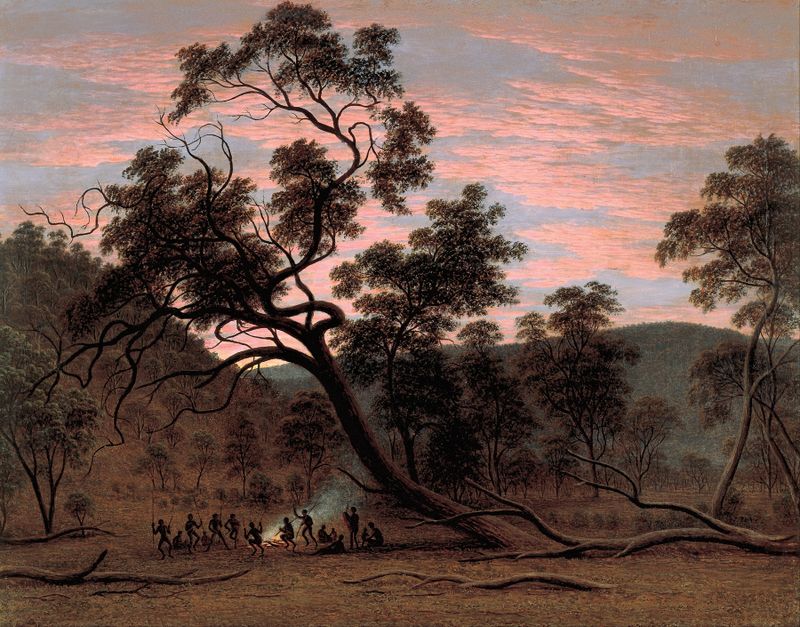
A corroboree of natives in Mills Plains
John Glover

Mount Wellington and Hobart Town from Kangaroo Point
John Glover

Mr Robinson’s house on the Derwent, Van Diemen’s Land
John Glover
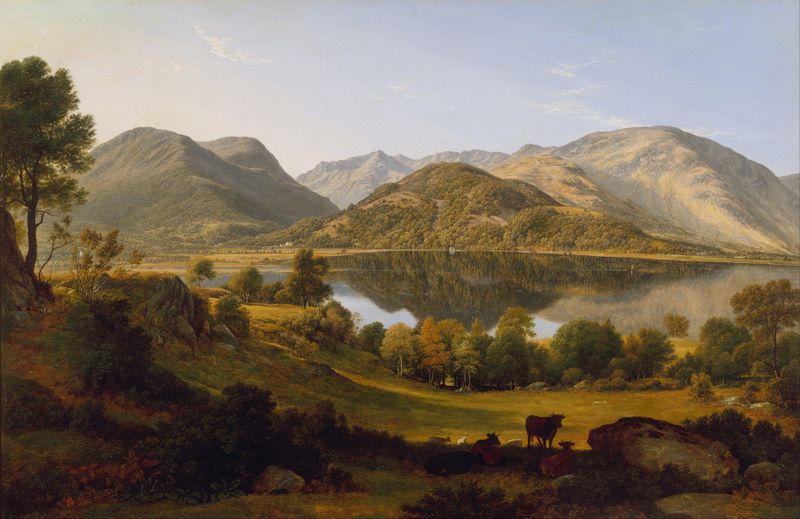
Ullswater, early morning
John Glover
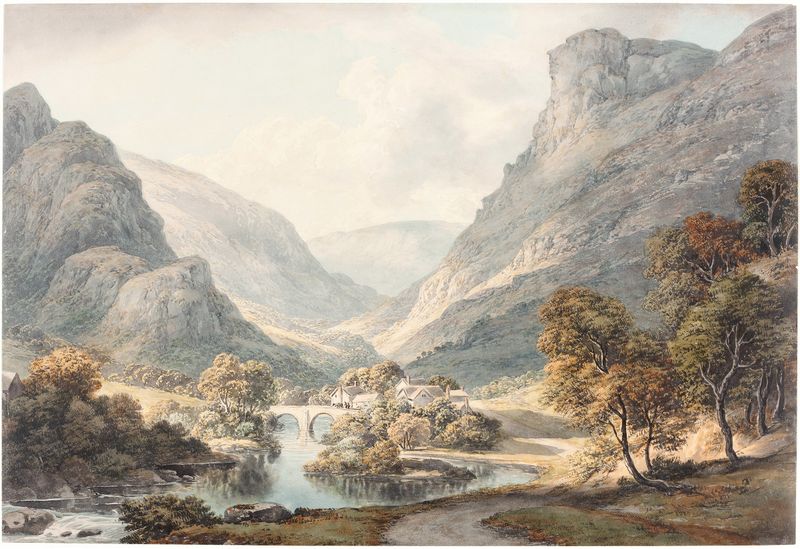
A View of Dovedale
John Glover

The bath of Diana, Van Diemen’s Land
John Glover

Landscape view in Cumberland
John Glover
Patterdale farm
John Glover





