
St. George Killing the Dragon, after Carpaccio — History & Facts
In the stillness that envelops St. George Killing the Dragon, the weight of the moment hangs in the air, urging contemplation and reflection. The absence of sound transforms the scene into a profound dialogue between the figures and their fates, each gaze and gesture steeped in meaning. Look closely at the figure of St.
George on the left, his armor shimmering with a metallic sheen that catches the light beautifully. Direct your attention to the delicate interplay of colors in the dragon's scales, a vivid palette of greens and golds coiling beneath the hero's foot. The tension is palpable; his posture, though poised for battle, suggests a moment of hesitation as he confronts the beast.
Notice the soft glow of the sky that frames the action, hinting at an impending dawn—a subtle indication that light has triumphed over darkness, yet not without struggle. This work encapsulates the duality of courage and compassion. The dragon, a symbol of chaos, embodies fear itself, while St. George’s expression reveals a profound empathy for the plight of the innocent maiden bound by the creature.
The artist deftly contrasts the serene beauty of the landscape with the brutality of the act about to unfold, reminding us that even in moments of valor, there exists a poignant grief. In 1898, Gauley created this response to Carpaccio's original work during a period of great artistic experimentation and revival of classical themes. Living in a time when the art world was transitioning toward modernism, Gauley sought to reconnect viewers with the narratives of heroism and virtue, bringing forth the timeless battle between good and evil.
More Artworks by Robert David Gauley
Browse all →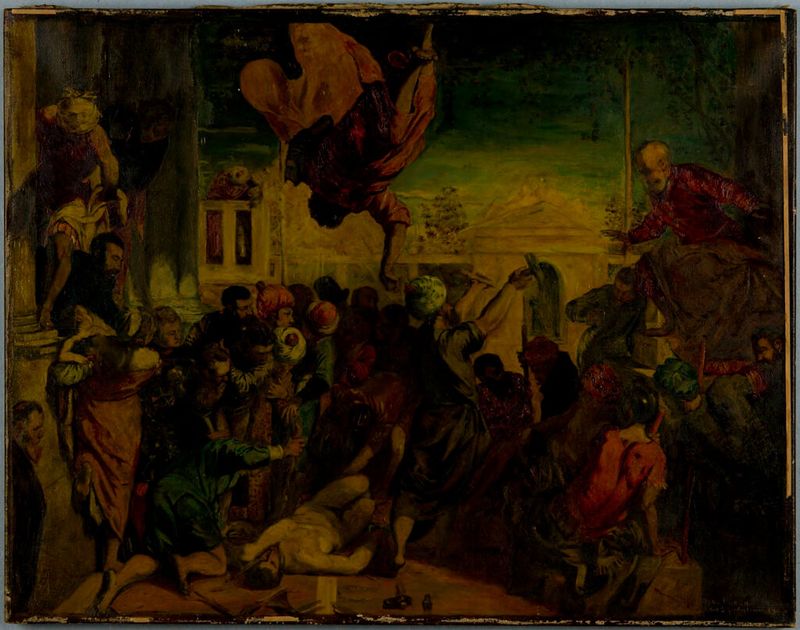
Saint Mark Rescuing a Slave, after Tintoretto
Robert David Gauley
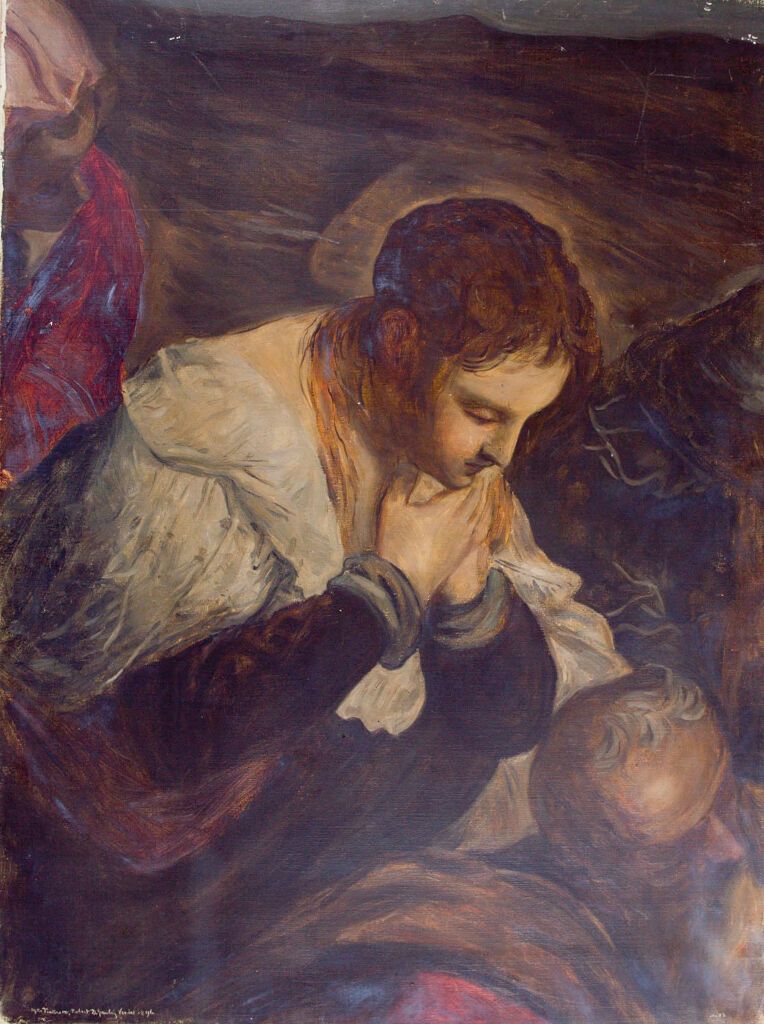
Three Figures in Procession, after Tintoretto
Robert David Gauley
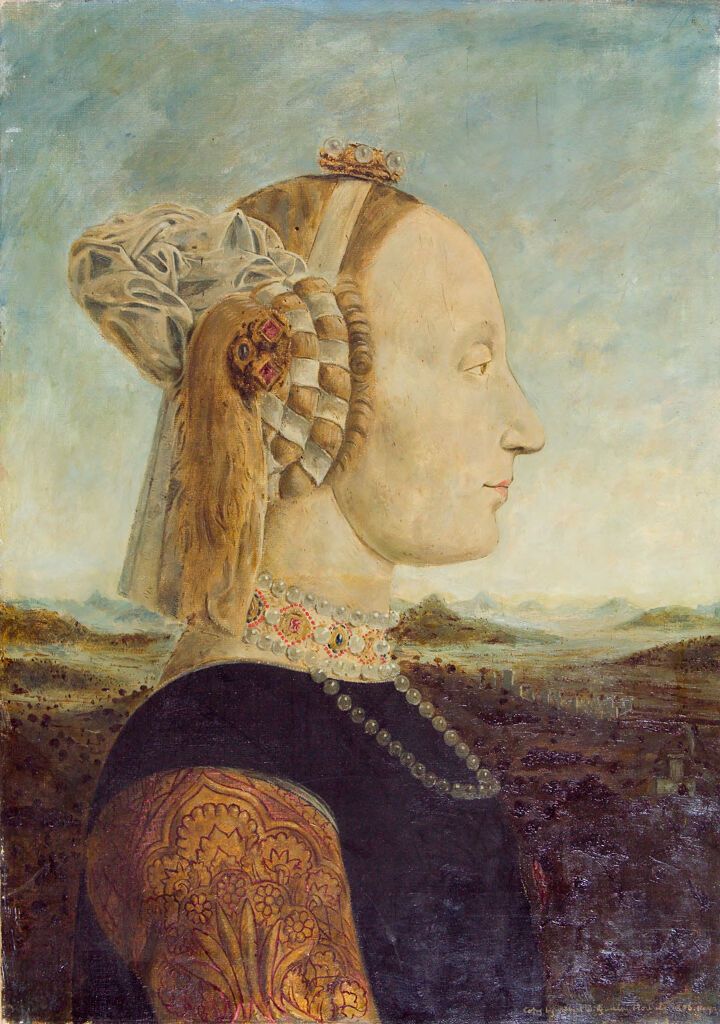
Battista Sforza, Duchess of Urbino, after Piero della Francesca
Robert David Gauley
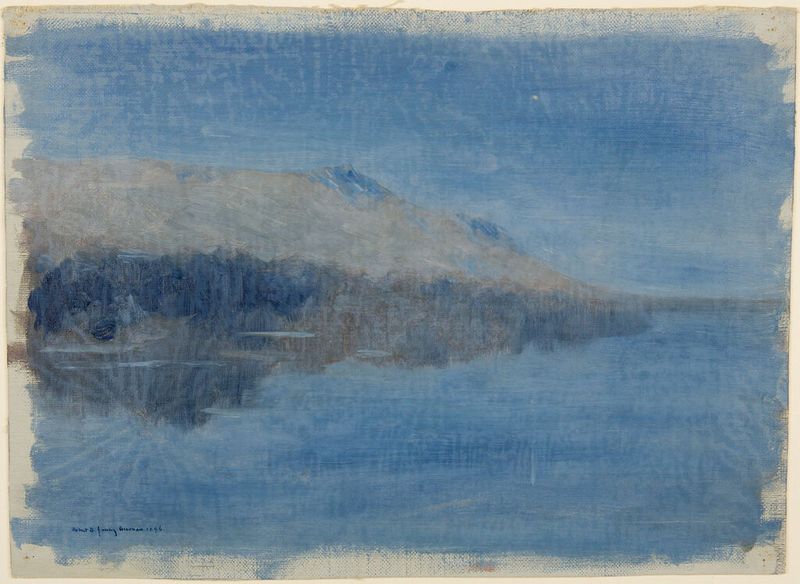
The Nile at Assouan, Moonlight
Robert David Gauley
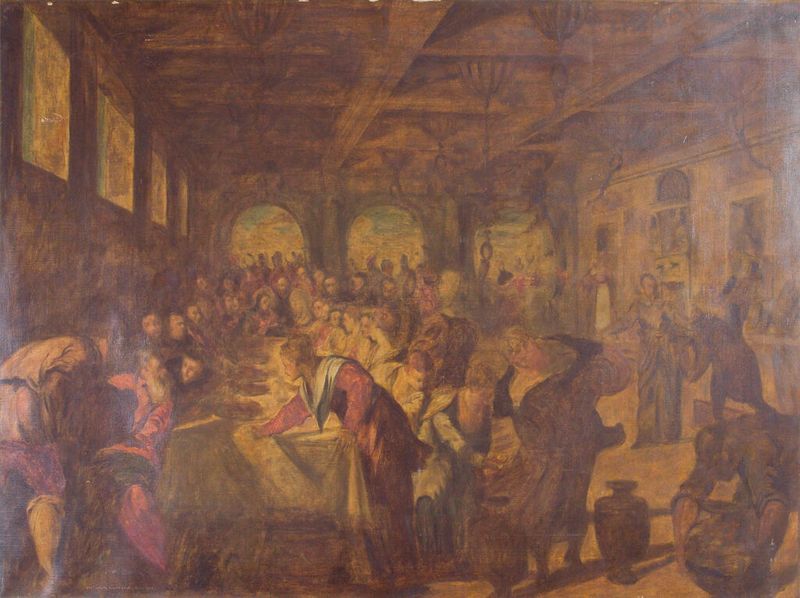
Wedding Feast at Cana, after Tintoretto
Robert David Gauley
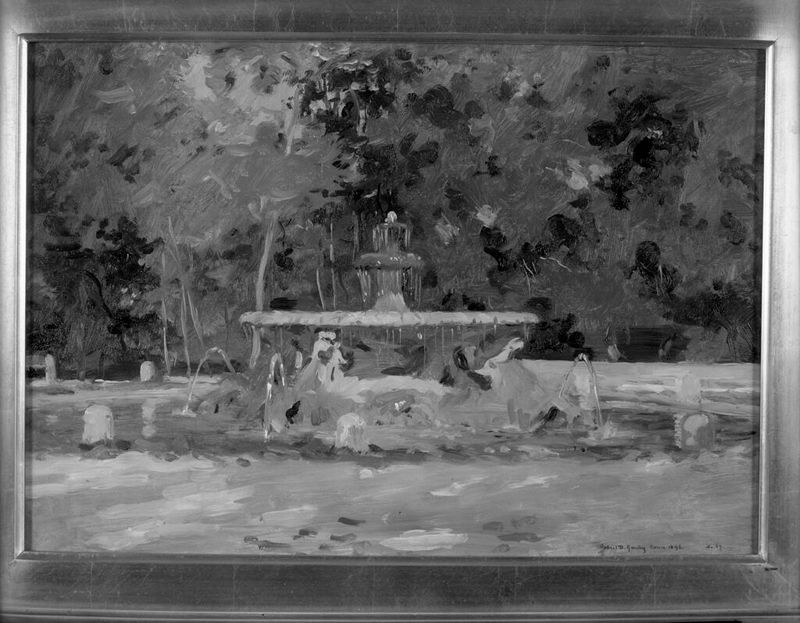
Fountain, Villa Borghese
Robert David Gauley
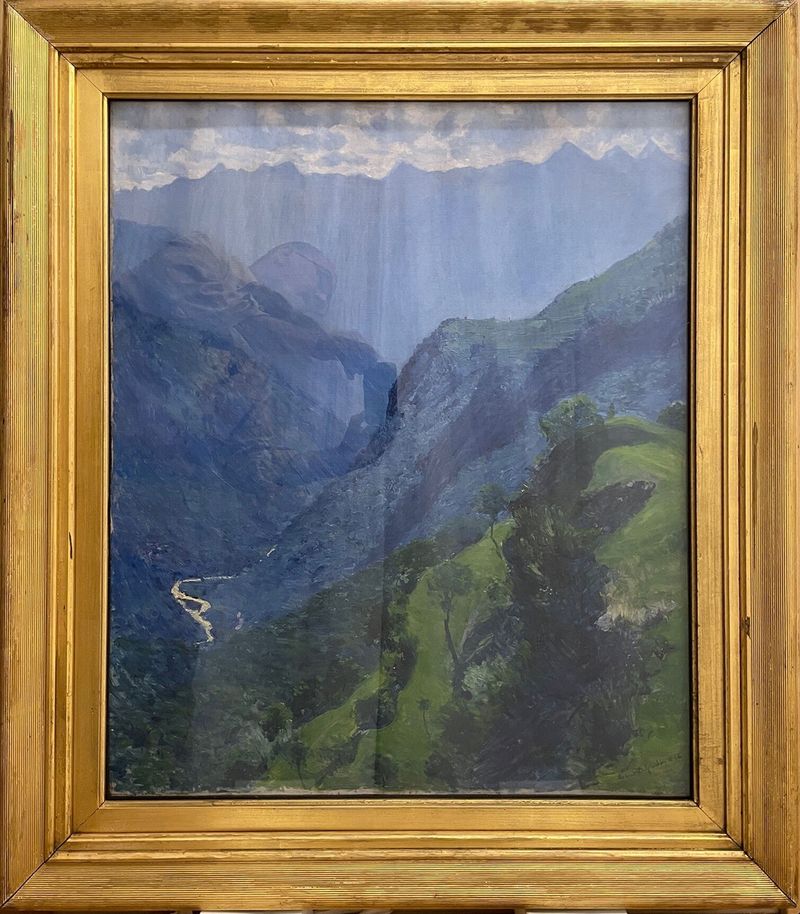
Mountain Pass
Robert David Gauley
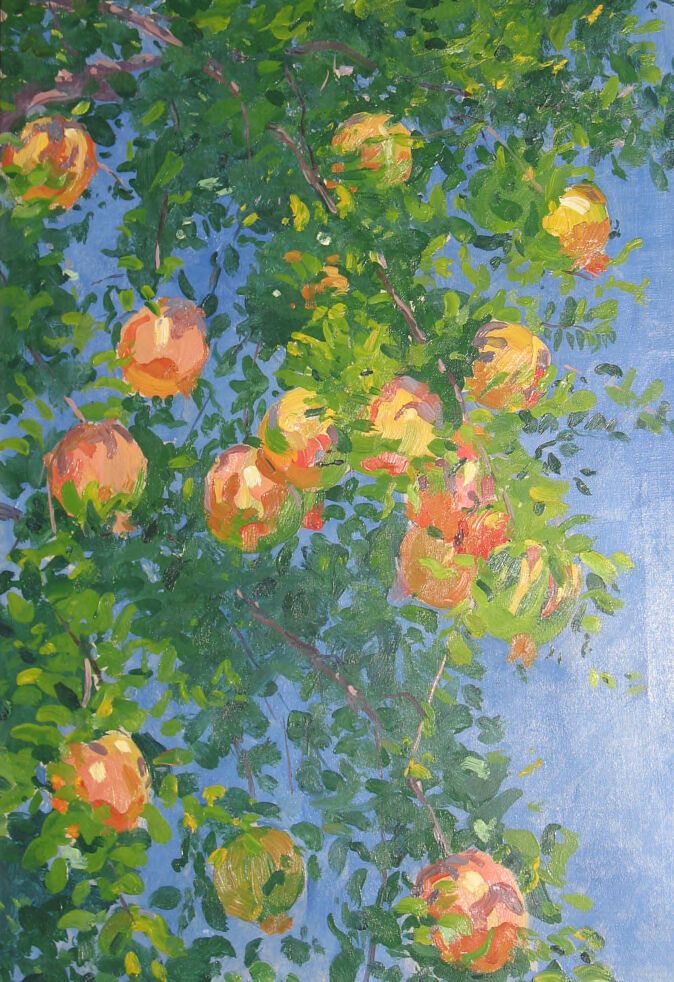
Pomegranates, Granada
Robert David Gauley
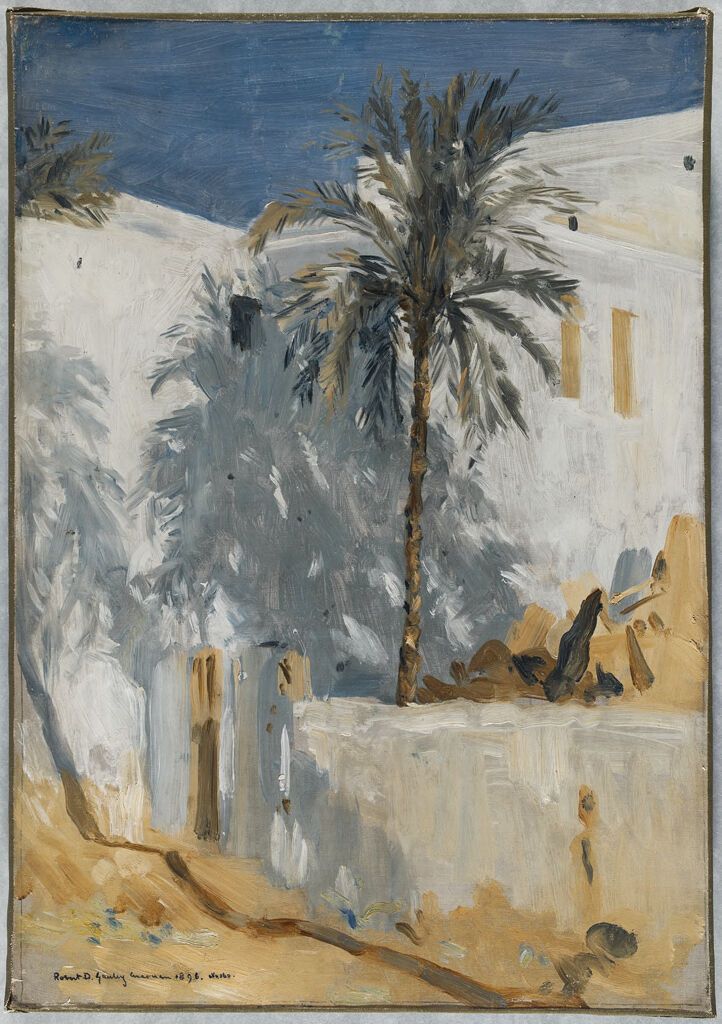
Buildings, Assouan
Robert David Gauley
More Religious Art
Browse all →
The Return of the Prodigal Son
Rembrandt van Rijn

The Garden of Earthly Delights
El Bosco

Count Orgaz’ funeral
El Greco

The Hundred Guilder Print: the central piece with Christ preaching, the plate arched
Rembrandt van Rijn

The Descent from the Cross
Rogier van der Weyden

The return of the prodigal son
Rembrandt van Rijn