
Three Figures in Procession, after Tintoretto — History & Facts
The air is thick with anticipation as three figures move in solemn unity, each step echoing the weight of unspoken truths. Shadows dance across their faces, deeply etched with the burden of a shared secret. Draped in rich fabrics, they embody both elegance and tension, illuminated by a soft light that hints at the darkness lurking beneath their serene surface. Focus on the figure in the center, where the light cascades down like a revelation, highlighting the contours of their expression—a blend of resolve and uncertainty.
Notice how the colors intertwine; deep blues and warm golds creating a visual dialogue that contrasts warmth with an underlying chill. The procession’s formation, slightly staggered yet aligned, conveys both support and an underlying fracture, as if one wrong glance could lead to a rupture. Betrayal lingers at the edges of this scene; it’s palpable in the slight turn of a head or the barely-there tension in their clasped hands. The figures are bound together, yet each stands alone in their thoughts, encapsulating the dichotomy of loyalty and duplicity.
The meticulous detailing of their garments suggests a richness that is both literal and metaphorical, foreshadowing a deeper unraveling of trust. In 1896, while immersing himself in the rich history of art that celebrated both classical and contemporary influences, Gauley painted this work as a homage to Tintoretto. At this time, he was exploring themes of human emotion and interpersonal dynamics, reflecting a world grappling with rapid change and the complexities of trust. His engagement with historical subjects reveals a desire to transcend mere representation, seeking to delve into the heart of human experience.
More Artworks by Robert David Gauley
Browse all →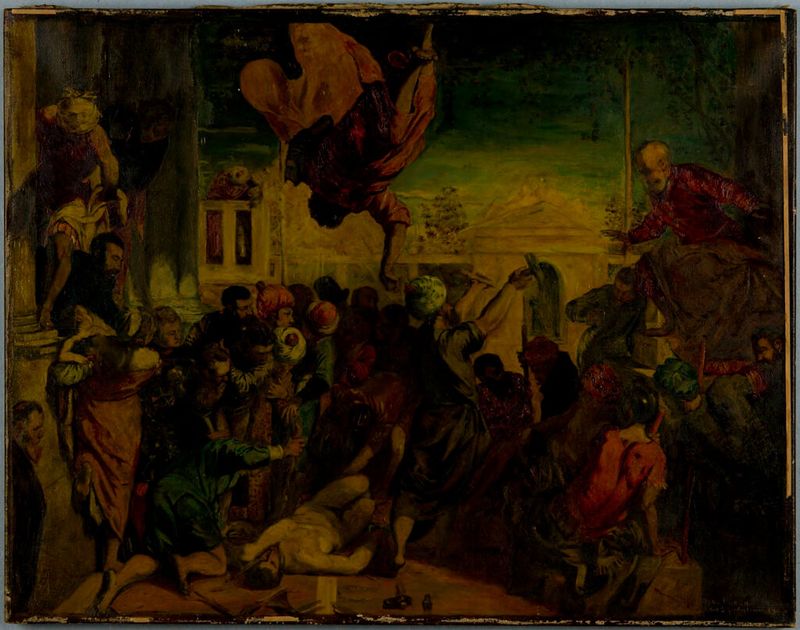
Saint Mark Rescuing a Slave, after Tintoretto
Robert David Gauley
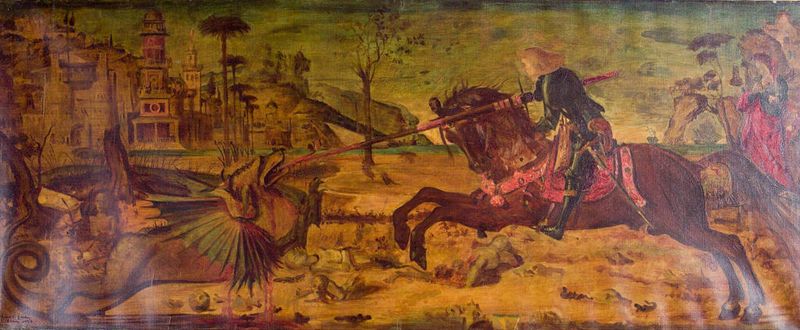
St. George Killing the Dragon, after Carpaccio
Robert David Gauley
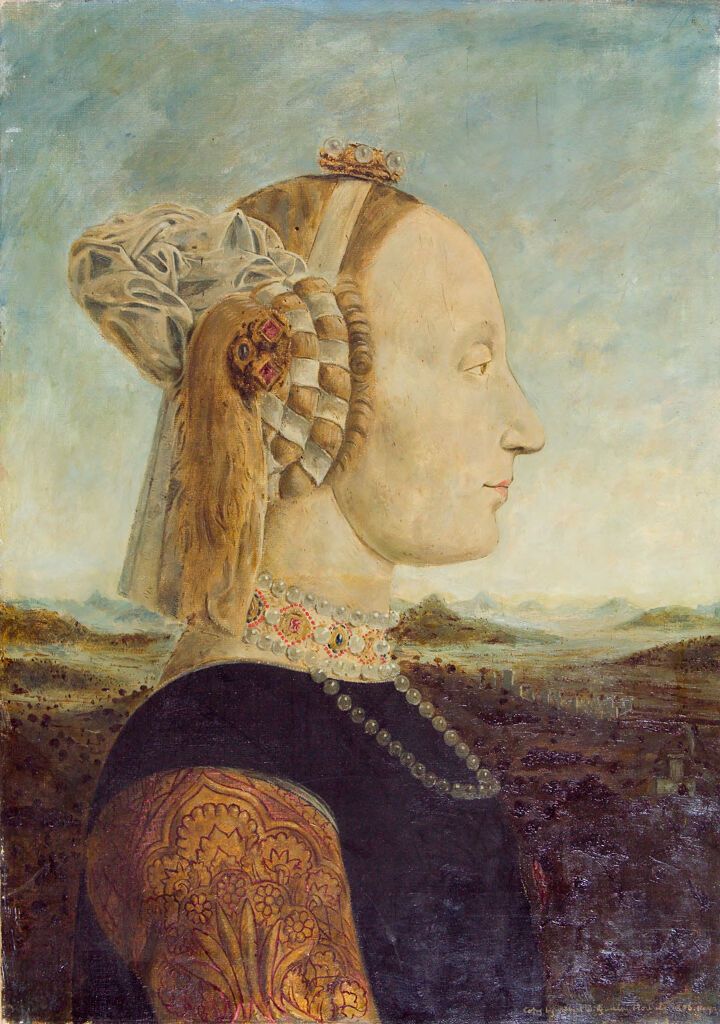
Battista Sforza, Duchess of Urbino, after Piero della Francesca
Robert David Gauley
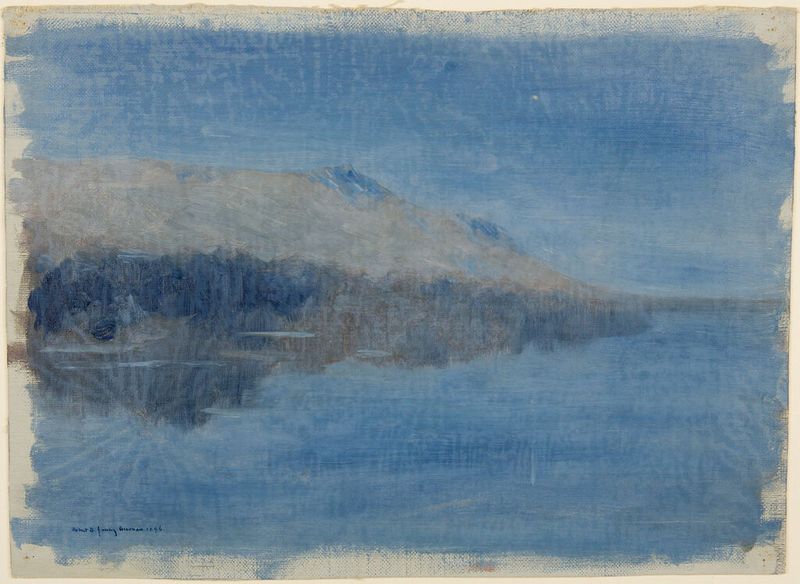
The Nile at Assouan, Moonlight
Robert David Gauley
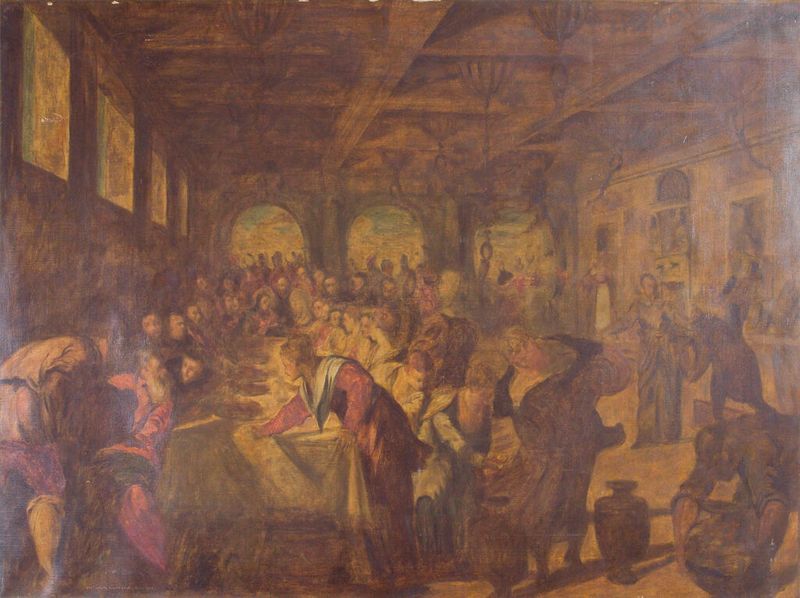
Wedding Feast at Cana, after Tintoretto
Robert David Gauley
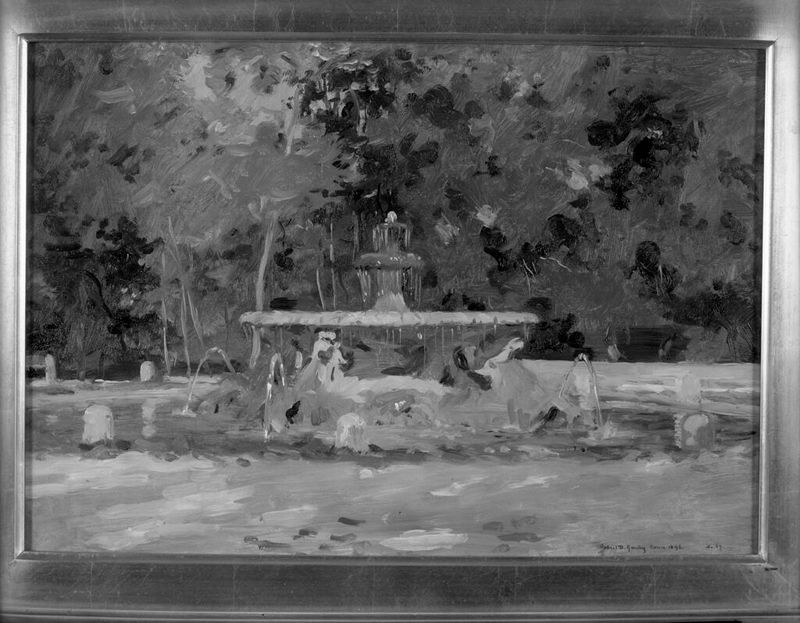
Fountain, Villa Borghese
Robert David Gauley
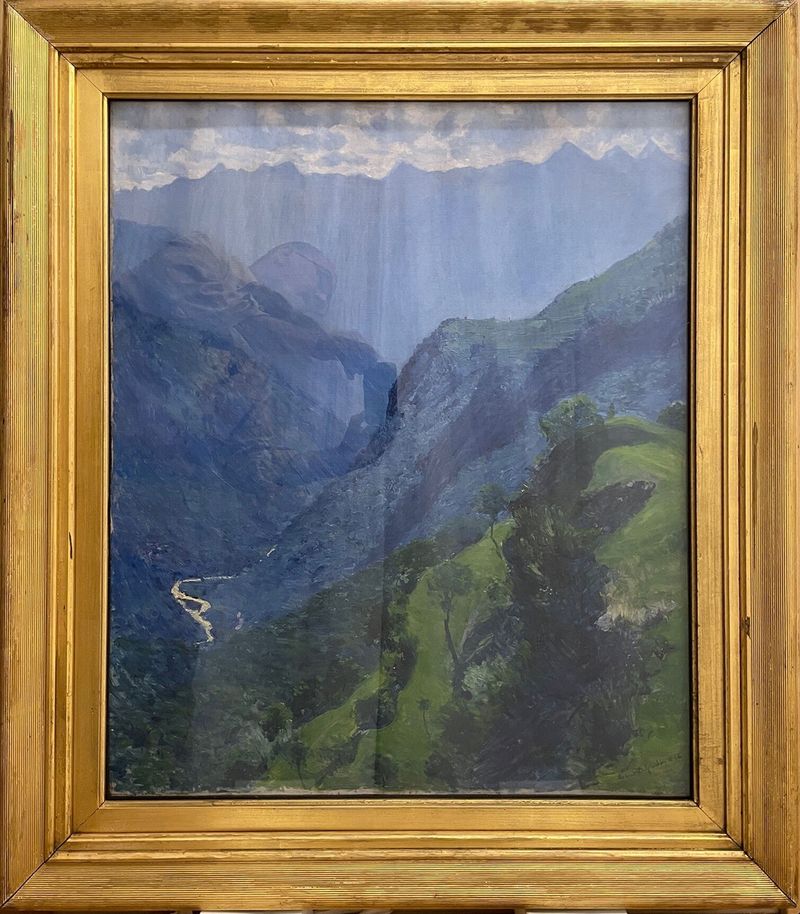
Mountain Pass
Robert David Gauley
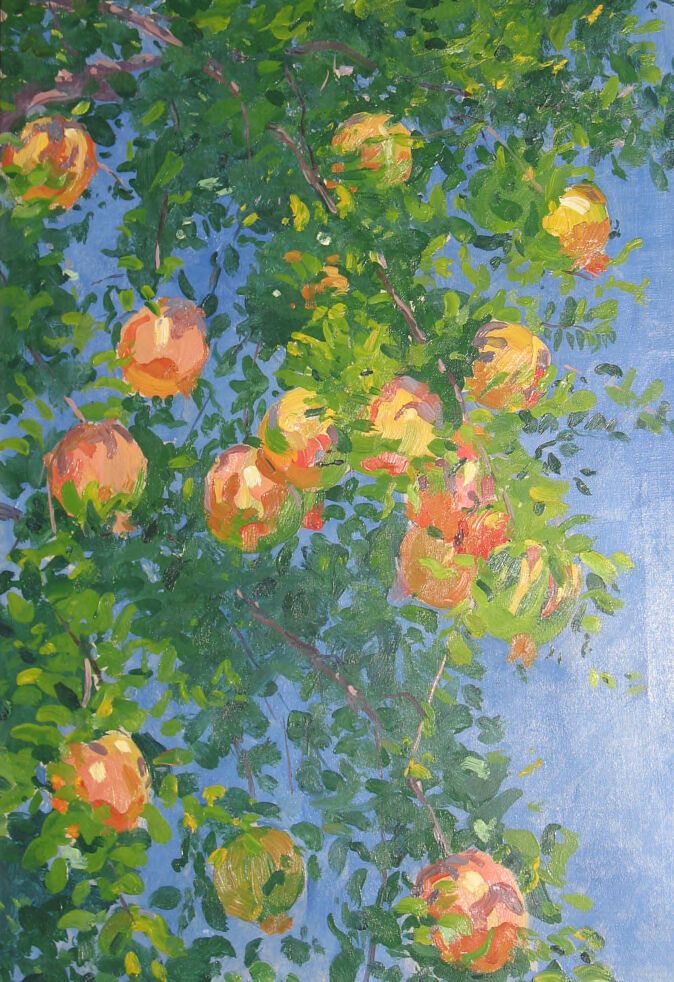
Pomegranates, Granada
Robert David Gauley
Buildings, Assouan
Robert David Gauley





