
The Nile at Assouan, Moonlight — History & Facts
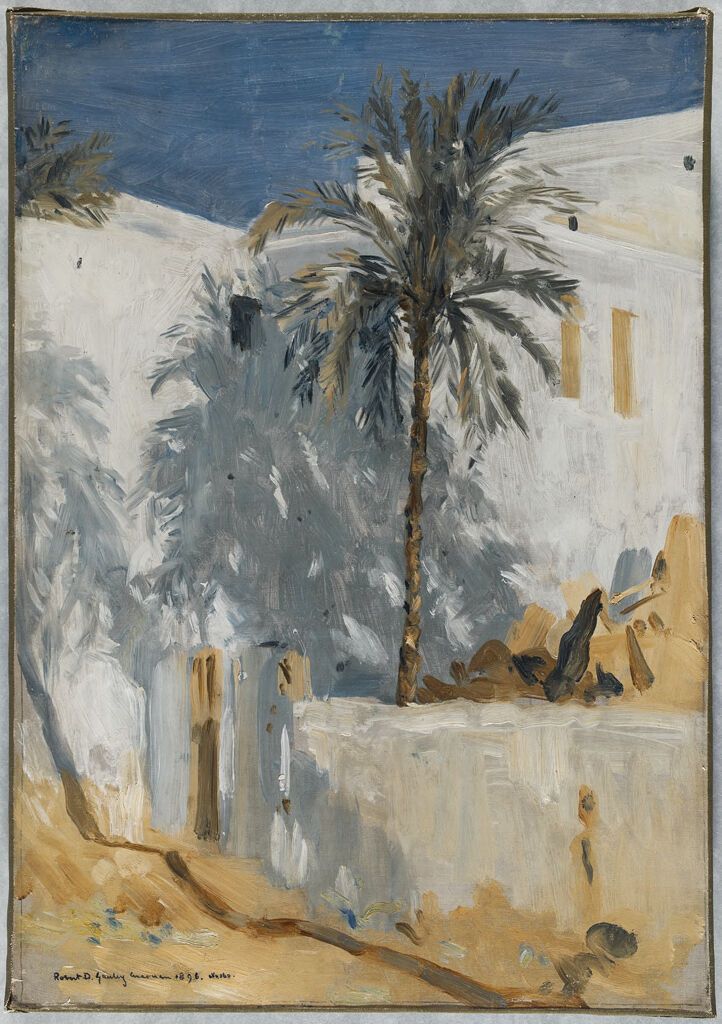
What if silence could speak through light? In the haunting serenity of a moonlit night, the decay of time whispers through the shimmering surface of the Nile, revealing the fragile beauty of existence. Look to the left at the soft glow of the moon, its silver luminescence caressing the water like a lover's touch. The calmness of the river contrasts with the jagged silhouettes of ancient ruins that rise from the banks, hinting at stories long forgotten. Notice how the delicate brushstrokes create a gentle ripple on the water, reflecting the azure and deep greens that evoke both tranquility and a sense of melancholy.
The subtle interplay of light and shadow encapsulates a moment where nature and history converge, inviting contemplation. In this composition, the juxtaposition of vibrant life and the remnants of decay speaks volumes. The serene river embodies continuity, while the crumbling edifices remind us of the transience of human endeavors. The scene engages the viewer in a silent dialogue about the passage of time, as the moonlight seems to illuminate not just the landscape, but the soul itself, provoking a contemplative reflection on mortality and beauty intertwined. In 1896, Gauley painted this work during a period marked by a growing fascination with the exotic landscapes of Egypt.
Living in a world witnessing rapid industrial progress and an outward expansion of cultures, he sought solace in capturing nature's quiet splendor while subtly addressing themes of decay and impermanence. This piece reflects both a personal journey and the broader artistic movement of the time, where artists began to embrace the emotional resonance found within the natural world.
More Artworks by Robert David Gauley
Browse all →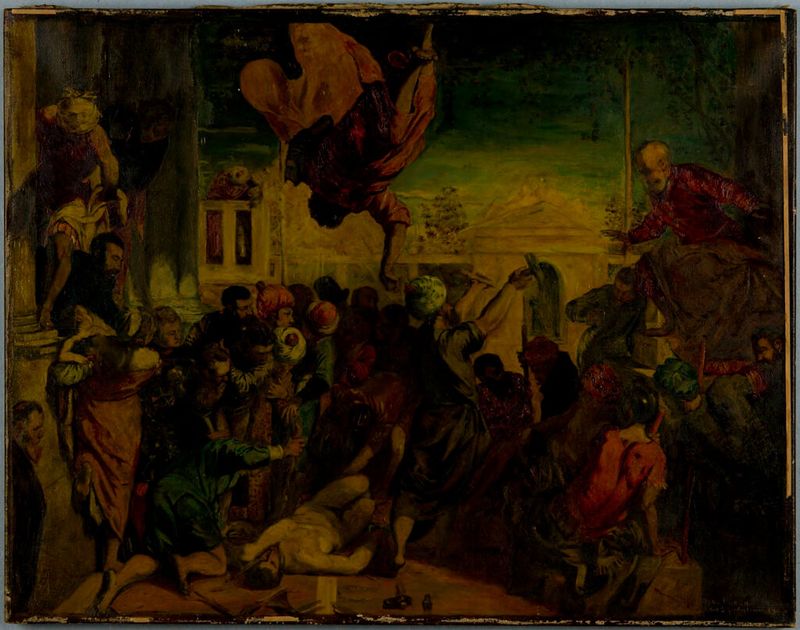
Saint Mark Rescuing a Slave, after Tintoretto
Robert David Gauley
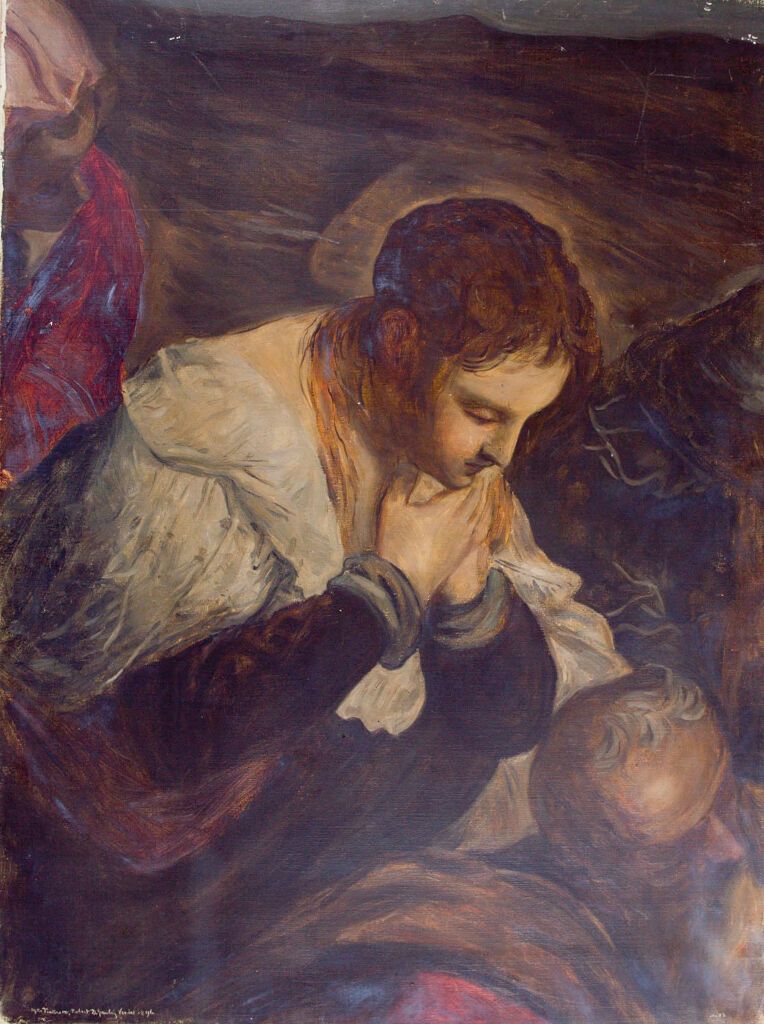
Three Figures in Procession, after Tintoretto
Robert David Gauley
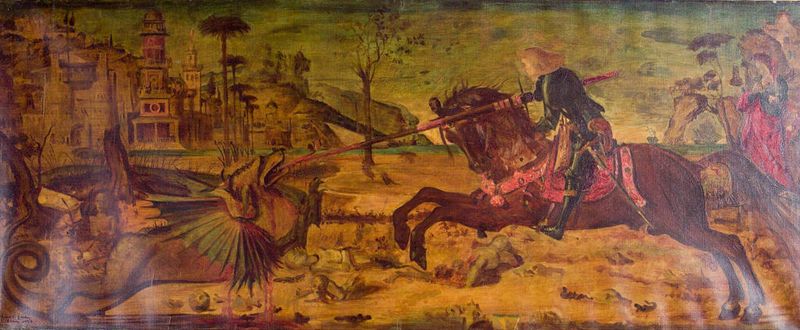
St. George Killing the Dragon, after Carpaccio
Robert David Gauley
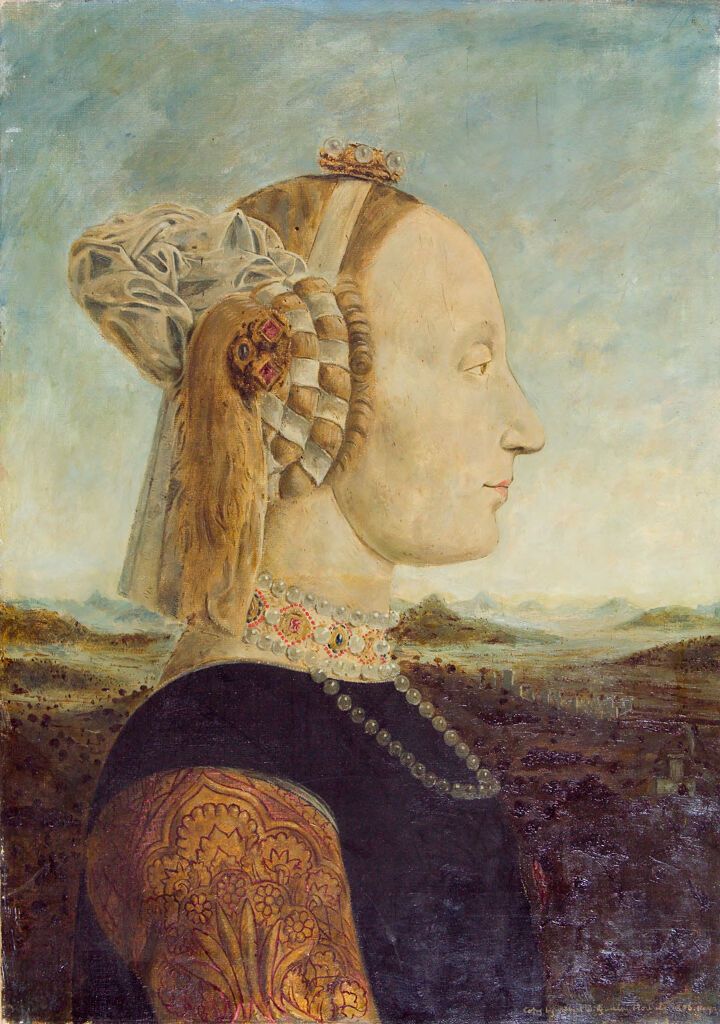
Battista Sforza, Duchess of Urbino, after Piero della Francesca
Robert David Gauley
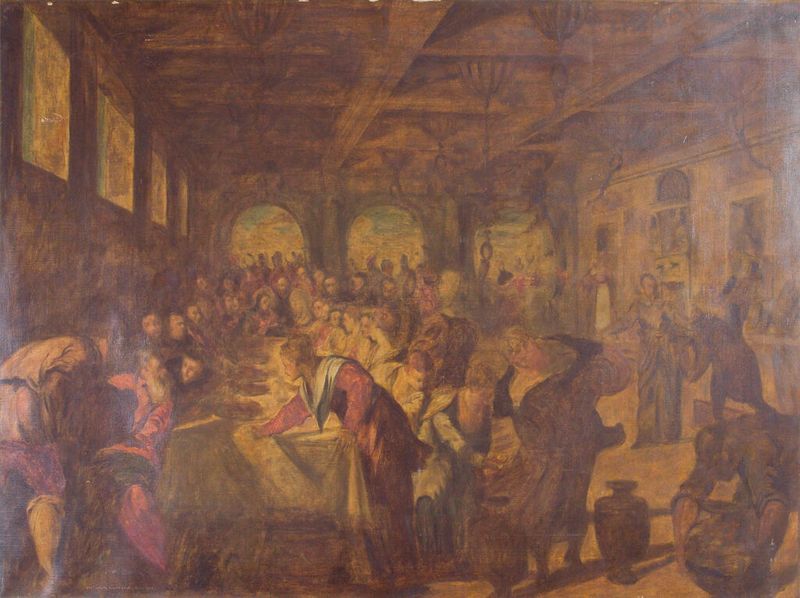
Wedding Feast at Cana, after Tintoretto
Robert David Gauley
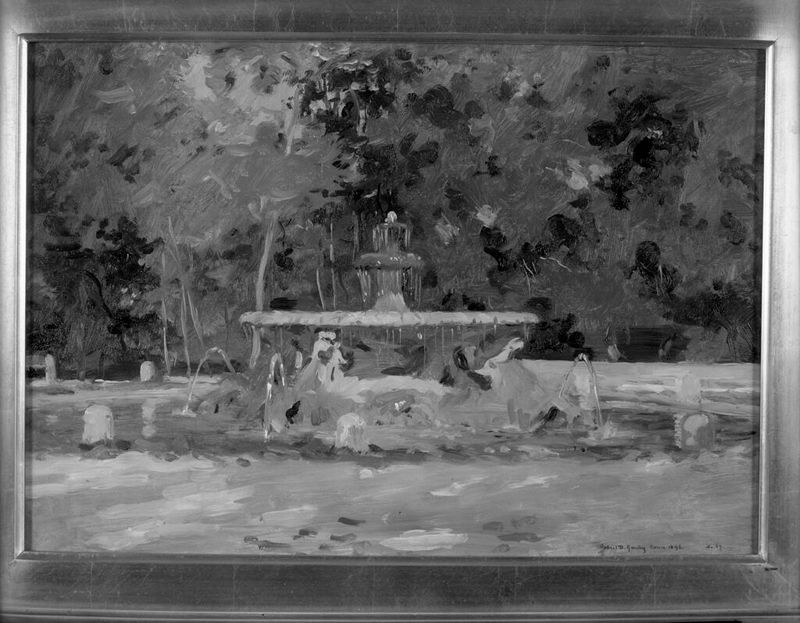
Fountain, Villa Borghese
Robert David Gauley
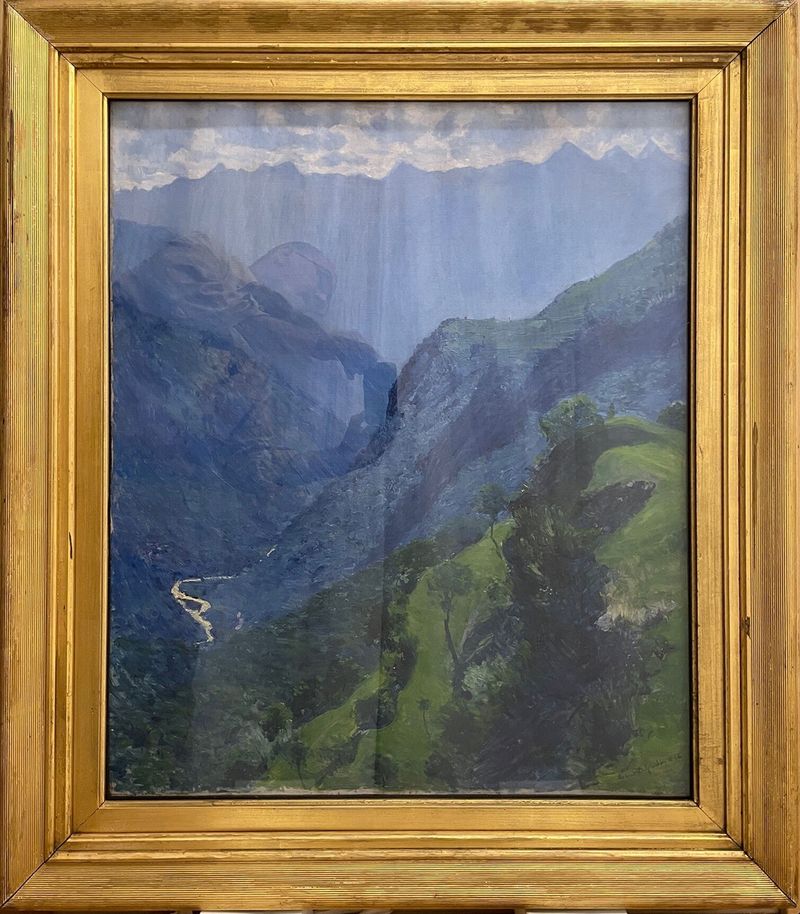
Mountain Pass
Robert David Gauley
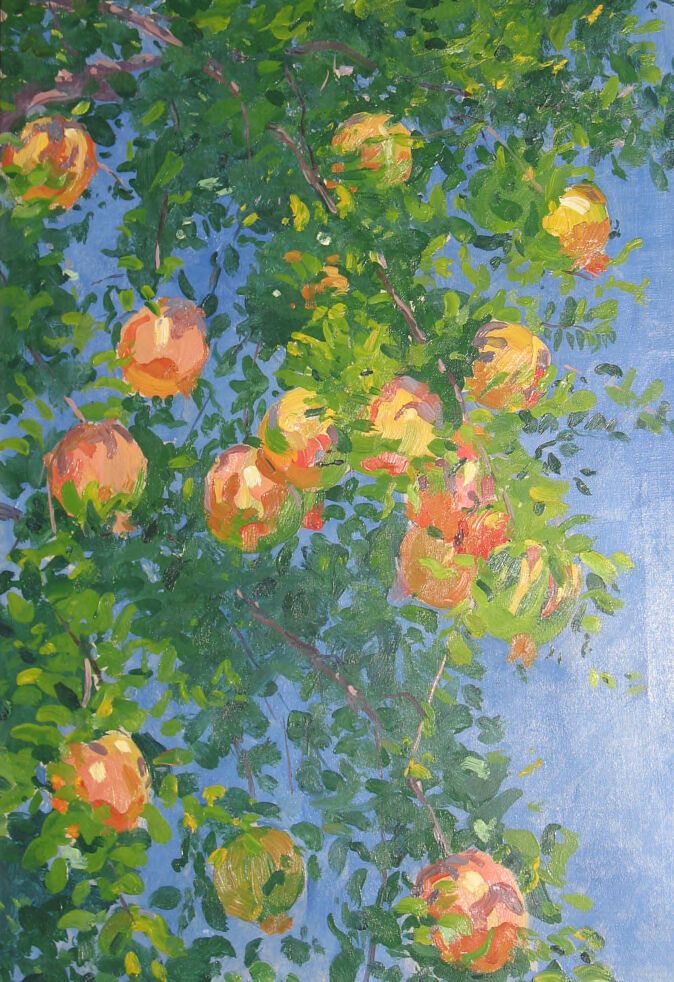
Pomegranates, Granada
Robert David Gauley
Buildings, Assouan
Robert David Gauley





