
Wedding Feast at Cana, after Tintoretto — History & Facts
A vibrant celebration unfolds, laughter ringing through the air like shimmering crystal. Guests, dressed in rich fabrics, gather around a long table adorned with overflowing platters of food and goblets of wine, their faces alight with joy. A radiant light spills in from an unseen source, illuminating their animated gestures and highlighting the sacred moment of transformation — water into wine. Look to the left at the striking contrast between the warm reds and deep blues that envelop the guests, drawing your eye to the figures engaged in animated conversation.
The composition is masterfully orchestrated, with each character meticulously placed to create a sense of rhythm and movement that captures the energy of the feast. Notice how the light dances across the table, illuminating the crystal goblets and casting playful shadows that enhance the dimensionality of the scene. Beneath the surface of this joyful gathering lies a profound commentary on abundance and divine intervention. The exuberance of the celebration contrasts sharply with the solemnity of the transformative act being performed, suggesting a deeper connection between the miraculous and the mundane.
Each guest's expression reveals a spectrum of emotions, from astonishment to elation, reflecting the complexity of human experience in the face of unexpected joy. In 1896, Gauley painted this work during a period of artistic exploration in Paris, where he was influenced by the dynamic brushwork and vibrant colors of the Impressionists. The late 19th century saw a shift in artistic perspectives, as artists began to embrace modern themes and techniques, breaking with traditional forms. This piece stands as a testament to his engagement with contemporary artistic movements, blending historical themes with a fresh, modern sensibility.
More Artworks by Robert David Gauley
Browse all →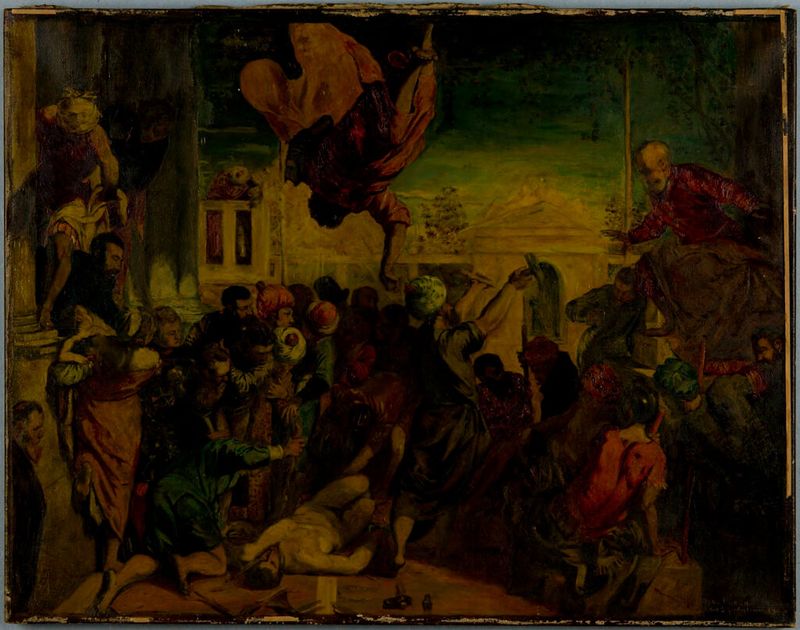
Saint Mark Rescuing a Slave, after Tintoretto
Robert David Gauley
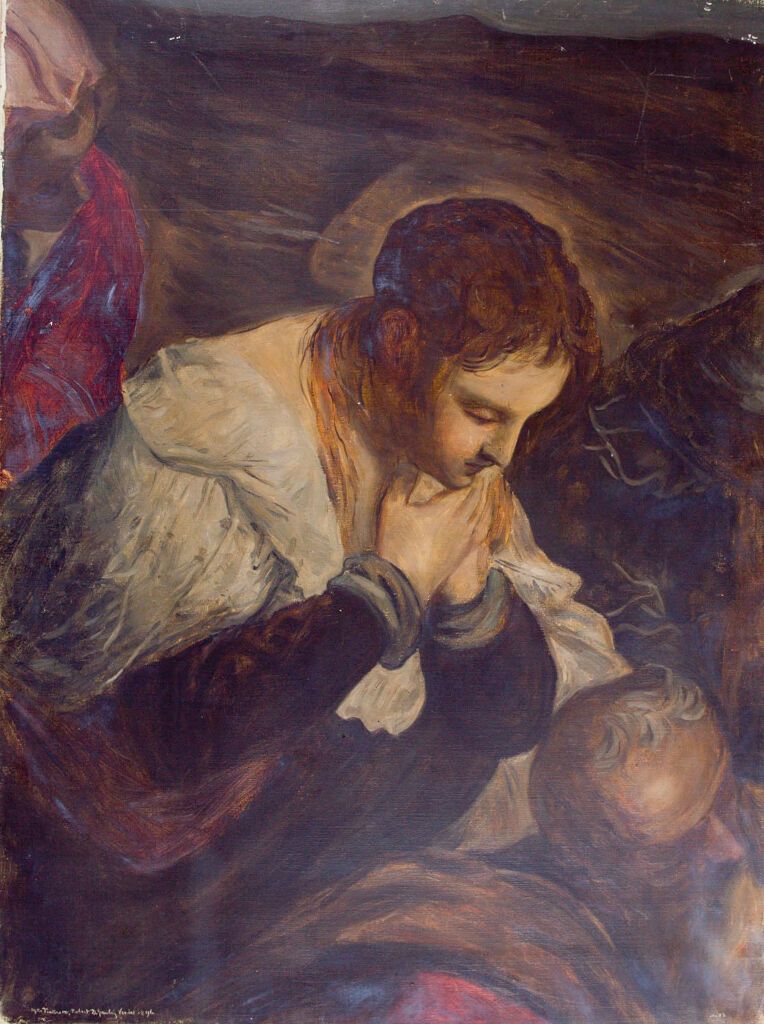
Three Figures in Procession, after Tintoretto
Robert David Gauley
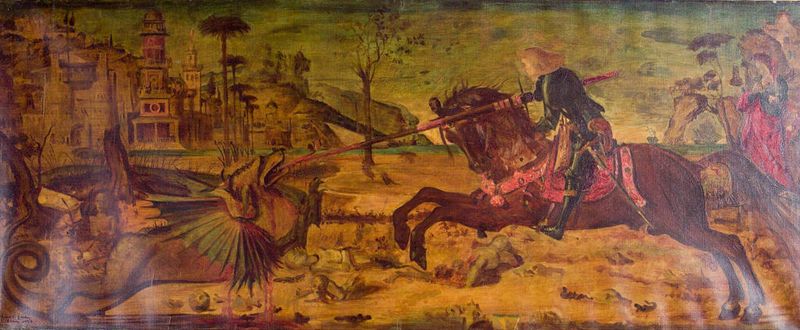
St. George Killing the Dragon, after Carpaccio
Robert David Gauley
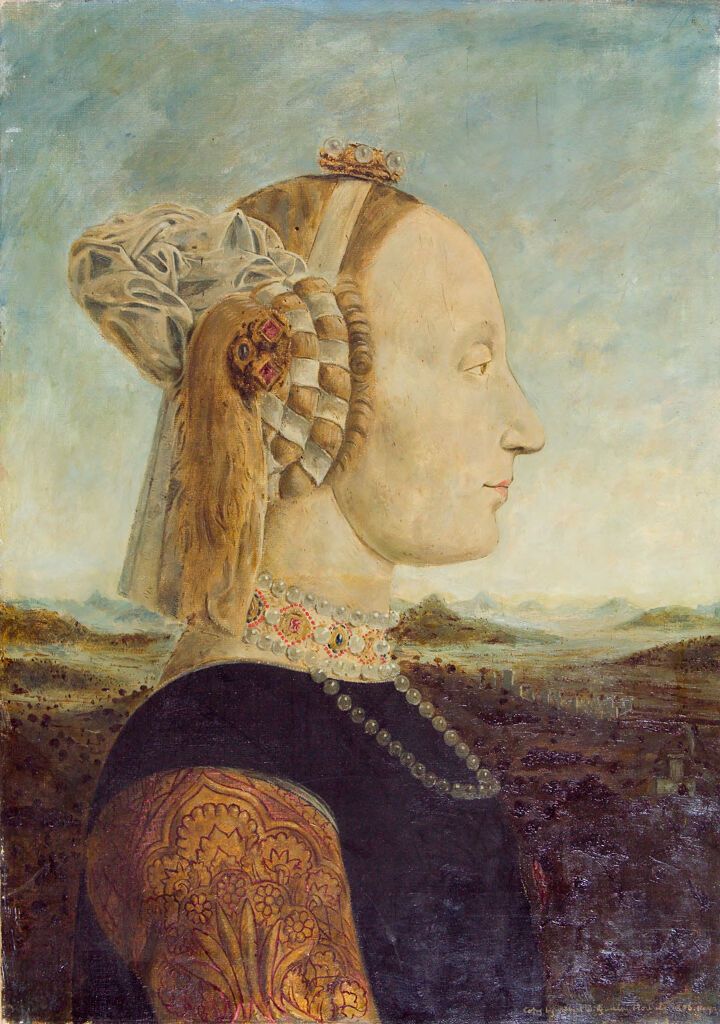
Battista Sforza, Duchess of Urbino, after Piero della Francesca
Robert David Gauley

The Nile at Assouan, Moonlight
Robert David Gauley
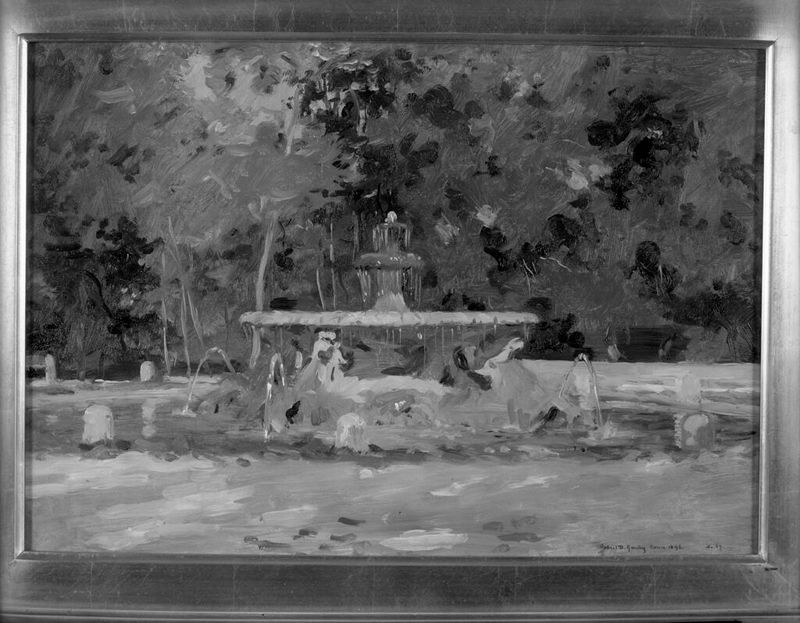
Fountain, Villa Borghese
Robert David Gauley
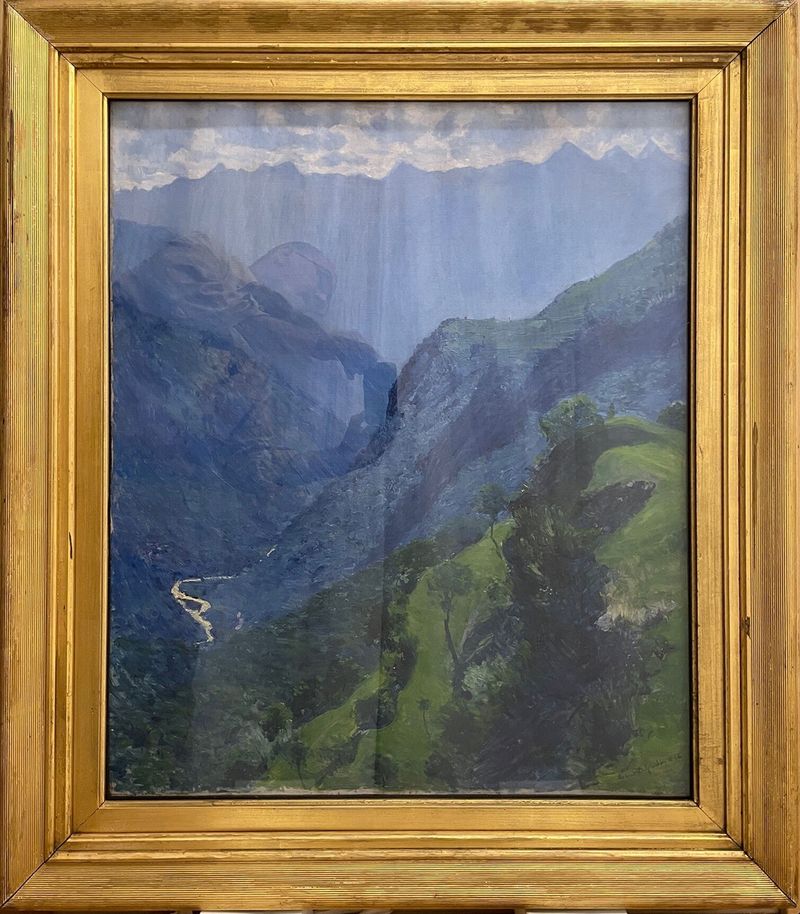
Mountain Pass
Robert David Gauley
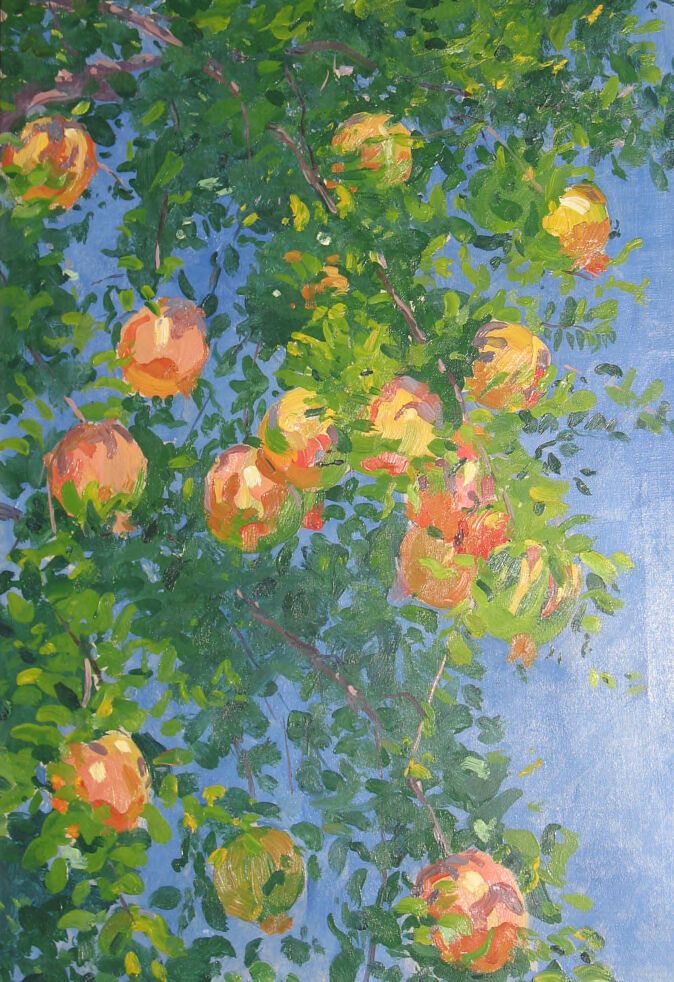
Pomegranates, Granada
Robert David Gauley
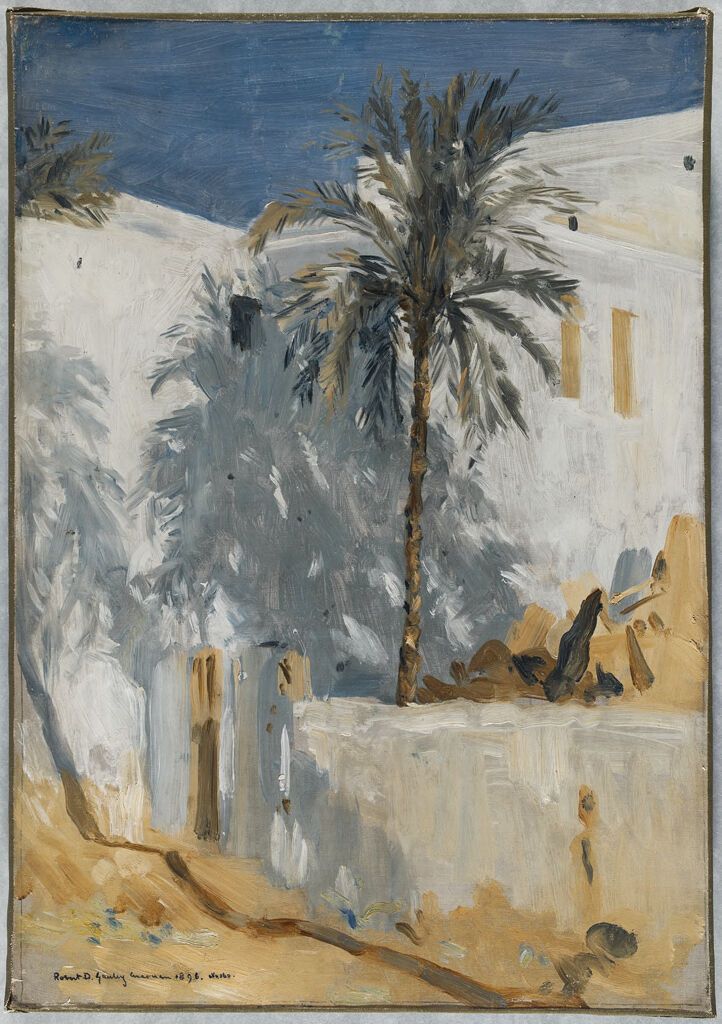
Buildings, Assouan
Robert David Gauley
More Religious Art
Browse all →
The Return of the Prodigal Son
Rembrandt van Rijn

The Garden of Earthly Delights
El Bosco

Count Orgaz’ funeral
El Greco

The Hundred Guilder Print: the central piece with Christ preaching, the plate arched
Rembrandt van Rijn

The Descent from the Cross
Rogier van der Weyden

The return of the prodigal son
Rembrandt van Rijn