
Mountain Pass — History & Facts
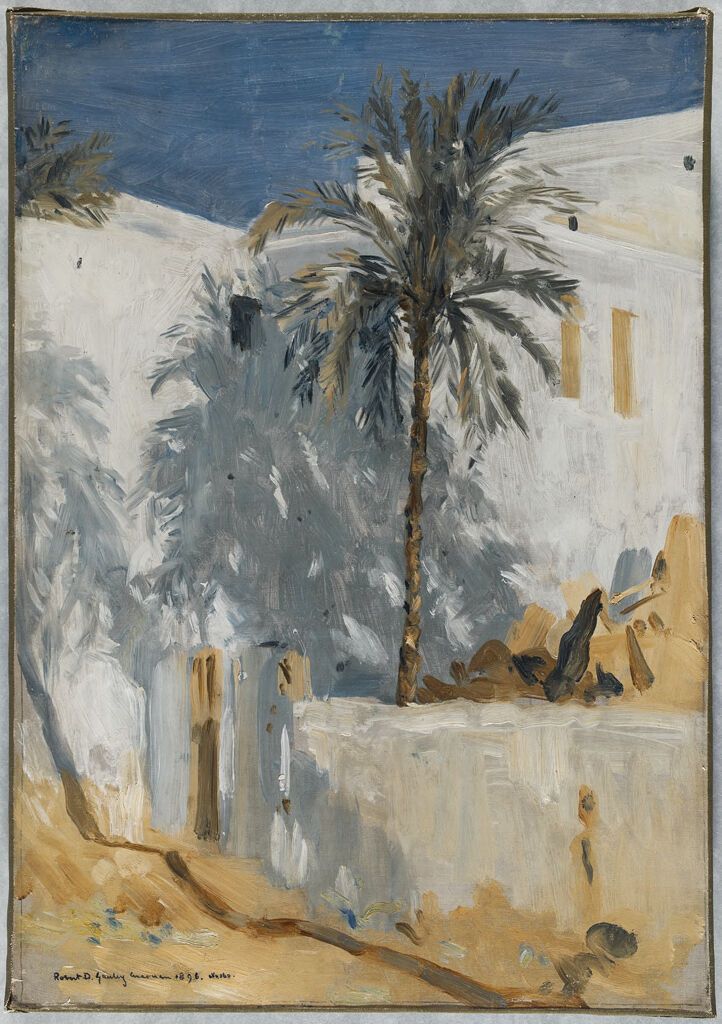
What if beauty was never meant to be finished? In the stillness of Mountain Pass, silence reigns as nature unfolds its grandeur, inviting contemplation and awe. Look to the left at the jagged peaks, their imposing forms etched against a sky streaked with soft pastels. The brushwork is deliberate, each stroke a testament to both the rugged terrain and the delicate ethereality that surrounds it. Notice how the light falls upon the mountains, creating a contrast that highlights their rugged imperfection and the serene tranquility of the valley below.
The subtle interplay of warm and cool tones invites the viewer deeper into this expansive landscape. In this scene, emotions stir in the silence, embodying both solitude and wonder. The juxtaposition between the relentless power of the mountains and the gentle whisper of the valley speaks to the human experience—a dialogue between strength and vulnerability. The mist that curls around the peaks hints at mysteries yet untold, inviting a deeper exploration of the relationship between man and the wild, and suggesting that some truths lie beyond the reach of words. Robert David Gauley painted Mountain Pass in 1892, during a period marked by a growing interest in the natural world as a refuge from industrialization.
Living in Canada, he was part of a broader movement that sought to capture the majesty of the North American landscape. This work reflects not just a moment in nature, but also Gauley’s deep appreciation for the wilderness, a stark contrast to the encroaching changes of modern life.
More Artworks by Robert David Gauley
Browse all →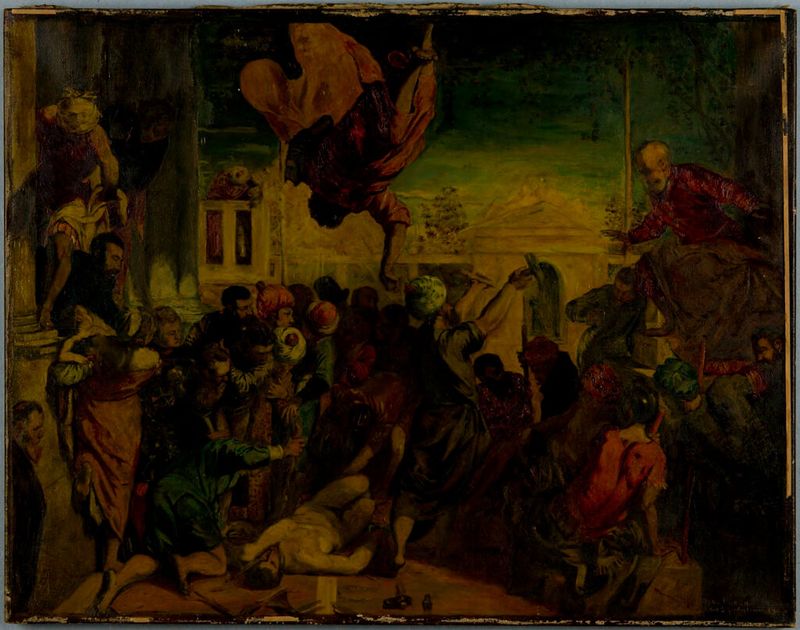
Saint Mark Rescuing a Slave, after Tintoretto
Robert David Gauley
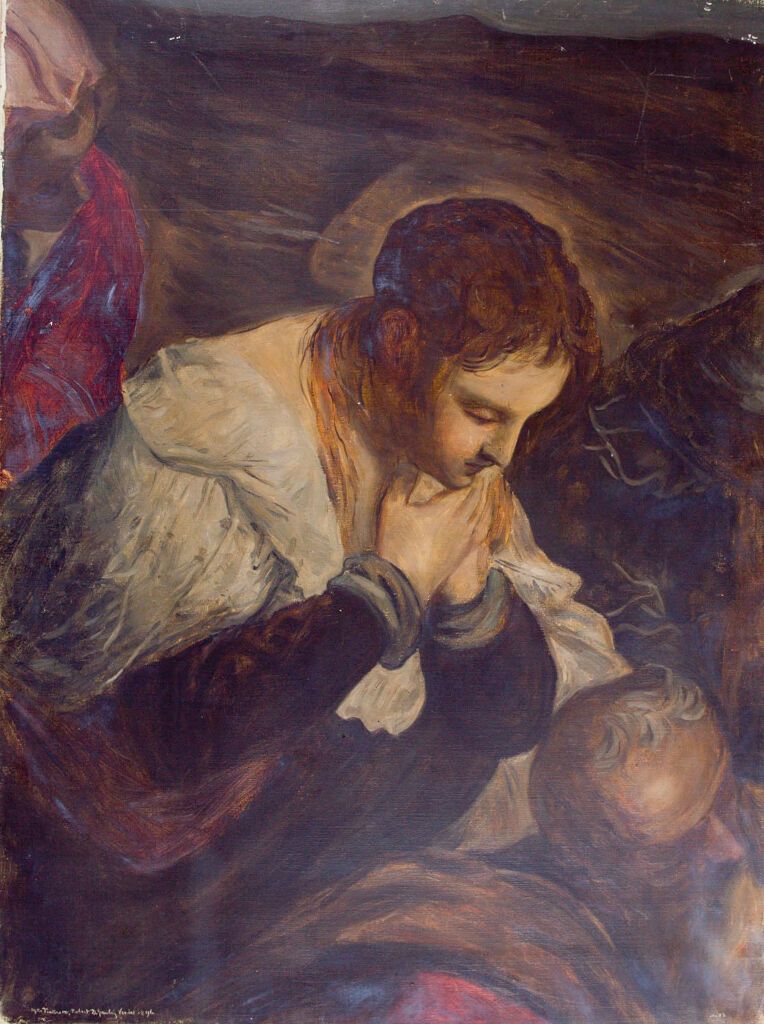
Three Figures in Procession, after Tintoretto
Robert David Gauley
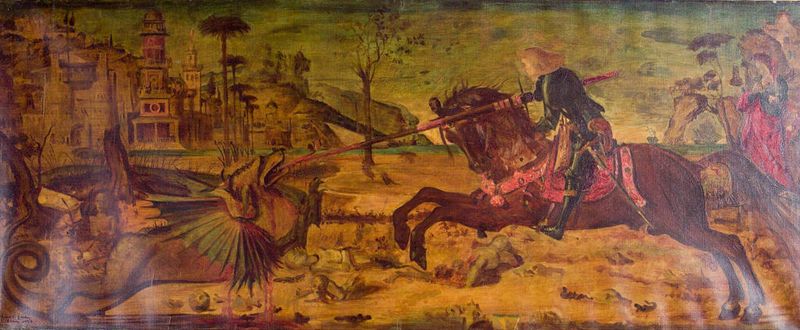
St. George Killing the Dragon, after Carpaccio
Robert David Gauley
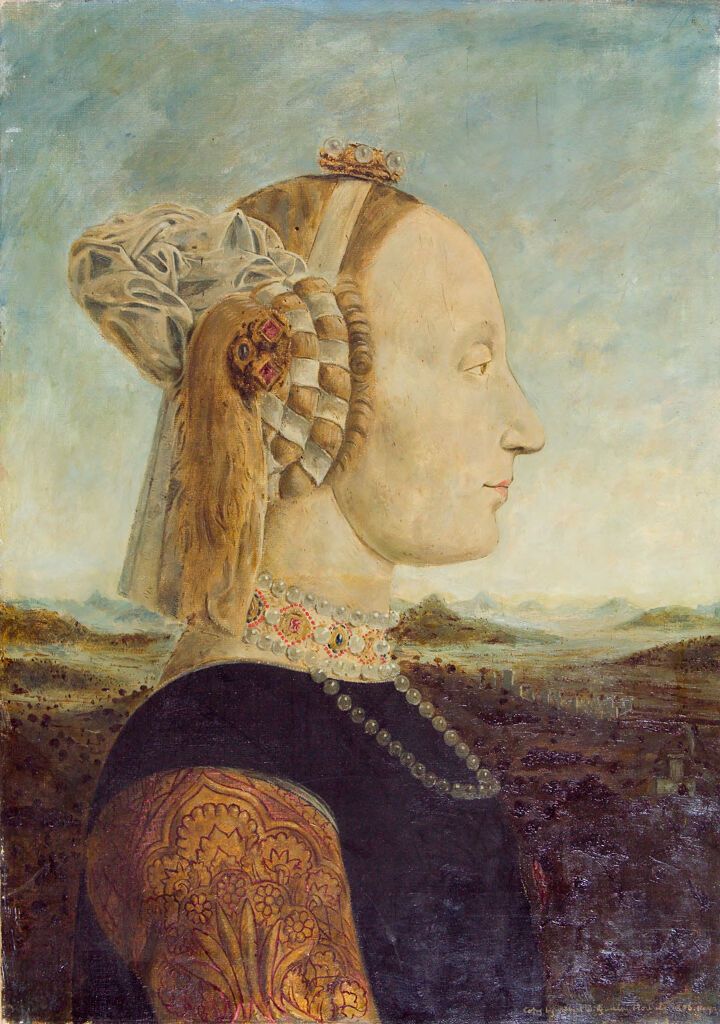
Battista Sforza, Duchess of Urbino, after Piero della Francesca
Robert David Gauley
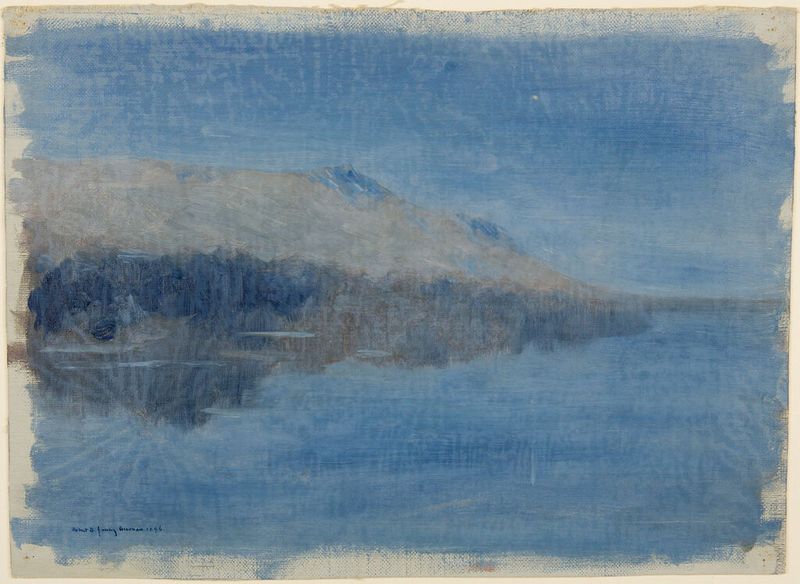
The Nile at Assouan, Moonlight
Robert David Gauley
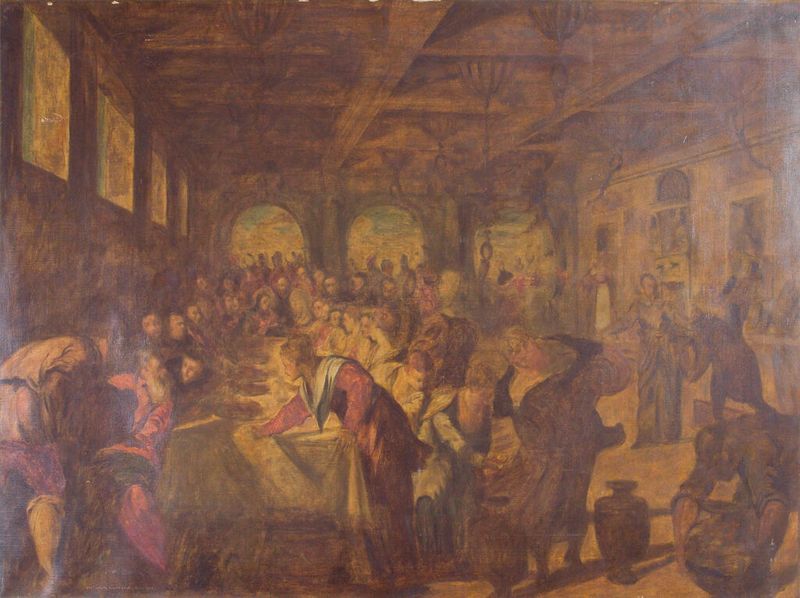
Wedding Feast at Cana, after Tintoretto
Robert David Gauley
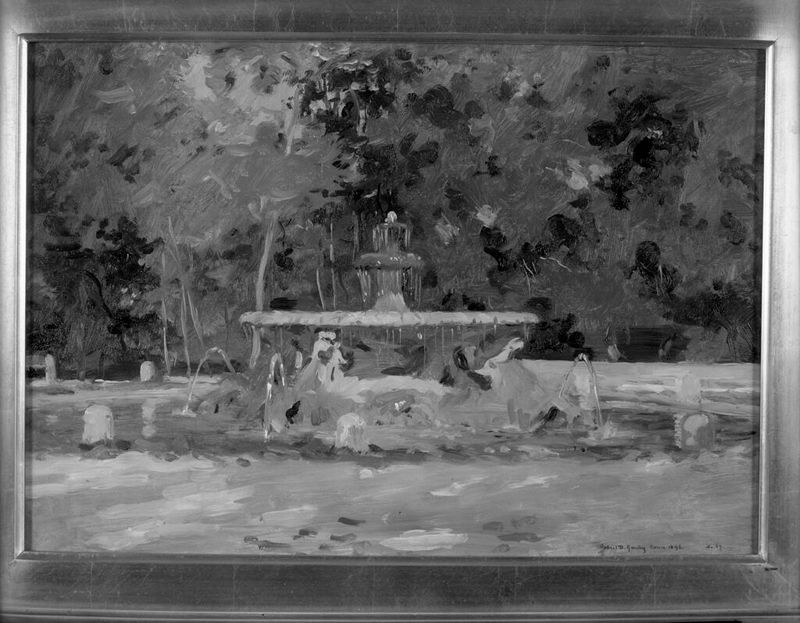
Fountain, Villa Borghese
Robert David Gauley
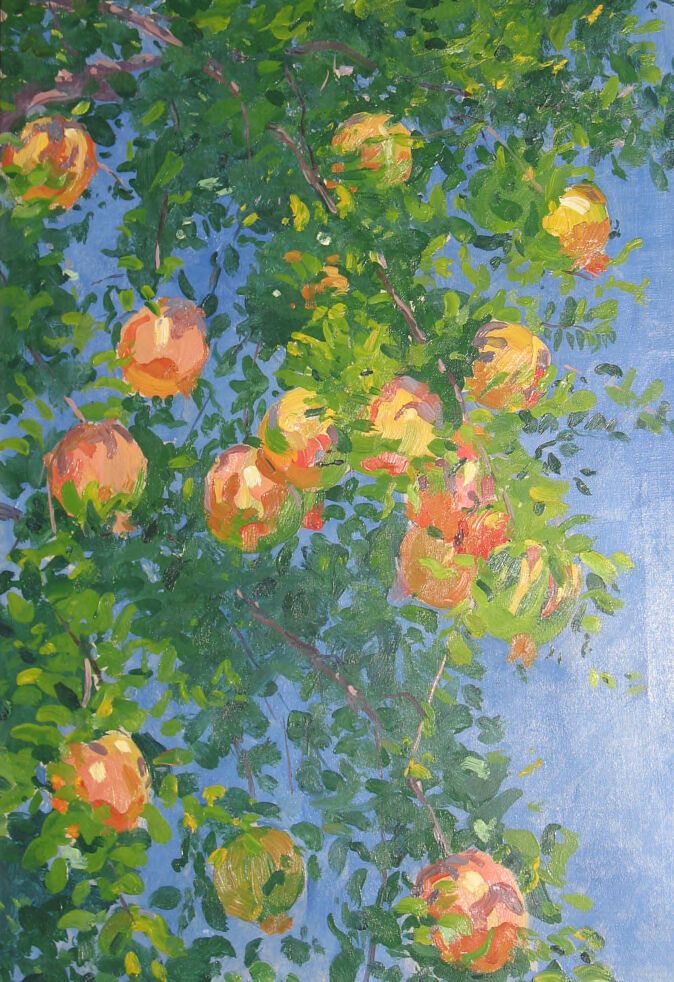
Pomegranates, Granada
Robert David Gauley
Buildings, Assouan
Robert David Gauley





