
St. Julien le Pauvre; Le Portail — History & Facts
In St. Julien le Pauvre; Le Portail, movement emerges not just from the figures captured in motion, but also from the energy imbued in the very strokes of paint that define the scene. This work invites us into a realm where permanence and transience fuse, orchestrated by the artist’s hand. Look closely at the intricate archways at the left; notice how the light dances across the weathered stones, revealing textures that seem to breathe.
The vibrant palette of muted ochres and earthy greens breathes life into the age-old structure. The figures, a blend of ghostly silhouettes, seem to evoke a sense of pilgrimage, their movements lending a dynamic rhythm to the composition. The deliberate layering of paint creates depth, drawing the viewer into the space while echoing a history that pulses with silent footsteps. Beneath the surface, the contrast between light and shadow conveys a deeper narrative—one of sanctity and longing.
The gentle play of sunlight filtering through the arch invites contemplation, suggesting a fleeting moment of connection between the earthly and the divine. The figures’ paths cross in a delicate balance of chaos and reverence, hinting at the stories intertwined in the fabric of this sacred space. Each detail—the intricate carvings, the way shadows stretch and contract—whispers of the passage of time, creating an emotional undercurrent that resonates through the ages. Auguste Louis Lepère created this piece between 1870 and 1918, a period marked by significant shifts in art and society.
Working primarily in Paris, he was influenced by the rise of Impressionism and the burgeoning modern art movement. As a printmaker and painter, Lepère sought to encapsulate the essence of his surroundings, capturing the fleeting moments of life and movement that defined an era in transformation.
More Artworks by Auguste Louis Lepère
Browse all →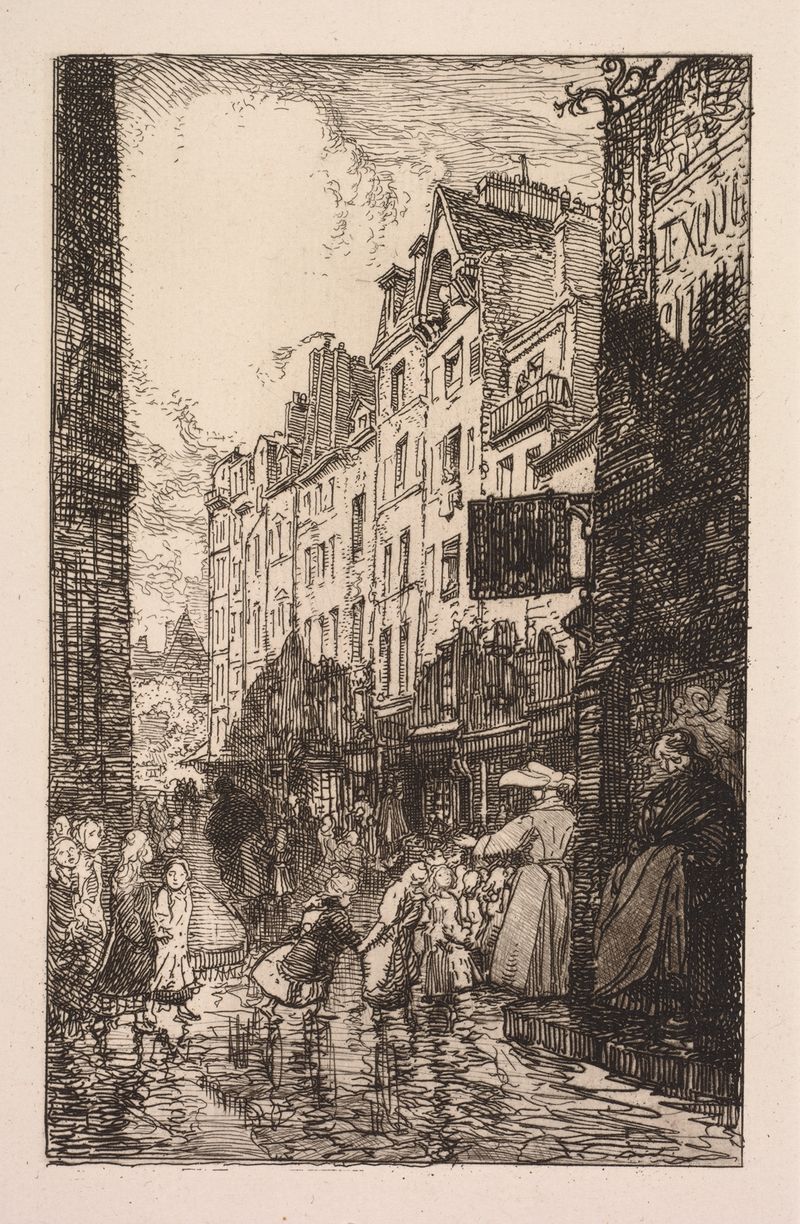
La Rue des Prêtres Saint-Séverin
Auguste Louis Lepère
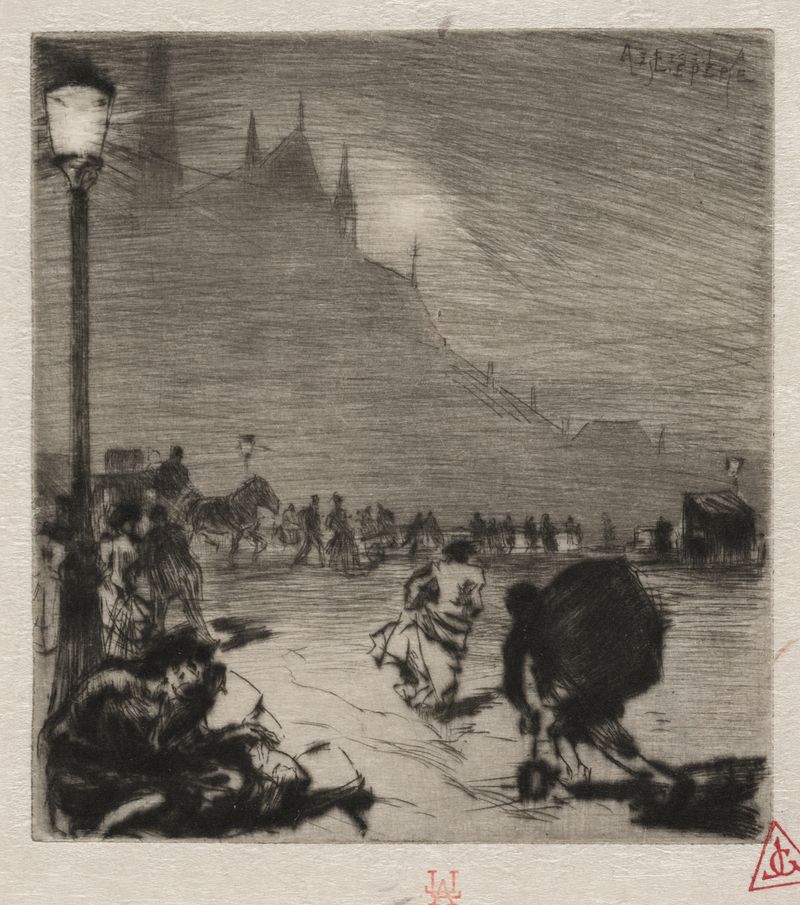
Au Coin du Pont-aux-Doubles
Auguste Louis Lepère
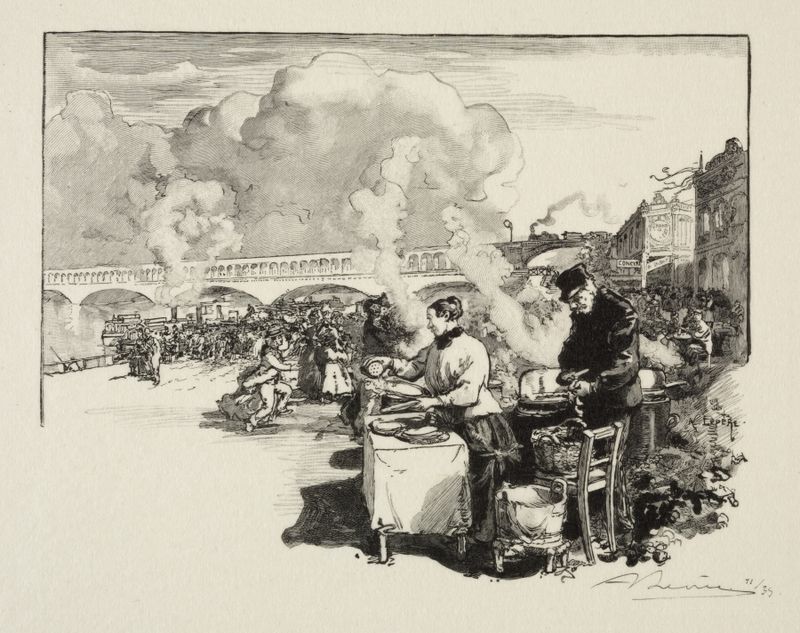
Debarcadère des bateaux-omnibus
Auguste Louis Lepère

La Seine, au quai de la Rapée
Auguste Louis Lepère
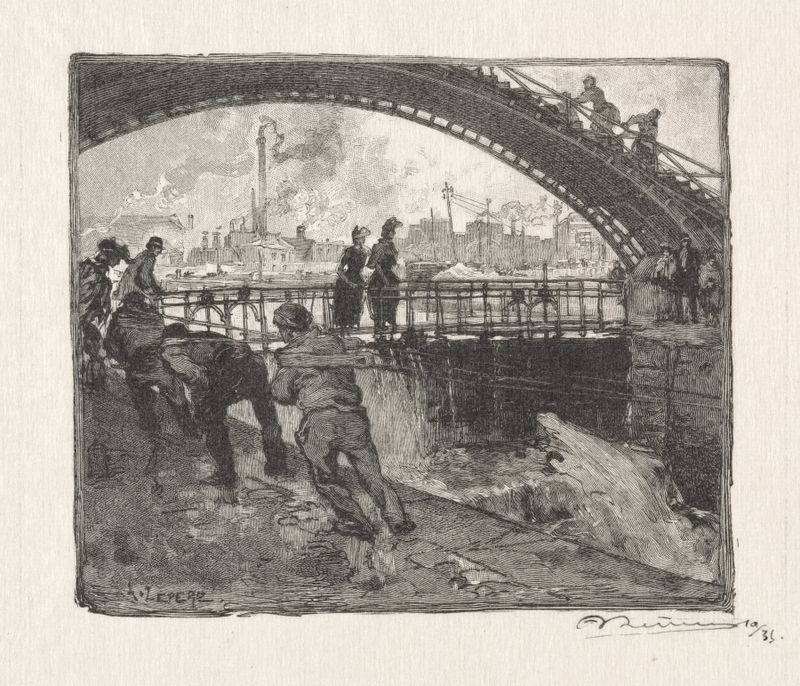
L’Ecluse du Canal St. Martin
Auguste Louis Lepère

Le Boulevard Montmartre, le Soir
Auguste Louis Lepère

Une Chasse au Mont Gérard
Auguste Louis Lepère
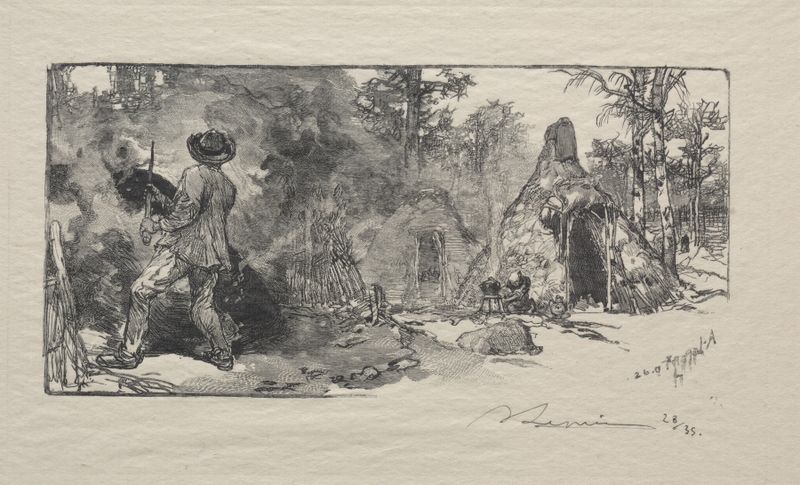
Les Charbonniere
Auguste Louis Lepère
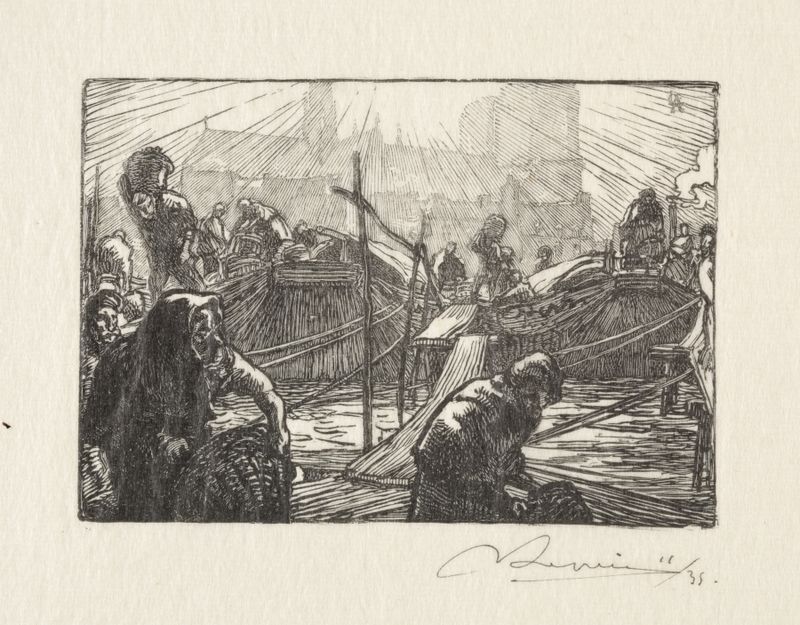
Notre Dame vue du Marché aux pommes
Auguste Louis Lepère

Le Palais des Arts Liberaux, Intèrieur
Auguste Louis Lepère
More Architecture Art
Browse all →
The statue of Liberty
Frédéric Auguste Bartholdi

View of Houses in Delft, Known as ‘The Little Street’
Johannes Vermeer

View of Houses in Delft, Known as ‘The Little Street’
Johannes Vermeer

The Cathedral in Rouen. The portal, Grey Weather
Claude Monet

The yellow house
Vincent van Gogh

The Church in Auvers-sur-Oise, View from the Chevet
Vincent van Gogh