St. Mark’s No. 2 (Venice) — Interior — History & Facts
Is this a mirror — or a memory? The haunting stillness of an interior space beckons you to ponder the nature of time, place, and the echoes of lives once lived. Look to the left at the intricate arches that lead the eye upward, their elegant forms framed by soft light filtering through the stained glass. Notice how the warm, golden hues of the sunlight play against the cool, shadowed corners of the room, creating a delicate balance between light and dark. The meticulous brushwork draws attention to the ornate details of the architecture, inviting you to explore every crevice and curve crafted by the artist’s hand. Beneath the surface, there exists a poignant contrast between the grandeur of the space and the profound solitude it evokes.
The empty benches suggest a longing for presence, while the stillness of the air seems to whisper the stories of those who once filled the space. Each brushstroke carries an emotional weight, holding a deep yearning for connection, as if the very walls are witnesses to the passage of time, bearing memories of visitors and their fleeting moments. In 1900, during a period of personal exploration and artistic growth, the artist created this piece in Venice, amidst a city celebrated for its beauty and historical richness. Having been deeply influenced by the Impressionist movement, Cameron sought to capture the essence of place through light and atmosphere.
He ventured into the interiors of St. Mark’s, where the interplay of color and form reflected not just the architectural splendor, but also his own emotional journey as an artist navigating the ever-evolving landscape of early 20th-century art.
More Artworks by David Young Cameron
Browse all →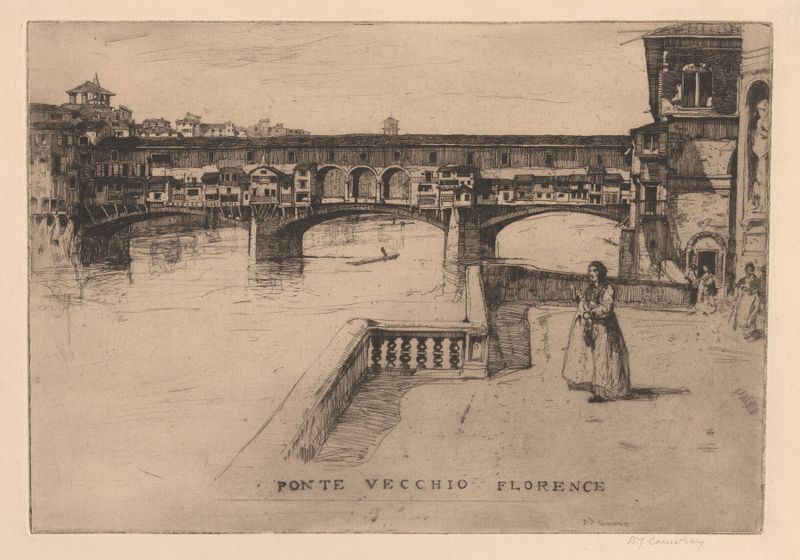
Ponte Vecchio
David Young Cameron

The Deanery, Winchester
David Young Cameron
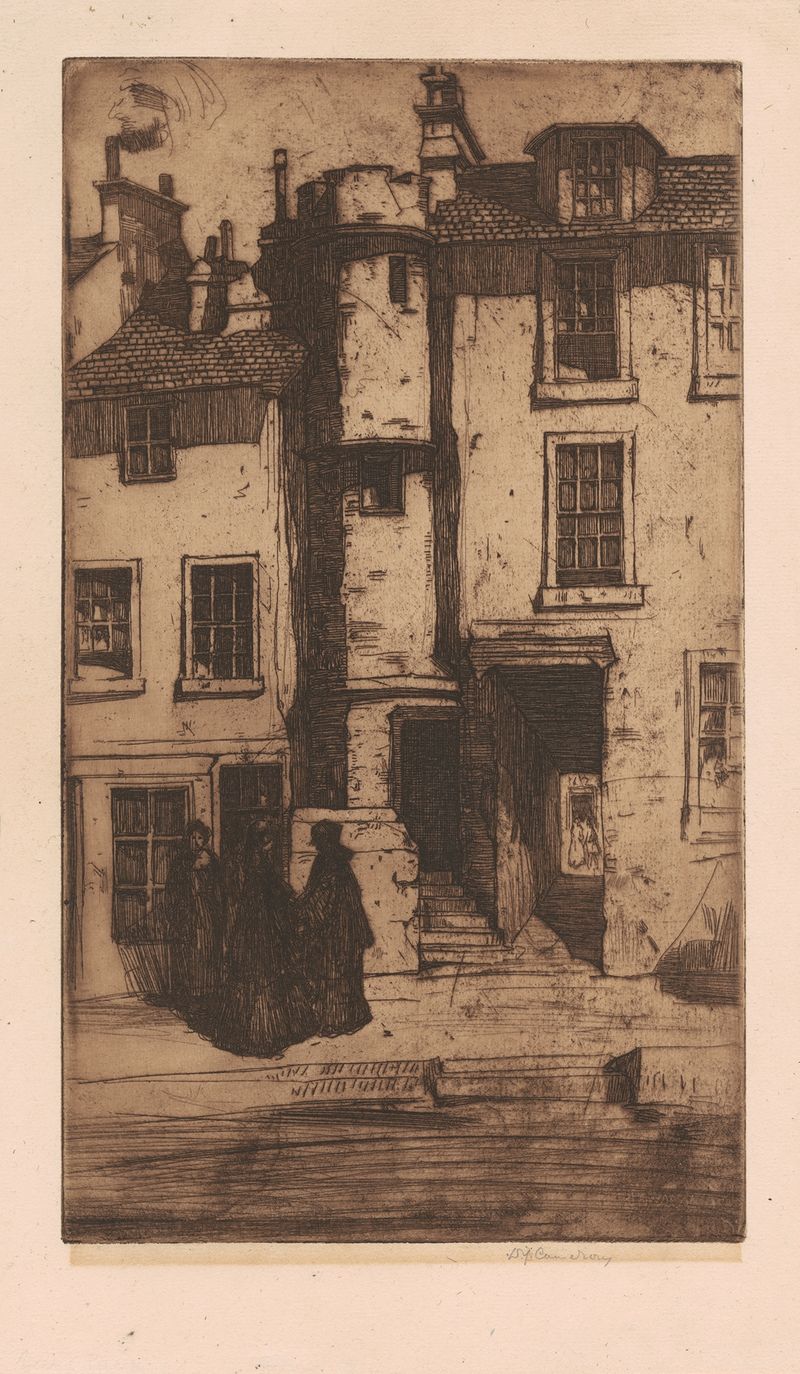
Old Houses, Stirling
David Young Cameron
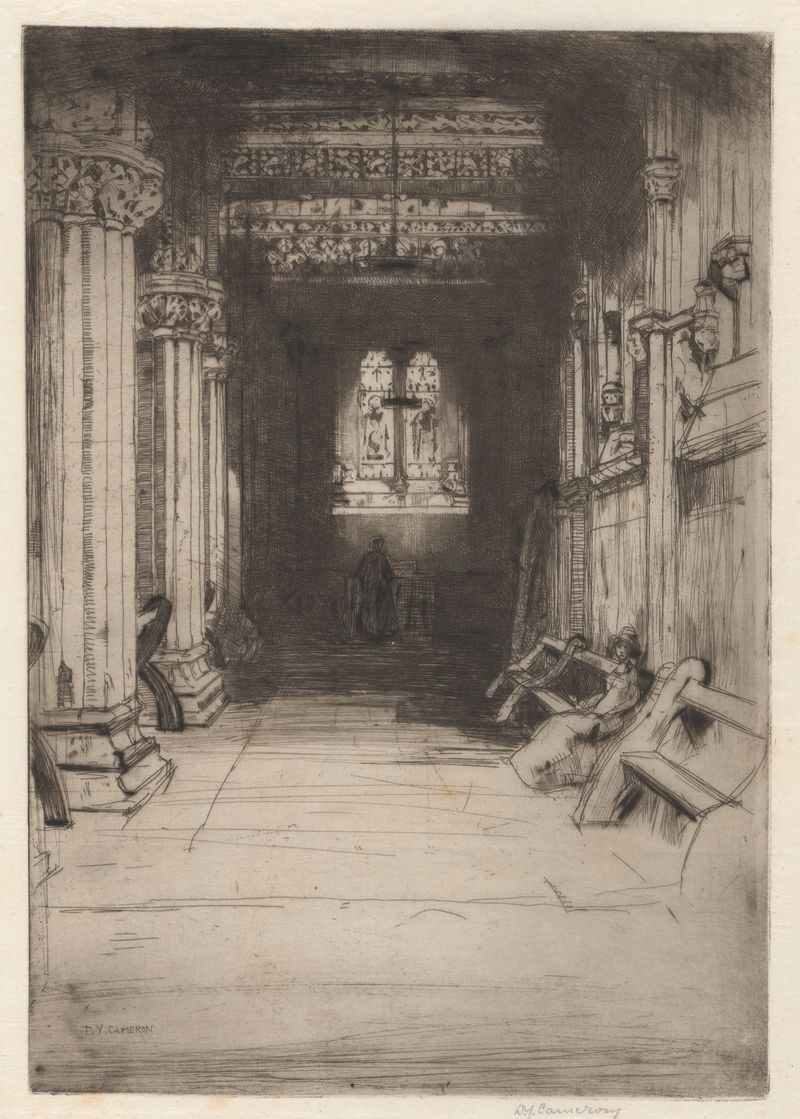
Rosslyn Chapel
David Young Cameron

The Old Museum, Beauvais
David Young Cameron
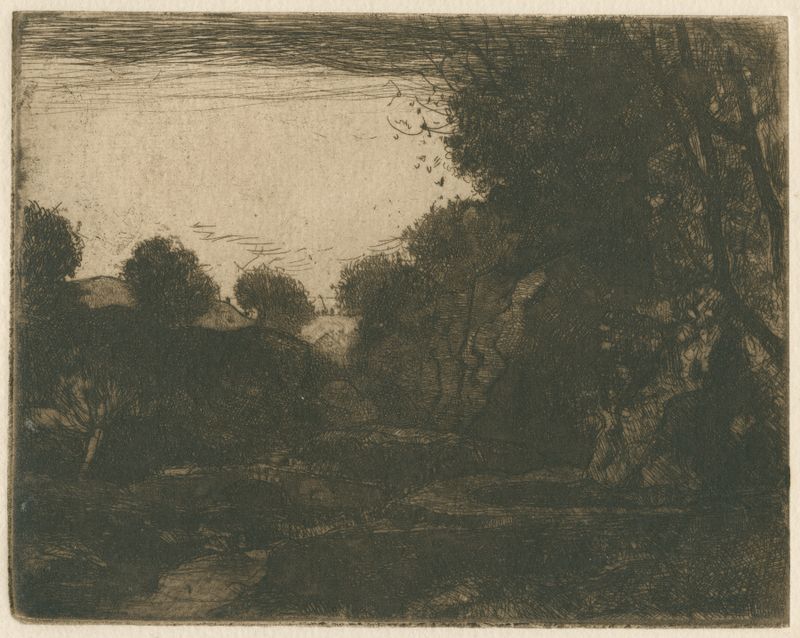
On the Bradford
David Young Cameron

The Smithy
David Young Cameron
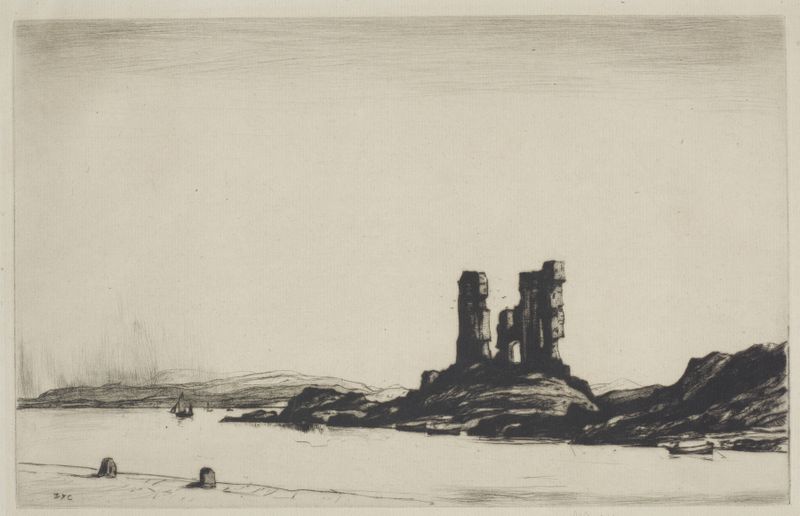
Castle Moyle
David Young Cameron
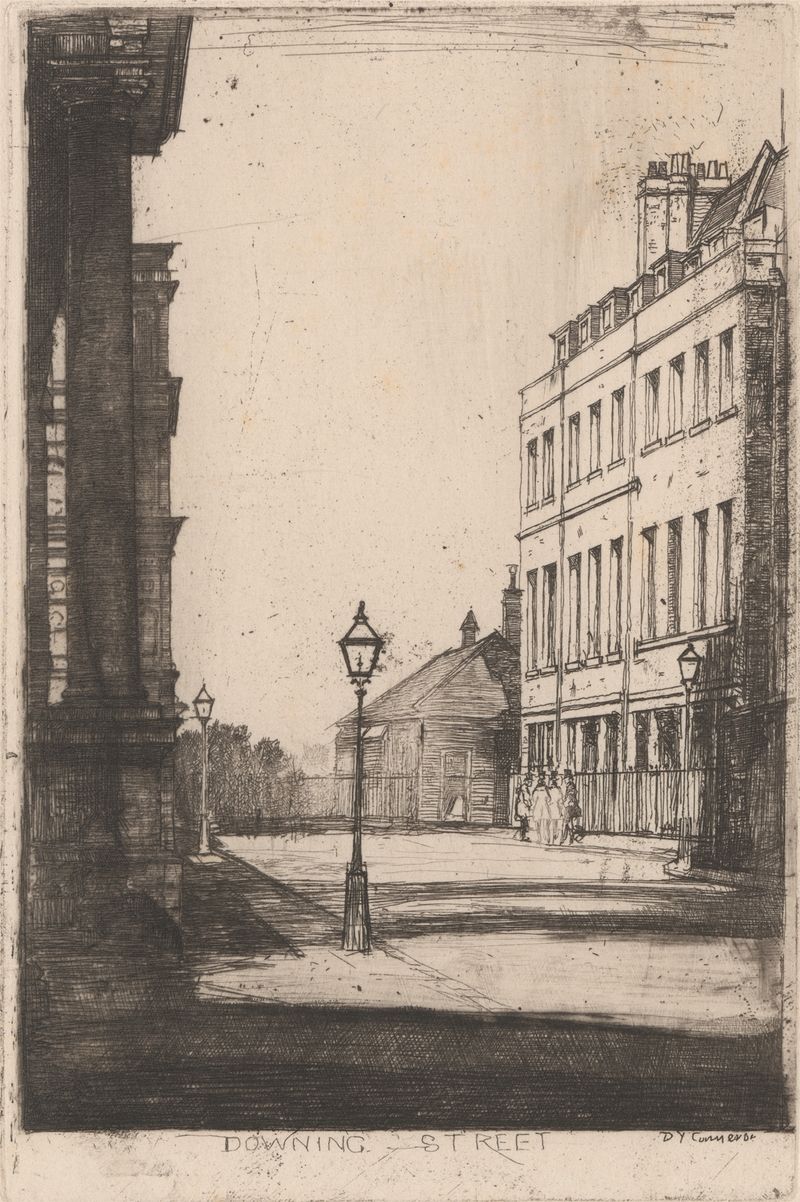
Downing Street
David Young Cameron

Glasgow Cathedral
David Young Cameron