
St. Séverin, Paris — History & Facts
In the hands of the viewer, the illusion of St. Séverin becomes a world suspended in time, where every brushstroke breathes life into the architecture and the spirit of Paris. Look to the left at the sun-drenched facade of the church, where the golden hues dance against the cool blues of the sky. The masterful blending of colors draws your eye along the rich details of the stonework, inviting you to trace the intricate carvings and weathered textures.
You cannot help but feel the weight of history in this moment captured on canvas, a serene yet vibrant depiction of a sacred space that hums with the echoes of daily life. Yet, beneath the surface of this picturesque scene lies a tension between man and the divine. The figures meandering in the foreground appear almost ethereal, their quietude contrasting with the solid, unyielding structure of the church behind them. This interplay suggests a dialogue between spirituality and reality, as viewers may ponder the elusive boundary between the sacred and the ordinary, caught forever in the stillness of this moment. In 1839, Thomas Shotter Boys painted this work amidst a flourishing of Romanticism in art, capturing the essence of Paris as a city alive with change.
During this period, the artist was deeply engaged with depicting urban landscapes, reflecting the societal shifts propelled by the Industrial Revolution. Shotter Boys’s brushwork and choice of subject matter reveal a commitment to both the sublime beauty of architecture and the transformative power of light in capturing the spirit of the era.
More Artworks by Thomas Shotter Boys
Browse all →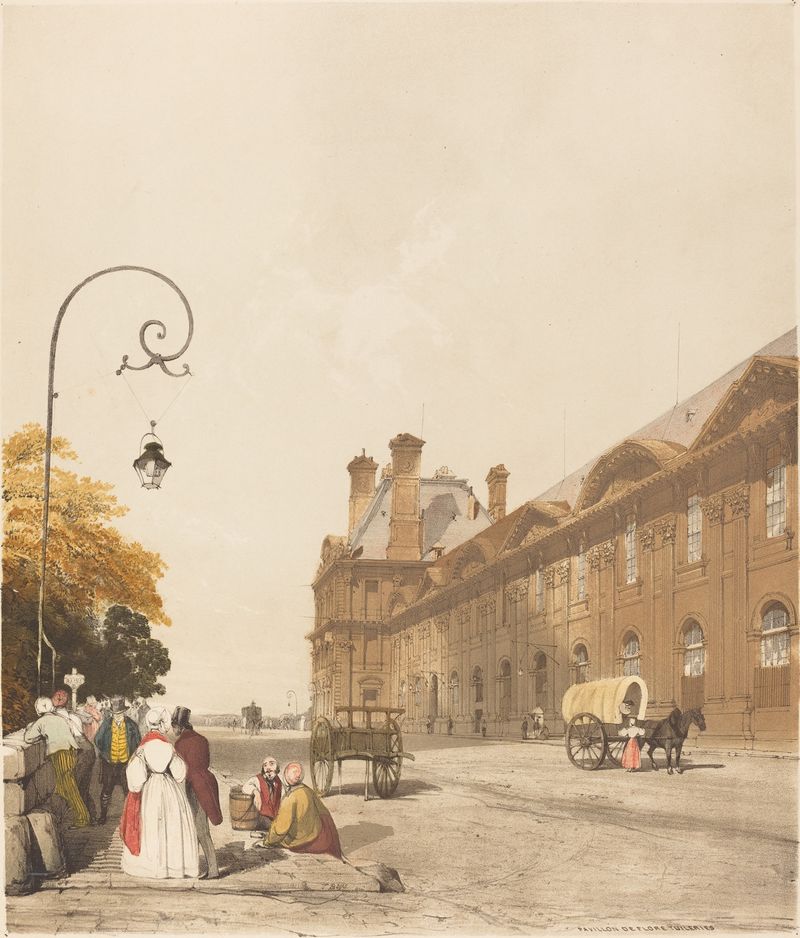
Pavillon de Flore, Tuileries
Thomas Shotter Boys
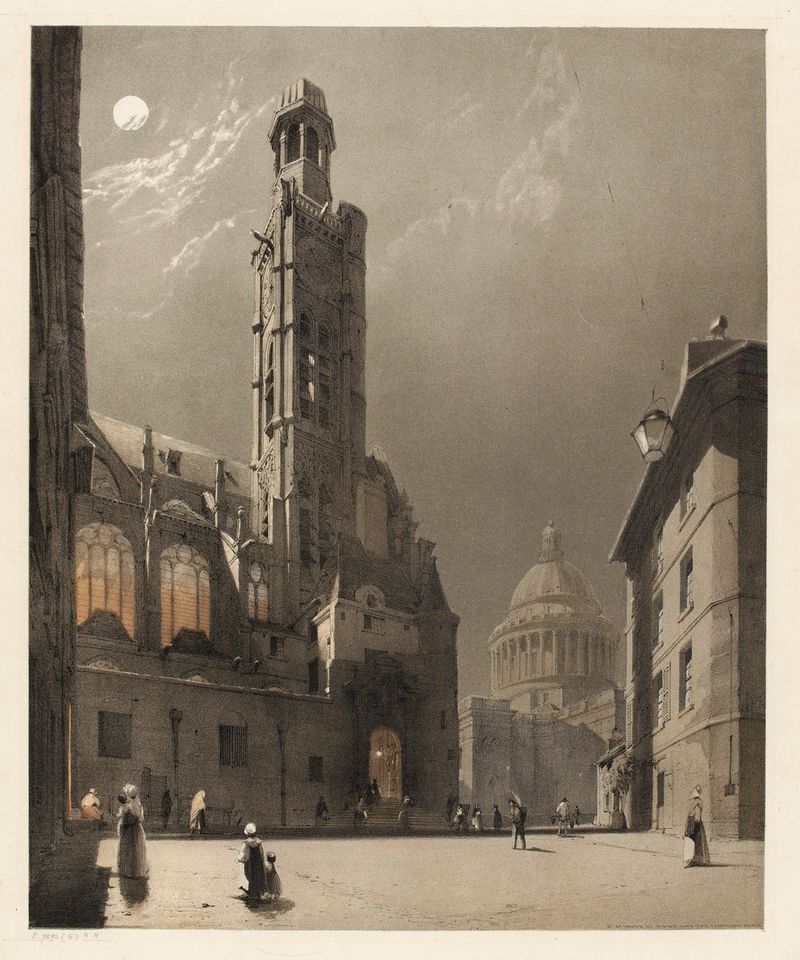
St Etienne du Mont and the Panthéon, Paris
Thomas Shotter Boys
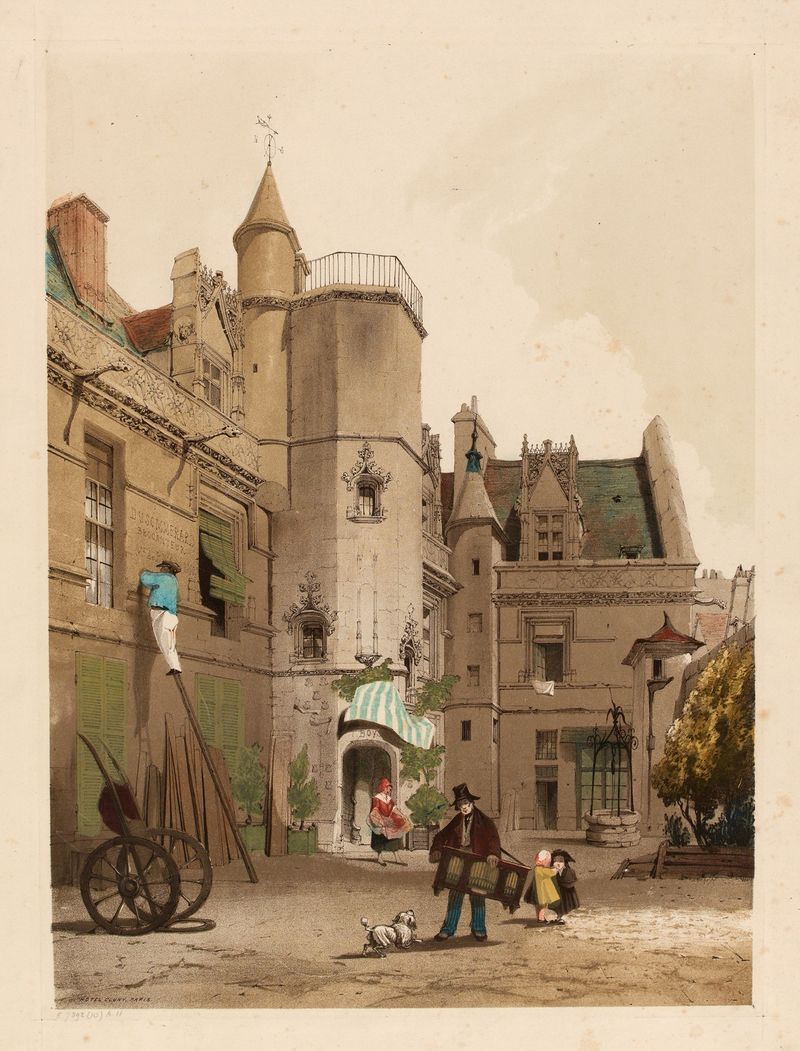
Hôtel Cluny, Paris.
Thomas Shotter Boys
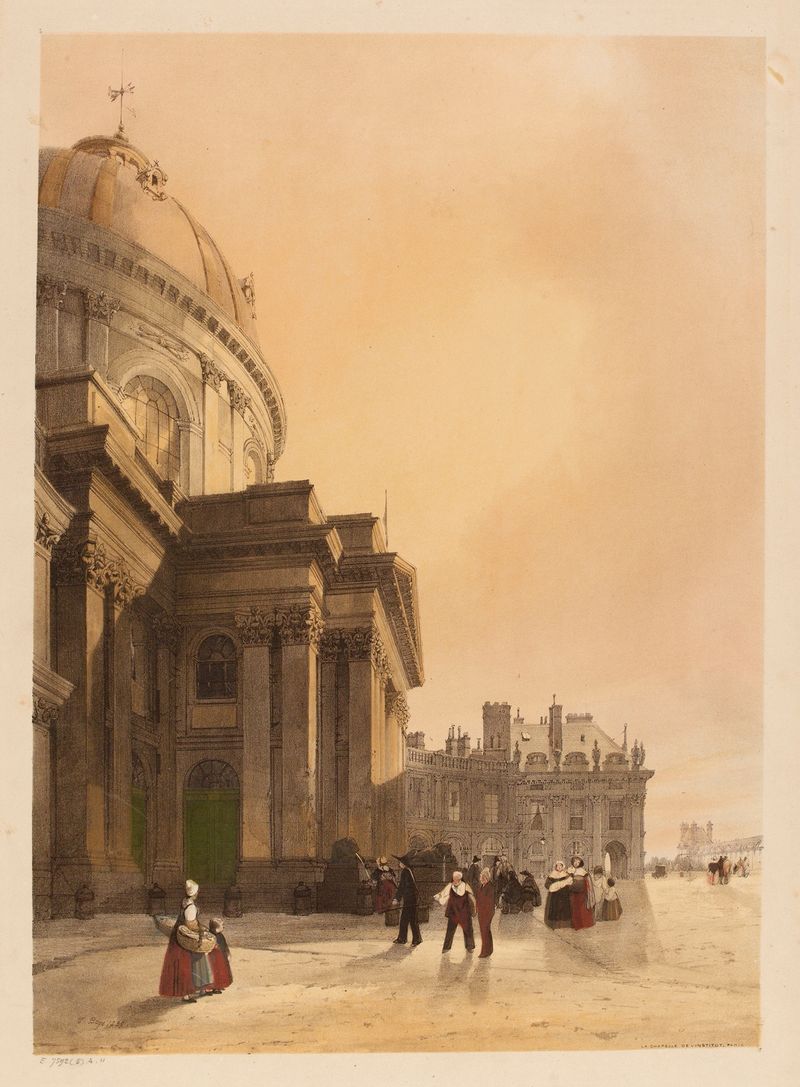
La chapelle de l’Institut, Paris
Thomas Shotter Boys
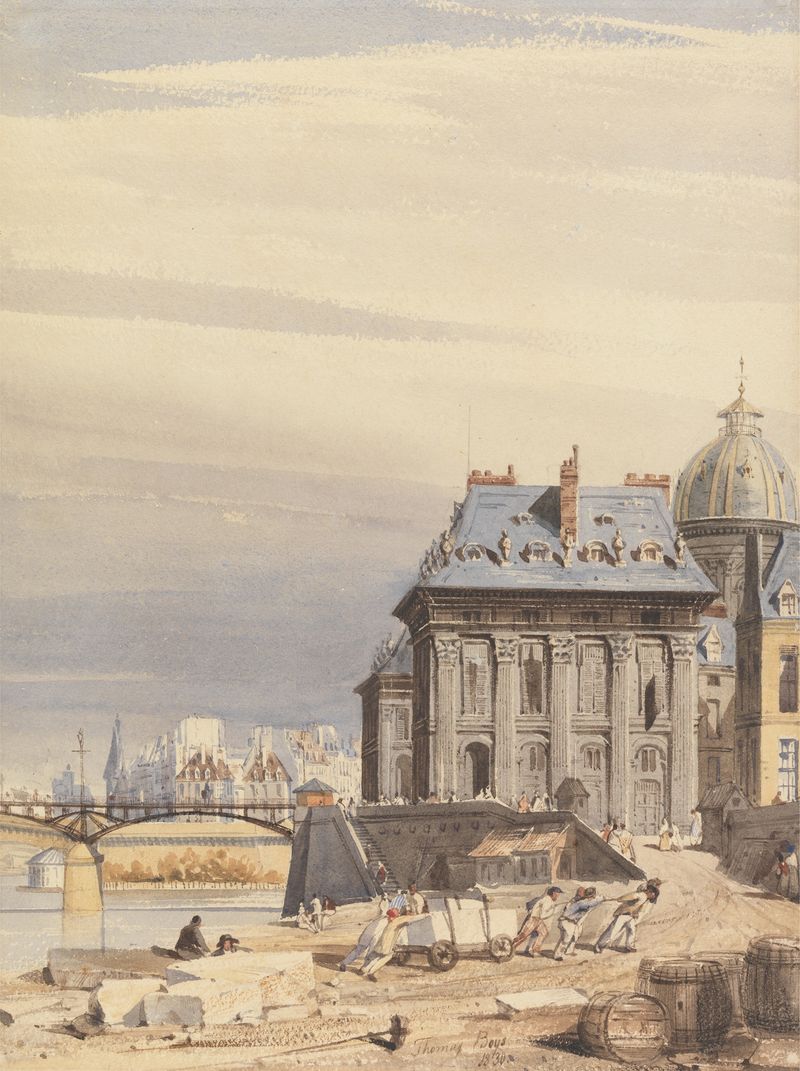
L’Institut de France, Paris
Thomas Shotter Boys
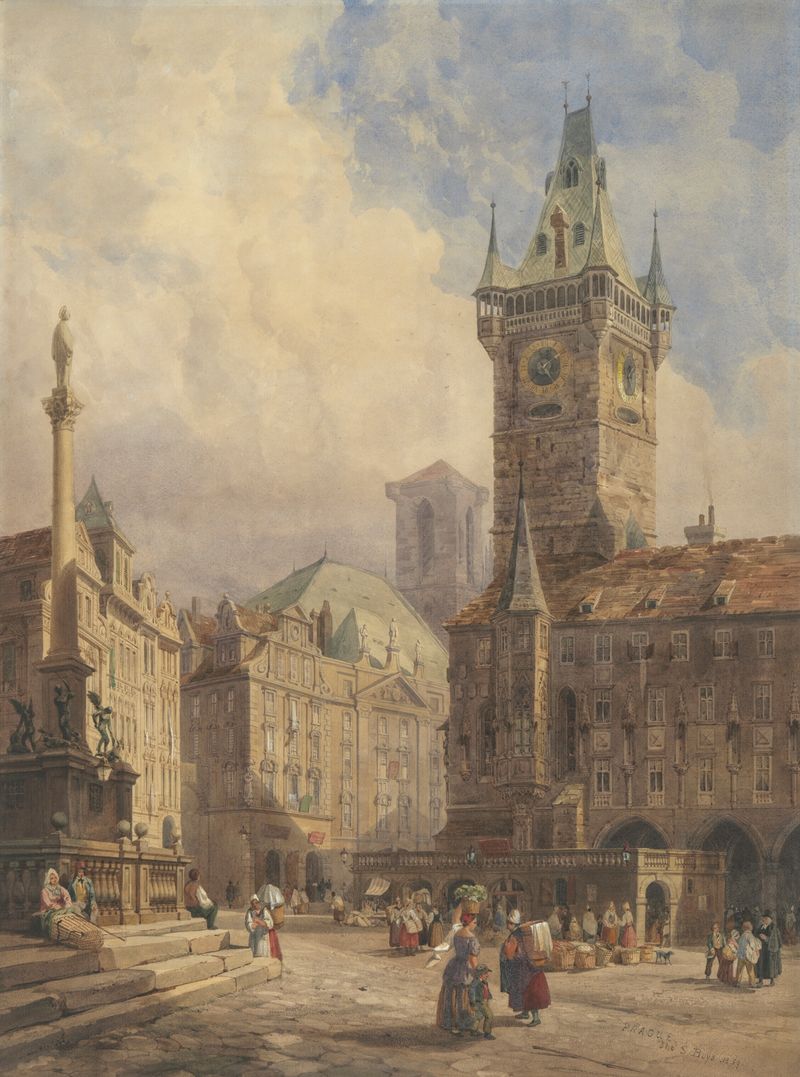
Rathaus from Old Town Square, Prague
Thomas Shotter Boys
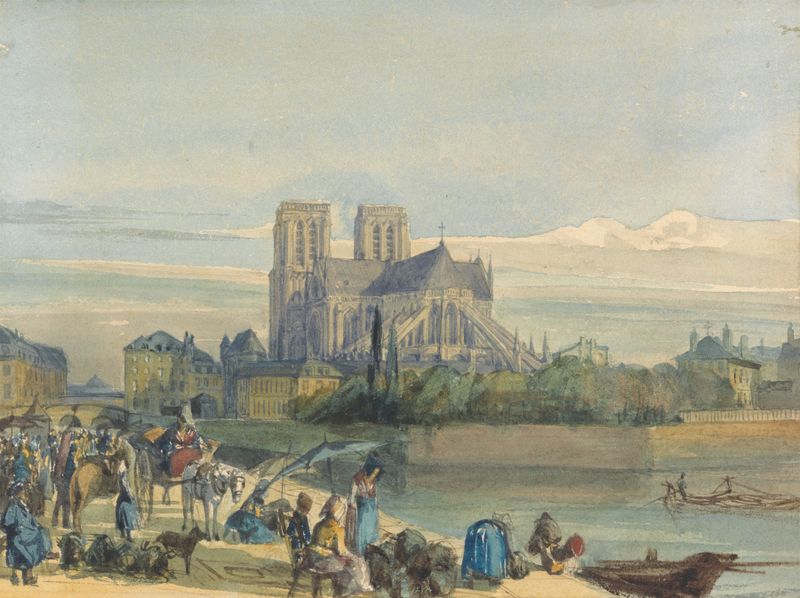
Notre Dame, Paris
Thomas Shotter Boys
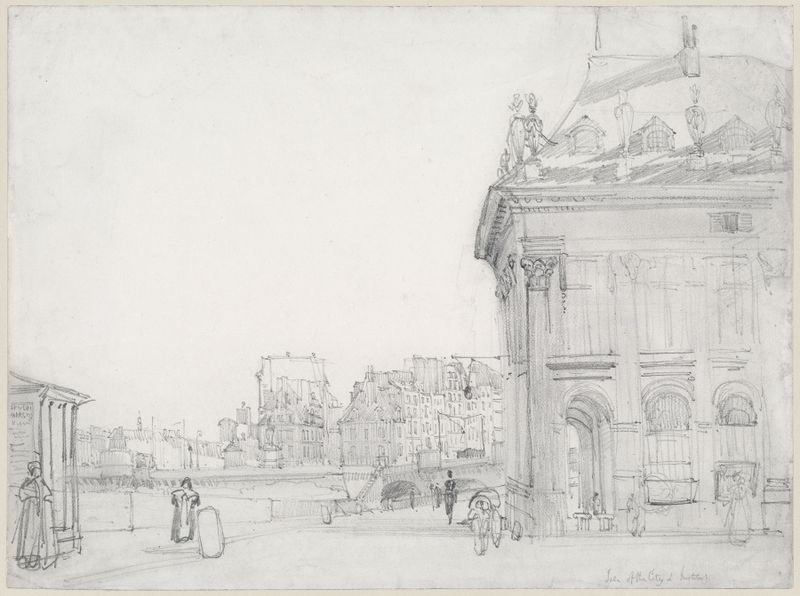
Ile de la Cité from the Institut, Paris
Thomas Shotter Boys
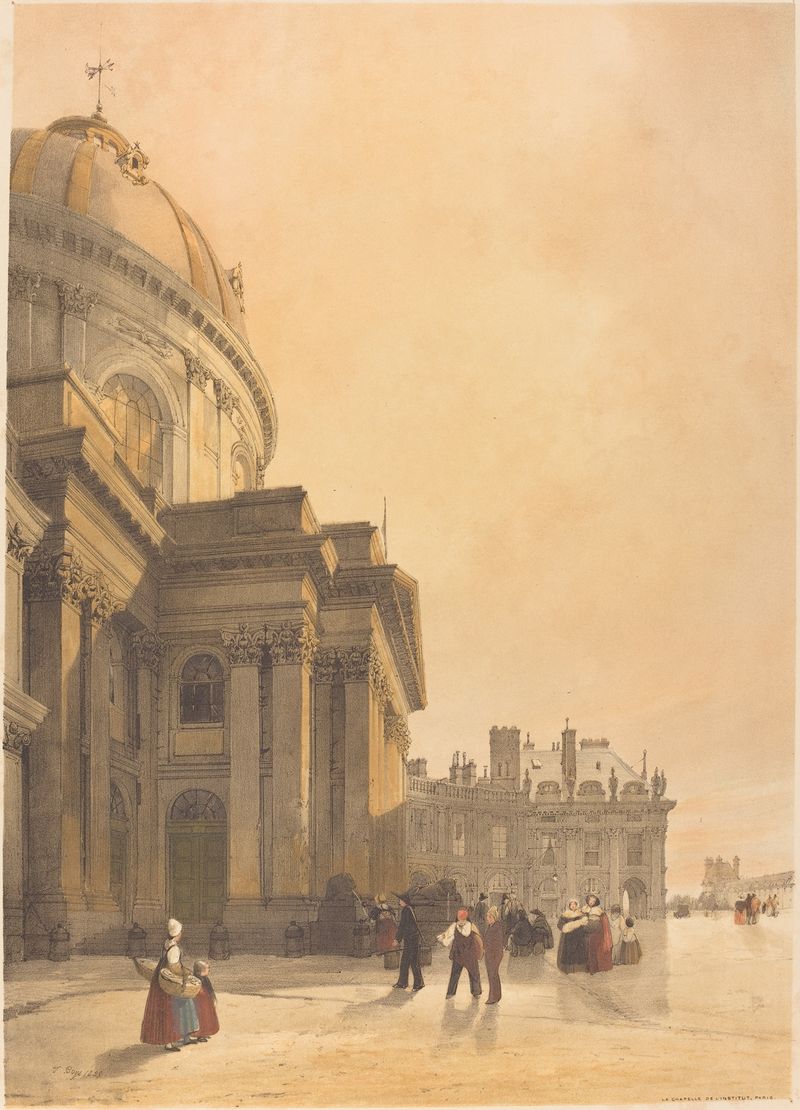
La Chapelle de l’Institut, Paris
Thomas Shotter Boys
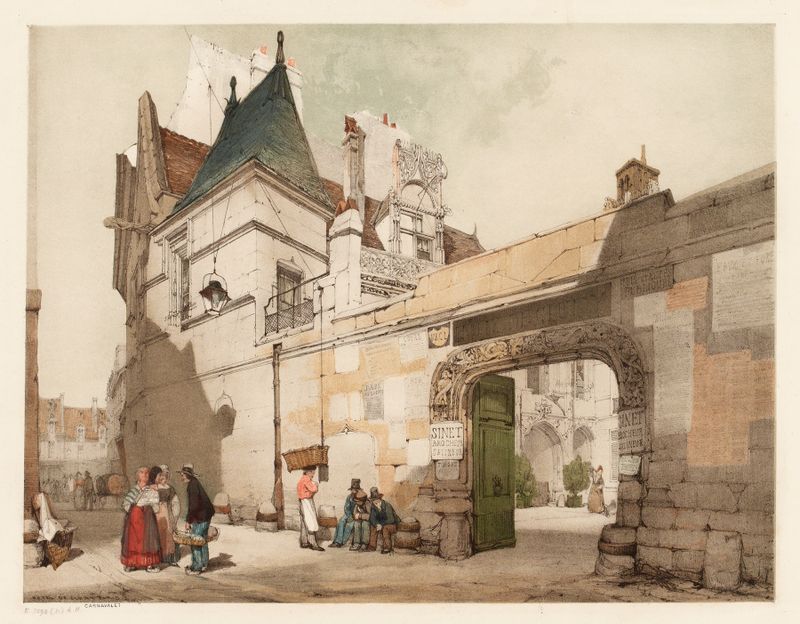
Hôtel de Cluny, Paris
Thomas Shotter Boys
More Architecture Art
Browse all →
The statue of Liberty
Frédéric Auguste Bartholdi

View of Houses in Delft, Known as ‘The Little Street’
Johannes Vermeer

View of Houses in Delft, Known as ‘The Little Street’
Johannes Vermeer

The Cathedral in Rouen. The portal, Grey Weather
Claude Monet

The yellow house
Vincent van Gogh

The Church in Auvers-sur-Oise, View from the Chevet
Vincent van Gogh