Discover insights about this artwork
Stack of Wheat — History & Facts
In Stack of Wheat, Claude Monet captures a serene landscape filled with golden wheat stacks. The painting is dominated by warm yellows and soft greens, creating a harmonious atmosphere. The sky is painted in gentle blues and whites, suggesting a tranquil day.
Monet's brushwork is loose and fluid, allowing the viewer to feel the movement of the landscape. This artwork is an example of Impressionism, characterized by its emphasis on light and color. Monet uses oil on canvas to create a textured surface that enhances the visual experience. The dimensions are approximately 73 x 92 cm, making it a sizable piece that draws the viewer in.
The painting's composition focuses on the interplay of light and shadow across the wheat stacks. Stack of Wheat is part of a series of works by Monet that explore the changing light on wheat fields. Created in the late 19th century, this piece reflects Monet's fascination with rural landscapes. An interesting fact is that Monet painted this series during a time when he was experimenting with color and light, leading to his iconic style.
Today, it resides in the Musee d'Orsay, where it continues to inspire visitors.
More Artworks by Claude Monet
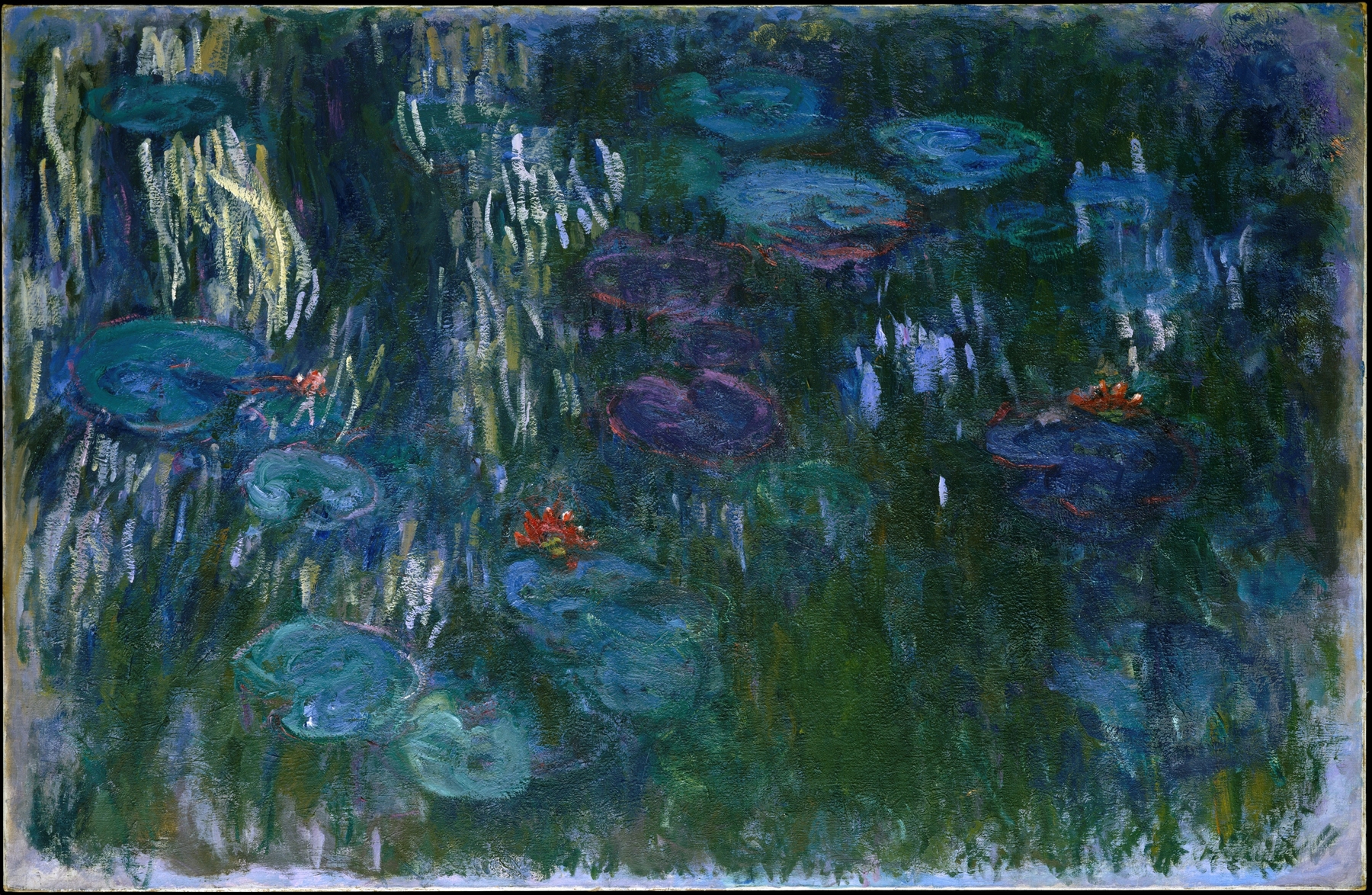
Water Lilies
Claude Monet
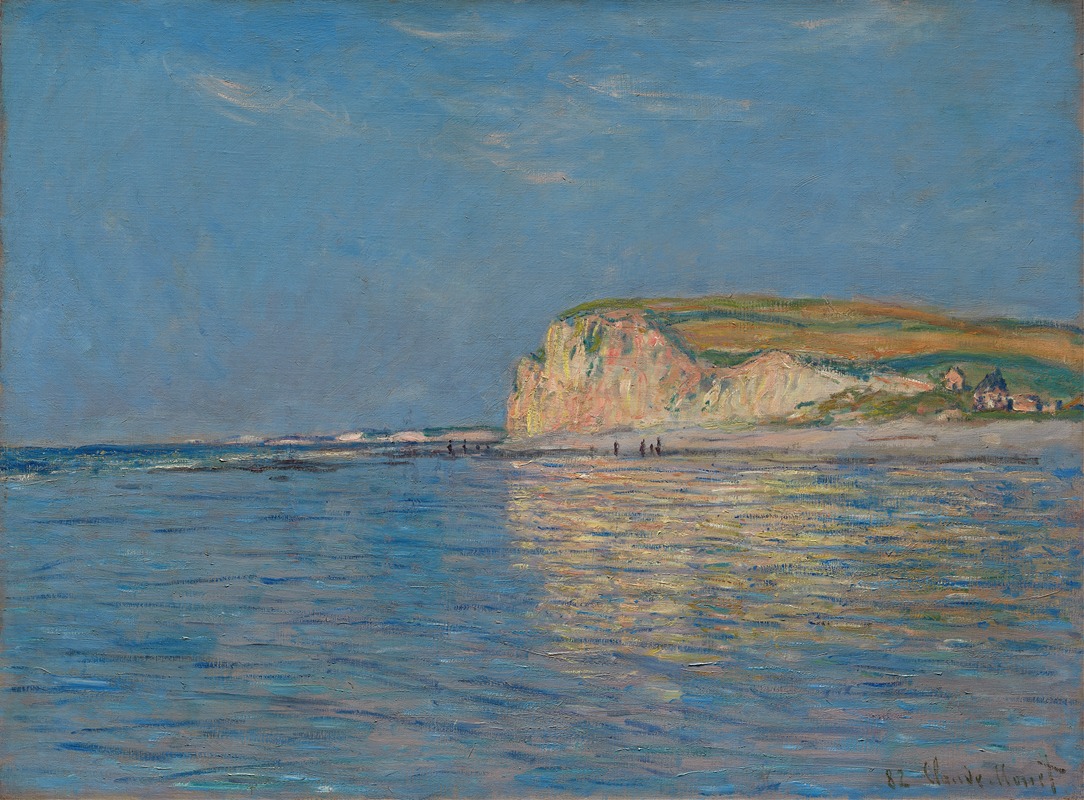
Low Tide at Pourville, near Dieppe
Claude Monet
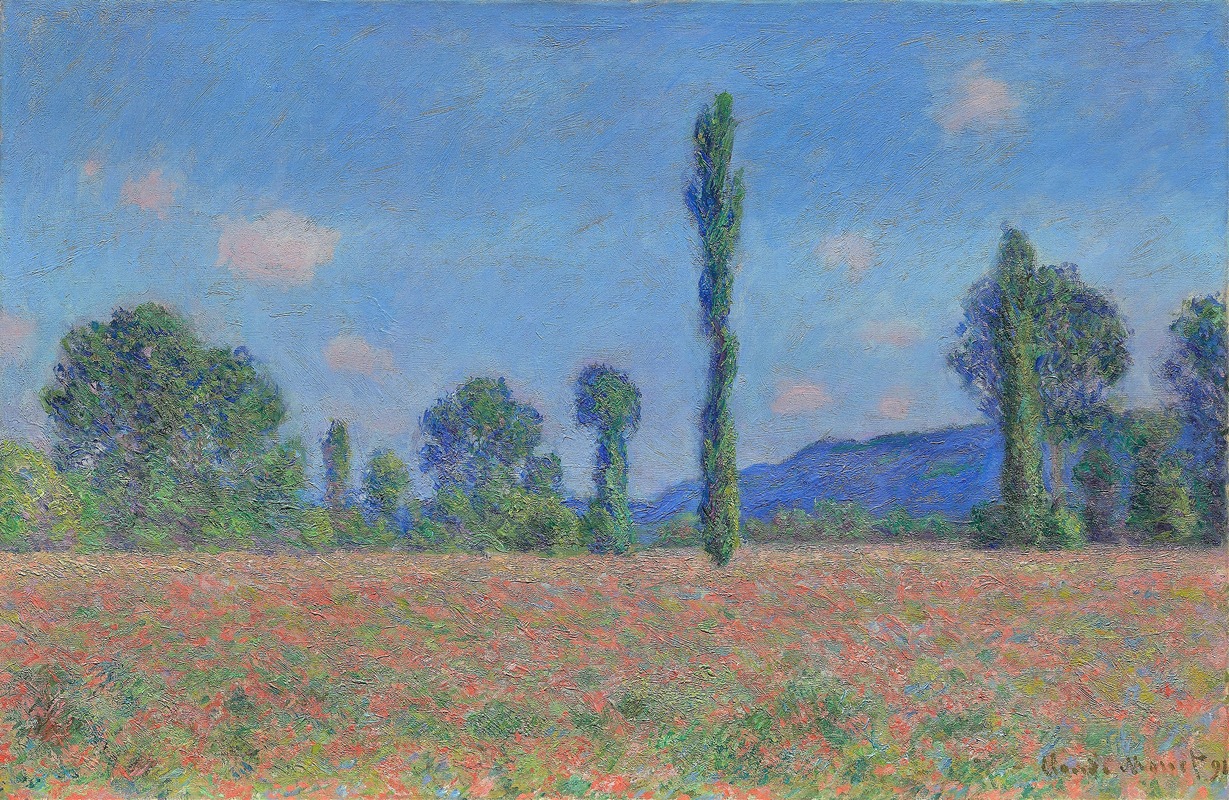
Poppy Field (Giverny)
Claude Monet
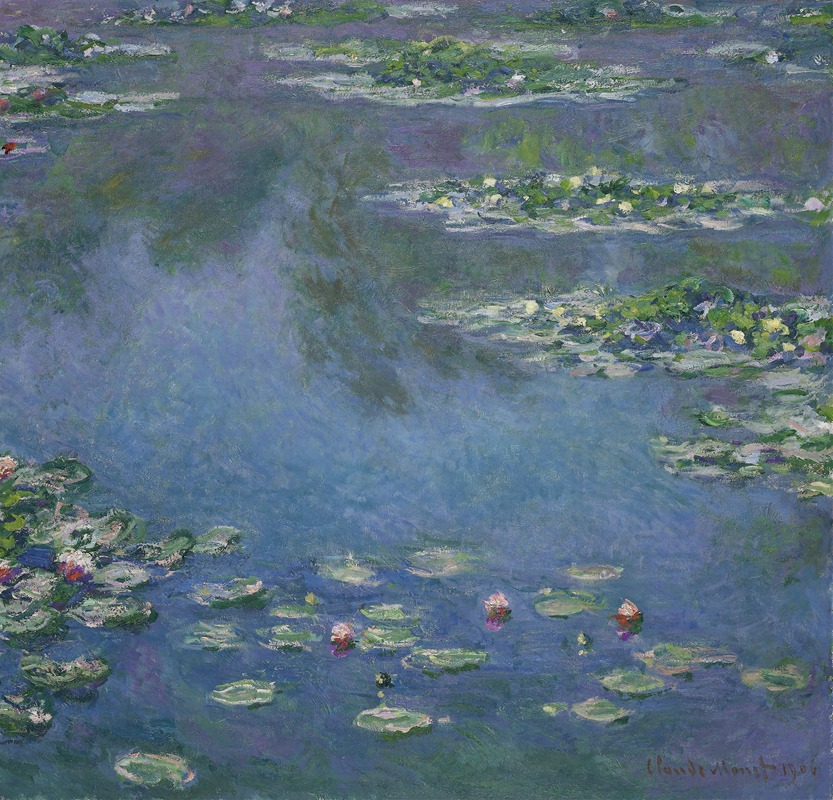
Water Lilies
Claude Monet
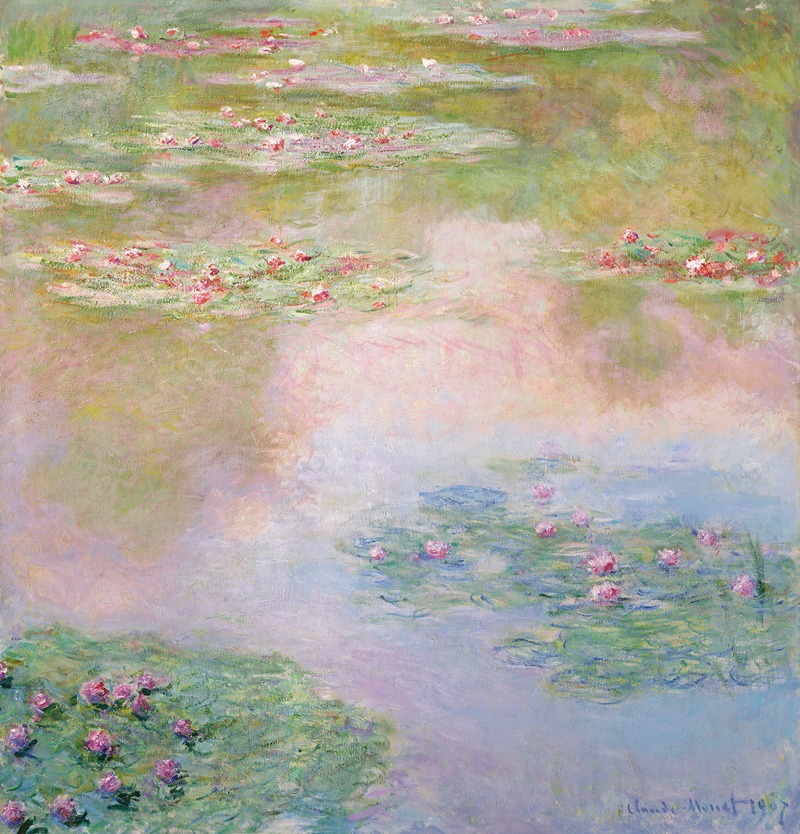
Nymphéas
Claude Monet
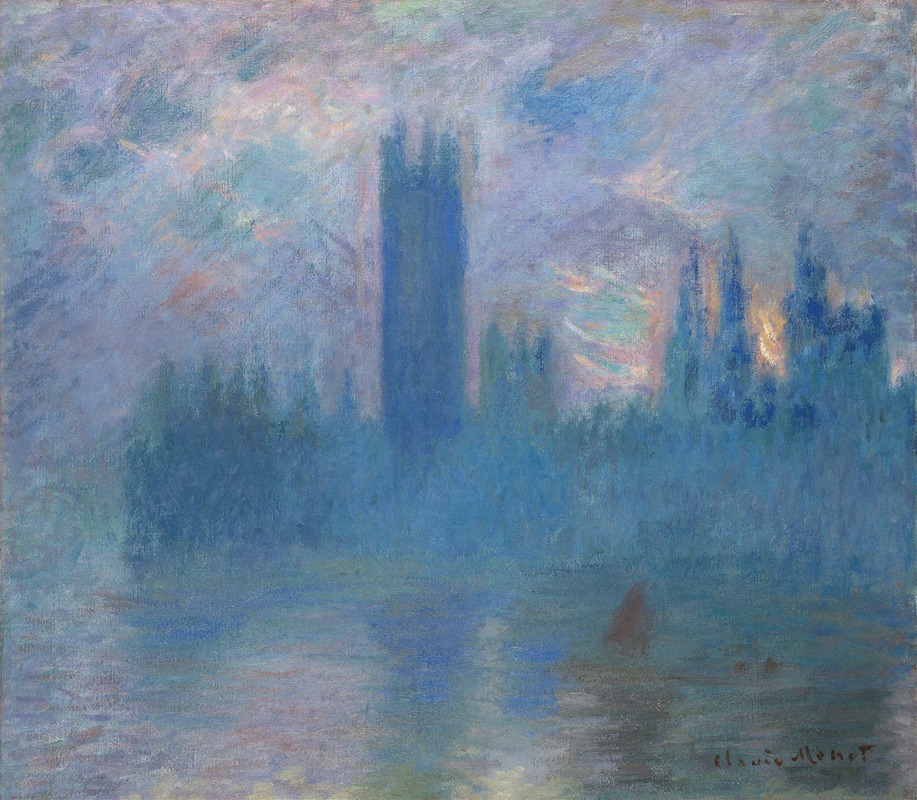
Houses of Parliament, London
Claude Monet
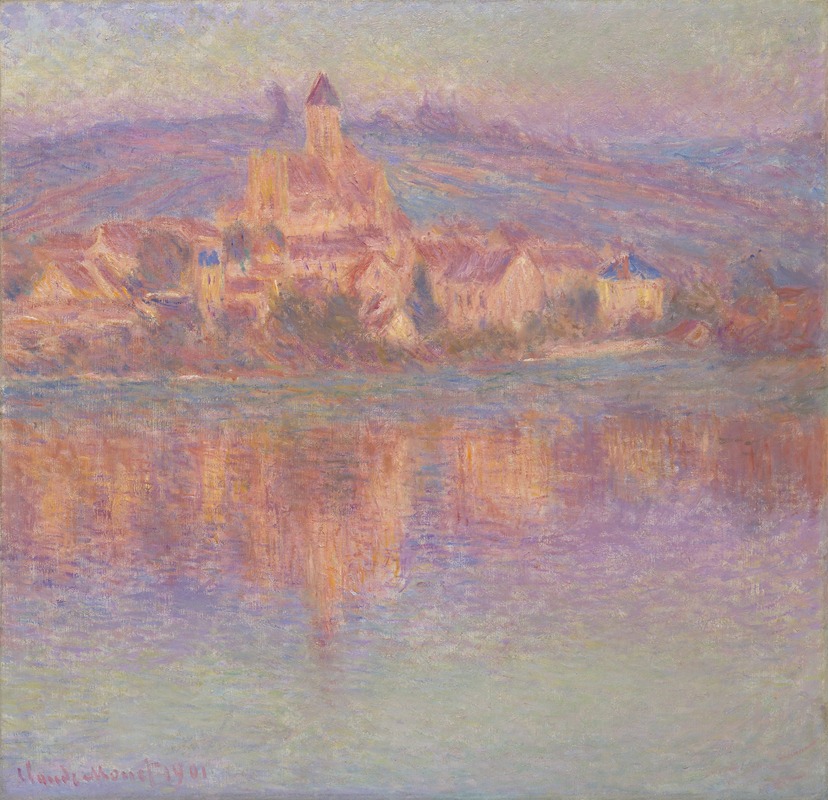
Vétheuil
Claude Monet
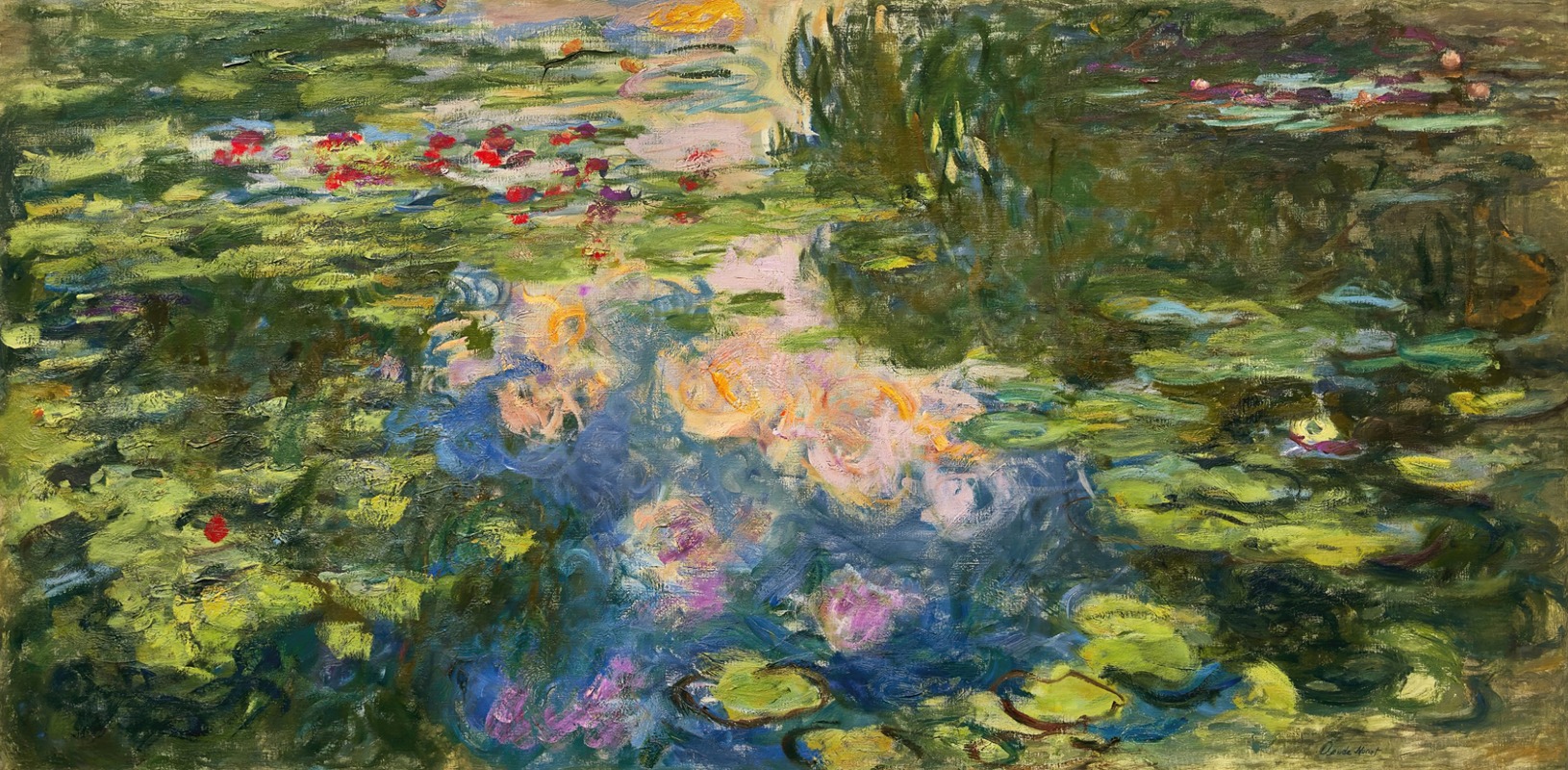
Le Bassin aux nymphéas
Claude Monet
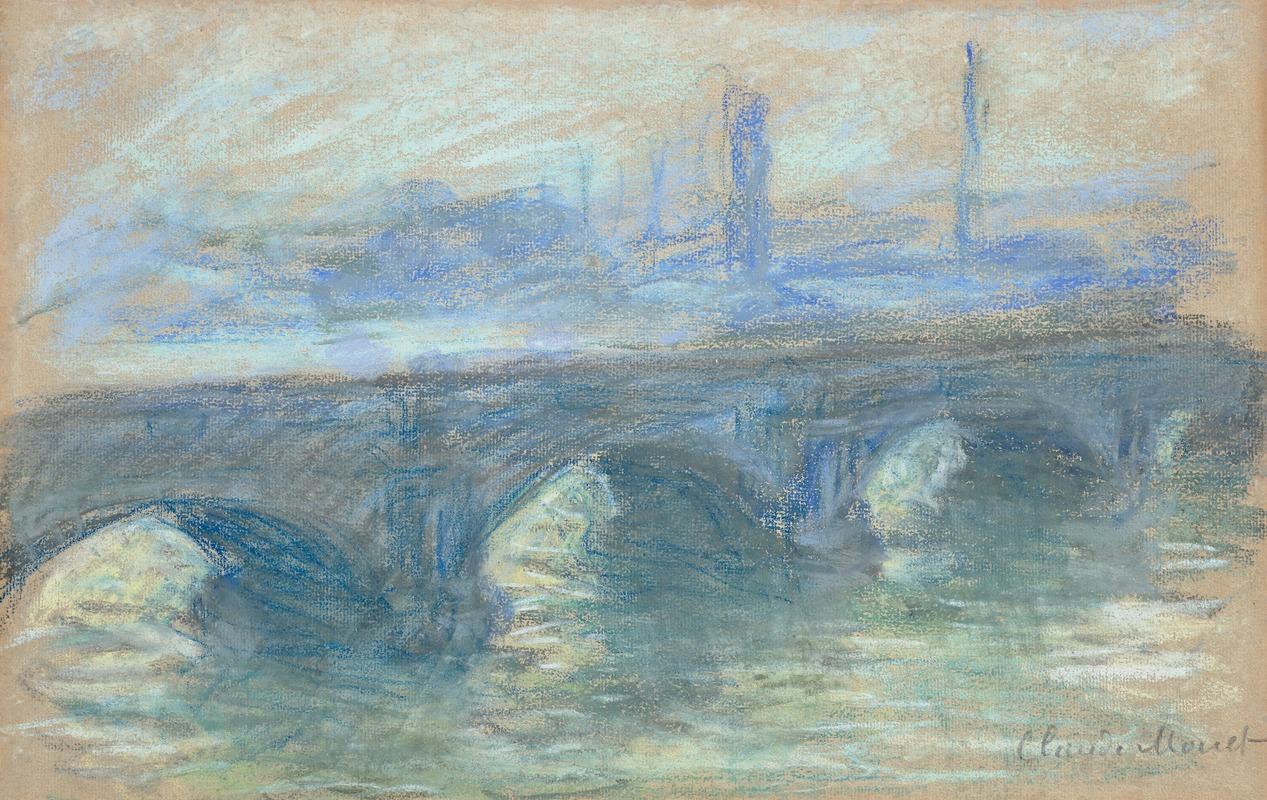
Waterloo Bridge
Claude Monet

Printemps à Giverny, effet d’après-midi
Claude Monet