Discover insights about this artwork
Stack of Wheat — History & Facts
In Stack of Wheat, Claude Monet presents a vibrant landscape filled with golden hues of wheat. The painting showcases stacks of harvested wheat, set against a backdrop of a clear blue sky. The brushstrokes are loose and fluid, creating a sense of movement and light.
This work embodies the beauty of rural life and the changing seasons. The painting is executed in oil on canvas, a common medium for Monet's works. The dimensions are approximately 73 x 92 cm, allowing for a detailed representation of the wheat stacks. Monet employs a palette of yellows, greens, and blues, typical of his Impressionist style.
The use of light and shadow adds depth to the scene, enhancing its realism. Claude Monet, a leading figure in the Impressionist movement, created Stack of Wheat during the late 19th century. This work is part of a series that Monet painted, focusing on the same subject under different lighting conditions. An interesting fact is that Monet often painted en plein air, capturing the essence of the moment directly from nature.
His dedication to portraying the effects of light on landscapes revolutionized the art world.
More Artworks by Claude Monet
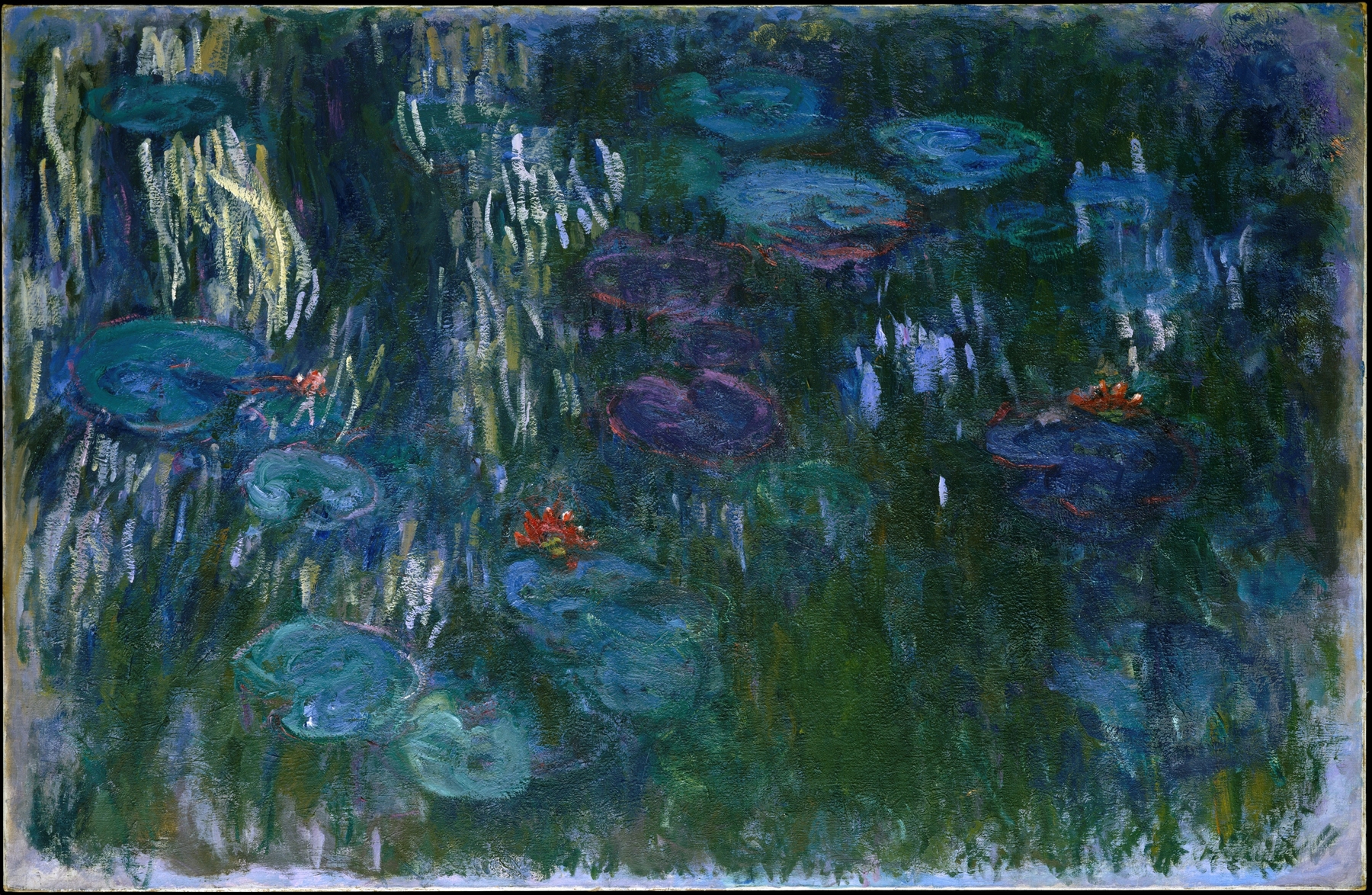
Water Lilies
Claude Monet
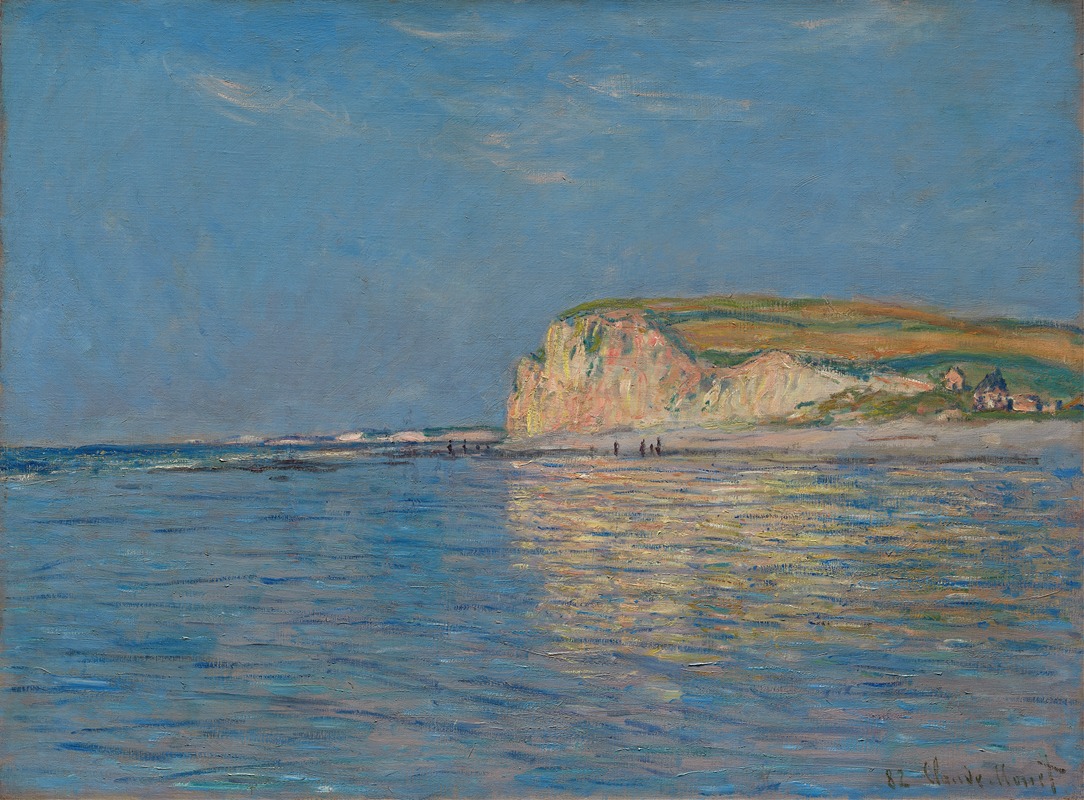
Low Tide at Pourville, near Dieppe
Claude Monet
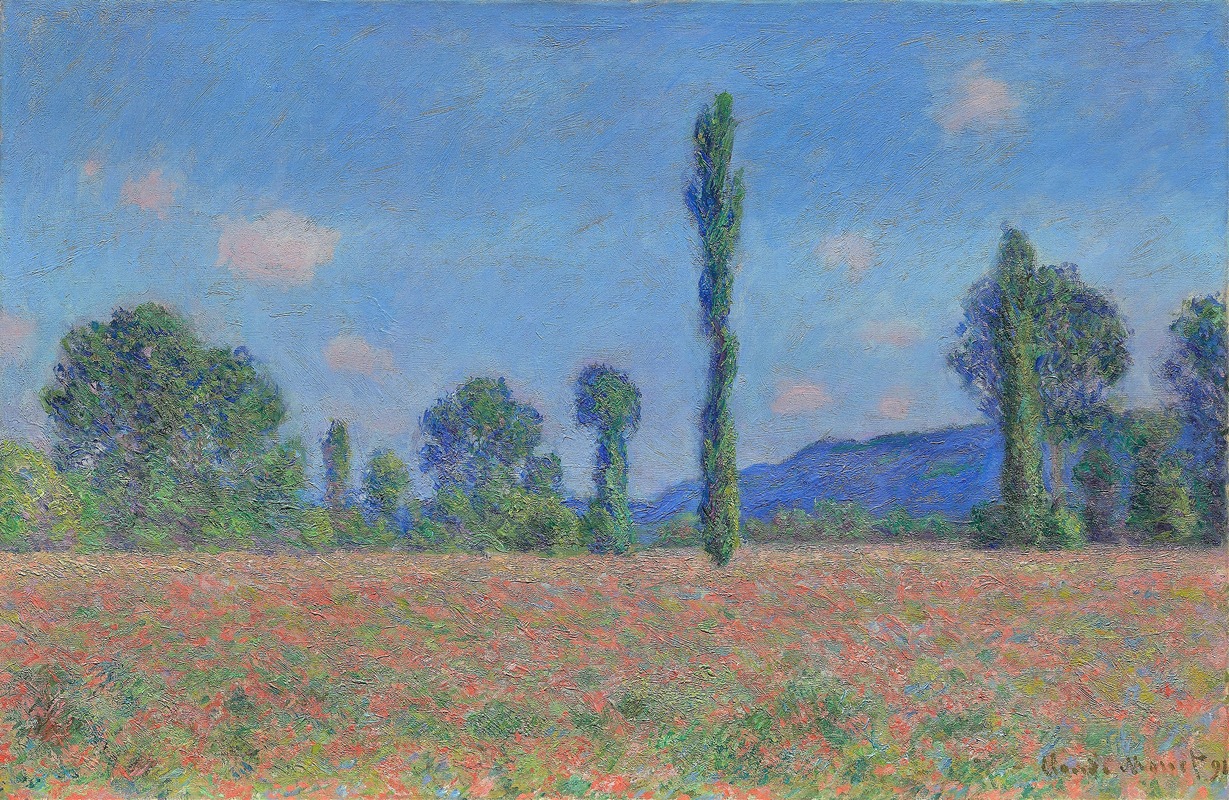
Poppy Field (Giverny)
Claude Monet
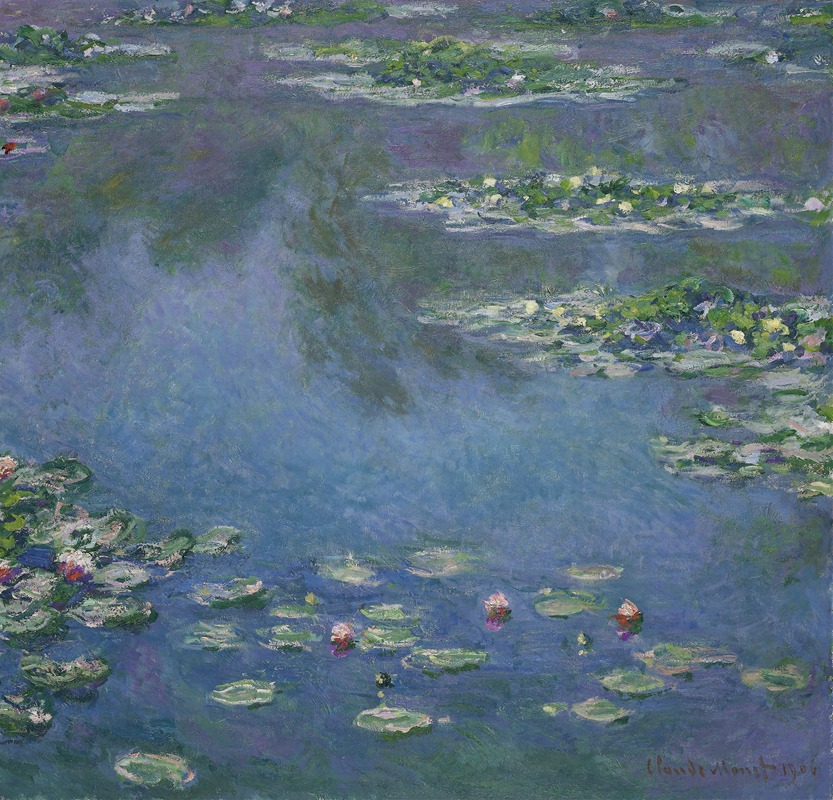
Water Lilies
Claude Monet
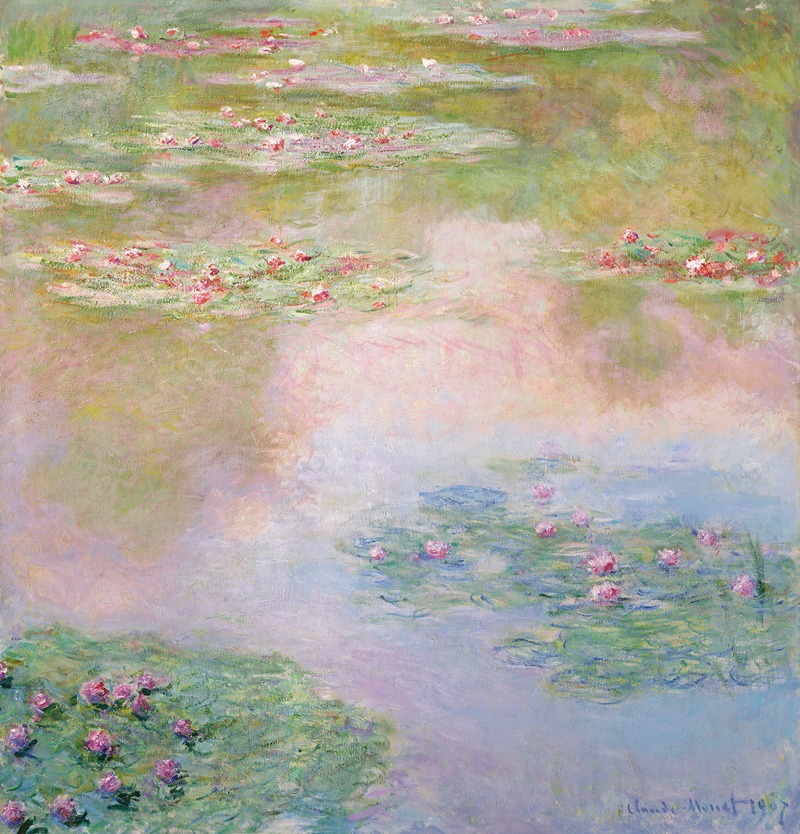
Nymphéas
Claude Monet
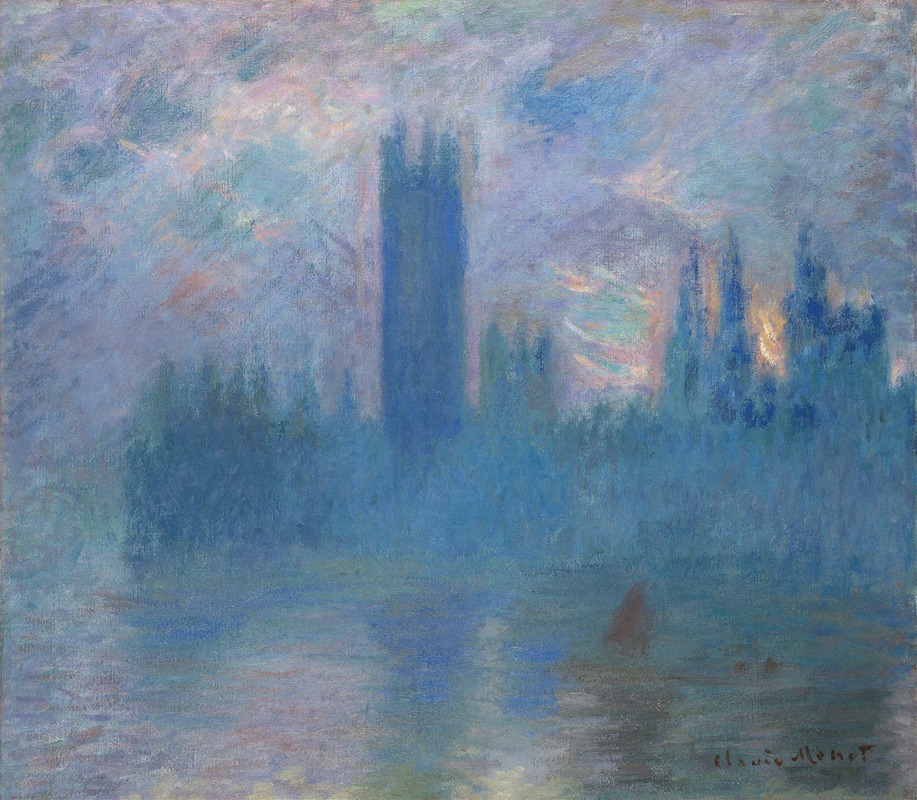
Houses of Parliament, London
Claude Monet
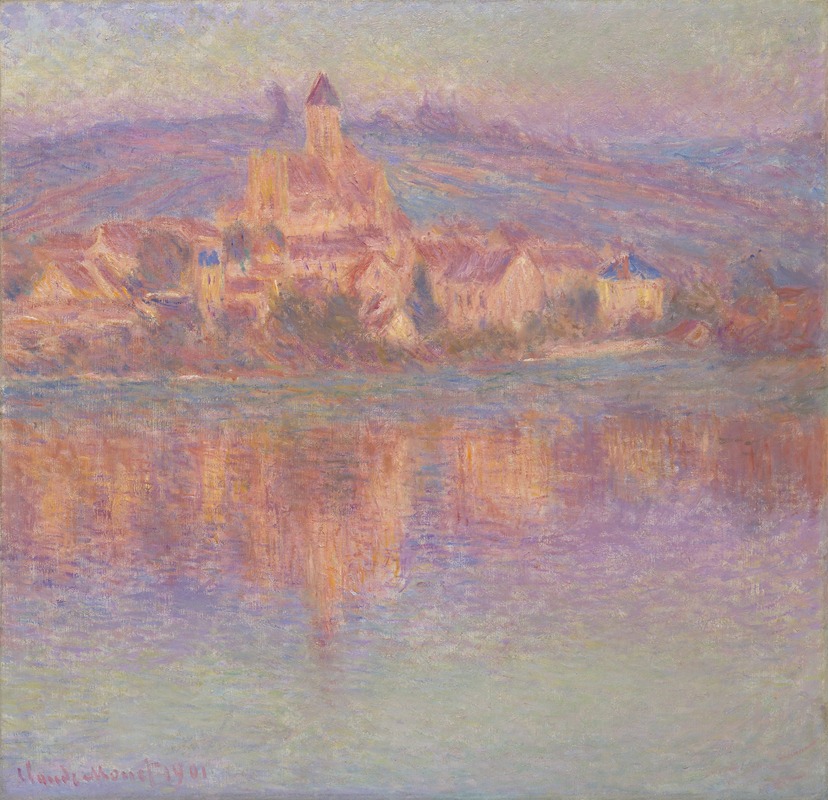
Vétheuil
Claude Monet
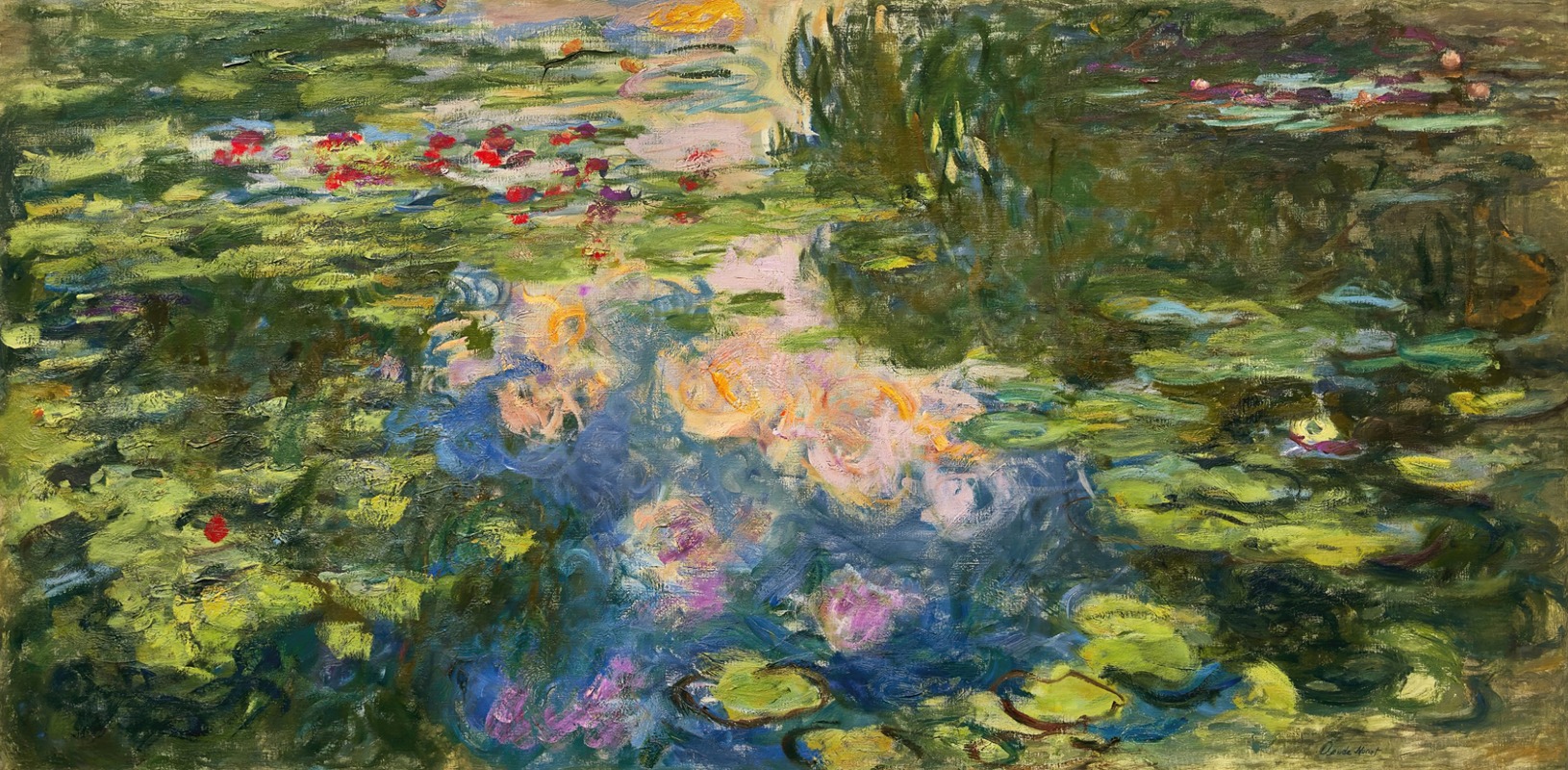
Le Bassin aux nymphéas
Claude Monet
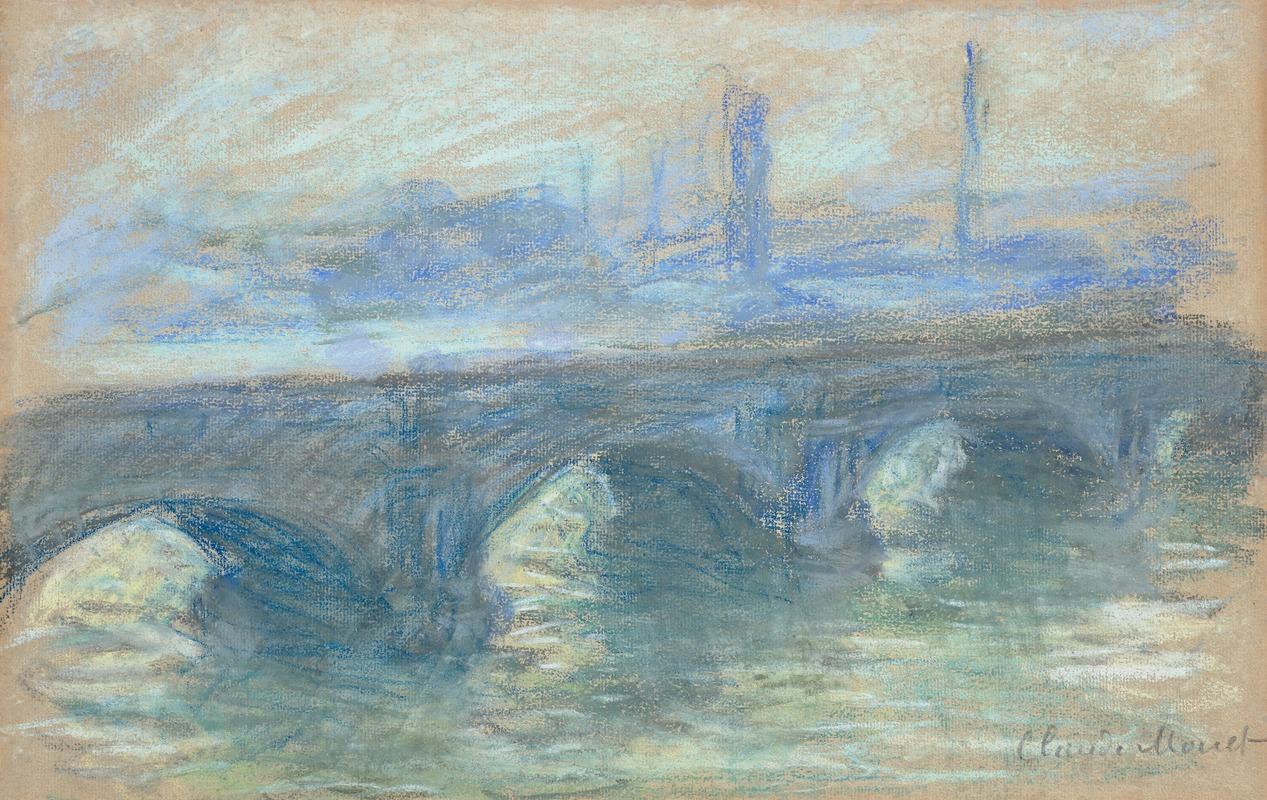
Waterloo Bridge
Claude Monet

Printemps à Giverny, effet d’après-midi
Claude Monet