Discover insights about this artwork
Stacks of Wheat (Sunset, Snow Effect) — History & Facts
In Stacks of Wheat (Sunset, Snow Effect), Claude Monet presents a winter landscape filled with golden stacks of wheat. The scene is bathed in warm hues of orange and yellow, contrasting with the cool blues and whites of the snow. The sky is a vibrant blend of colors, suggesting a sunset that casts a soft glow over the field.
The overall atmosphere is tranquil, evoking a sense of calm in the chilly winter setting. Monet's technique in this painting showcases his signature brushwork, with loose and expressive strokes that create a sense of movement. The use of color is particularly striking, with the warm tones of the wheat contrasting against the cool snow. The composition draws the viewer's eye towards the horizon, where the sunset illuminates the landscape.
This work exemplifies Monet's exploration of light and color, key elements of the Impressionism movement. Claude Monet painted this work during the late 19th century, a time when he was deeply engaged in capturing the effects of light on natural scenes. This painting is part of a series that reflects his fascination with wheat stacks, which he often depicted in various lighting conditions. An interesting fact about this piece is that it highlights Monet's ability to convey the changing seasons and their emotional resonance through color and form.
Today, it can be viewed at the Musee d'Orsay in Paris.
More Artworks by Claude Monet
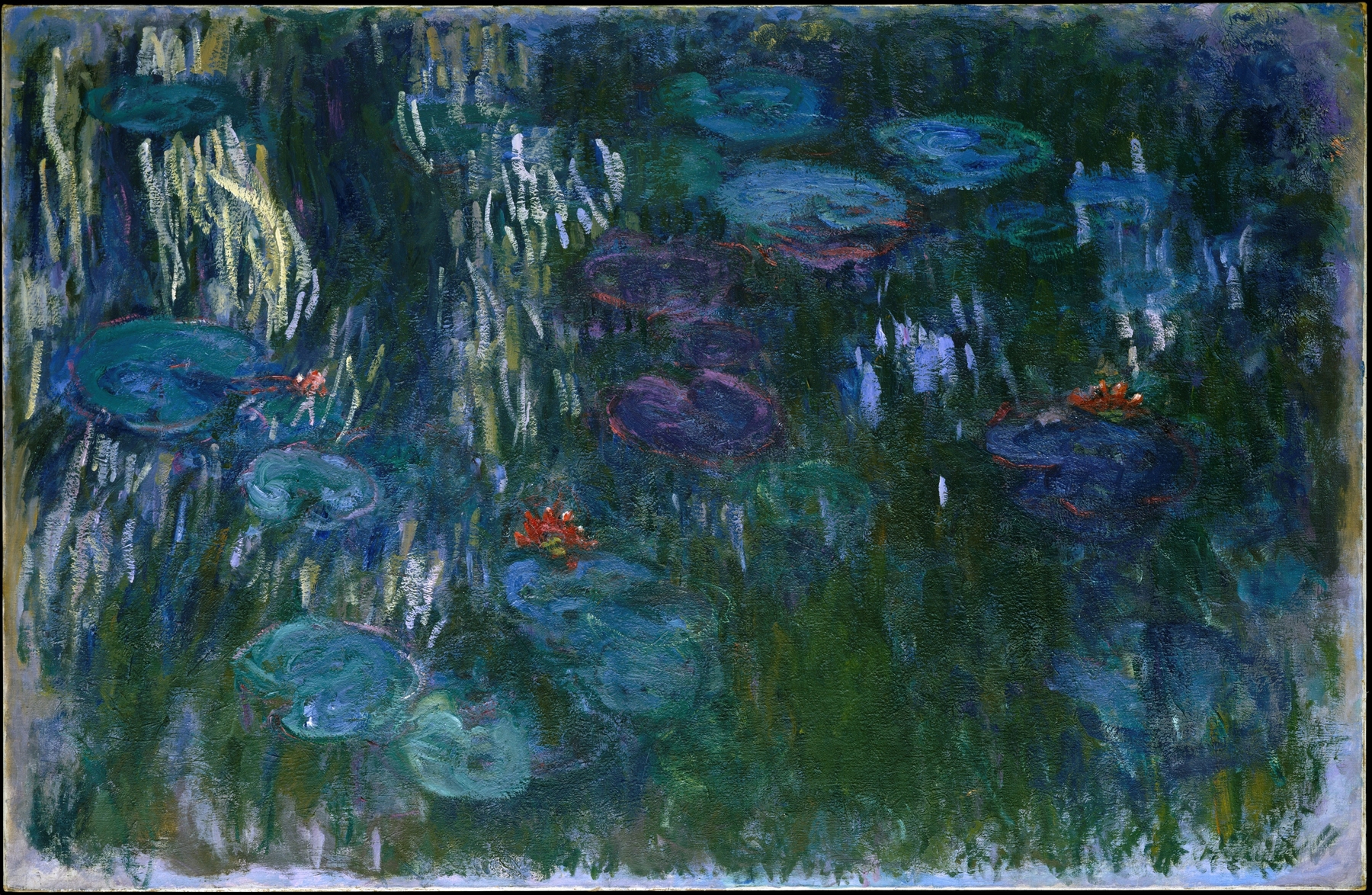
Water Lilies
Claude Monet
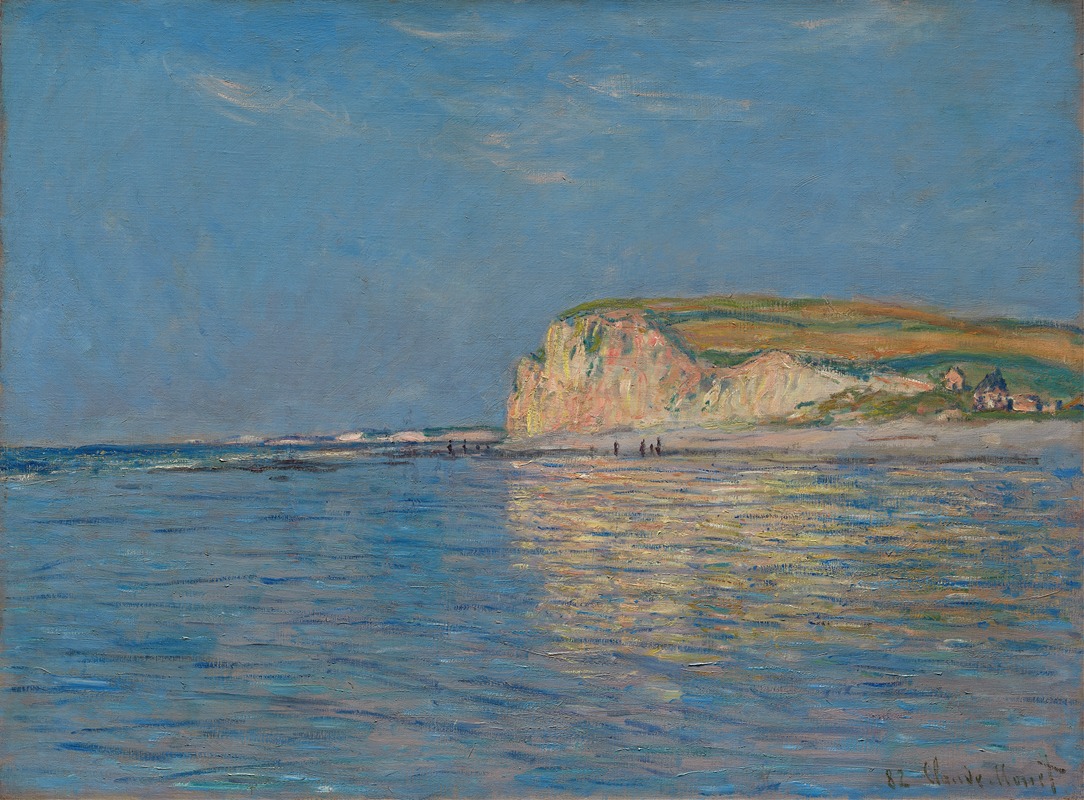
Low Tide at Pourville, near Dieppe
Claude Monet
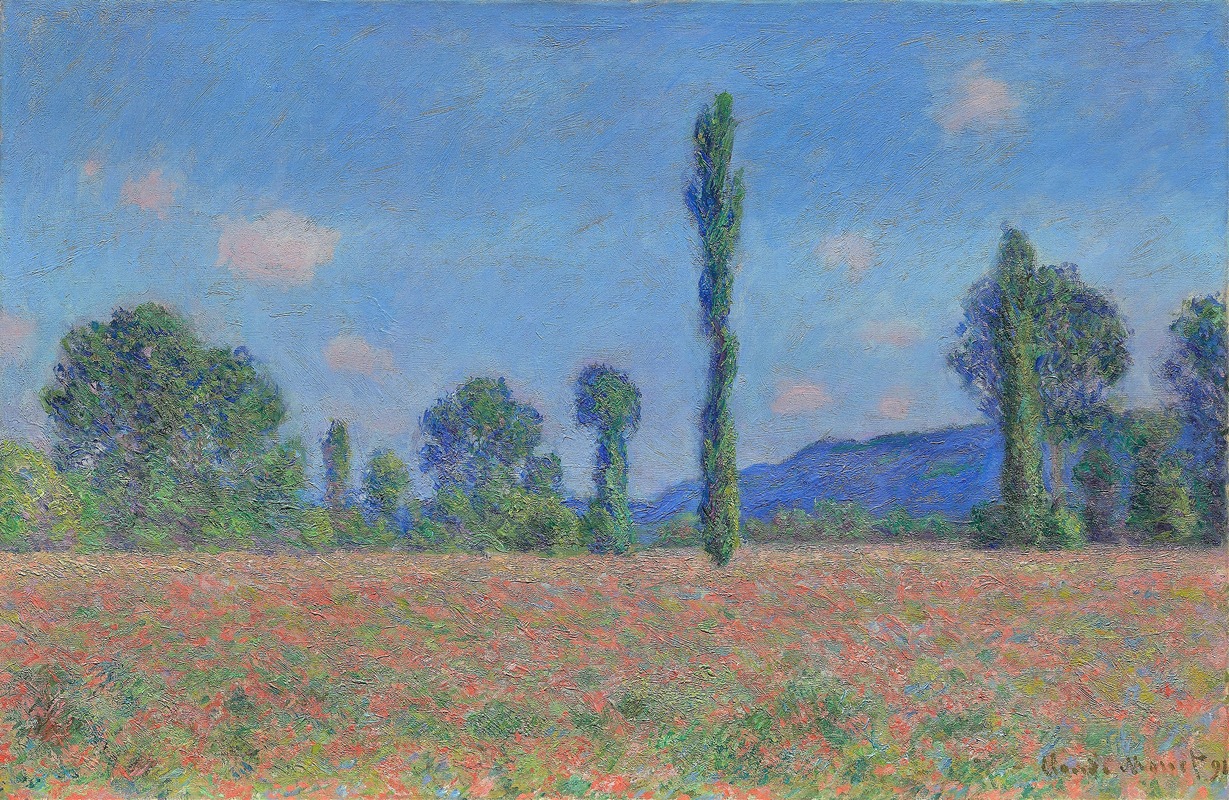
Poppy Field (Giverny)
Claude Monet
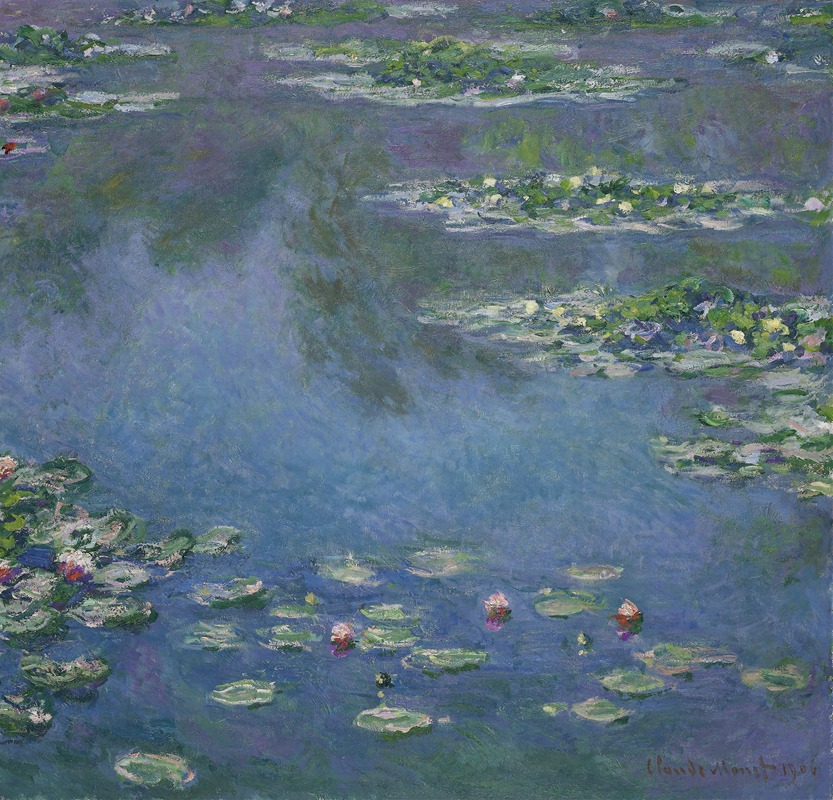
Water Lilies
Claude Monet
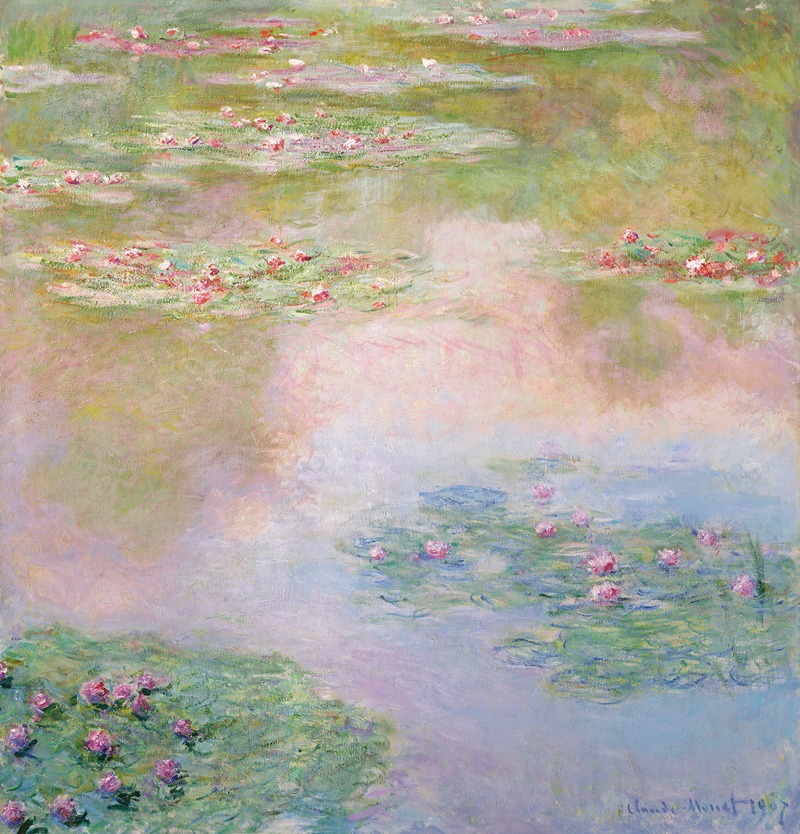
Nymphéas
Claude Monet
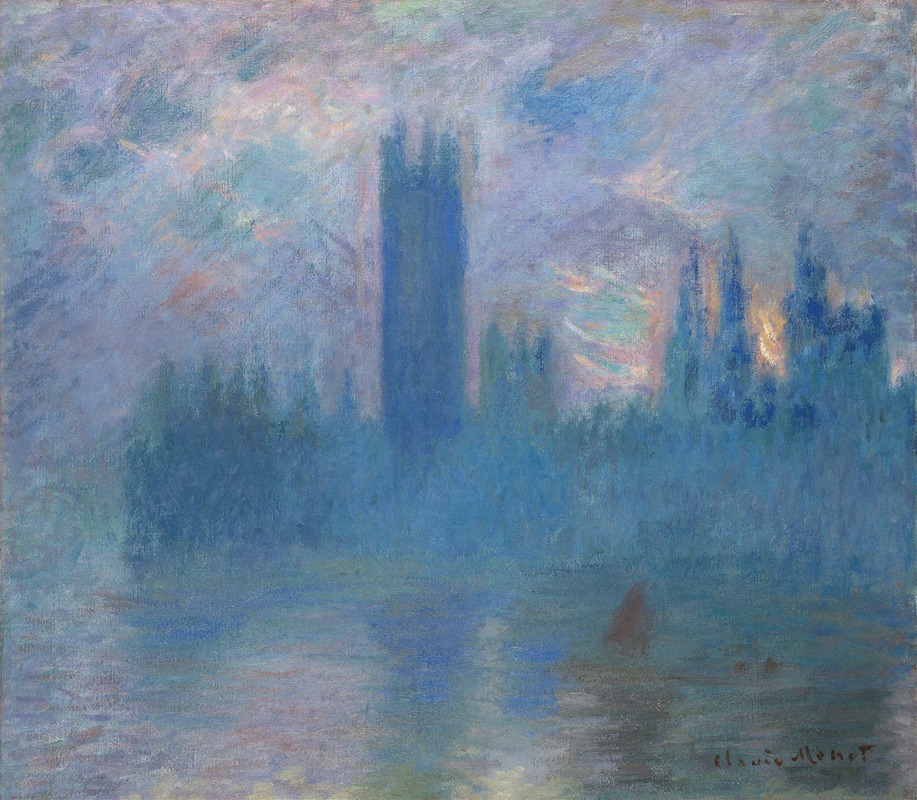
Houses of Parliament, London
Claude Monet
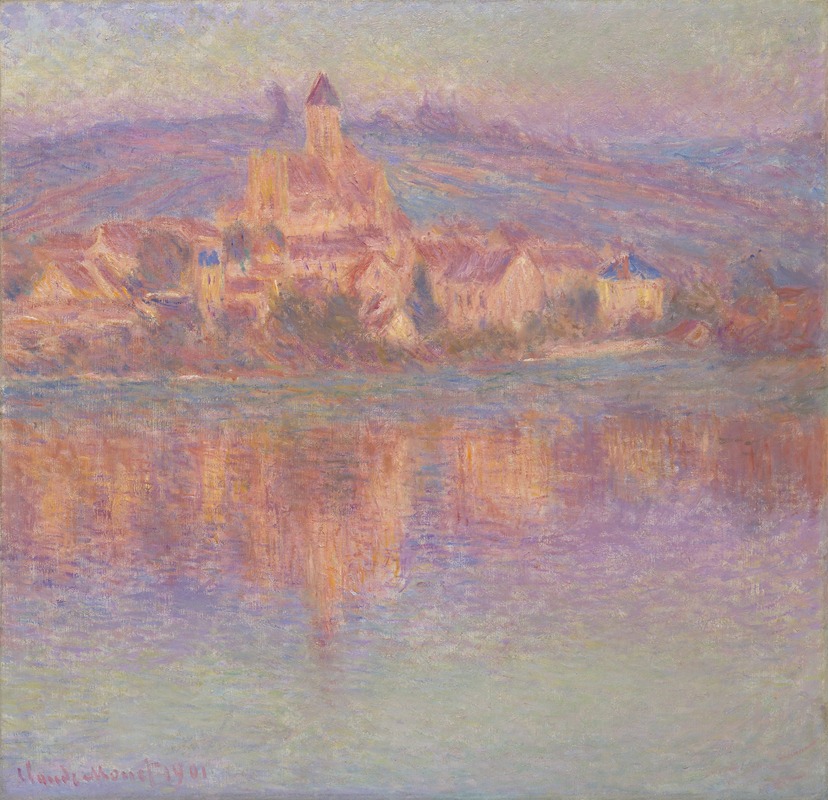
Vétheuil
Claude Monet
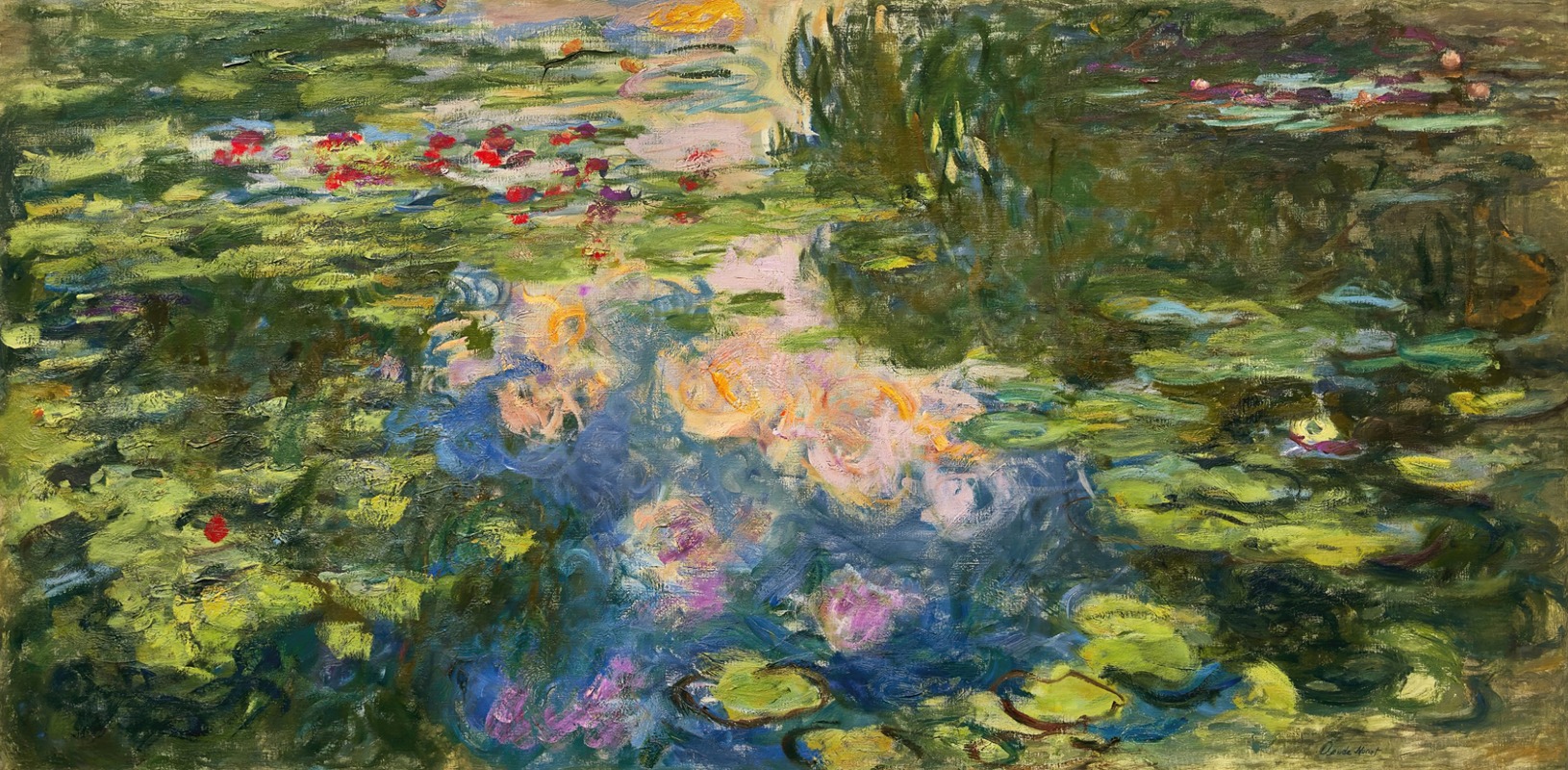
Le Bassin aux nymphéas
Claude Monet
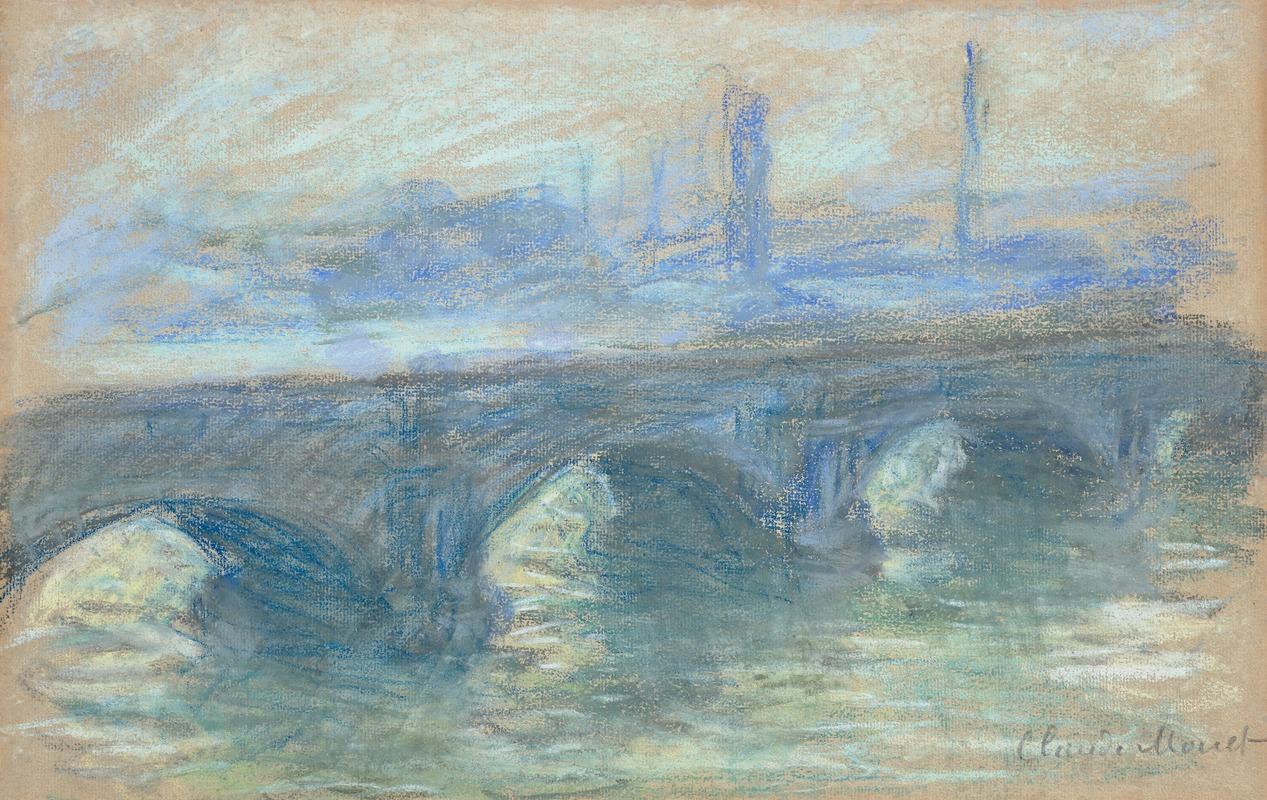
Waterloo Bridge
Claude Monet

Printemps à Giverny, effet d’après-midi
Claude Monet