
Stadsreinigingsdienst (Staten Bolwerk), vuilnisbelt. — History & Facts
In the stillness of existence, we find echoes of our fleeting lives and the remnants we leave behind. Look to the left at the towering heaps of refuse, a testament to both human activity and negligence. The artist’s careful brushwork captures the texture of the refuse, evoking a sensory experience of decay. The palette is muted, dominated by earthy browns and grays, drawing the eye toward the stark contrast of the distant horizon.
Notice how the light breaks through the clouds, illuminating remnants of the daily grind, casting a somber glow over the disarray, inviting contemplation of what we cast aside. Within this composition, there lies a poignant commentary on mortality. The trash, while repulsive, serves as a reflection of the transitory nature of life itself — a reminder that what we cherish today becomes the refuse of tomorrow. The figures depicted, seemingly indifferent to their environment, amplify the tension between human endeavor and the inevitable decay that follows.
Each discarded object whispers a forgotten story, urging viewers to confront their own relationship with consumption and waste. Created in 1811, this work emerged during a time of industrial growth and urbanization in the Netherlands. As cities expanded, so did the complexities of modern life, leading to a burgeoning awareness of environmental concerns. The artist, influenced by this evolving landscape, sought to capture the often-overlooked remnants of daily living, offering a critical lens on the societies of his time.
More Artworks by Wybrand Hendriks
Browse all →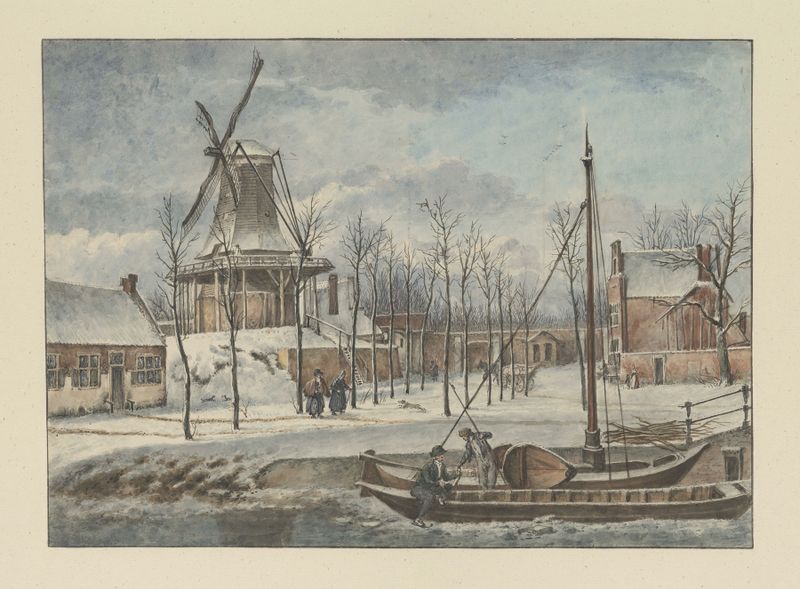
De Doelmolen, de Raampoort, de Stadswal en de huizen aan de Korte Geusestraat (nu; Wilsonsplein) vanaf de Raamgracht in de sneeuw.
Wybrand Hendriks
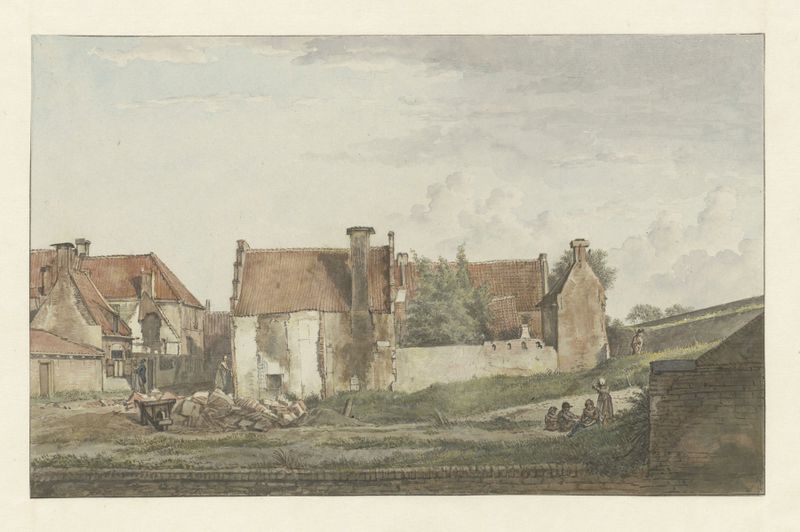
Gezicht op de Raamgragt op de Lange Geusestraat na ‘t wegbreeke van eenige huisen in 1809
Wybrand Hendriks
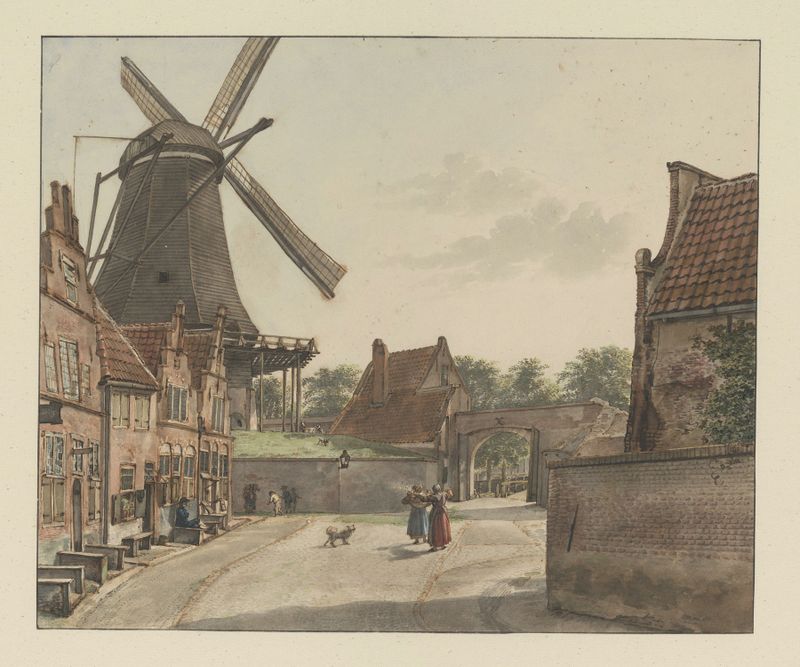
Gezicht vanuit de Bereiderstraat, tegenwoordig Sophiastraat, op de oostzijde van de Raampoort en de Doelmolen
Wybrand Hendriks
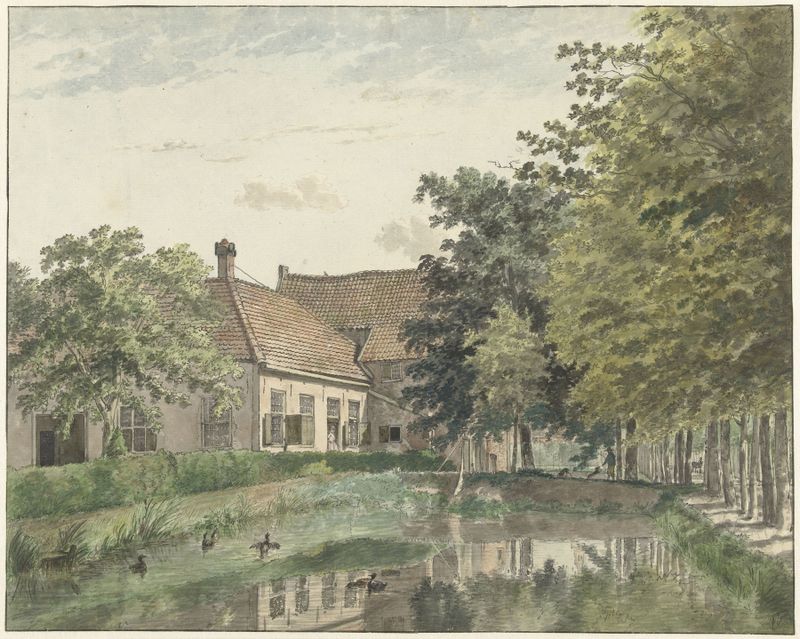
Gezicht op de buitenplaats Watergoor bij Nijkerk
Wybrand Hendriks
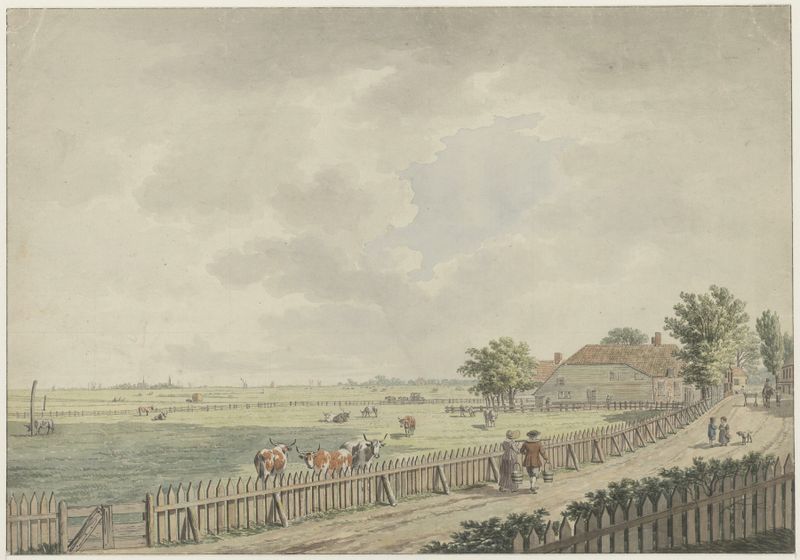
Gezicht in de Hoofdstraat, de weg naar Haarlem, in Santpoort, ziende naar het Zuiden.
Wybrand Hendriks
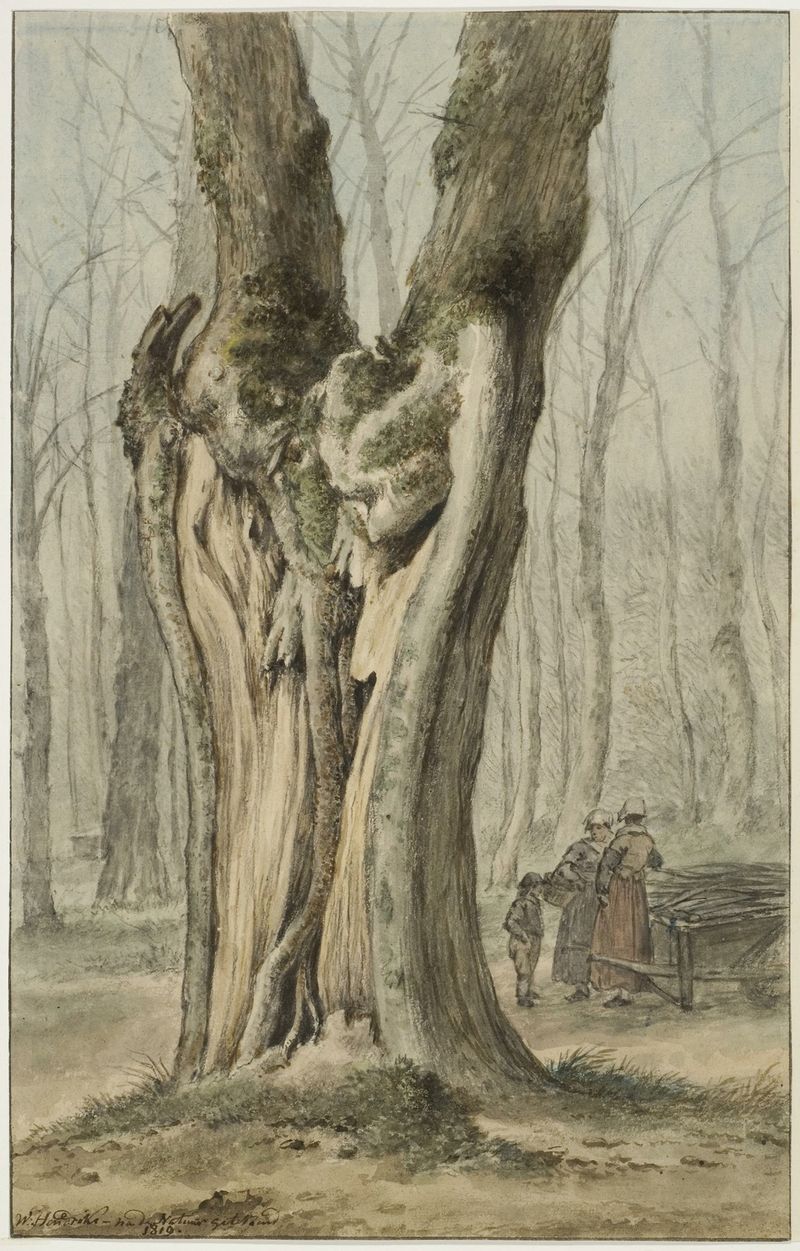
De wonderboom in de Spanjaardslaan in de Haarlemmerhout te Haarlem
Wybrand Hendriks
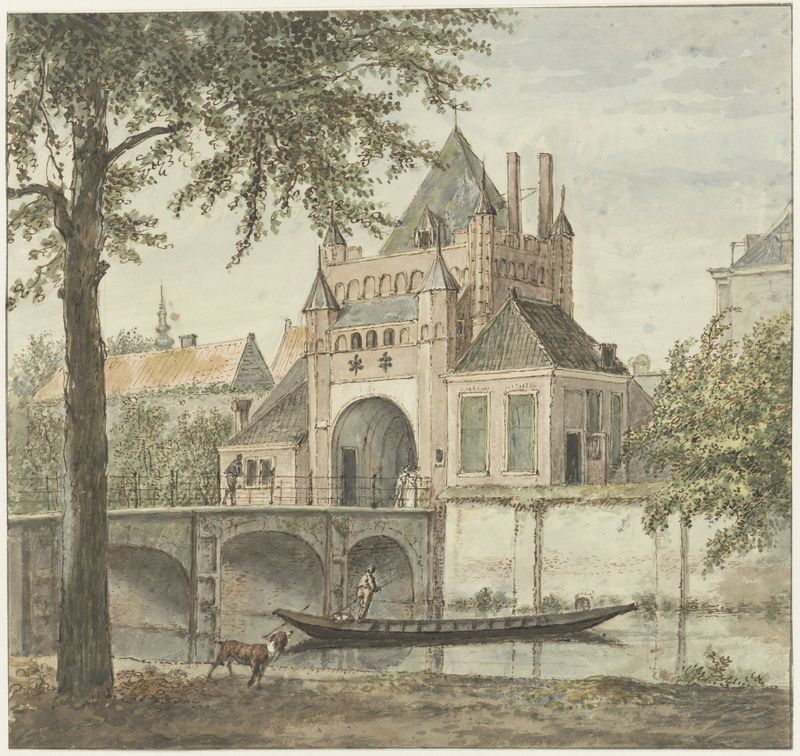
Grote Houtpoort van de zuidoostzijde
Wybrand Hendriks
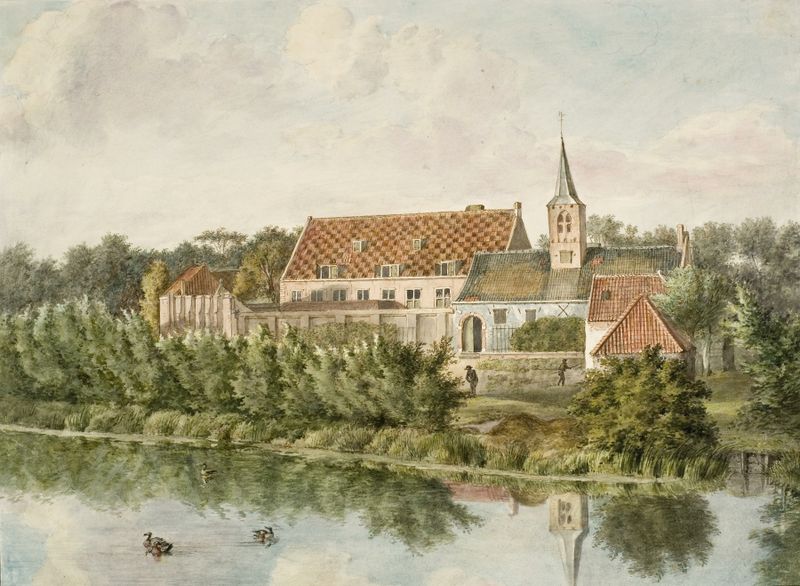
t Buyten Proveniershuis te Haarlem; van de hoogte van de wal te zien
Wybrand Hendriks
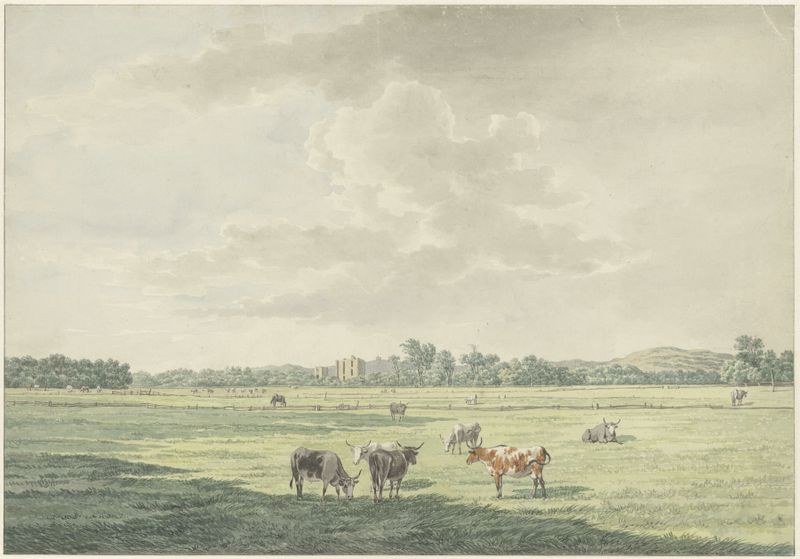
Landschap met weiland en koeien op de voorgrond en in de verte de ruIne van Brederode
Wybrand Hendriks
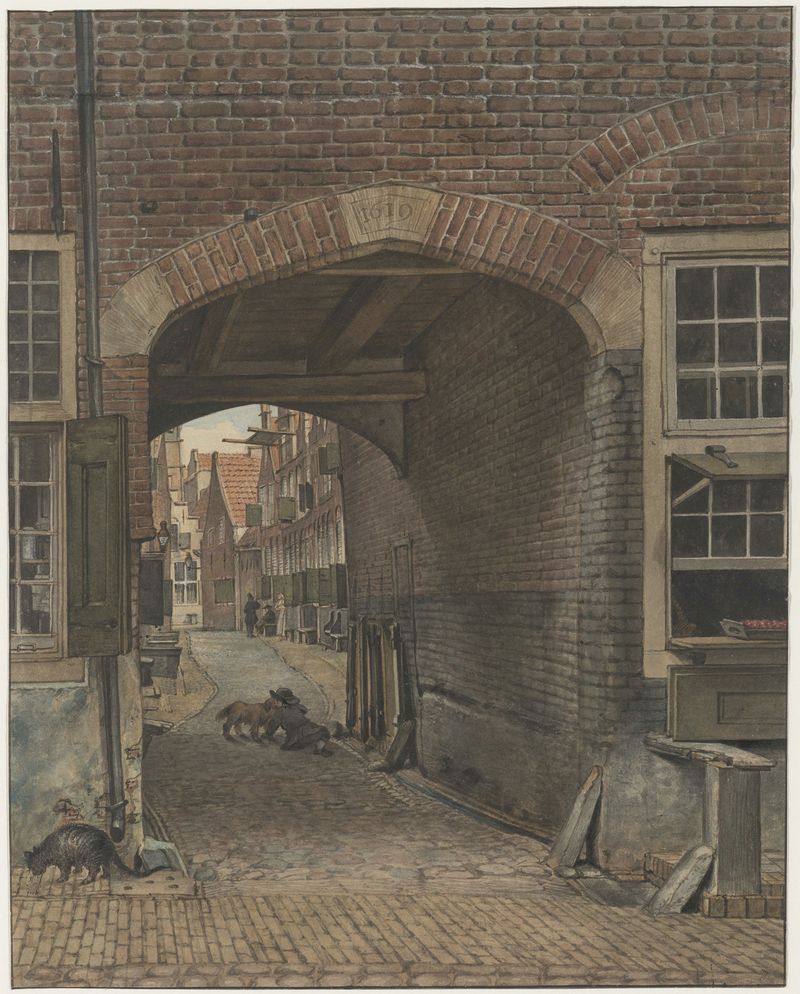
Gezicht in het Nieuw Heiligland door poort aan het Klein Heiligland
Wybrand Hendriks





