
Standing Nude — History & Facts
In Standing Nude, Arthur Bowen Davies presents a solitary figure in a standing pose, exuding a sense of calm and introspection. The use of soft, muted colors creates a serene atmosphere, allowing the viewer to focus on the figure's form and expression. The background is minimal, drawing attention to the nude figure, which is rendered with a delicate touch.
The overall composition invites contemplation and reflection on the nature of beauty and vulnerability. The painting is characterized by its smooth brushwork and careful attention to the play of light and shadow on the figure's body. Davies employs a limited palette, which enhances the emotional impact of the work. The figure's proportions are realistic, yet the pose conveys a sense of idealization, a common theme in Symbolism.
Viewers can appreciate the artist's skill in capturing the human form while also evoking deeper themes of existence. Arthur Bowen Davies was an American painter associated with the Symbolist movement, known for his exploration of themes related to the human experience. Standing Nude reflects his interest in the interplay between the human body and emotional expression. An interesting fact about this work is that it was created during a period when Davies was deeply influenced by the ideas of theosophy and spirituality, which often permeated his art.
This painting exemplifies his ability to blend realism with symbolic meaning.
More Artworks by Arthur Bowen Davies

Mirror of Illusion
Arthur Bowen Davies
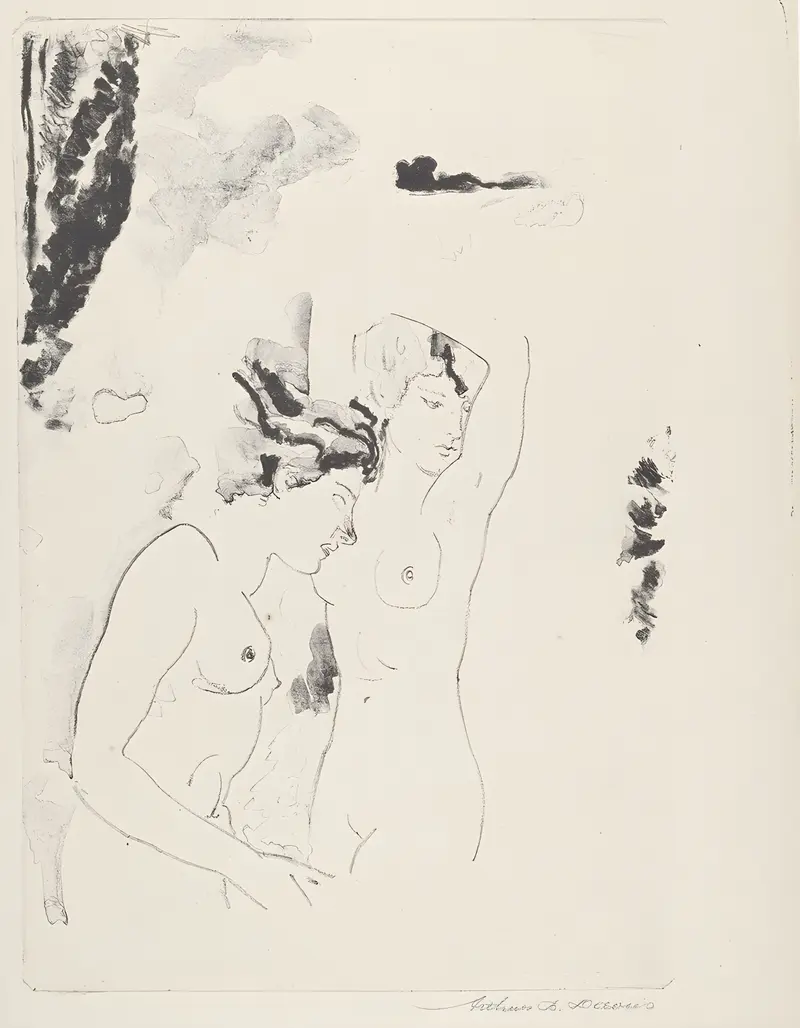
Nymphs of the Stream
Arthur Bowen Davies

Woman Dancing
Arthur Bowen Davies
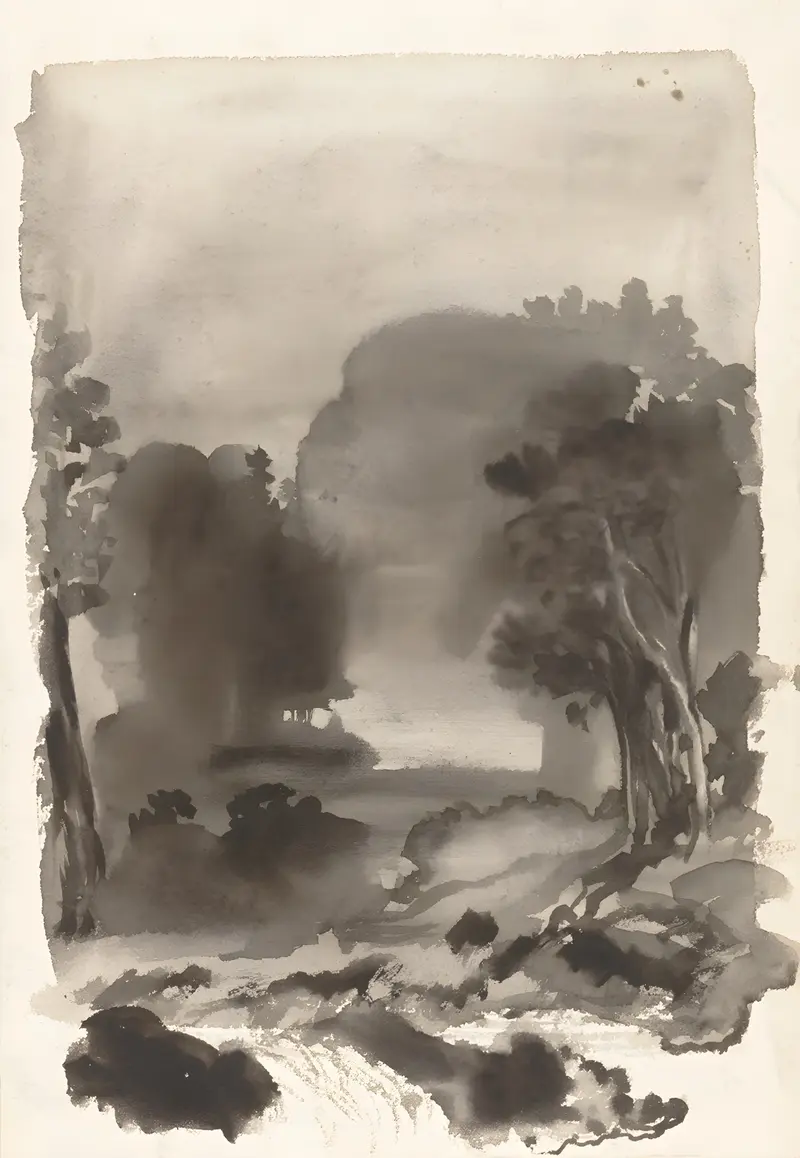
Landscape 2
Arthur Bowen Davies
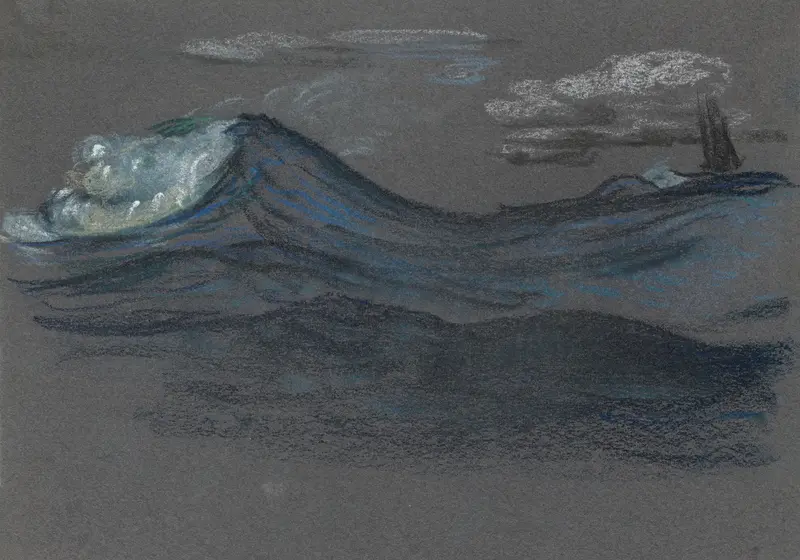
Ocean Swells
Arthur Bowen Davies
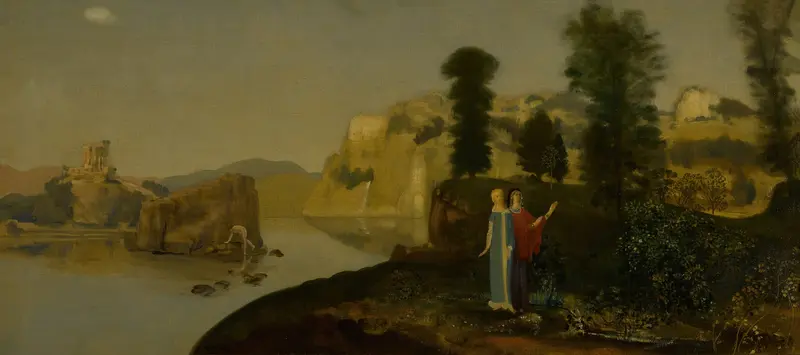
Silver Springs
Arthur Bowen Davies
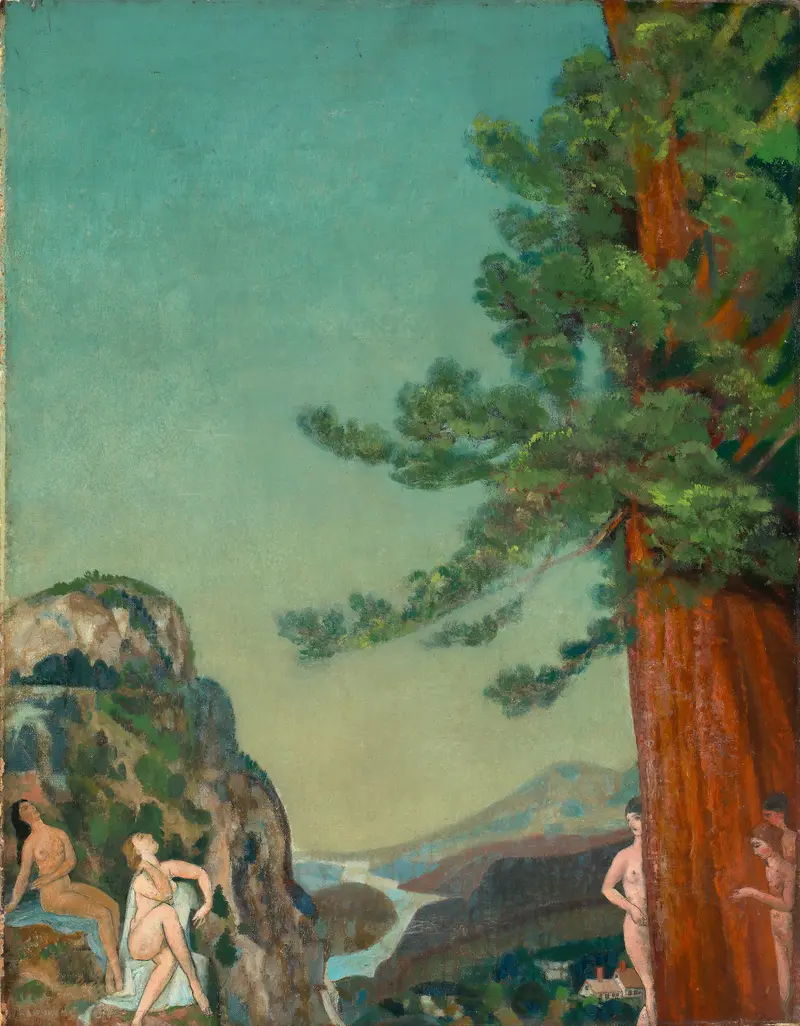
On the Cliffs
Arthur Bowen Davies

Landscape
Arthur Bowen Davies
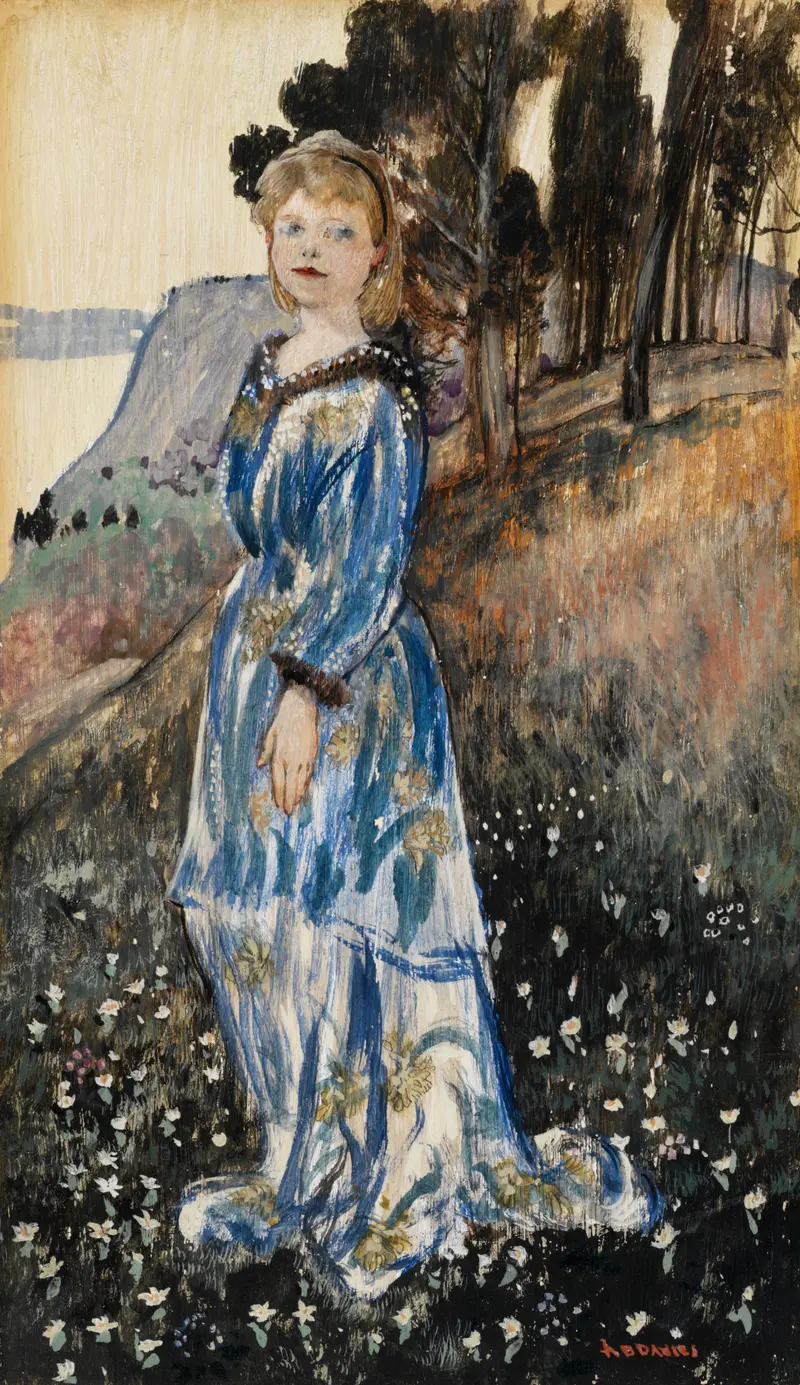
Flora
Arthur Bowen Davies
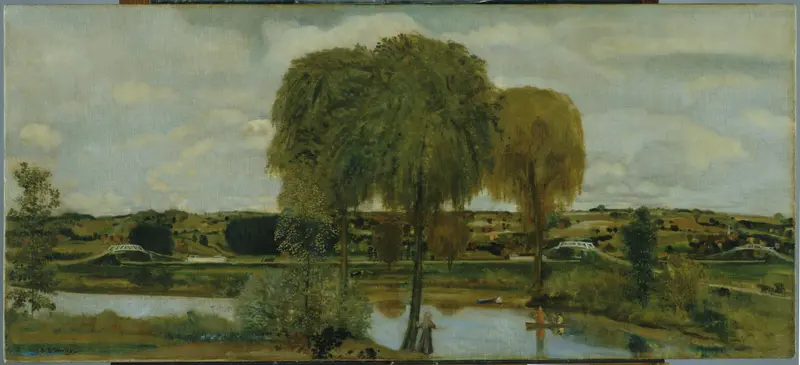
Along the Erie Canal
Arthur Bowen Davies



