
Along the Erie Canal — History & Facts
A willow’s heavy branches nearly brush the water, commanding the center of Along the Erie Canal with their gentle weight. The painter, Arthur Bowen Davies, draws the viewer into a world where the canal is not just a feat of engineering, but a living ribbon threading through the countryside. Your eye is led from the foreground—where a solitary figure stands at the edge of the water and a small group rows a boat—out across the reflective surface, through the willows, and into the patchwork of fields and distant bridges.
The bridges, stark white against the muted greens and browns, punctuate the landscape and hint at the quiet industry that transformed this region. The low horizon grants the sky a sweeping presence, its soft clouds echoing the calm on the water’s surface. Painted in 1890, this work belongs to a moment when American artists were turning their gaze to the landscapes shaped by progress and expansion. The Erie Canal, completed earlier in the century, had become a symbol of connection and possibility, and scenes like this would have resonated with viewers aware of its role in the nation’s growth.
Davies’s approach, with its subtle palette and gentle atmosphere, reflects the period’s interest in both natural beauty and the quiet drama of everyday life along the canal. History has kept few traces of this particular painting’s journey, but its presence today—documented in the Google Cultural Institute’s collection—invites us to linger in the hush between water, land, and sky.
More Artworks by Arthur Bowen Davies

Mirror of Illusion
Arthur Bowen Davies
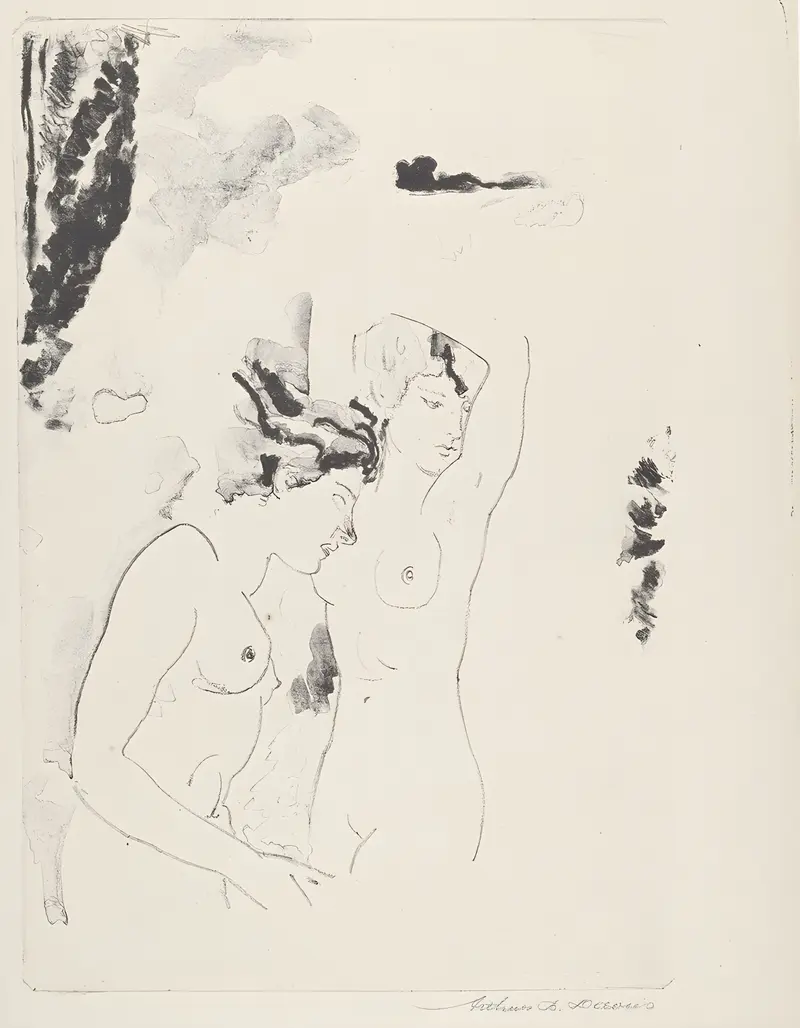
Nymphs of the Stream
Arthur Bowen Davies

Woman Dancing
Arthur Bowen Davies
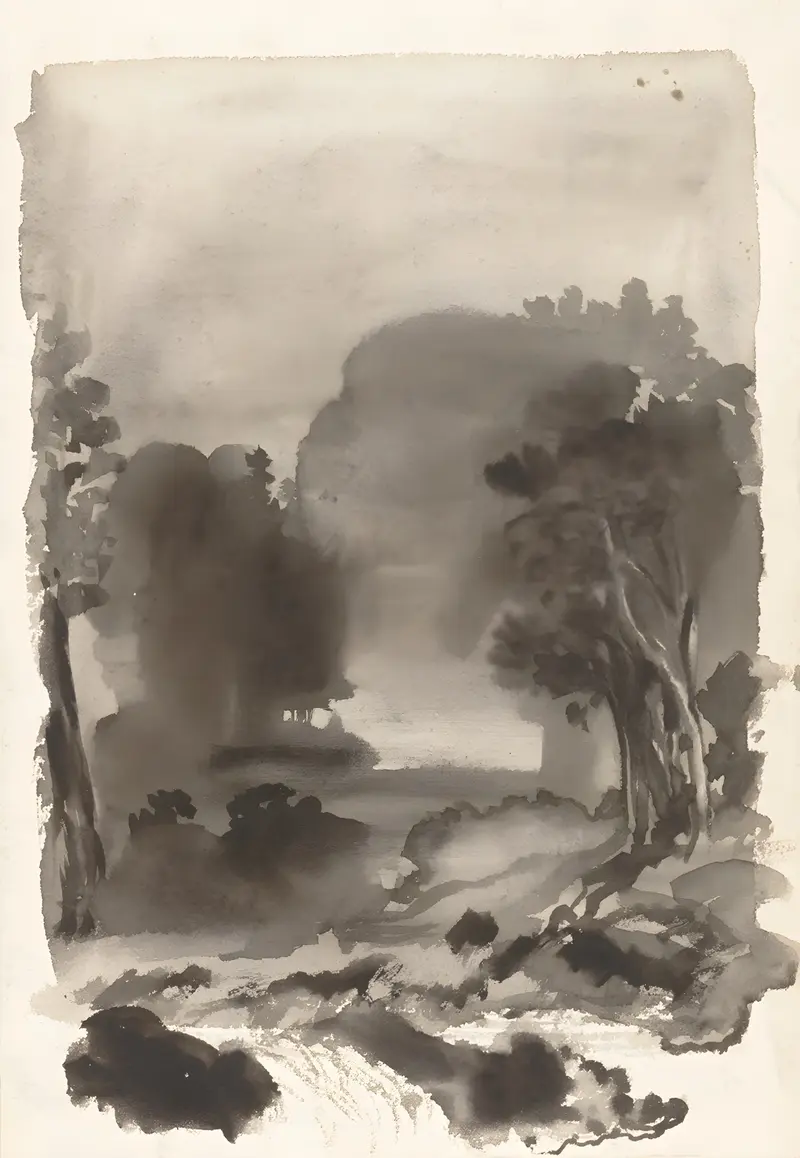
Landscape 2
Arthur Bowen Davies
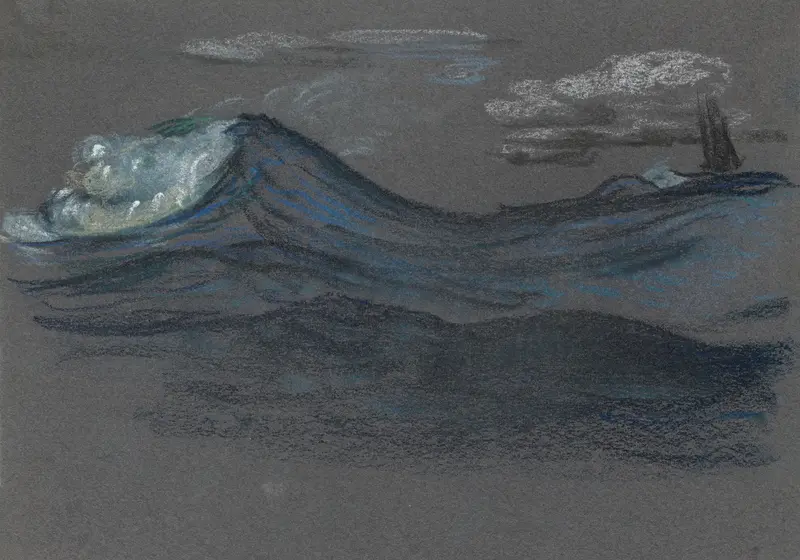
Ocean Swells
Arthur Bowen Davies
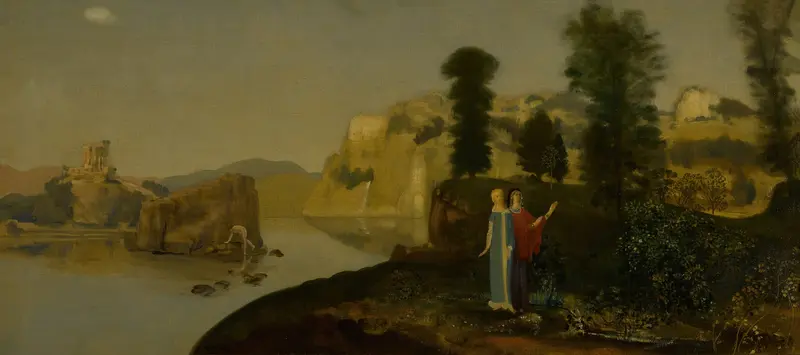
Silver Springs
Arthur Bowen Davies
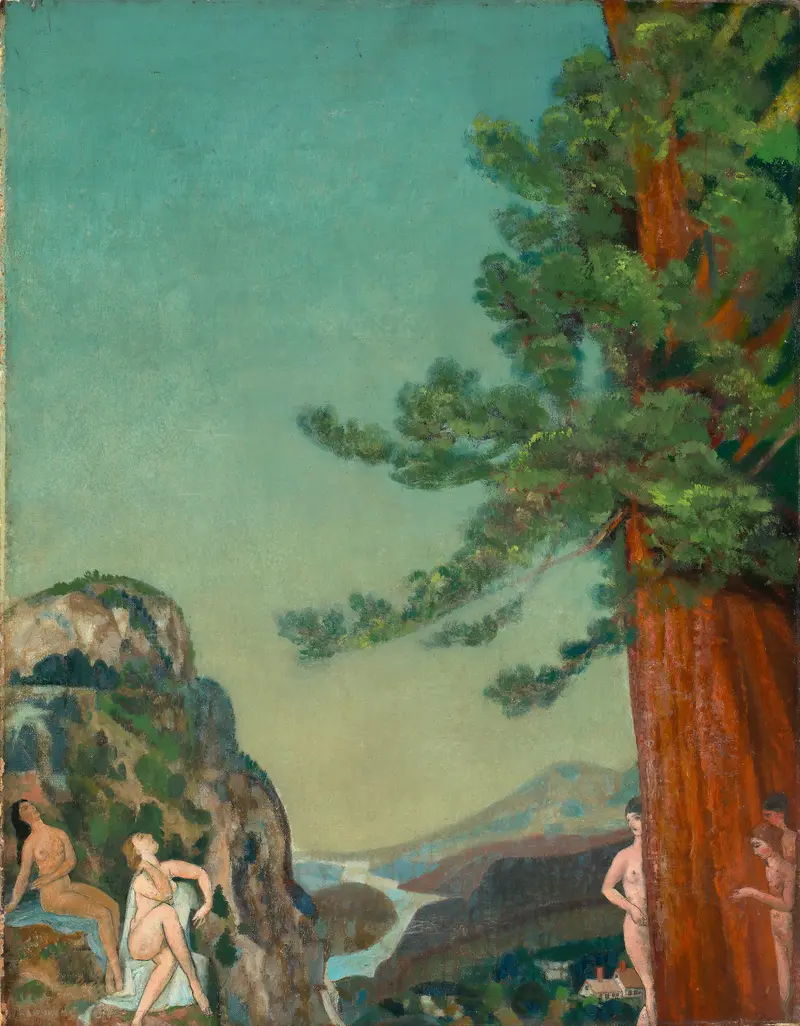
On the Cliffs
Arthur Bowen Davies

Landscape
Arthur Bowen Davies
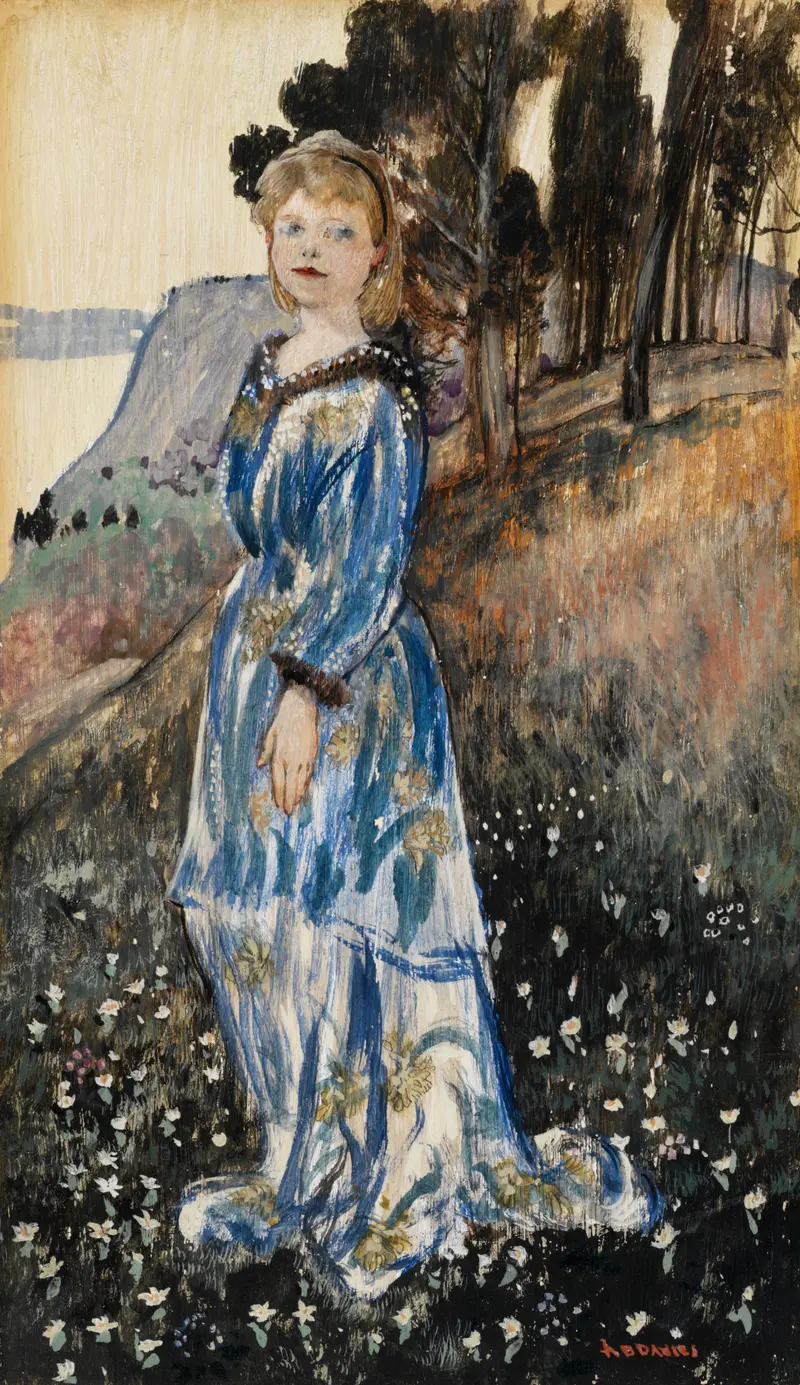
Flora
Arthur Bowen Davies
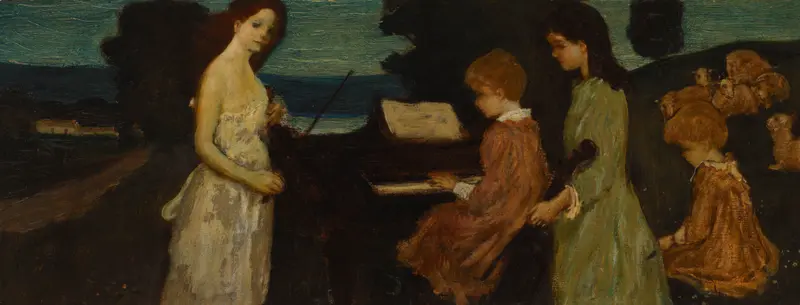
Music in the Fields
Arthur Bowen Davies
More Landscape Art

The Starry Night
Vincent van Gogh

View of Delft
Johannes Vermeer

Water Lilies
Claude Monet

The Grand Canal, Venice, looking north-west from the Ca' Corner to the Ca' Contarini degli Scrigni, with the campanile of Santa Maria della Carità
Canaletto

Windsor Castle
Canaletto

The Grand Canal looking North-East from the Palazzo Dolfin-Manin to the Rialto Bridge
Canaletto