
Steeton Manor House, Near Farnley — History & Facts
Where does light end, and longing begin? In the quiet embrace of Steeton Manor House, Near Farnley, a realm of transformation emerges, inviting reflection on the delicate interplay between nature and architecture. Look to the left, where the manor stands resolute against a backdrop of softly swirling clouds. Notice how Turner masterfully captures the gentle dappling of light upon the building’s stone façade, each brushstroke breathing life into the structure. The delicate hues of cream and soft gold contrast with the cooler blues and greens of the surrounding landscape, drawing your gaze toward the heart of the scene.
The ethereal quality of the sky hints at both time and transience, while the lush vegetation teeters on the verge of becoming engulfed by the encroaching twilight. Beneath the surface, a tension arises between permanence and decay. The manor, once a symbol of stability, now appears almost ephemeral, its outline blurred as if caught between reality and memory. The vibrant glow of the landscape hints at a world full of life, yet the dimming light suggests an inevitable transition.
This juxtaposition evokes a sense of nostalgia, encouraging contemplation of what remains when the brightness fades away. Joseph Mallord William Turner painted this work between 1815 and 1818 during a period of personal and artistic evolution. Living in London, he was influenced by the burgeoning Romantic movement, which sought to explore emotion and the sublime in nature. This painting reflects his fascination with light and atmosphere, elements that would come to define his later masterpieces, capturing not just the physical world, but the very essence of experience.
More Artworks by Joseph Mallord William Turner
Browse all →
Dort or Dordrecht- The Dort Packet-Boat from Rotterdam Becalmed
Joseph Mallord William Turner
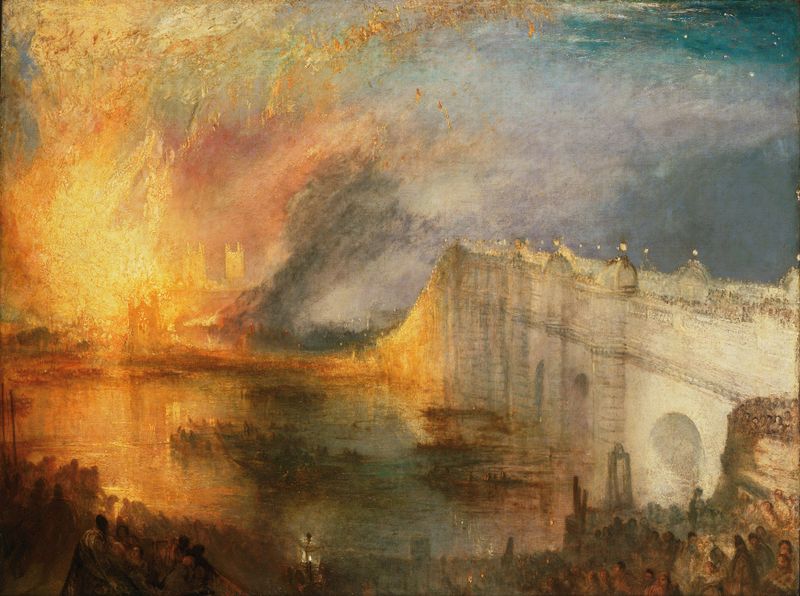
The Burning of the Houses of Lords and Commons, October 16, 1834
Joseph Mallord William Turner
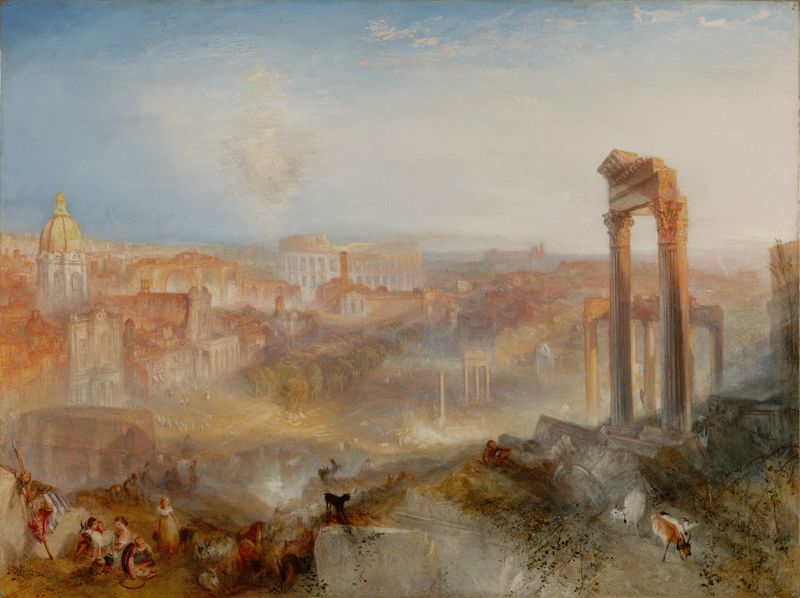
Modern Rome – Campo Vaccino
Joseph Mallord William Turner
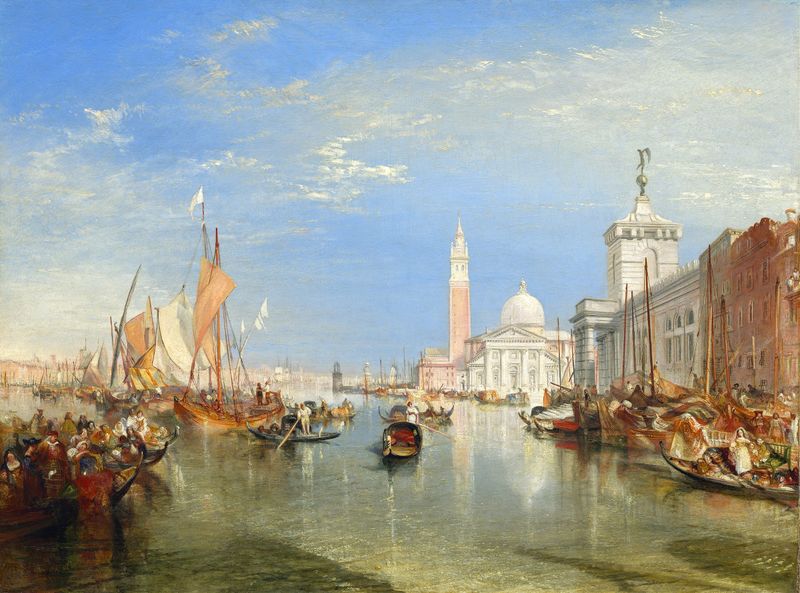
Venice – The Dogana and San Giorgio Maggiore
Joseph Mallord William Turner

The Burning of the Houses of Lords and Commons, 16 October 1834
Joseph Mallord William Turner
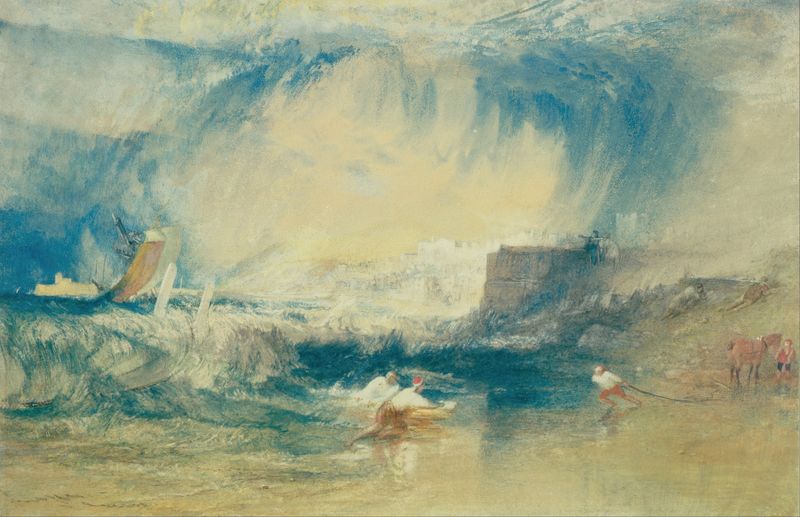
Lyme Regis, Dorsetshire, England
Joseph Mallord William Turner
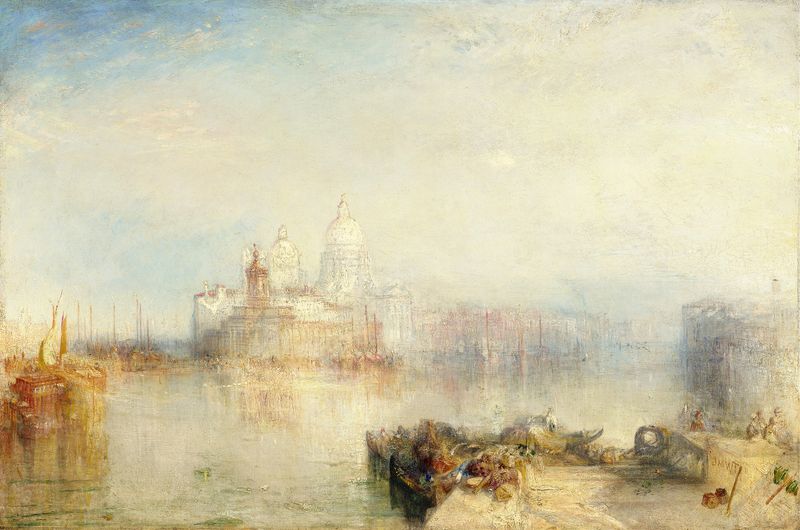
The Dogana and Santa Maria della Salute, Venice
Joseph Mallord William Turner
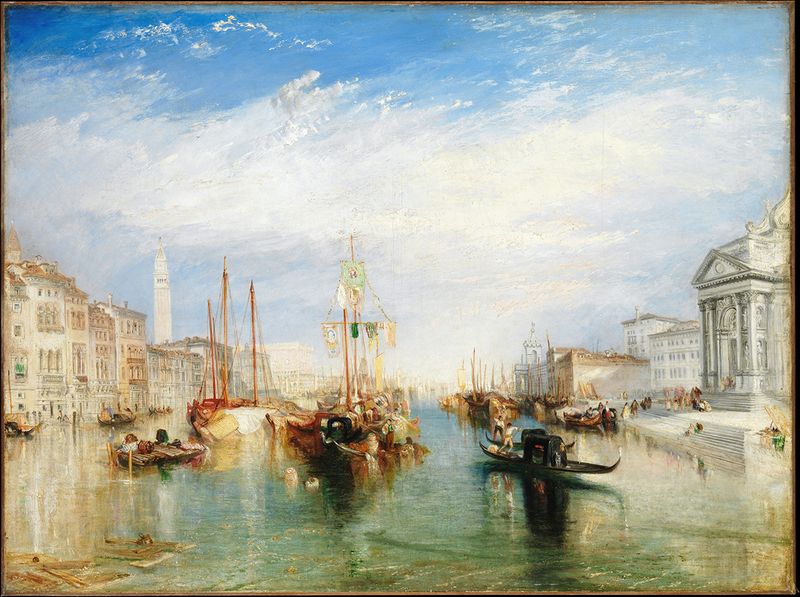
Venice, from the Porch of Madonna della Salute
Joseph Mallord William Turner
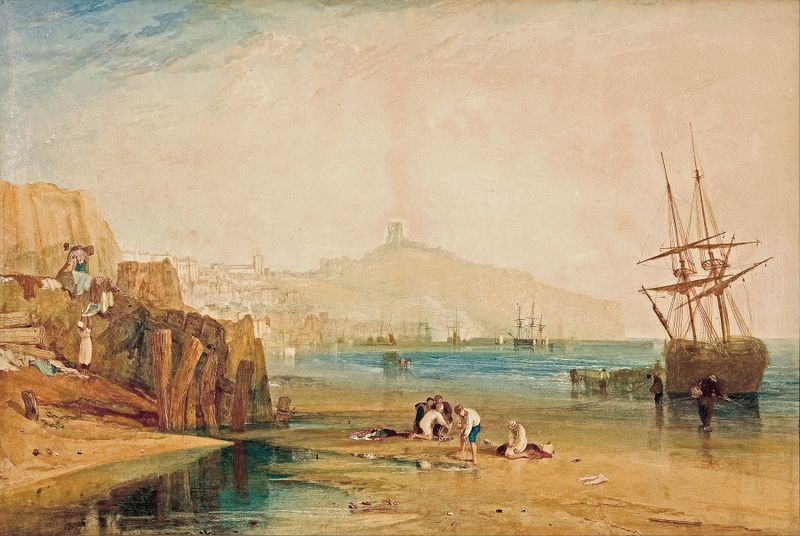
Scarborough town and castle; morning; boys catching crabs
Joseph Mallord William Turner
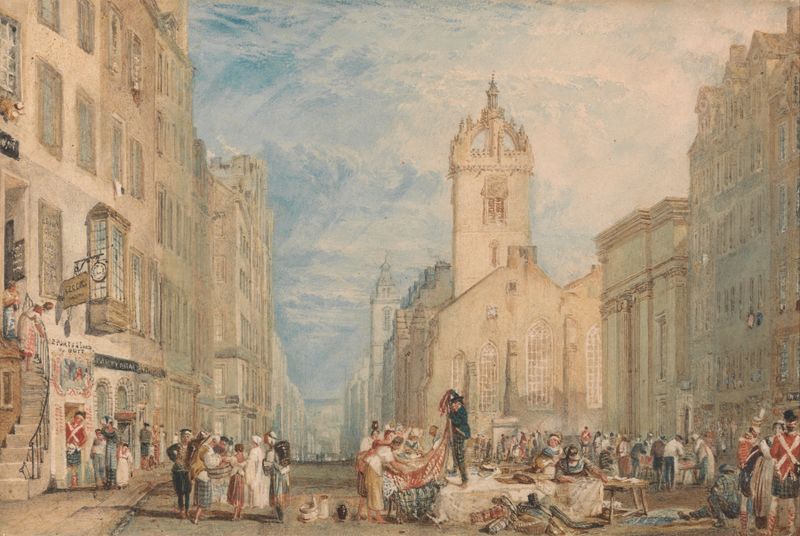
High Street, Edinburgh
Joseph Mallord William Turner
More Architecture Art
Browse all →
The statue of Liberty
Frédéric Auguste Bartholdi

View of Houses in Delft, Known as ‘The Little Street’
Johannes Vermeer

View of Houses in Delft, Known as ‘The Little Street’
Johannes Vermeer

The Cathedral in Rouen. The portal, Grey Weather
Claude Monet

The yellow house
Vincent van Gogh

The Church in Auvers-sur-Oise, View from the Chevet
Vincent van Gogh